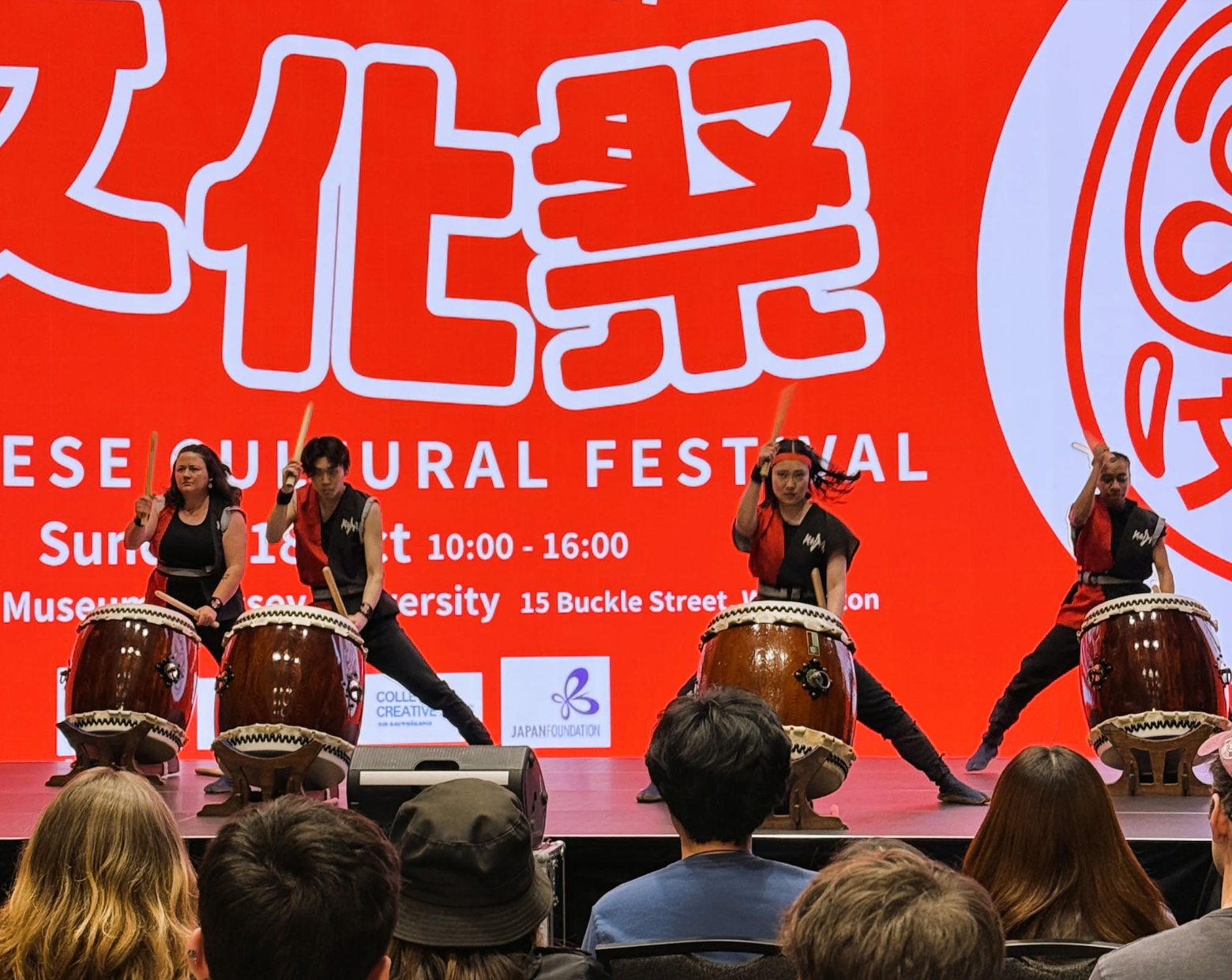
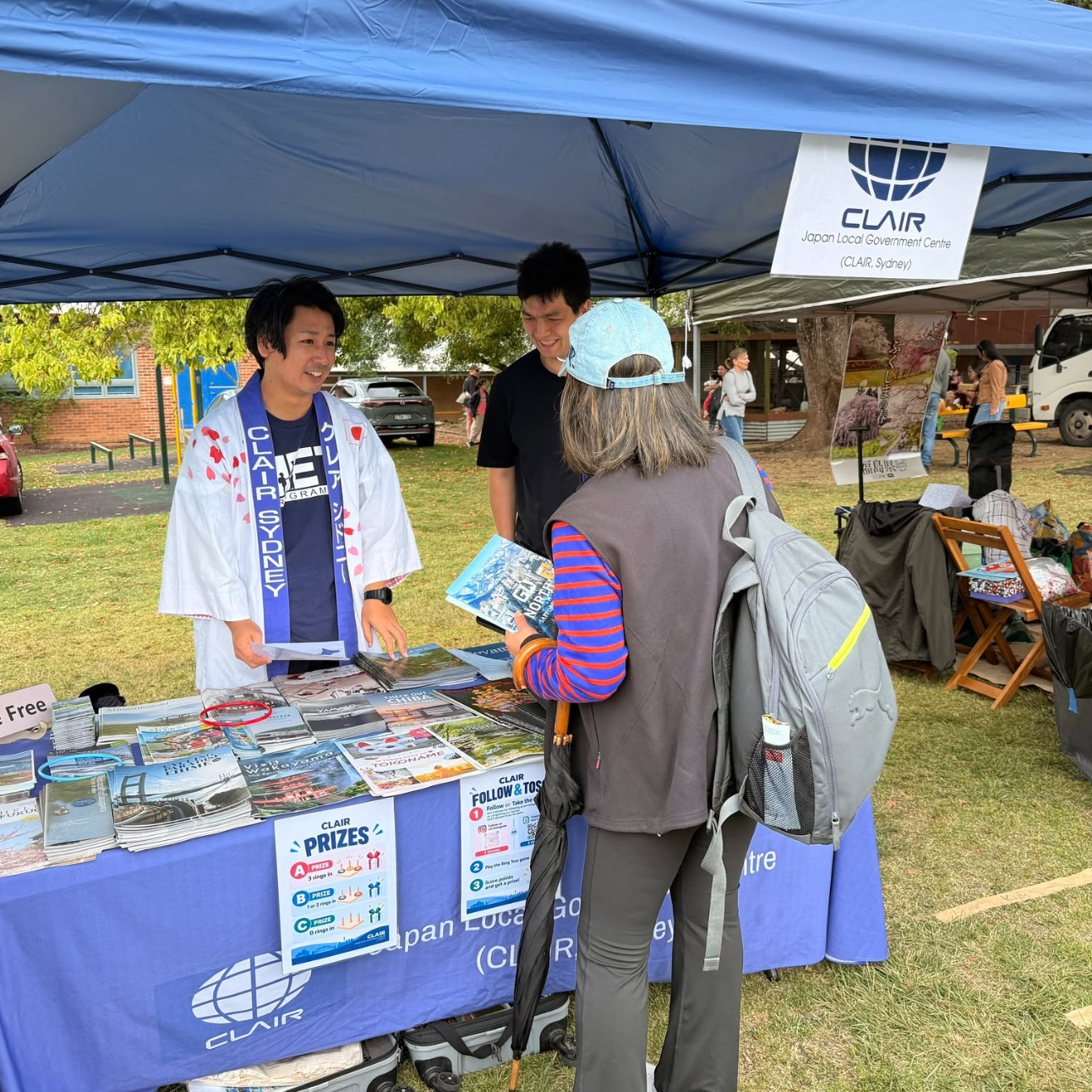
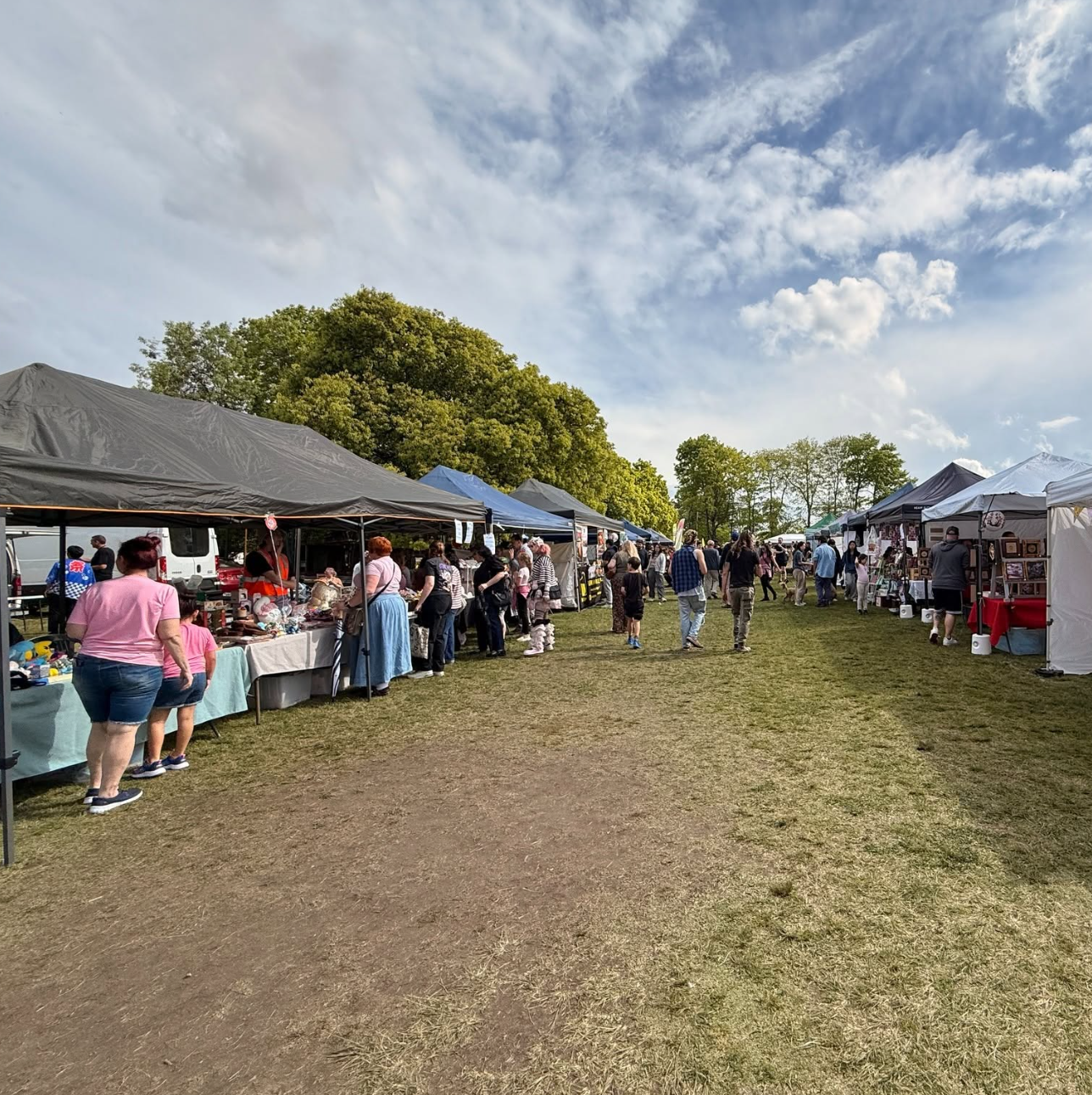
10月18日(日)、ニュージーランドの首都ウェリントンで、在ニュージーランド日本国大使館主催の日本祭り「文化祭(Bunkasai)」が開催され、約3,000人が来場しました。
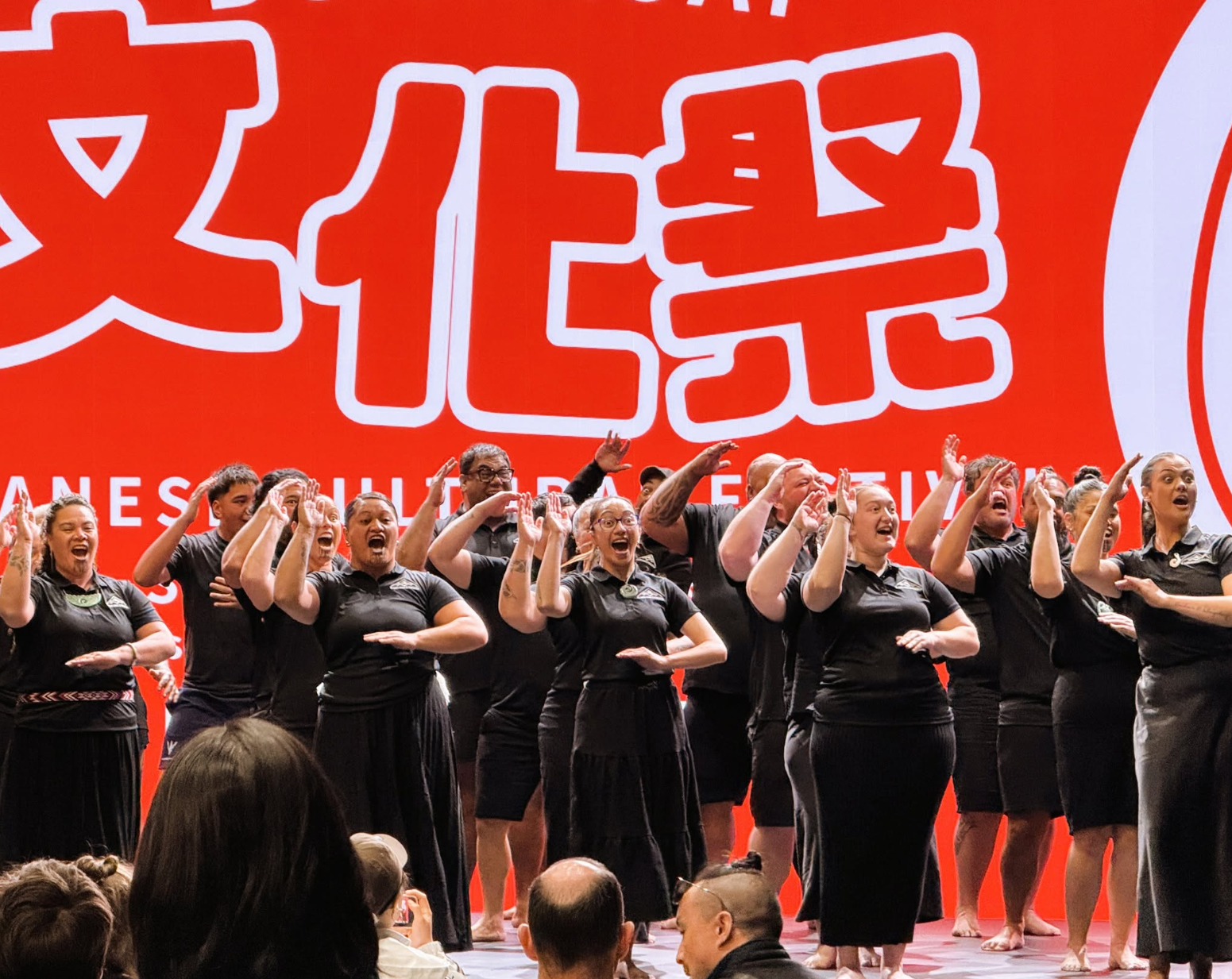
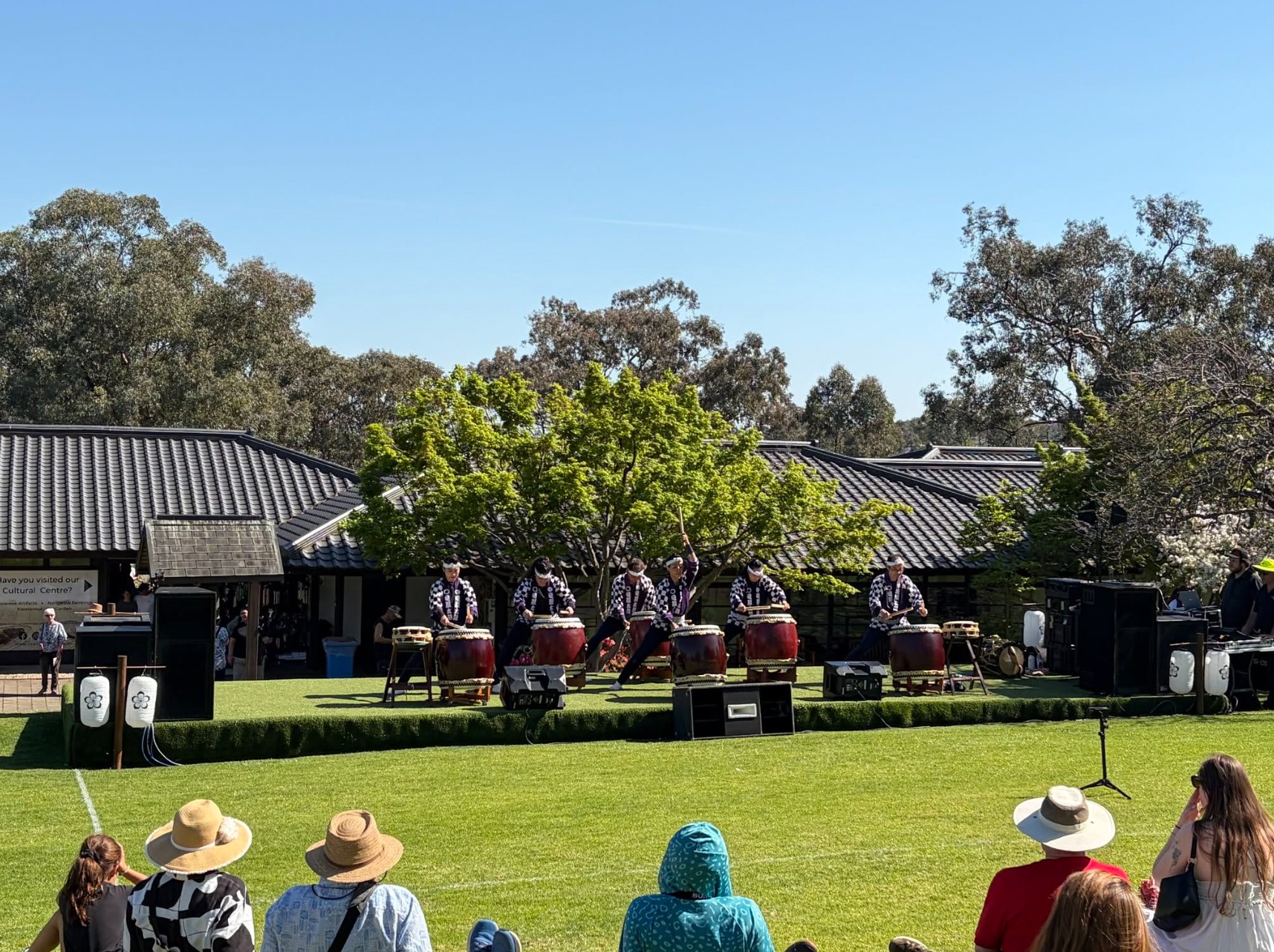
会場には、おにぎりや弁当などの日本食を提供するブースのほか、浴衣の着付け体験ができるブースや、手作りの和風アクセサリー、陶芸品を販売するブースなど、多彩なブースが並びました。また、ステージでは、和太鼓やハカ(ニュージーランドの先住民マオリの伝統舞踊)、マオリの歌の合唱など、来場者を魅了する数々のパフォーマンスが披露されました。
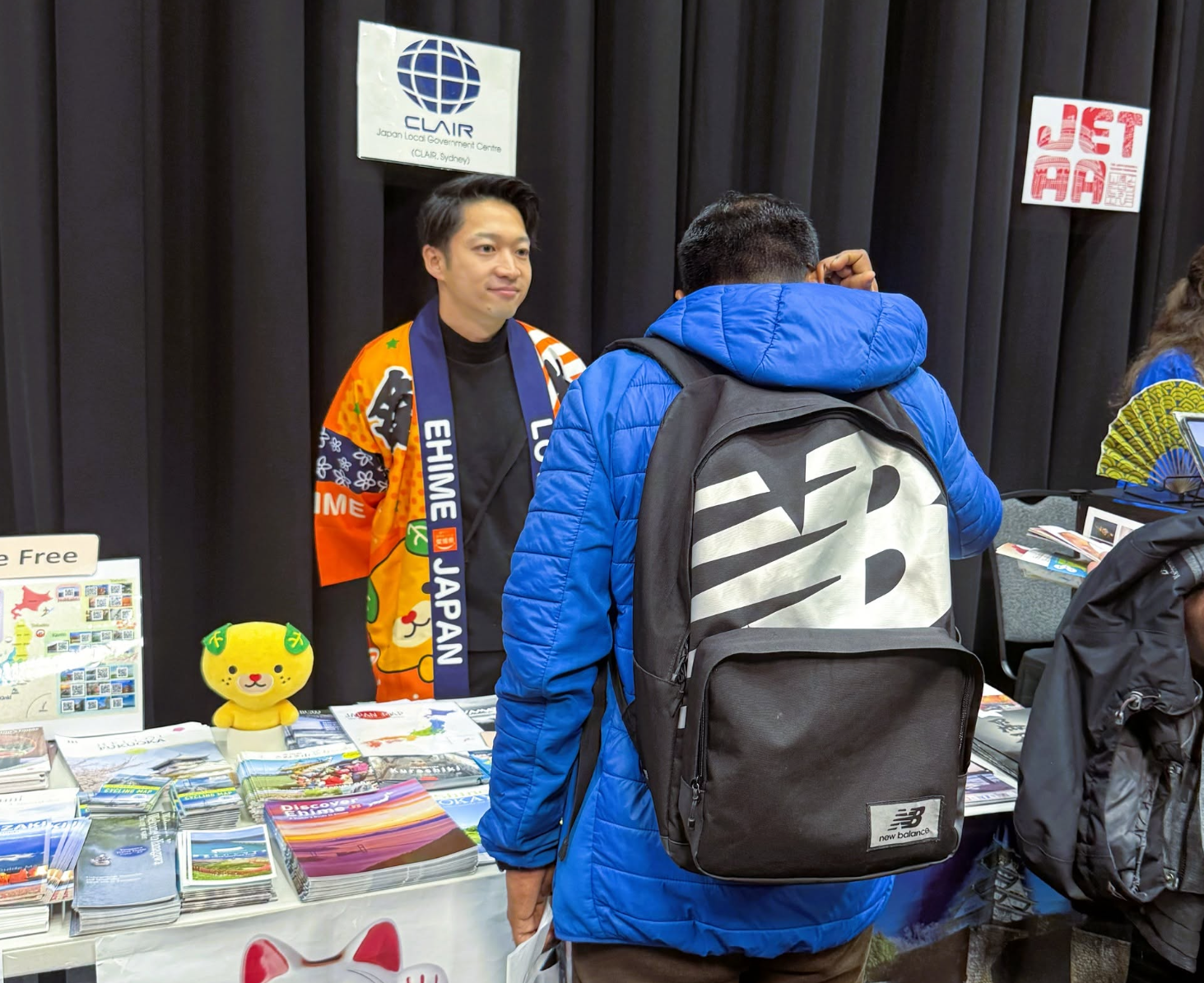
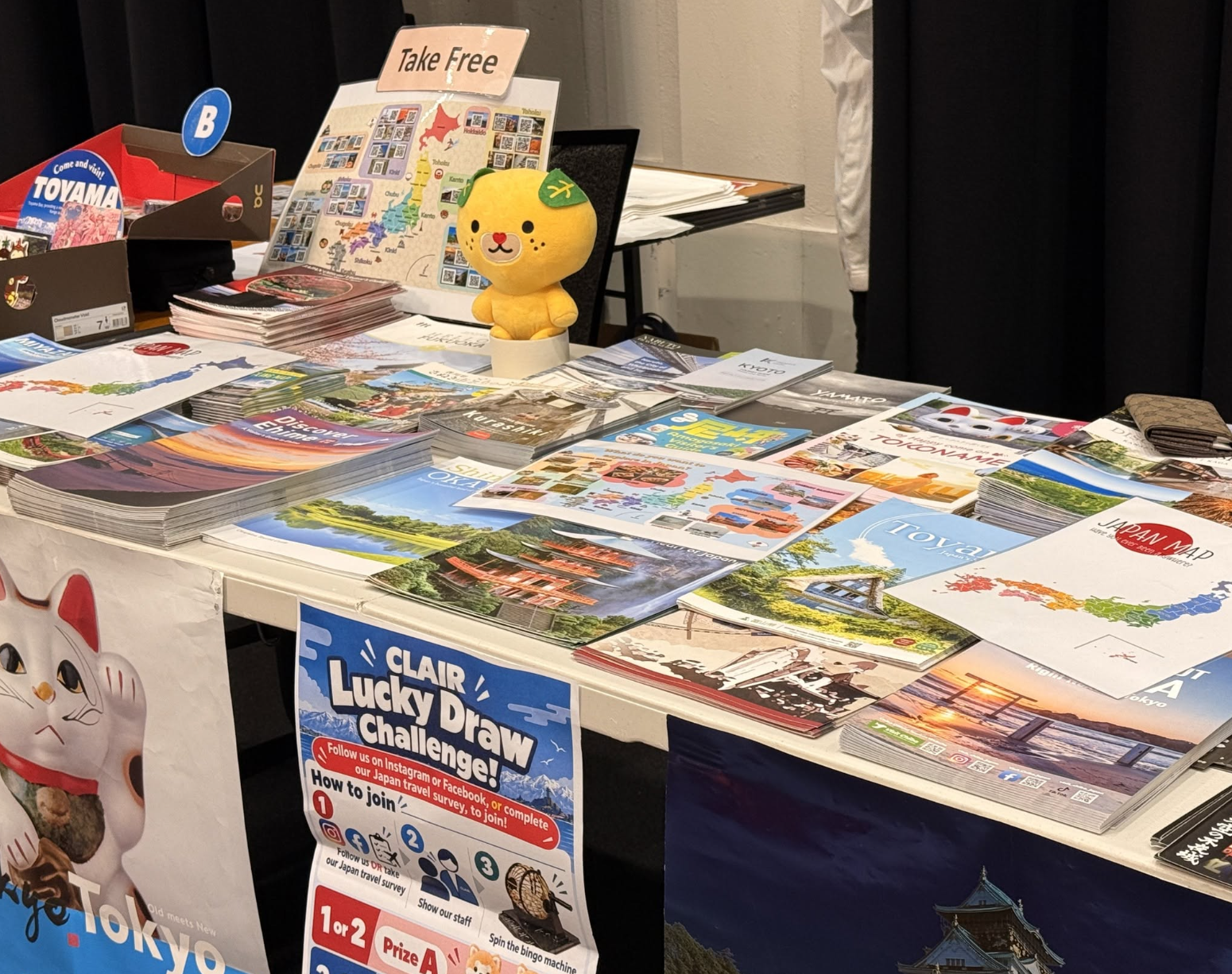
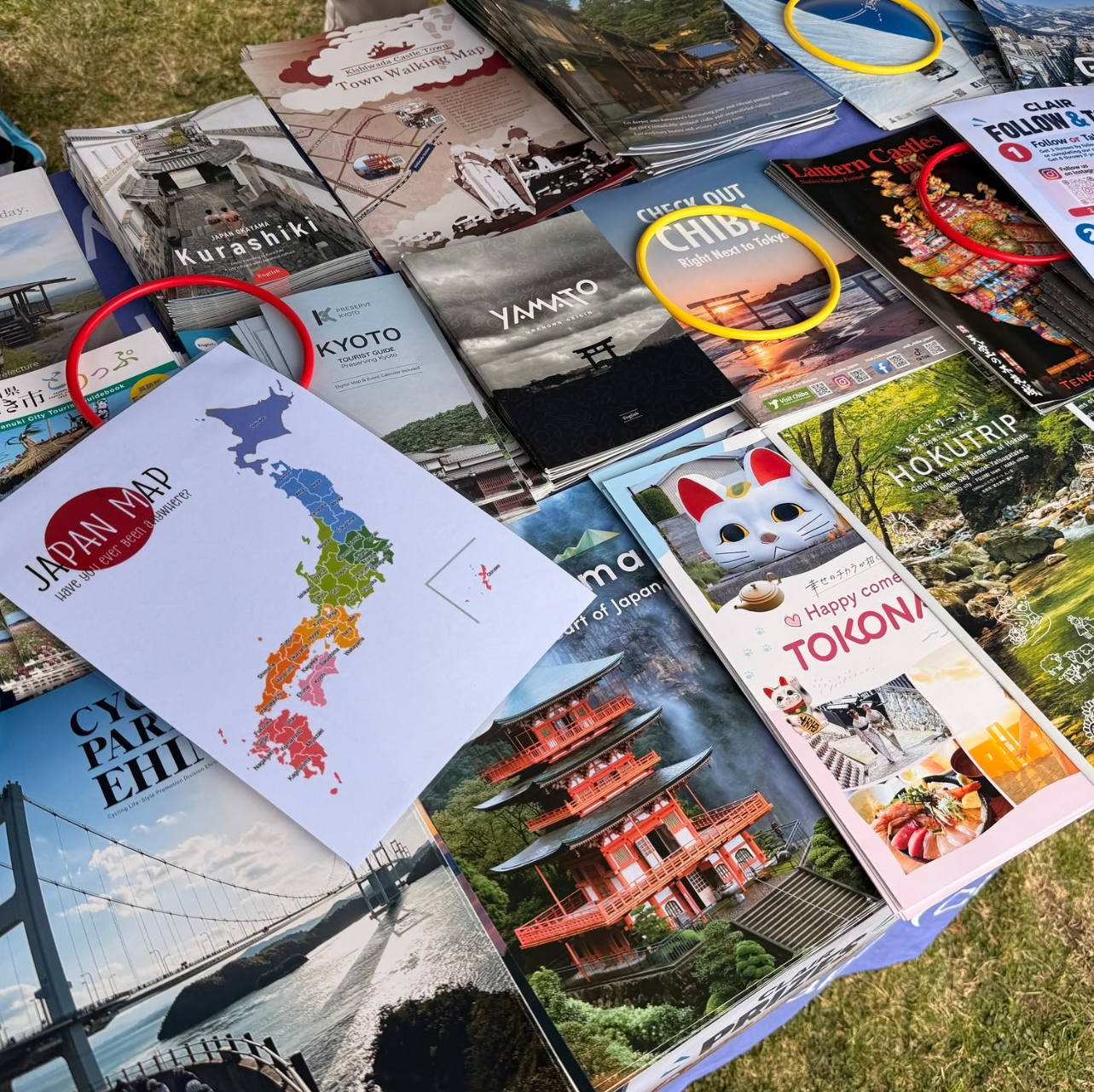
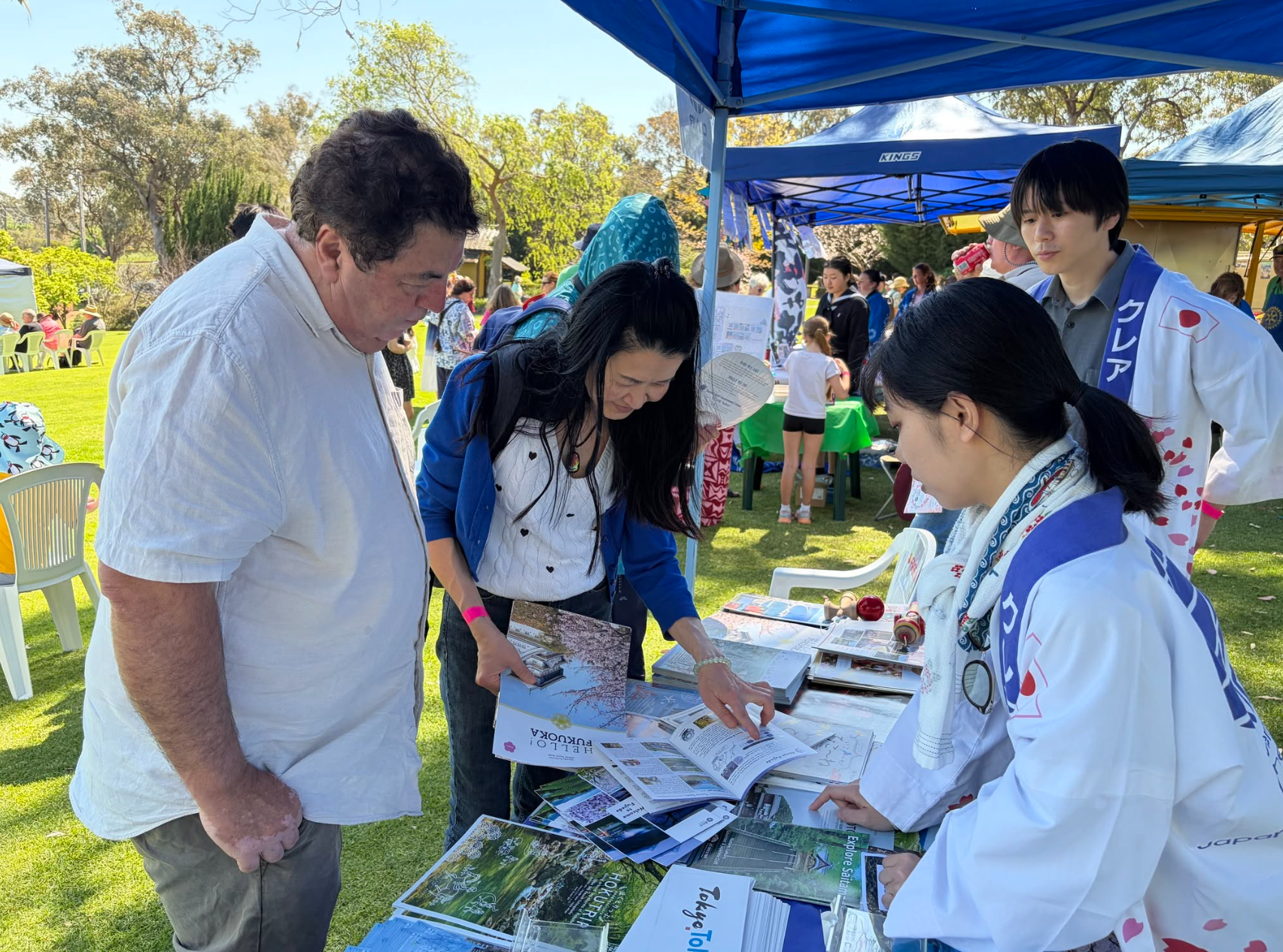
クレアシドニー事務所もブースを出展し、全国の自治体から提供いただいたパンフレットを通じて、日本各地の観光資源や地域の特色を紹介しました。
来場者からは、雪を楽しめる地域や比較的観光客の少ない旅行先、現地での移動手段などについて、具体的な質問が寄せられたほか、しまなみ海道でのサイクリングや旅館への宿泊など、ご自身の訪日時の思い出を熱心に語ってくださる方もいらっしゃいました。中には、日本をパフェに例え、「パフェがどこを食べてもおいしいように、日本はどの地域にも素晴らしい魅力がある」と力説してくださった方も。
こうした方々に加え、日本語を学んでいる学生や、日本での生活・就労経験のある方々との会話から、ニュージーランドの人々の日本への親しみが伝わり、両国のつながりの深さを改めて感じる一日となりました。
今後も、こうした当地の方々との交流を大切にしながら、日本各地の多彩な魅力を発信してまいります。
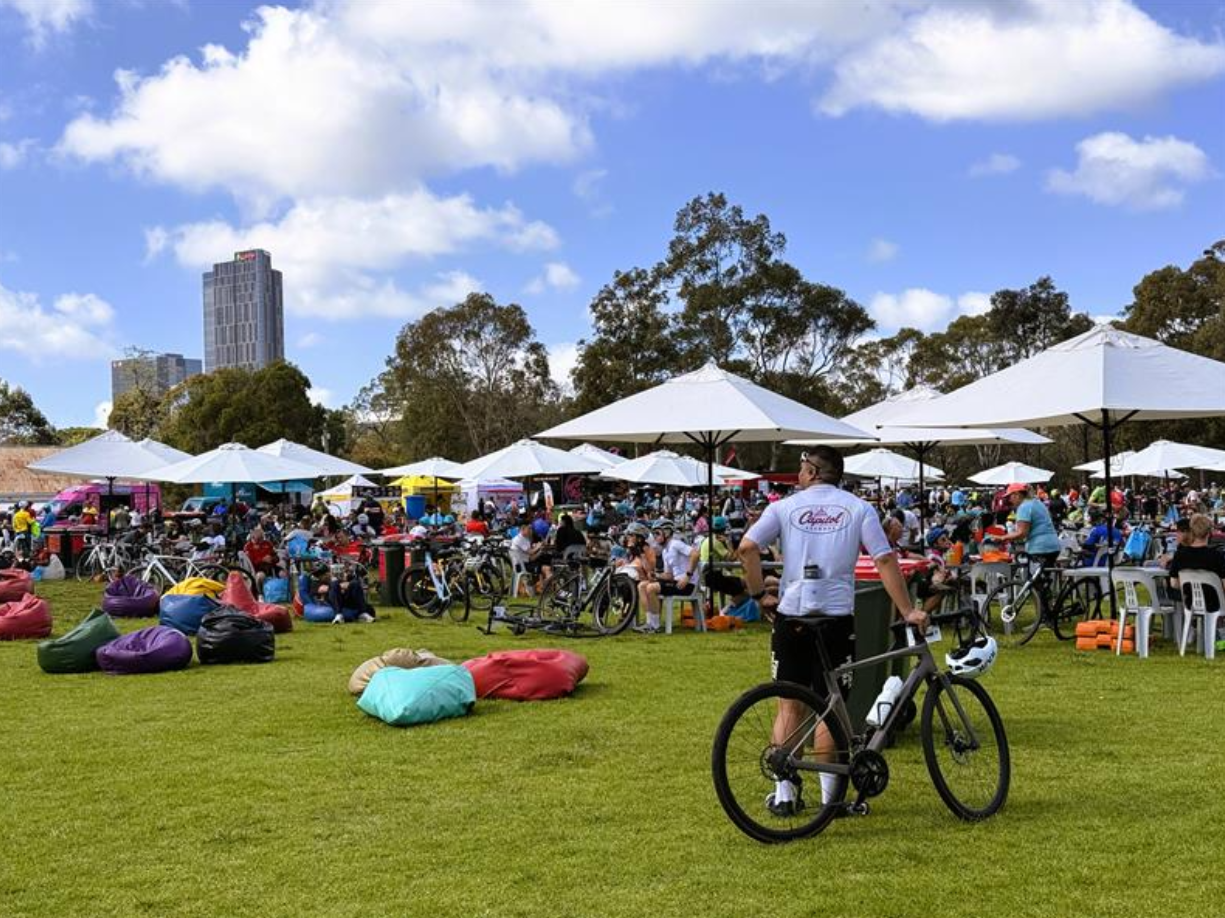
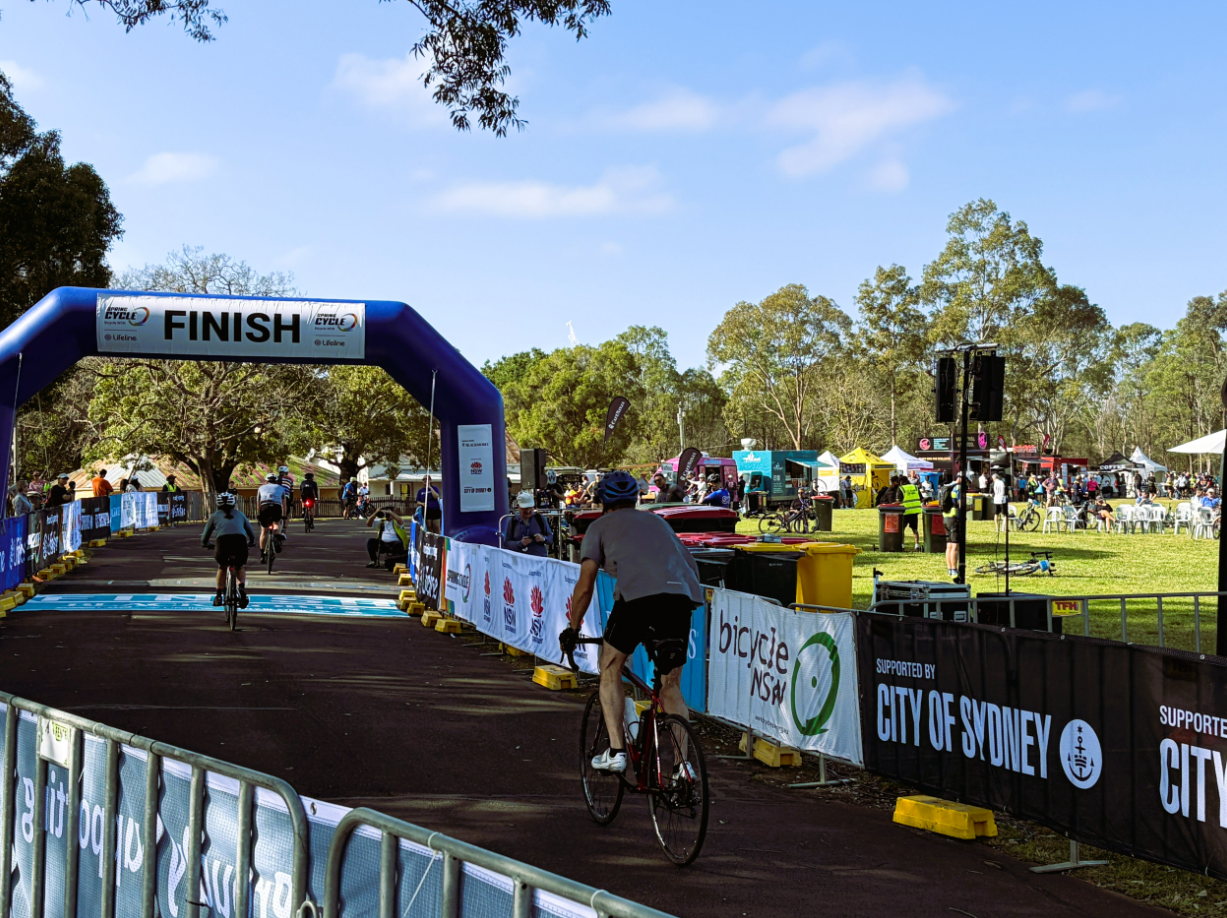
10月11日(日)、シドニーで開催されたサイクリングイベント「Spring Cycle 2026」において、愛媛県が県内の自転車観光を豪州のサイクリストにPRするため、ブースを出展しました。クレアシドニー事務所は、ブース運営を補助するなど、愛媛県の当地での活動を支援しました。
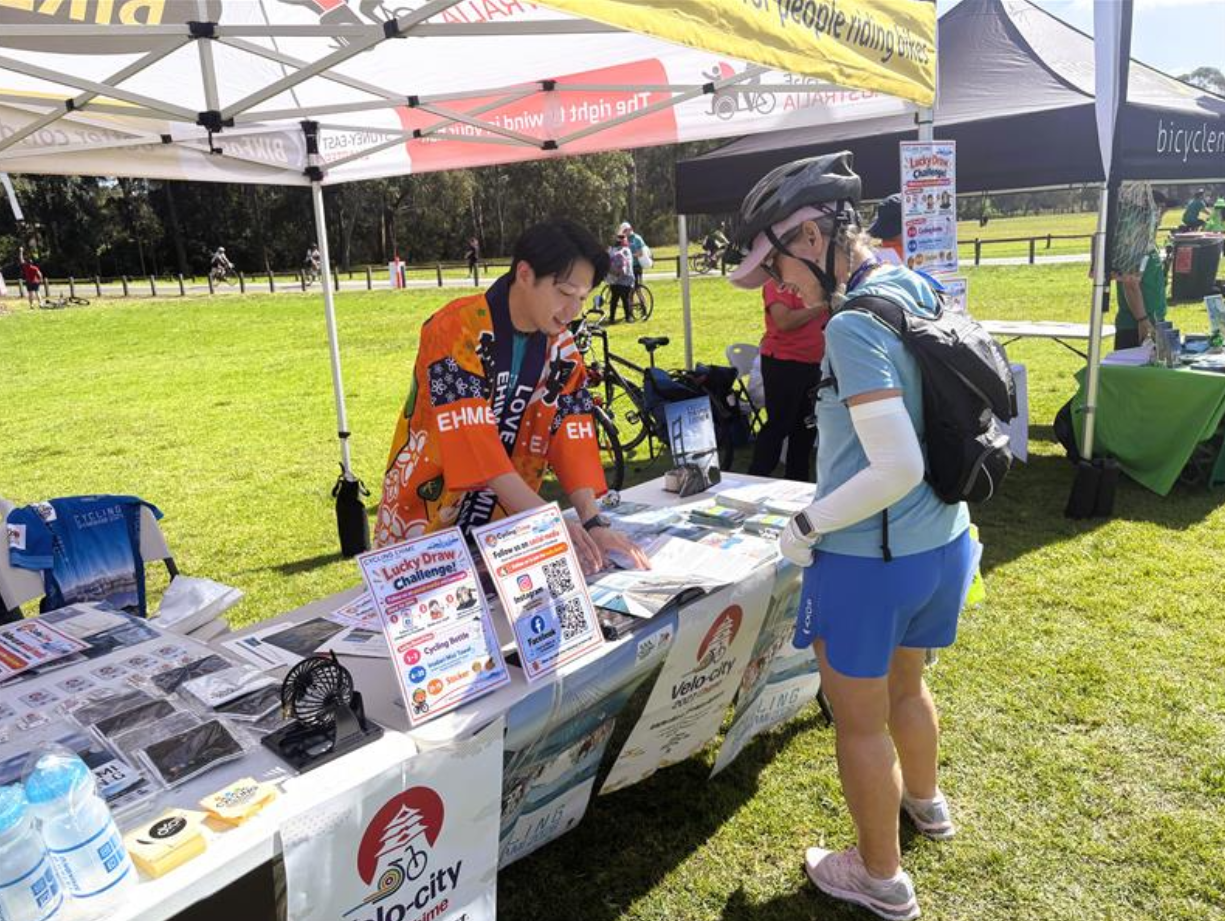
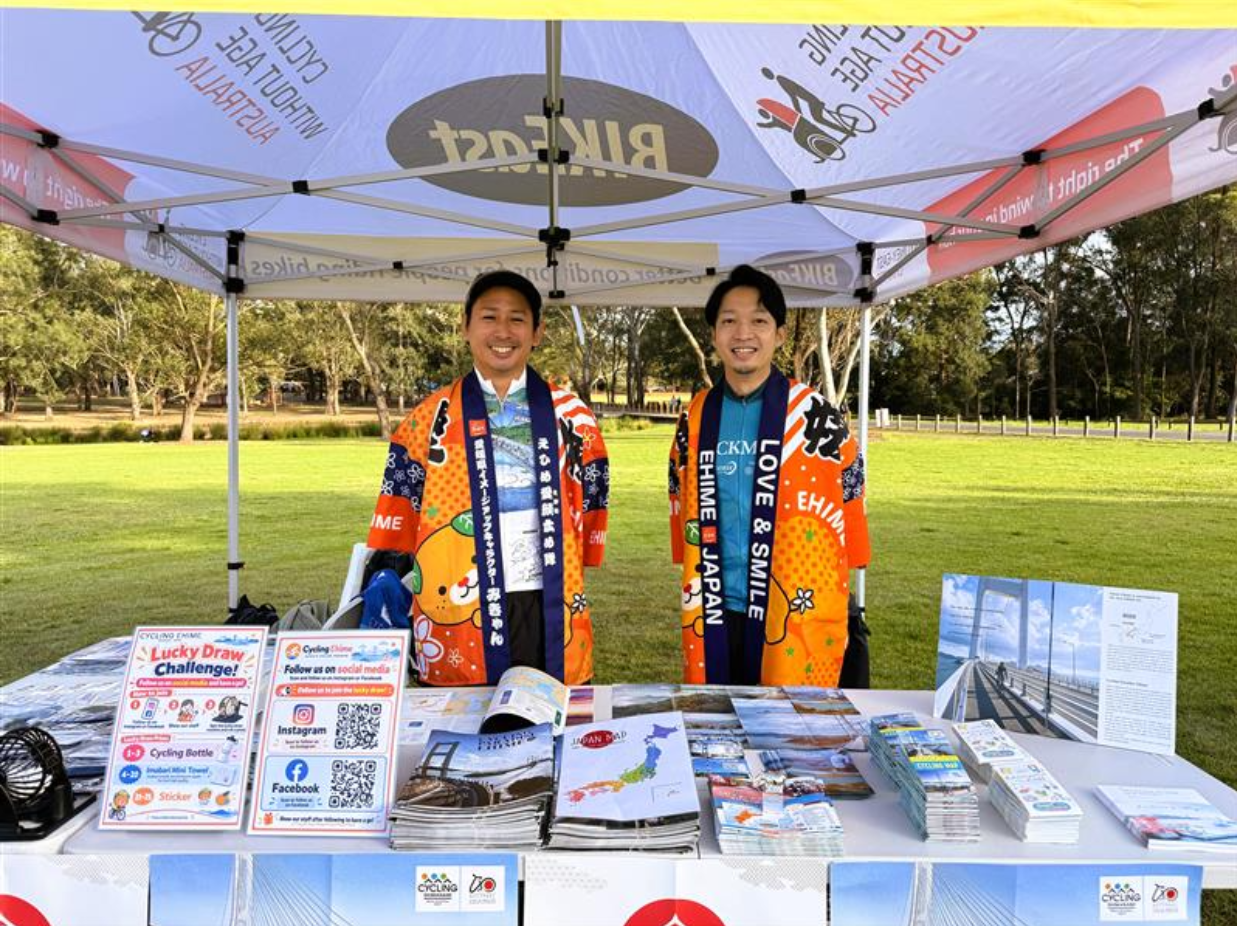
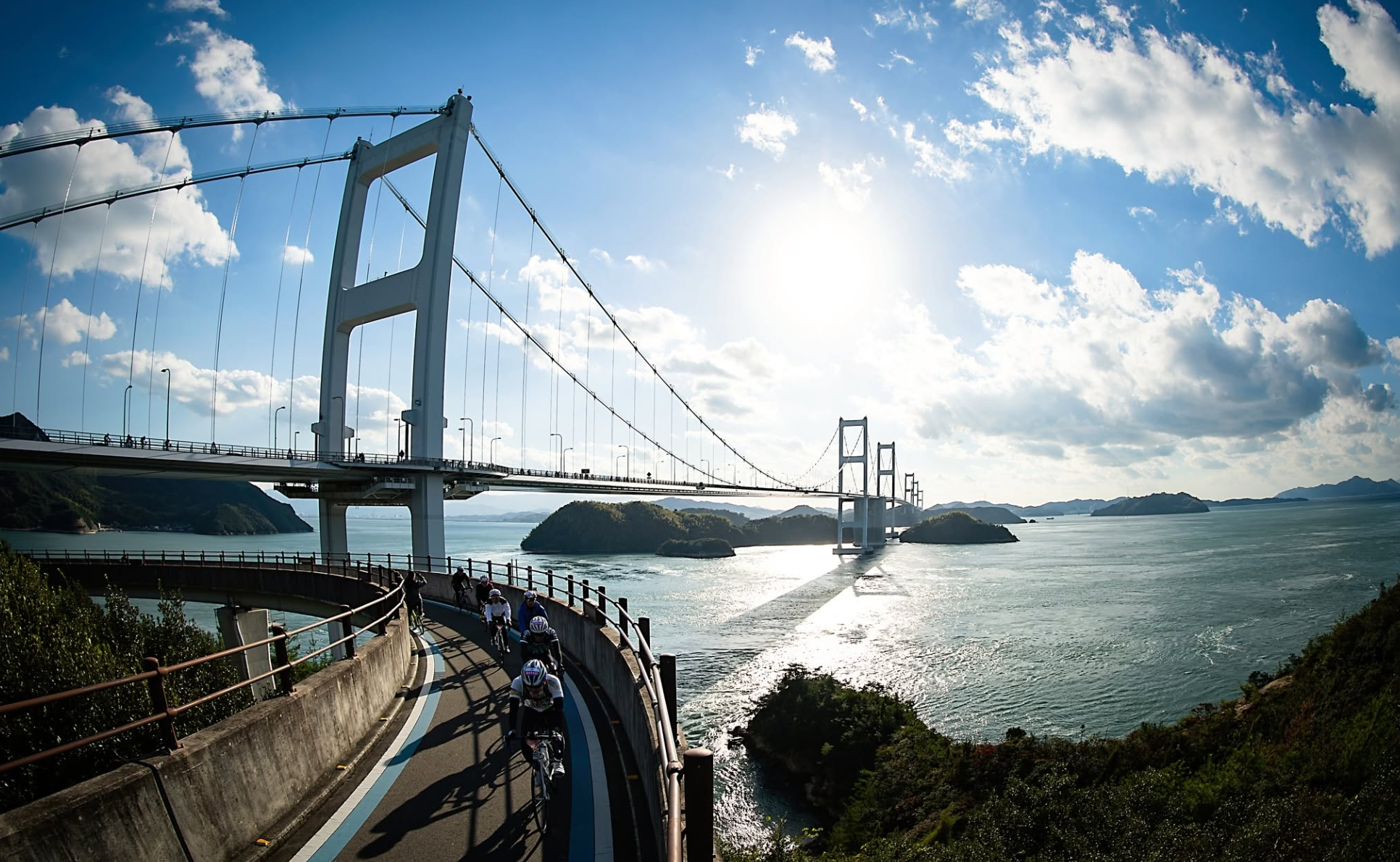
ブースでは、パンフレットやサイクリングマップを活用し、しまなみ海道をはじめとする愛媛県内のサイクリング環境や観光資源を紹介しました。また、サイクリングボトルや今治タオルなどが当たる抽選会も実施し、多くの方々にお立ち寄りいただきました。来場者の中には、10月25日(日)に愛媛県で開催される国際サイクリング大会「サイクリングしまなみ2026」への参加を予定している方もおり、そのうち1名は、昨年の「Spring Cycle 2025」で愛媛県ブースを訪れたことをきっかけに大会を知り、今回の参加を決めた、とのことでした。継続的な出展と情報発信の効果を実感する機会となりました。
クレアシドニー事務所では、今後もオーストラリア・ニュージーランドにおける日本の自治体の活動を支援し、日本各地の多彩な魅力を発信してまいります。
“English only”
The latest issue of our correspondence is released.
View this correspondence in PDF.
10月3日(土)、シドニーから車で約1時間半のブルーマウンテンズの町ローソンで「Blue Mountains Japanese Sakura Festival(ブルーマウンテンズ日本桜まつり)」が開催されました。
ブルーマウンテンズは、2000年にユネスコ世界自然遺産に登録された、ユーカリの森に覆われた雄大な渓谷や奇岩群で知られる人気の観光地です。
桜の名所としても知られるこの地で初めて行われた今回のイベントでは、たい焼きやお好み焼き、抹茶ドリンクなどの日本食の屋台が並んだほか、ステージでは剣道の演武やアイドルによるパフォーマンス、コスプレコンテストなどが行われ、多くの来場者で賑わいました。
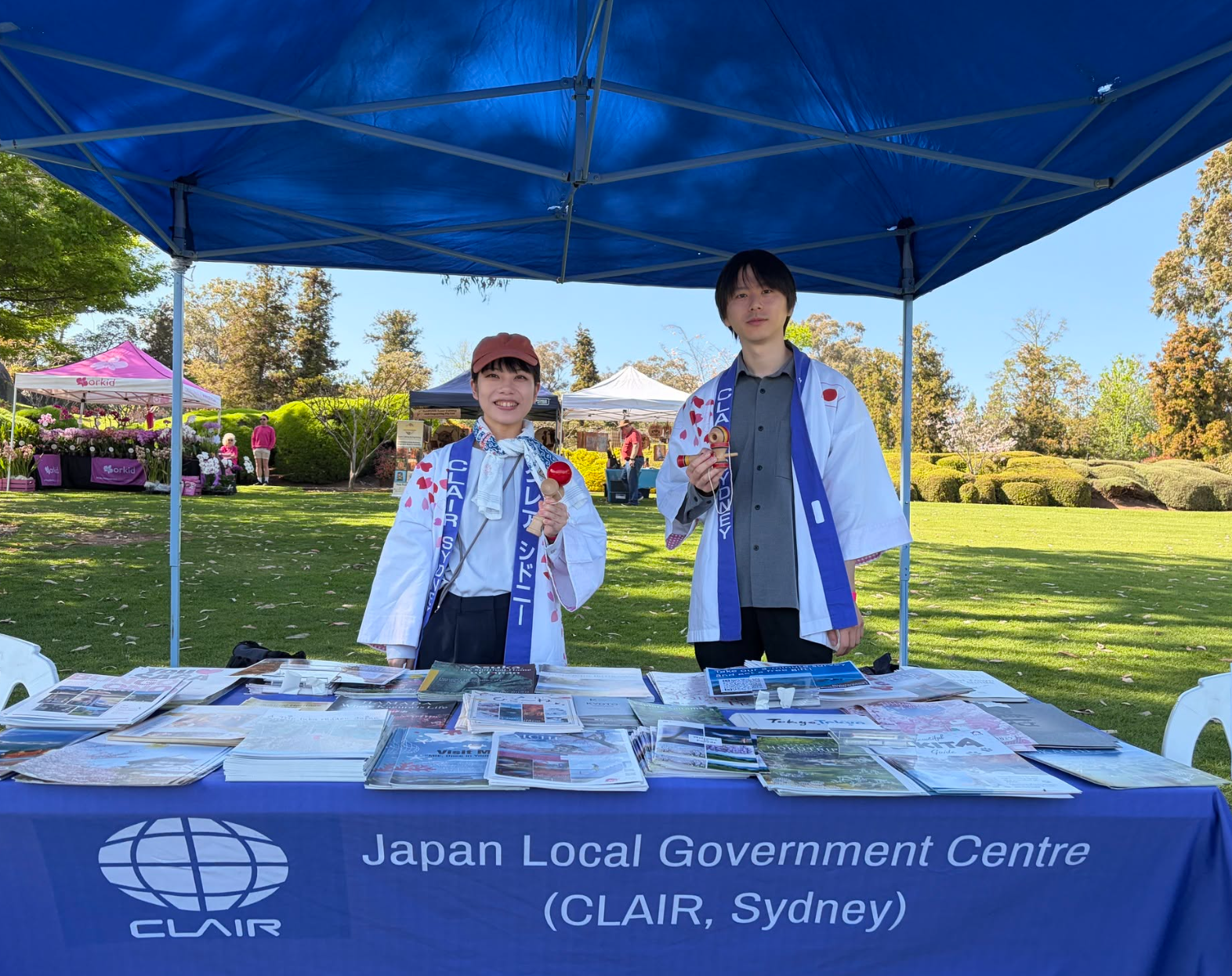
クレアシドニー事務所はブースを出展し、日本各地の観光資源や地域の魅力を紹介しました。来場者の中には、桜の開花が地域ごとに順に北上していく「桜前線」をご存じの方や、ご自宅に鳥居を建てたという方もおり、日本に関する知識の深さと関心の高さに驚かされました。
クレアシドニー事務所では、今後もオーストラリア・ニュージーランド各地で開催されるこうしたイベント等への出展を通じて、日本各地の多彩な魅力を発信してまいります。当事務所のブースを見かけた際は、ぜひお気軽にお立ち寄りください。
Located in Japan’s Tohoku region, Yamagata City is known for its rich cultural heritage, beautiful natural scenery, and distinctive seasonal attractions, including Zao Onsen and its famous Snow Monsters.
In recent years, the city has been strengthening its efforts to attract international visitors, including from Australia. The following contribution from Yamagata City introduces its recent participation in the Snow Travel Expos in Sydney and Melbourne, as well as the year-round appeal of Yamagata City and Zao Onsen.
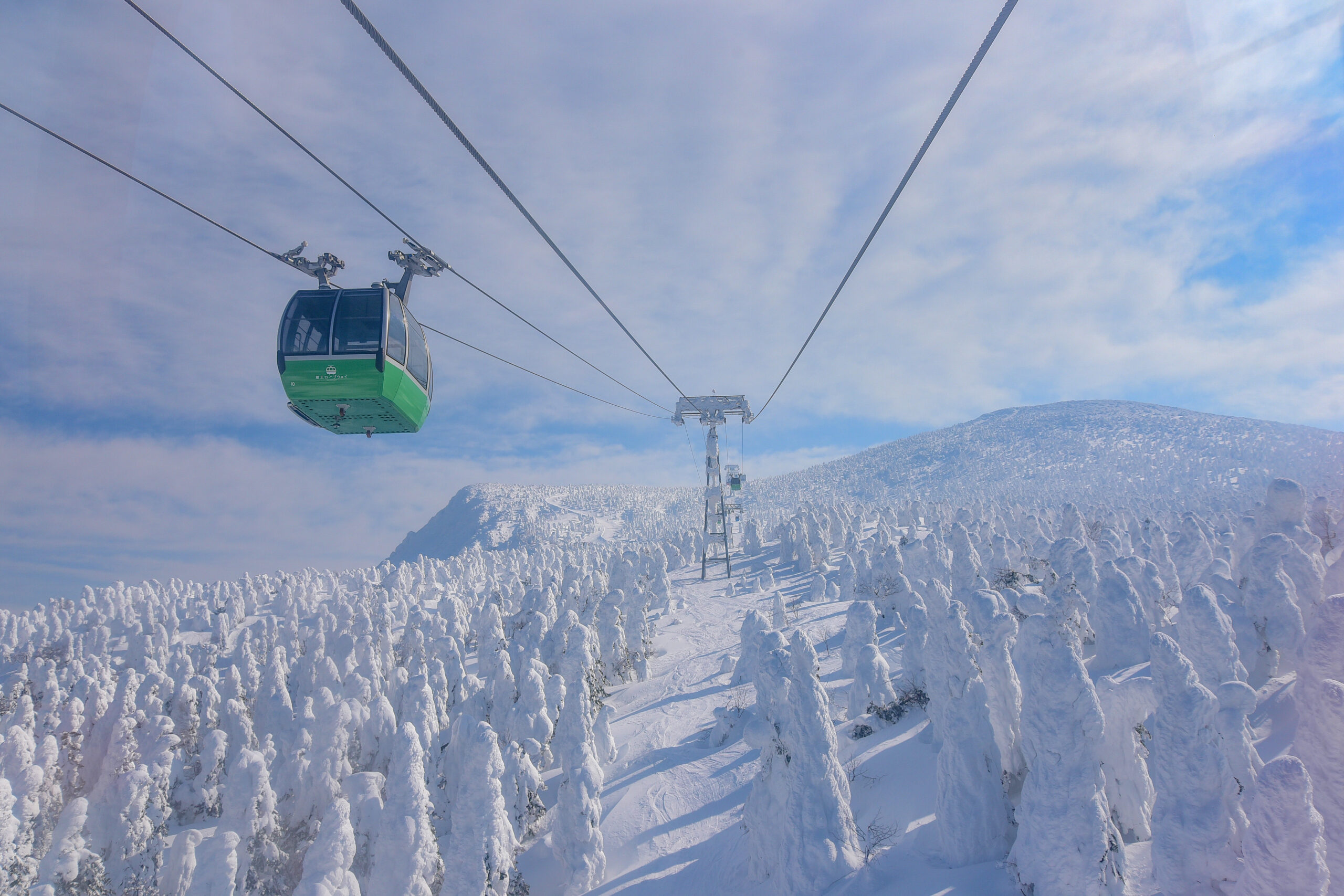
Yamagata City and its surrounding region, easily accessible via a two and half hours Shinkansen journey from Tokyo, offer a rich tapestry of culture and natural beauty, inviting tourists to an authentically Japanese experience. Nestled in northern Japan’s Tohoku region, Yamagata City has steadily attracted a growing number of visitors in recent years. Its unique appeal has also garnered significant attention from international media outlets. Notably, the prefecture was selected for National Geographic’s “Best of the World 2026” list, hailed as “Japan’s best-kept secret” for its captivating blend of “Age-old tradition and otherworldly outdoor experiences, without the crowds. This prestigious recognition further solidifies Yamagata City’s growing international reputation.
Yamagata City is actively enhancing its efforts to attract global tourists. We employ a diverse range of promotional strategies, including participation in international travel expos, dedicated business meetings with tourism agencies, strategic advertising campaigns, and engaging social media presence. For example, our official Instagram account (@explore_yamagata) consistently showcases the distinctive charm of Yamagata City throughout all four seasons to raise awareness of its appeal.
We are particularly focusing on key markets—such as Australia—given the strong interest travelers from these regions typically show in Yamagata City’s unique tourism resources. This strategic alignment was the precise reason for our participation in the recent Snow Travel Expos held in Sydney and Melbourne.
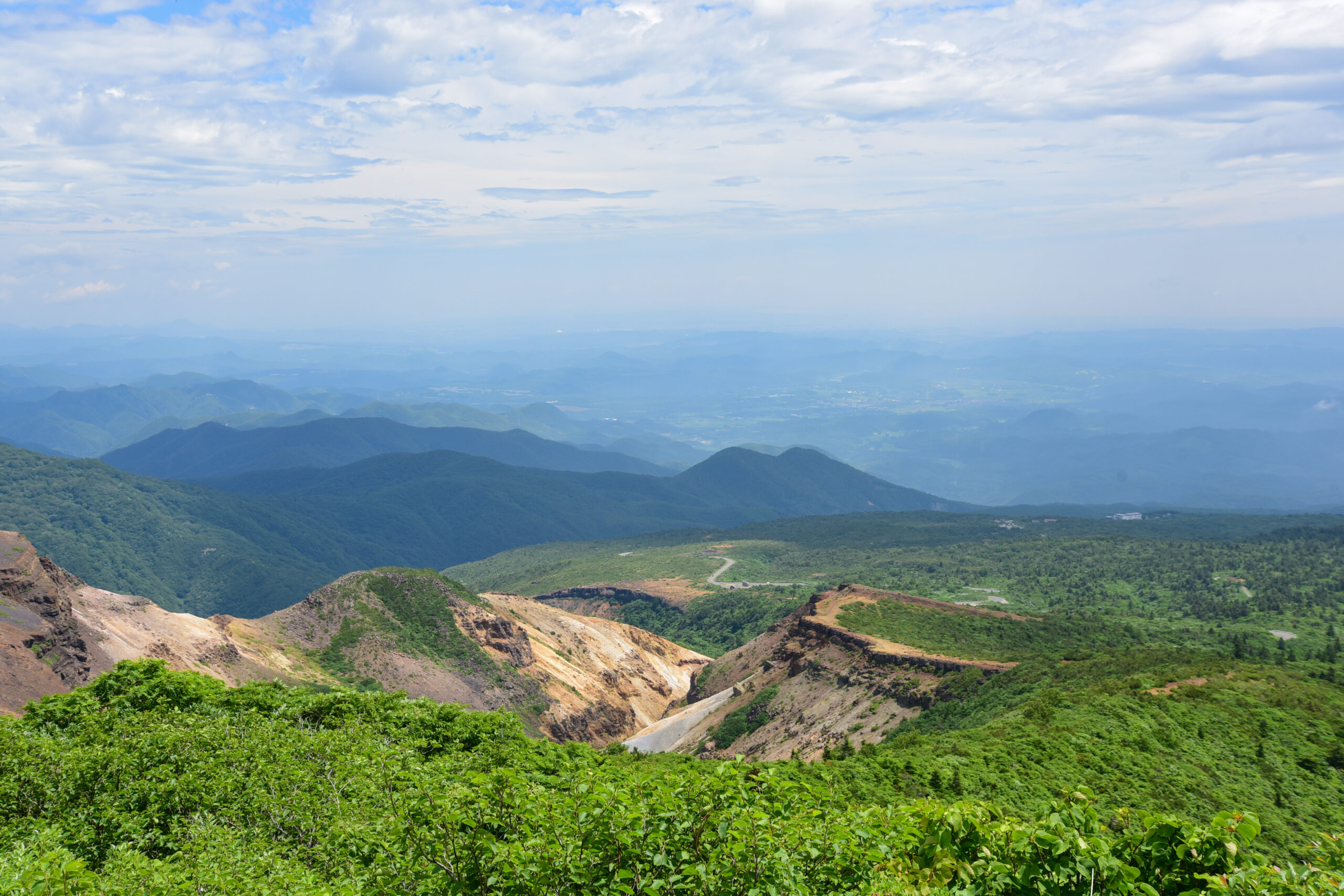
The Snow Travel Expo provided us with a valuable opportunity to directly interact with potential tourists deeply interested in winter travel to Japan. Throughout the event, we collaborated with the Zao Onsen Tourism Committee, and other tourism-related companies to set up our booth. We observed a trend among visitors seeking unseen, less-crowded ski resorts beyond famous destinations like Niseko and Hakuba. This perfectly aligns with Yamagata City’s unique appeal, which includes a vast ski resort boasting 14 slopes and 12 courses, exceptionally rare Snow Monsters, and an Onsen Street that evokes a nostalgic Japanese atmosphere.
At the expo, we effectively showcased our city at a booth, distributing brochures filled with the charm of Yamagata, which resulted in a rise in our Instagram followers. Furthermore, a stage presentation highlighted the winter appeal of Zao Onsen and featured the Hanagasa dance, successfully engaging numerous visitors. In a strategic move to attract global skiers and snowboarders, Zao Onsen Ski Resort has, as of last winter, integrated with the Ikon Pass, providing travelers with access to a multitude of international ski destinations
The expo reinforced that recognition of Yamagata City and Zao Onsen is growing steadily. Furthermore, our strengthened connections with tourism agencies and airlines are leading to the development of tour packages that feature Zao Onsen as a key destination.
As previously described, Zao Onsen Ski Resort is renowned for exceptional powder snow, an expansive area with 14 slopes and 12 courses, including a 10km long course, and extraordinary Snow Monsters.
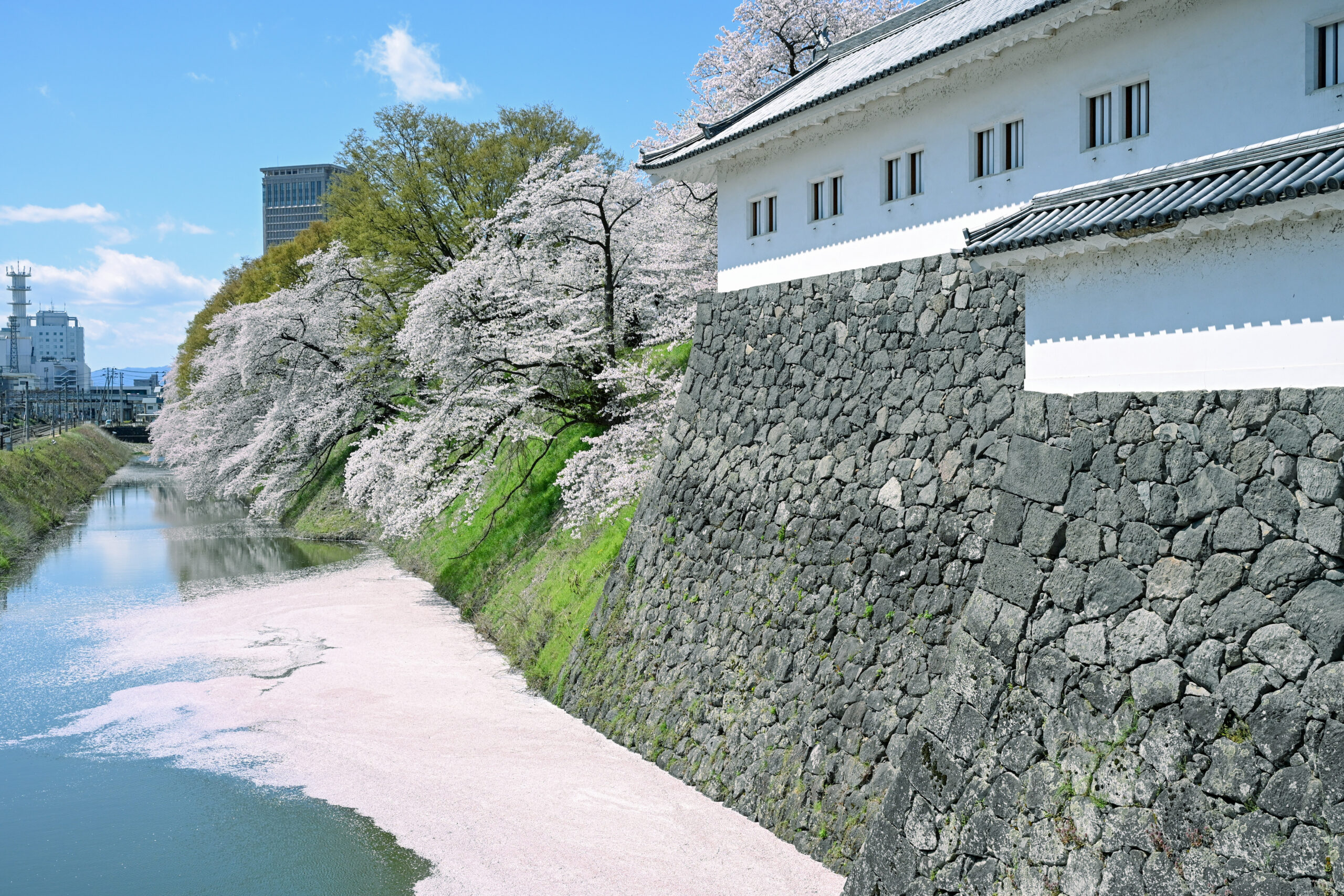
Yet Yamagata’s appeal extends far beyond winter. Spring brings immense blooms of cherry blossoms along rivers and around old castle ruins, which are sure to captivate visitors with delicate beauty. Summer offers cool refuge—thanks to its high altitude, temperatures run approximately 5℃ lower than the city center. Autumn transforms the landscape into a spectacular tapestry of vibrant yellows and reds.
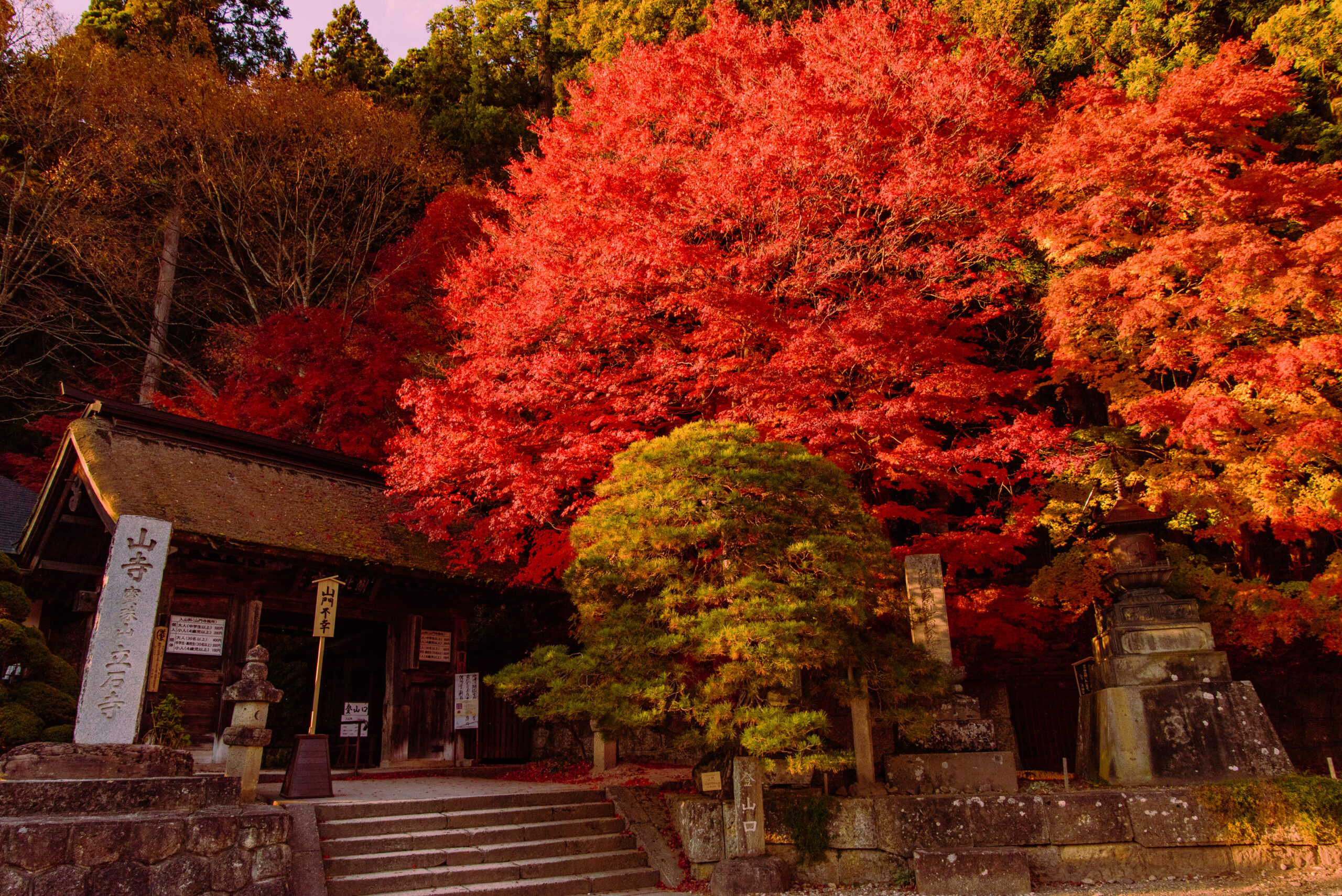
Indeed, it is this combination of natural splendor and meticulously preserved heritage that offers tourists various experiences throughout the year. We extend a warm invitation for your future visit to experience firsthand this unique land where magnificent nature and long-standing, community-rooted traditions are beautifully intertwined.
9月26日(土)、ニューサウスウェールズ州カウラにて「Sakura Matsuri(桜まつり)」が開催されました。
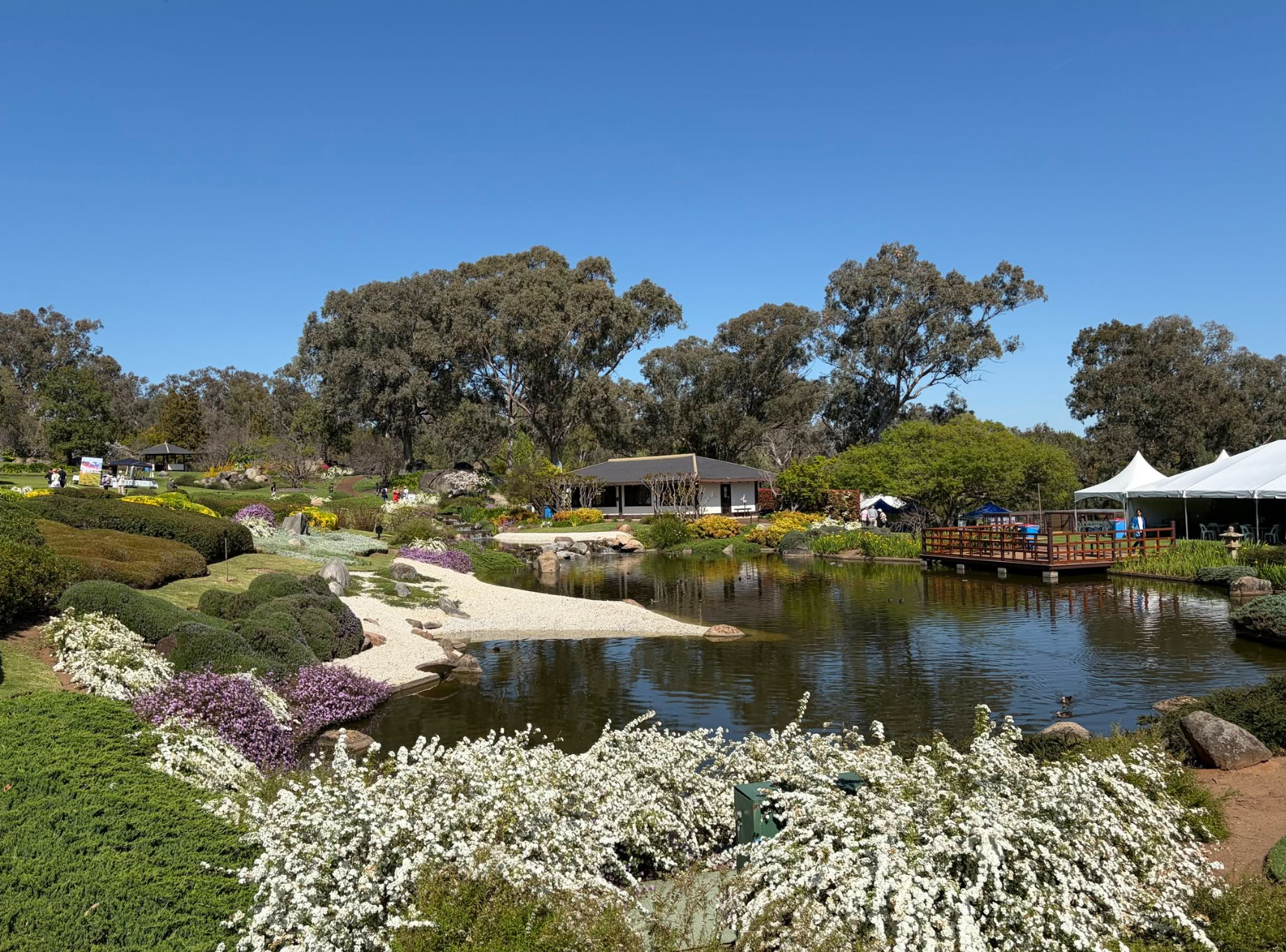
会場には、日本食の屋台をはじめ、着物の着付けや茶道、弓道など、日本文化を体験できるブースが並び、また、和太鼓や歌舞伎などのパフォーマンスが披露されるなど、終日にわたり多彩な催しが行われ、多くの来場者で賑わっていました。
クレアシドニー事務所は、ブースを出展し、日本各地の魅力をPRしました。桜まつりにちなみ、日本の桜の名所や見頃について多くの質問が寄せられたほか、興味のある日本の自治体の場所を日本地図で熱心に確認する来場者の姿も見られ、訪日を見据えた具体的な関心の高さが感じられました。
なお、カウラは、1944年に、第二次世界大戦における日本人捕虜による集団脱走事件(カウラ・ブレイクアウト)が発生し、231名の⽇本⼈捕虜と4名のオーストラリア衛兵が亡くなった地です。桜まつりの会場となったカウラ日本庭園は、こうした歴史を背景に築かれてきた日豪両国の和解と友好を象徴する場所となっています。
今回のイベントへの参加は、第二次世界大戦後、日豪の多くの関係者の方々のご尽力により築かれてきた日豪交流の歴史に思いを馳せる大切な機会となりました。
クレアシドニー事務所では、今後とも、このような機会を通じて、当地の皆様との交流を深め、日本とオーストラリア・ニュージーランドとの友好関係のさらなる発展に微力ながら貢献してまいります。

Recently, I had the privilege of attending a commemorative event in Nelson, New Zealand, celebrating the 50th anniversary of its sister-city relationship with Miyazu City in Kyoto Prefecture. Reflecting on half a century of exchanges between the two cities and seeing the strong bonds their communities have built together, I was reminded of the significance of sister-city relationships and local government exchanges.
In recent years, local government international exchange initiatives have often been expected to deliver tangible economic benefits, such as increased tourism and export growth. While these are undoubtedly important outcomes, the commemorative event reinforced my view that the true foundation of local government exchange is, after all, the connections between people.
The relationship between Nelson and Miyazu has been sustained not only through ties between their local governments, but also through student exchanges, homestay programs, and the efforts of countless community members. Through these ongoing exchanges, mutual understanding and trust have been fostered over time, enabling the relationship between the two cities to flourish for more than 50 years.
Today, advances in digital technologies, including artificial intelligence (AI), have significantly reduced language barriers and the challenges posed by geographical distance, making communication across countries and regions easier than ever before. By using these technologies, we can connect with countries, regions, and people with whom we previously had little or no contact, better understand one another, and work more closely together.
At the same time, while AI and digital technologies are powerful tools for expanding the possibilities of exchange, I believe that no matter how much technology advances, the driving force behind maintaining and developing relationships between local governments will always be the human connections that underpin them. The trust built through meeting face-to-face, experiencing one another’s cultures and values, and developing friendships cannot be cultivated overnight, nor can it be replaced by technology.
Looking beyond our own communities, we can see growing signs of division and confrontation within the international community, driven in part by the spread of increasingly inward-looking, nation-first approaches. These tensions can leave us feeling uncertain about the future of the world. In times like these, I believe that genuine efforts to understand one another and build trust across national and regional boundaries, together with opportunities for people to connect with one another face to face, become all the more important.
The 50-year history of exchanges between Nelson and Miyazu served as a valuable reminder that people are at the heart of local government exchange. As local governments continue their international engagement, I hope they will cherish these people-to-people connections while embracing new technologies, to foster even richer and more meaningful exchanges in the years ahead.
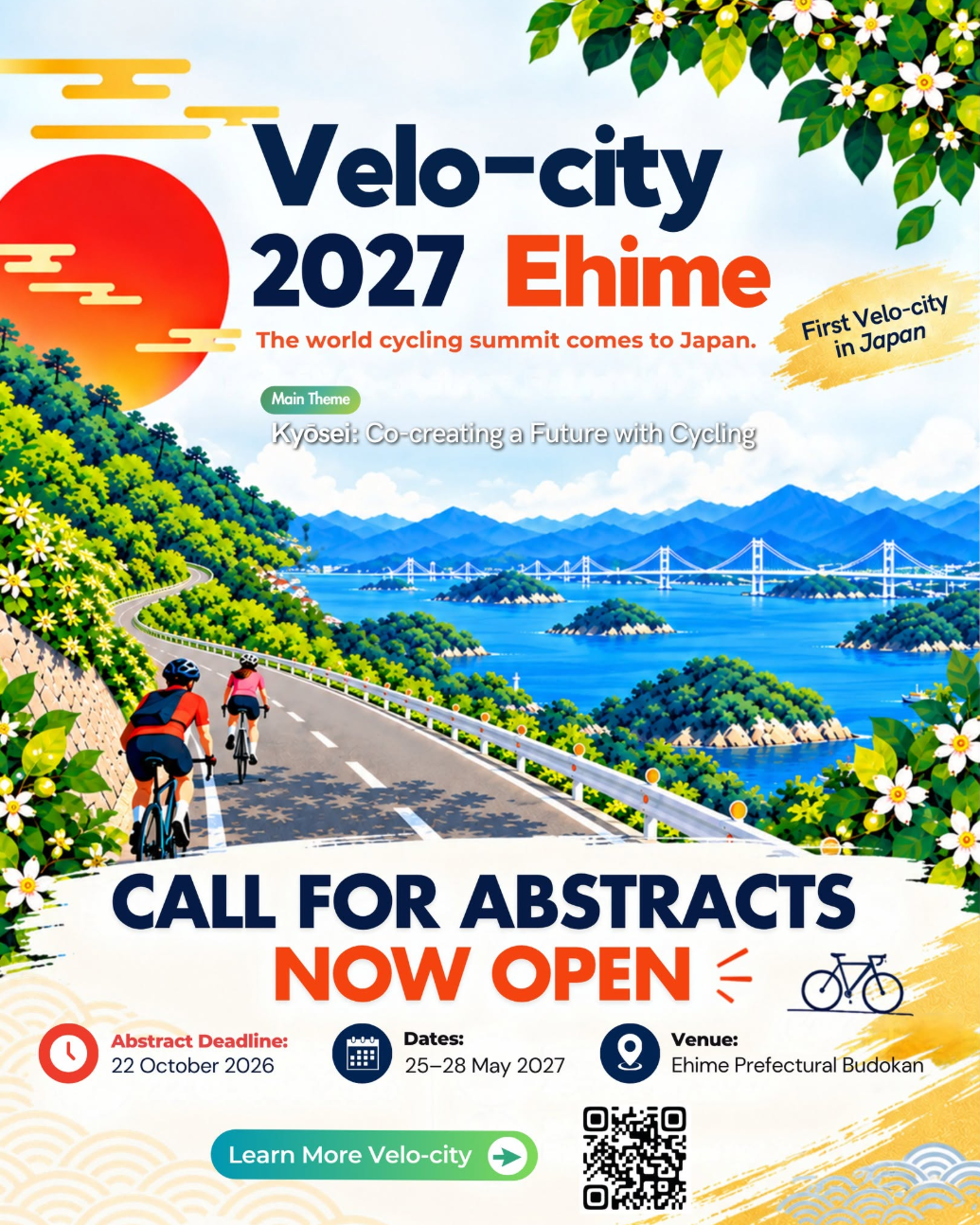
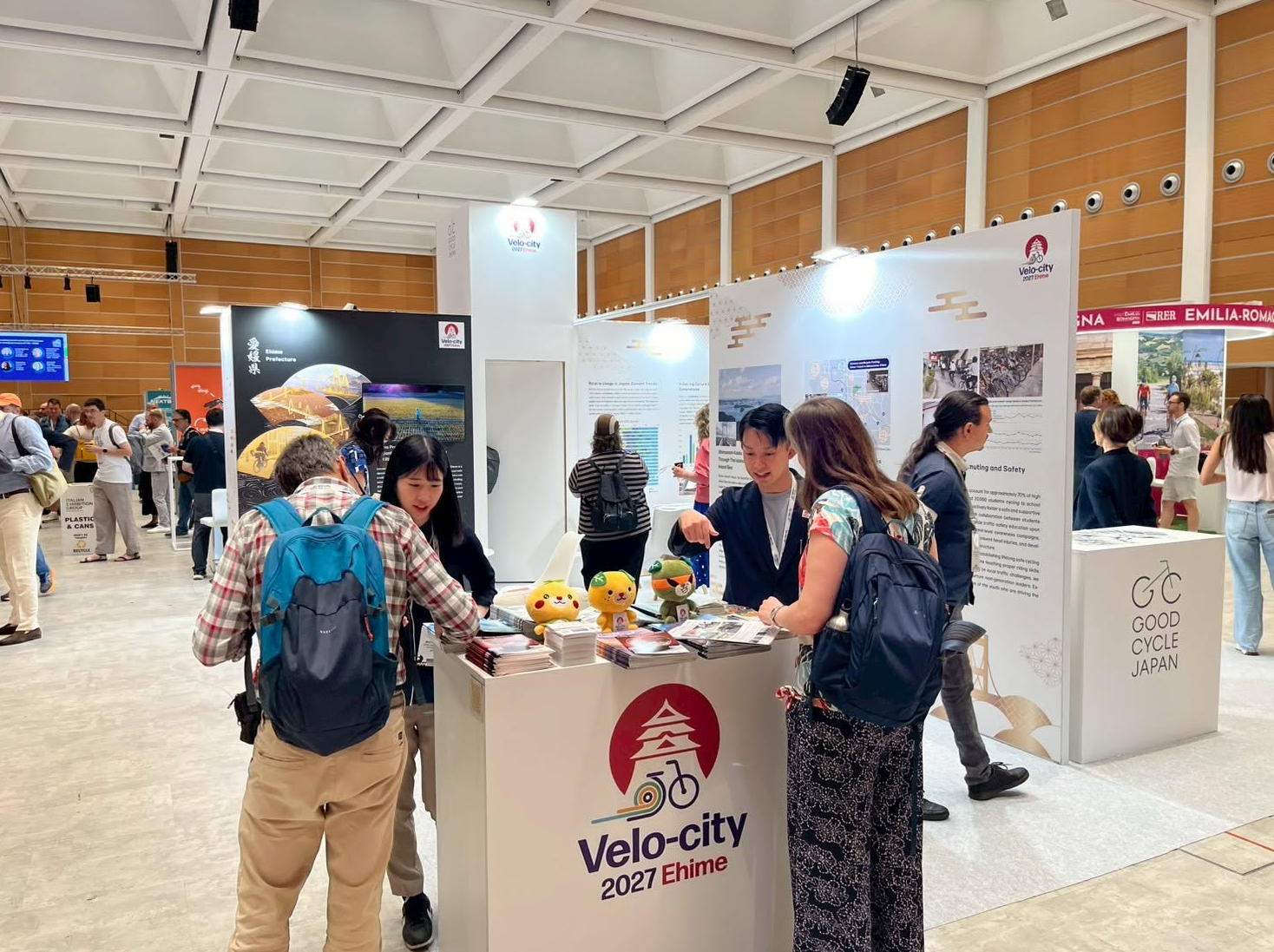
Velo-cityは、自転車に関わる政策立案者や研究者、有識者約1,000〜1,500人が世界中から集まる国際的な自転車会議です。
都市計画や安全な自転車利用、社会課題など幅広いテーマを扱い、産業展示会や自転車パレードなどのイベントも開催されます。
最新の知見共有とネットワーク構築を通じて、自転車の利活用促進を目指す貴重な場です。
※主催はベルギー・ブリュッセルに本部を置き、40か国以上70超の加盟組織を持つ欧州サイクリスト連盟(ECF)。1983年の創設以来、自転車分野で世界をリードする非営利団体です。
そして、現在Velo-city 2027愛媛のアブストラクトを募集しています!
観光、都市開発、持続可能な交通、または関連分野で自転車の取り組みを進めている皆さま、ぜひこの機会に世界の舞台であなたの活動を発表してください。プレゼンテーションやパネルディスカッションなど多彩な形式でプロジェクトを共有し、同じ課題に取り組む世界中の実践者とつながることができます。
重要情報:
メインテーマ:Kyōsei: Co-creating a Future with Cycling
アブストラクト提出締切:10月22日
・発表者には参加チケット割引があります
・アブストラクトは英語でご提出ください(選考あり)
・詳しくは下記ウェブサイトをご確認いただき、是非ご応募ください!
最新情報は欧州サイクリスト連盟(ECF)公式ニュースレターで配信中。ぜひご登録を!





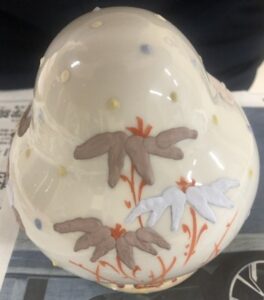 The piece before firing
 The piece after being kiln-fired