A Nation Today and Tomorrow: Insights from the Census

Like Australia and New Zealand, Japan conducts a national census once every five years. The most recent census was carried out in October 2025, and the results relating to population, age structure, nationality, and other key demographic indicators were released at the end of September 2026.

In this article, I would like to provide an overview of the results and explore the differences between Japan’s census and those conducted in Australia and New Zealand.

Overview of Japan’s 2025 Census Results

1) Continued Population Decline and Greater Concentration in Tokyo

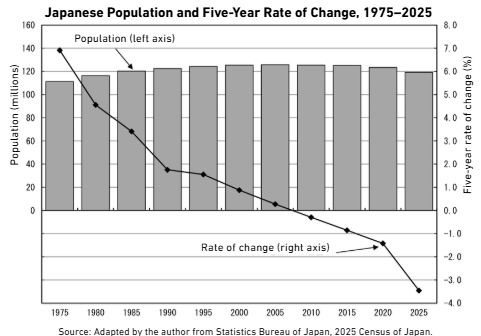
As of 1 October 2025, Japan’s total population stood at approximately 122.97 million, marking the third consecutive census to record a population decline, following those in 2015 and 2020.

Looking across Japan’s 47 prefectures (regional administrative divisions comparable to states or provinces), Tokyo was the only one to record population growth, while the remaining 46 experienced a decline.
Tokyo, the country’s most populous prefecture, had approximately 14.24 million residents, accounting for 11.6% of Japan’s total population. The Greater Tokyo Area, consisting of Tokyo and the neighbouring prefectures of Kanagawa, Saitama and Chiba, was home to 30.1% of the nation’s population, reflecting the concentration of people in and around the capital.


2) Japan’s Population Continues to Age as Births Decline

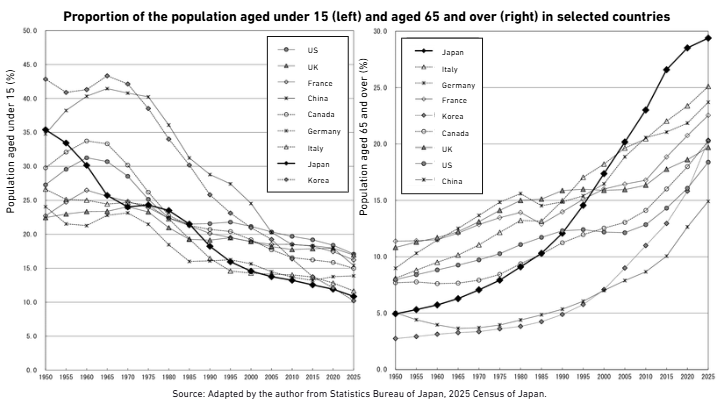
In terms of the population’s age structure, the proportion of people aged 65 and over increased from 28.5% in 2020 to 29.4% in 2025. In contrast, the proportion of children under the age of 15 declined from 11.9% to 10.9% over the same period.

Compared with the other G7 countries as well as China and South Korea, Japan had the highest proportion of people aged 65 and over. It also recorded the second-lowest proportion of children under 15, after South Korea (10.2%). These figures once again reaffirm that Japan’s ageing population and low birth rates are particularly pronounced compared with those of other countries.
3) Record-High Foreign Resident Population

Looking at Japan’s population by nationality, Japanese citizens accounted for 96.9% of the total population, while foreign residents made up the remaining 3.1%.

Although the proportion of foreign residents remained low compared with Australia and New Zealand, their number reached a record high of approximately 3.84 million in the 2025 census, an increase of around 1.09 million from 2020.

This represented an average annual growth rate of 6.93%. These findings suggest that foreign residents are becoming an increasingly significant part of Japan’s population as the country’s overall population continues to decline.


4) Summary

Unlike Australia and New Zealand, where populations continue to grow, Japan entered a period of population decline after peaking in 2008.

As one of the first countries to experience population decline, low birth rates and an ageing population on a significant scale, Japan must address a growing number of challenges that other countries may encounter in the future. These include a shrinking workforce, rising social security costs, staff shortages in healthcare and aged-care, and difficulties maintaining public transport and essential services in regional areas.


What Census Questions Reveal About a Nation’s Priorities

The census questionnaires used in Japan, Australia and New Zealand share many similarities. All three countries collect information on name, age, sex at birth (or simply sex in Japan), household composition, marital status, current and previous places of residence, employment status, occupation and workplace location. Together, these questions provide insight into the composition of each country’s population, migration patterns and labour market characteristics.

At the same time, there are notable differences. In Australia and New Zealand, census questionnaires include questions about country of birth, religion, languages spoken at home, gender identity and sexual orientation. Australia also collects information on parents’ countries of birth, ancestry and English-language proficiency, while New Zealand gathers information on ethnicity. These topics are not covered by Japan’s census.

These differences highlight a distinct emphasis in each country’s census approach. While Japan’s census primarily seeks to understand population structure and patterns of residence and employment, including who people are, where they live, how they move and how they work, the censuses conducted in Australia and New Zealand also place emphasis on capturing the cultural, linguistic and ethnic diversity of their populations.


The Census: Reflecting the Society of Today and Tomorrow

A census is more than a statistical exercise for counting people. By capturing information on population change, age structure, place of residence and cultural background, it serves as a mirror reflecting broader social change.

Although each country conducts a census, what it asks and the information it collects vary according to their respective priorities and policy needs. By comparing not only census results but also the questions that are asked, we can gain insights into each country’s current circumstances as well as the kind of society it seeks to build and the challenges it considers most important for the future.
Posted in From the Executive Director

Uncategorised

  •  Located in southwestern Yamaguchi Prefecture at the western end of Honshu, Japan’s main island, Ube City is known for its greenery, flowers, and sculptures, and for the harmony between its rich natural environment and vibrant art scene. Ube, which actively promotes international exchange, first began developing ties with Newcastle, New South Wales, in the 1970s after local companies started importing coal from Australia. This connection led to the establishment of a sister-city partnership on 21 November, 1980.

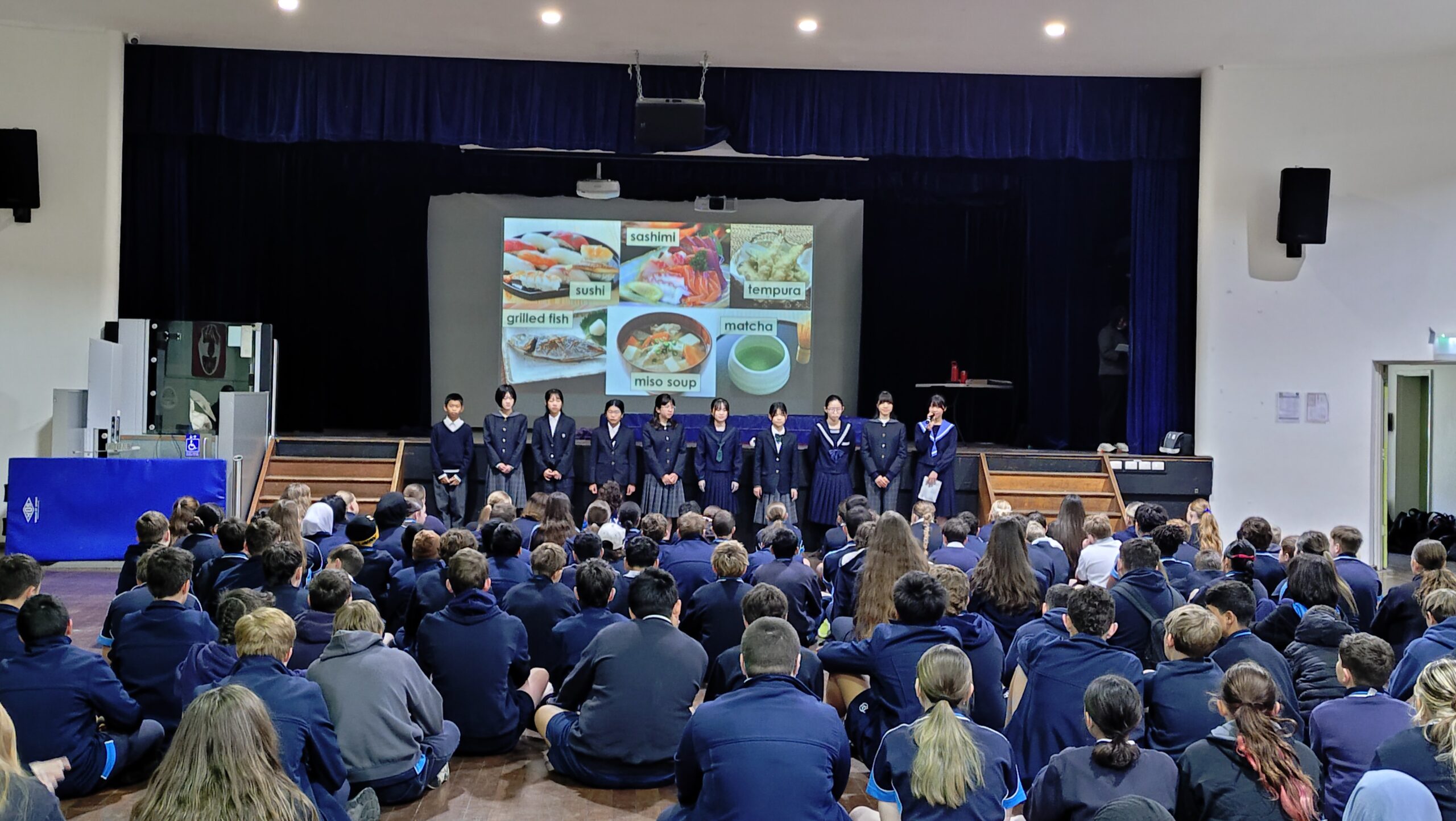
    Since then, the two cities have continued to strengthen their relationship through exchanges in a wide range of fields, including education, culture, and sport. Youth exchange has been a particular focus, and to date, a total of 367 secondary school students from Ube have visited Newcastle through the program. These experiences have provided the participating students with valuable opportunities to broaden their horizons and take their first steps into the wider world.


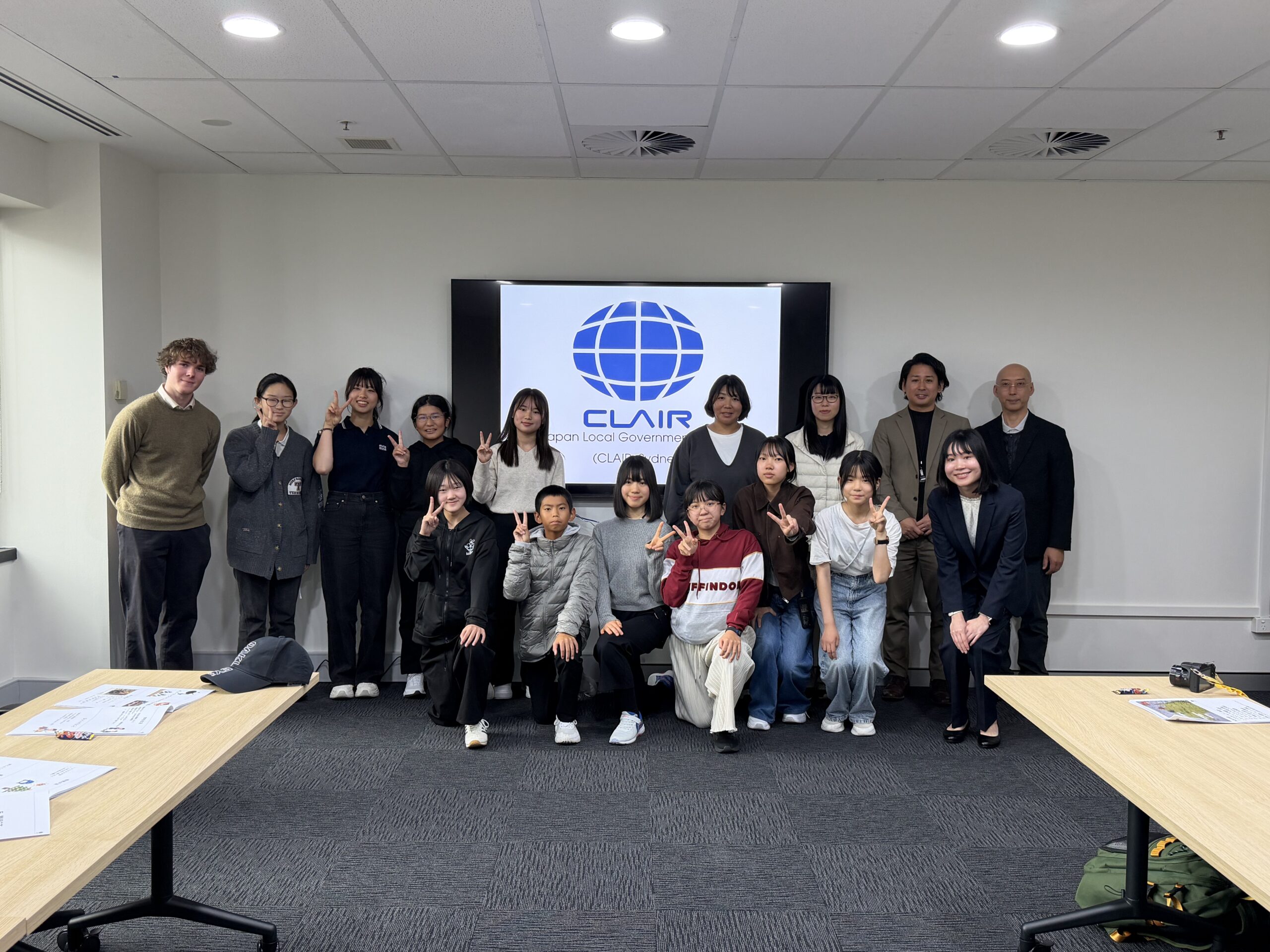
    Each year, participating lower secondary school students visit the Sydney Office of the Council of Local Authorities for International Relations (CLAIR) on the day they arrive in Australia. There, they receive briefings on Australian culture and global career opportunities, making the visit a valuable experience as they begin to consider their future study and career paths.

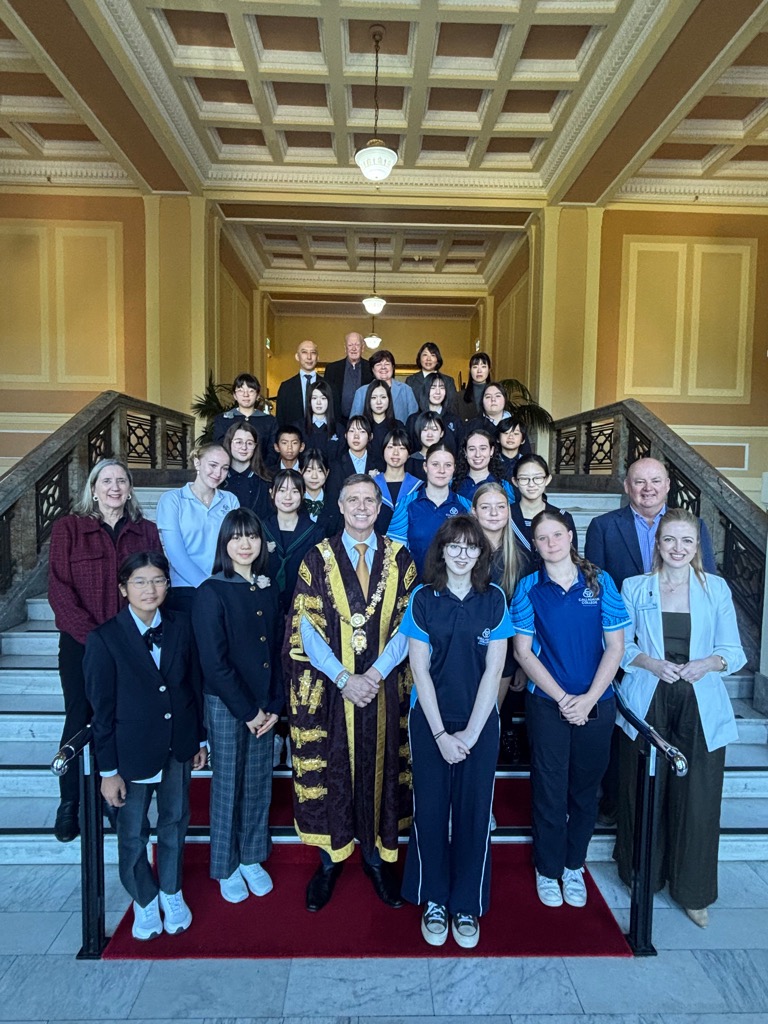
    When students begin their homestays in Newcastle, they initially tend to rely on gestures and struggle to communicate using their limited English vocabulary. However, as they share meals, laughter, and everyday experiences with their welcoming host families, they soon overcome the language barrier and come to feel like genuine members of the family. Attending local high schools, paying courtesy visits to the Lord Mayor of Newcastle, and enjoying Japanese cultural activities such as kendama (a traditional cup and ball toy), bozu-mekuri (a traditional card game), and origami with members of the Newcastle community, students help bring the people of the two cities even closer together.

    Students return home saying, “I realised that when you open your heart, people can truly connect with one another,” and “In the future, I want to pursue a career that allows me to work on the global stage.” The newfound confidence on the students’ faces as they arrive back at the Yamaguchi Ube Airport speaks to just how profoundly their experiences in their sister city have transformed their outlook on life.

    The history woven together by Ube and Newcastle continues to be carried forward by the bright smiles, curiosity, and spirit of adventure of these young people. Looking ahead to the 50th anniversary of their sister-city partnership in 2030, Ube remains committed to further strengthening and deepening this valuable relationship.

    The following section introduces some of the events helping to revitalise the local community in Ube City.

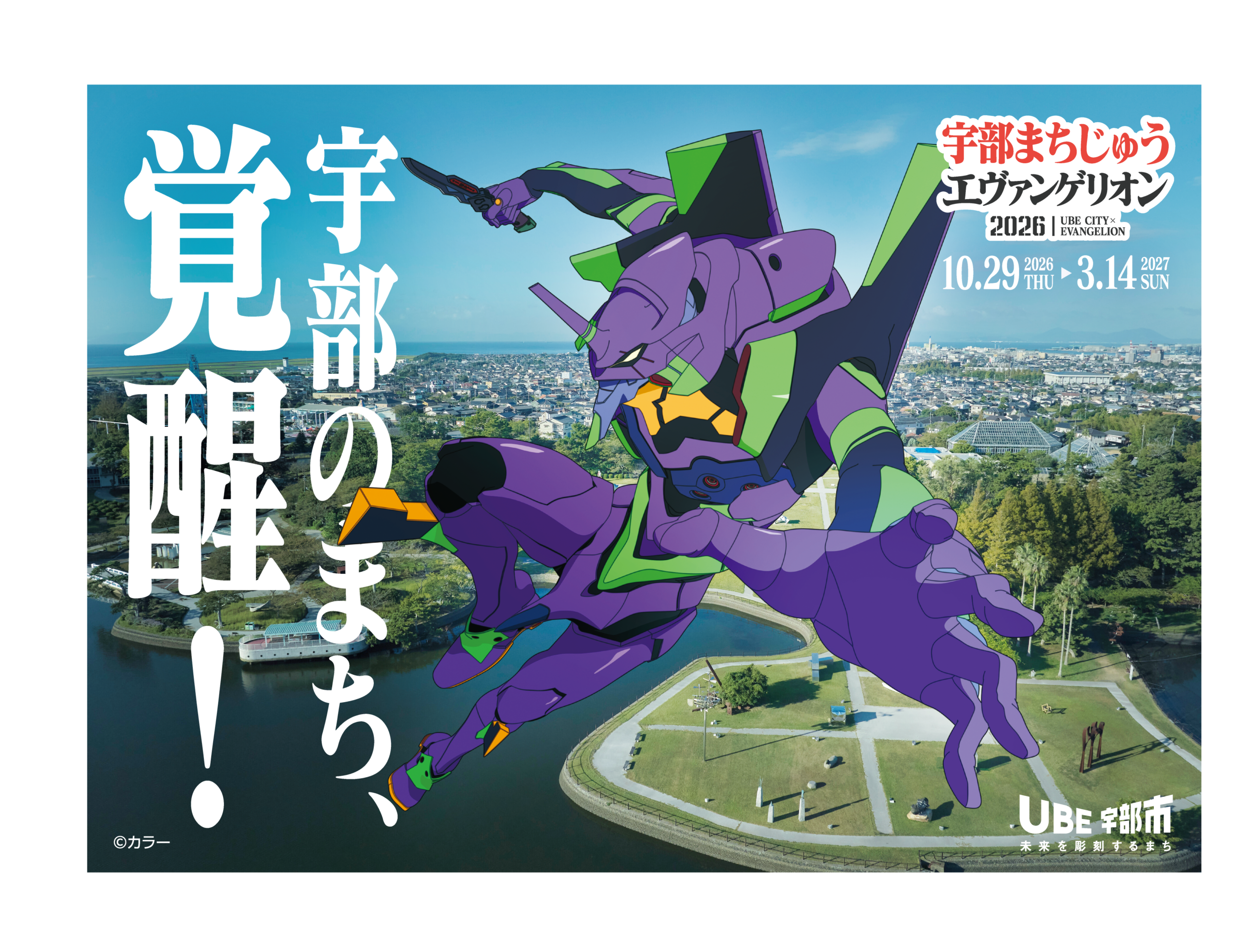
    Ube City is the birthplace of Hideaki Anno, Chief Director of the “EVANGELION” Series. The citywide revitalization event Machijuu EVANGELION (“EVANGELION All Over Ube City”) was launched after JR Ube-Shinkawa Station served as a model for one of the locations featured in the series.

    From its first edition in 2021 through its fifth in 2025, Machijuu EVANGELION has been warmly received by a wide range of visitors. As part of the event, two sculptures unique to Ube City have been unveiled: the “Spear of Longinus” sculpture and the “EVA’s Hand” sculpture.

    This year, Ube Machijuu EVANGELION 2026 will be held under the theme “Ube Awakens!”

    Visitors can look forward to a wide range of experiences unique to Machijuu EVANGELION, bringing together the world of EVANGELION and the distinctive appeal of Ube City.

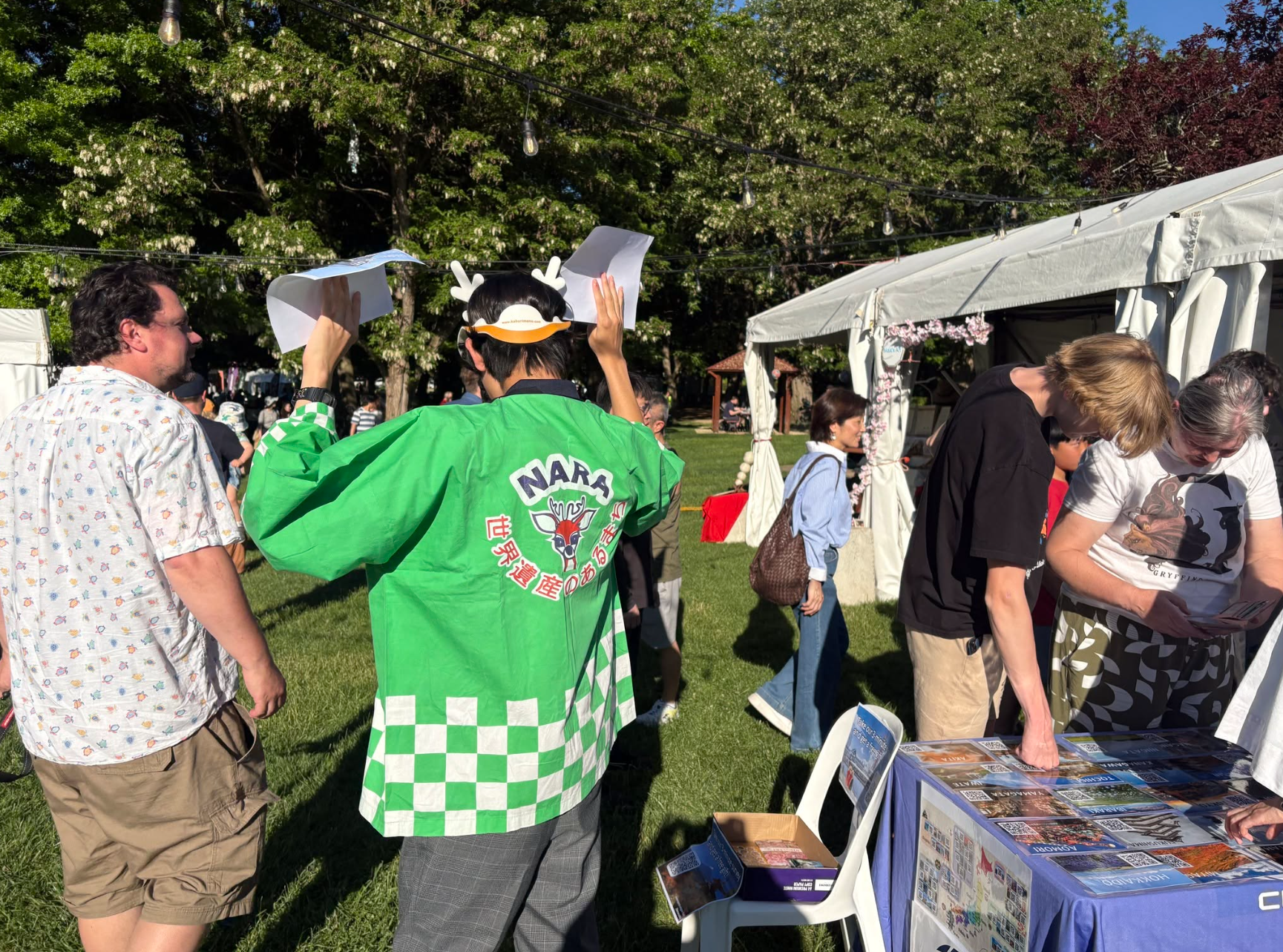
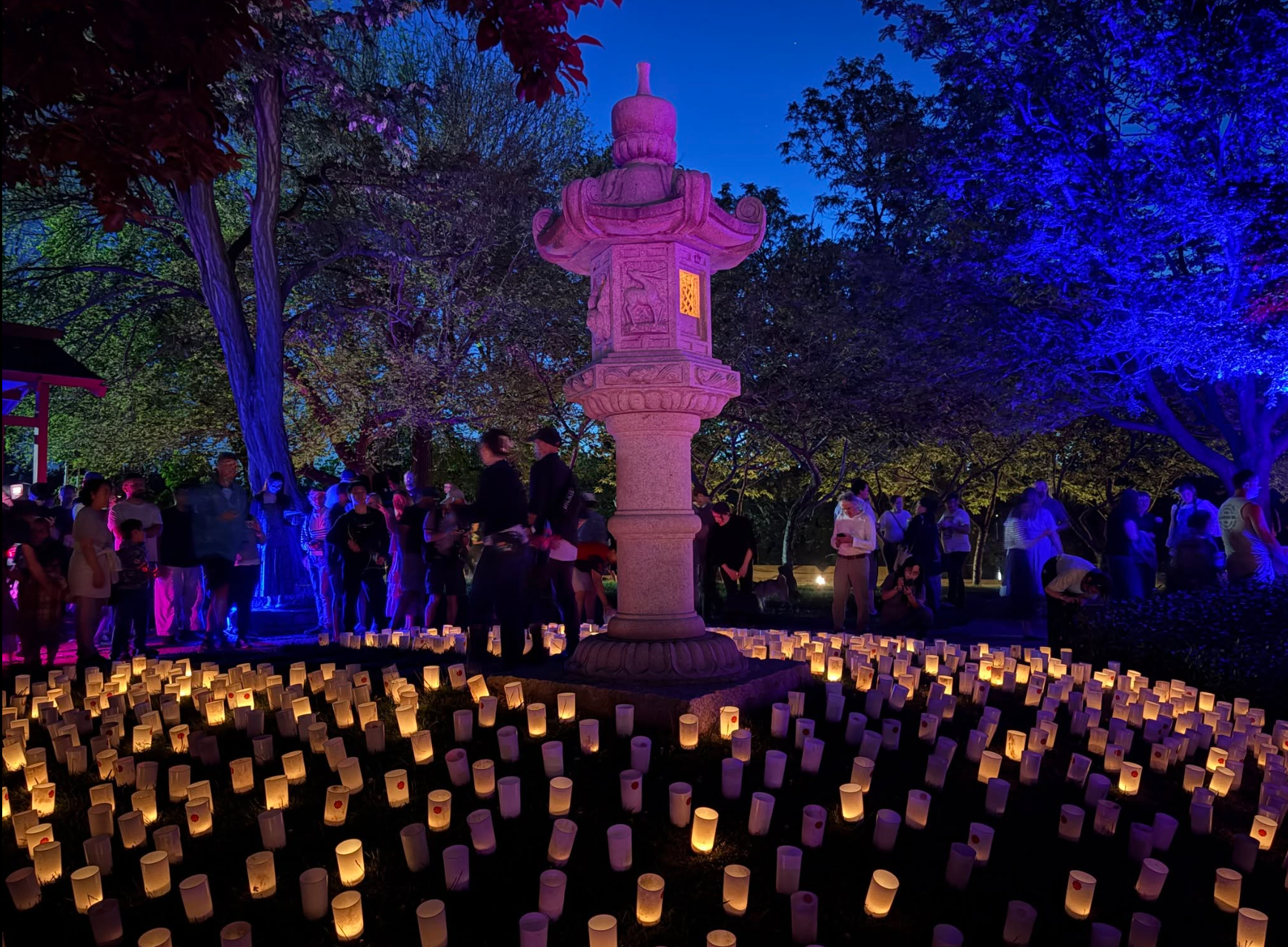
  •  On Saturday, 24 October, the Canberra Nara Candle Festival was held in Canberra, the capital of Australia. The festival has been held since 2003 to celebrate the sister city relationship between Canberra and Nara City. In the evening, approximately 2,000 candles were lit to symbolise the friendship between the two cities, creating a magical sight for visitors to enjoy.
     
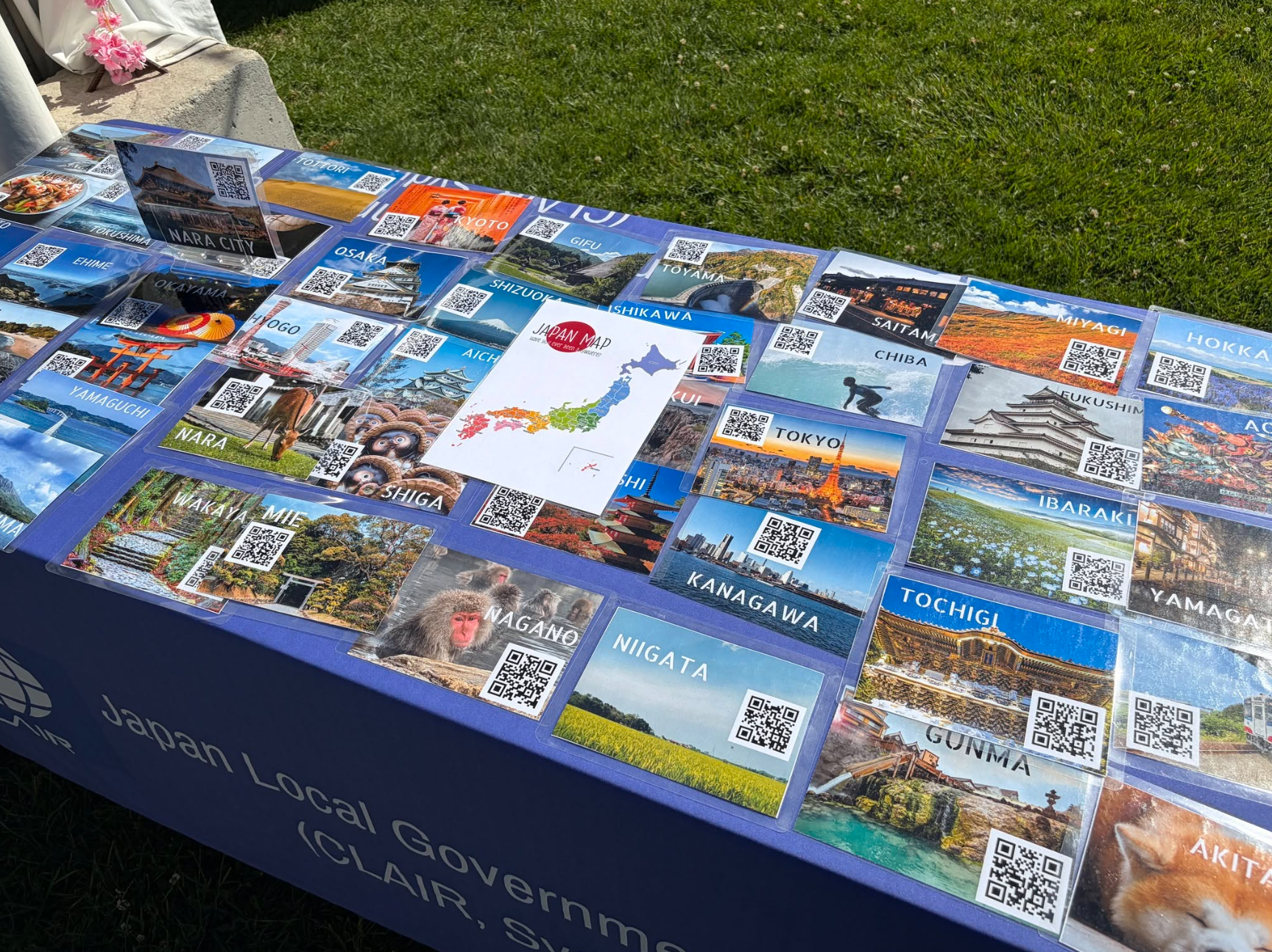
    CLAIR Sydney exhibited at the event, showcasing the diverse attractions of regions across Japan. We also supported students from Nara University High School, who took part in the festival as part of their sister city exchange program and promoted Nara City to visitors.
    This year marks the 50th anniversary of the signing of the Basic Treaty of Friendship and Cooperation between Japan and Australia, also known as the Nara Treaty. Through conversations with visitors, who shared their memories of travelling to Japan, we were reminded of the strong affinity that people in Australia have for Japan.


    We were also particularly impressed by the Nara students’ enthusiasm in actively communicating with visitors in English. It was a wonderful opportunity to see the younger generation actively engaging in international exchange and helping to carry the friendship between the two cities into the future.
     
    CLAIR Sydney will continue to promote the diverse appeal of Japan’s regions through participation in events like these, while supporting the activities of Japanese local governments in Australia and New Zealand.


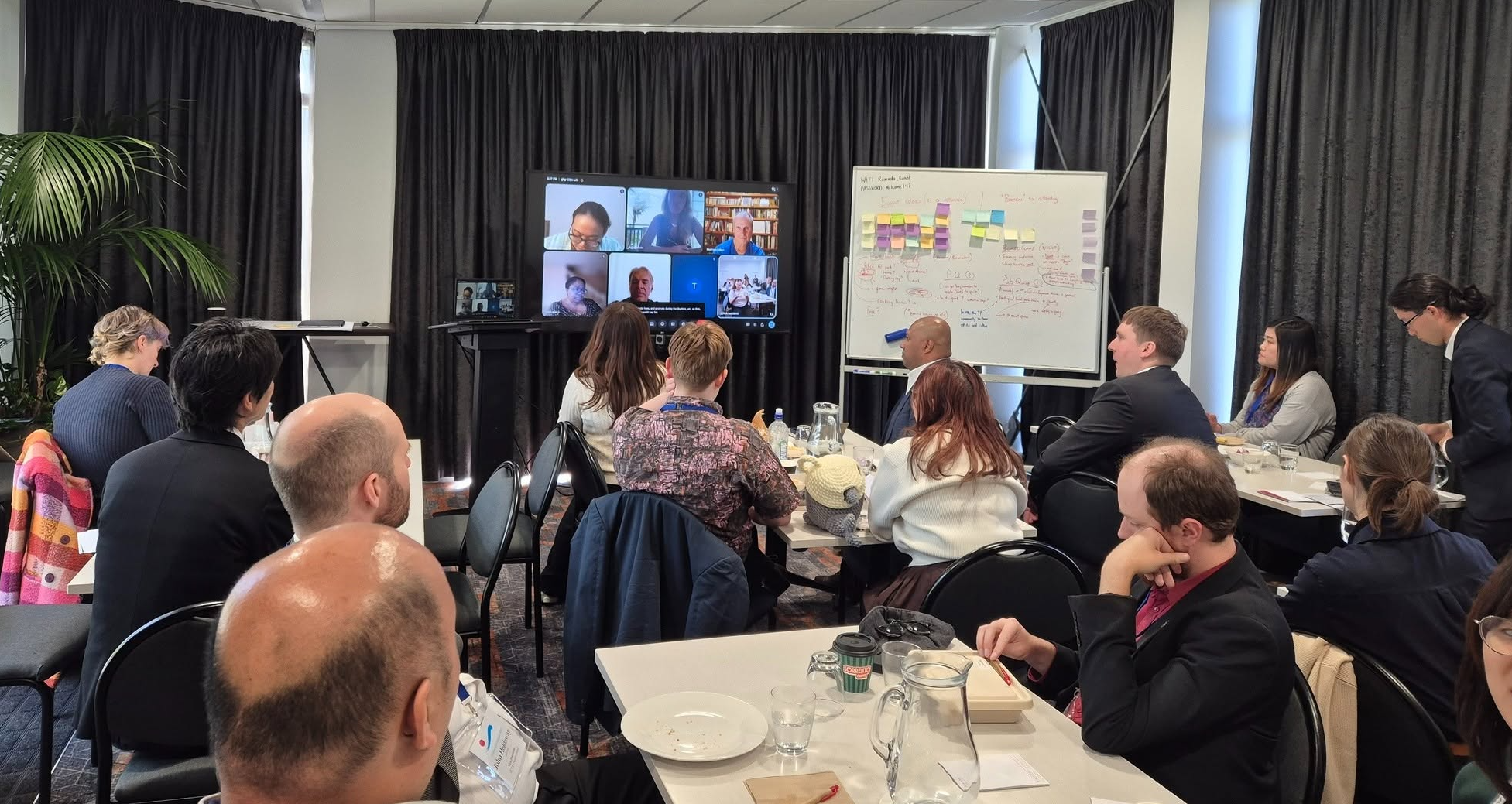
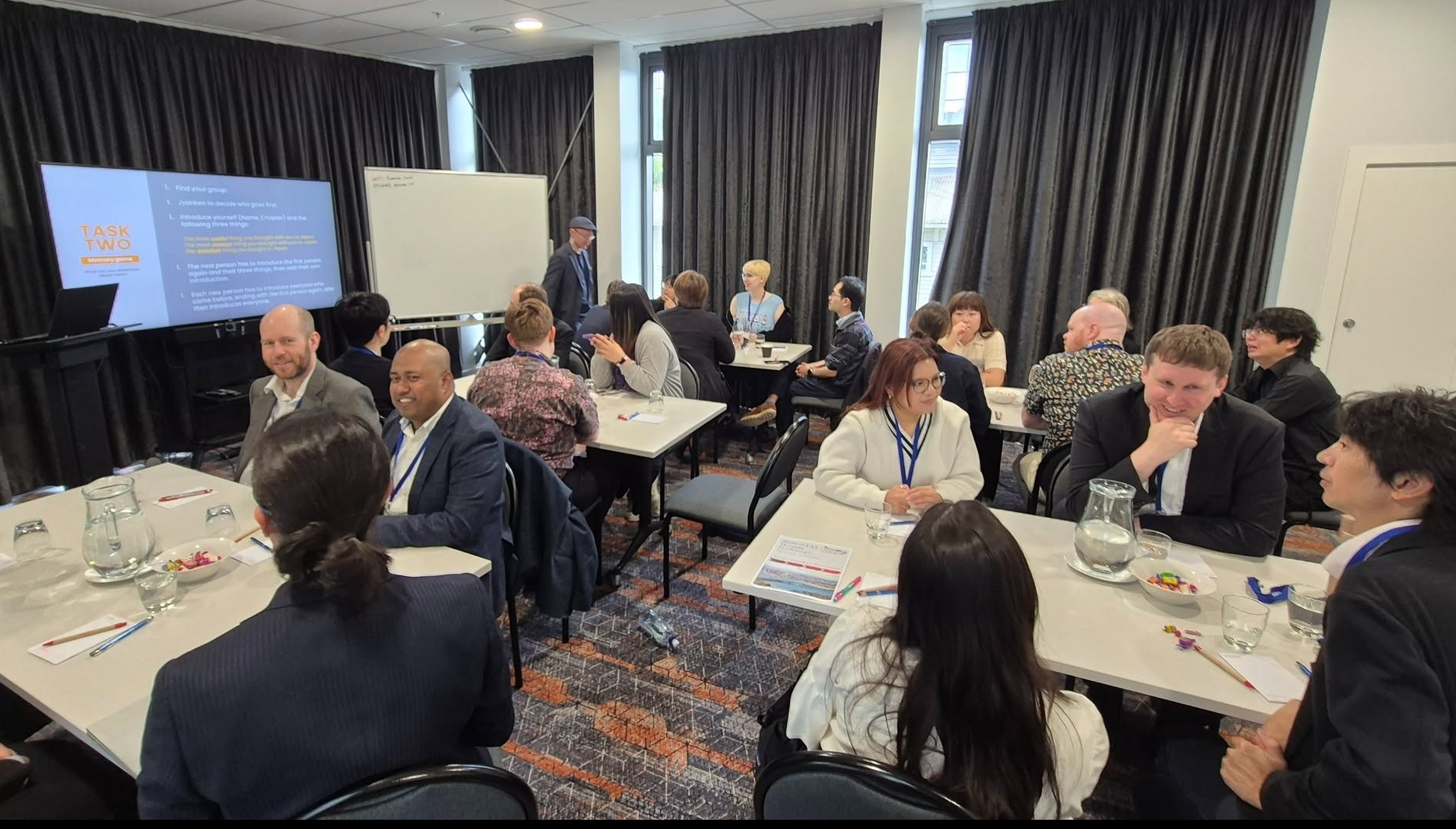
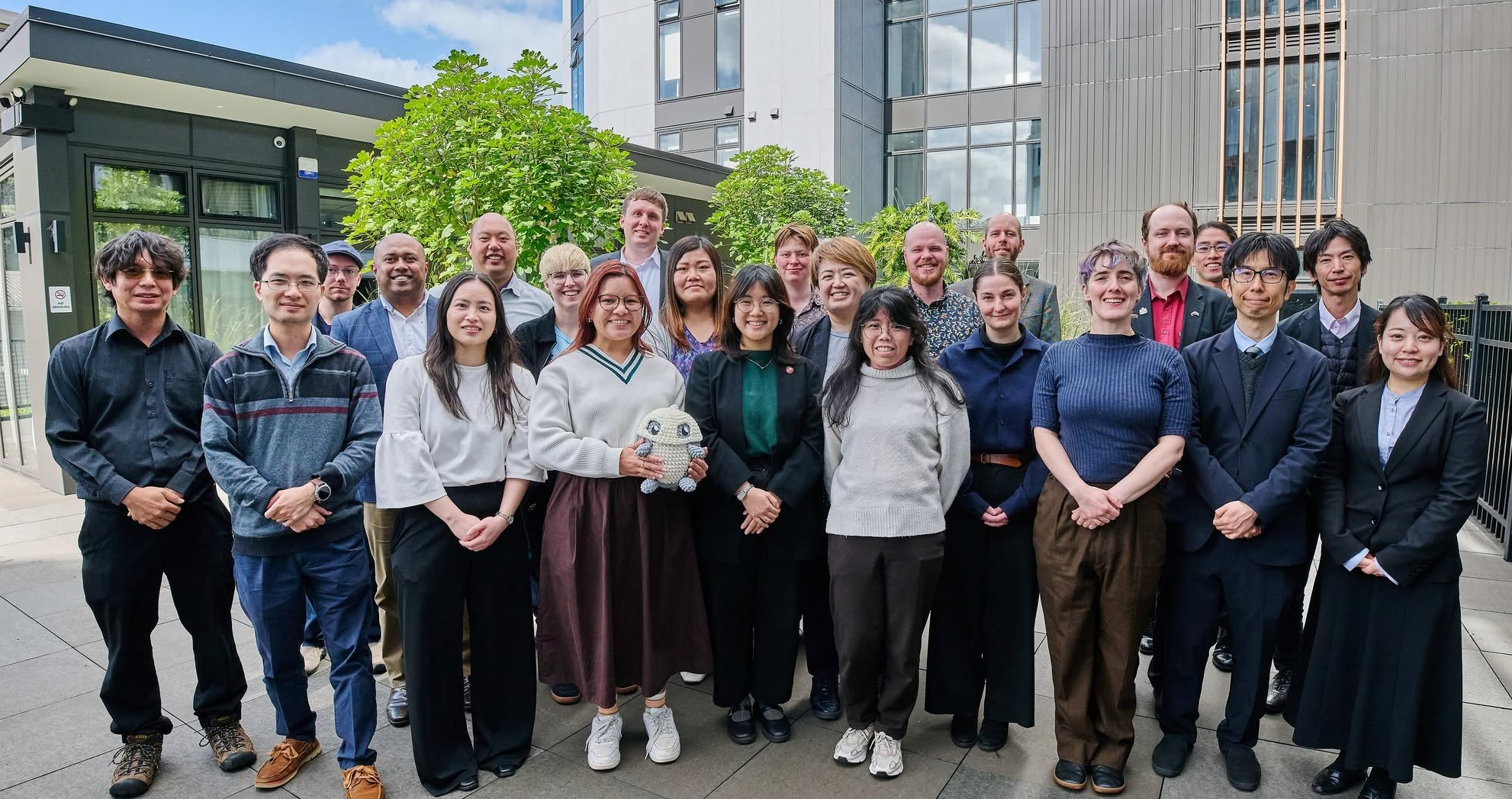
  • CLAIR Sydney recently attended the JETAA Oceania Conference held in Auckland, New Zealand. The conference is organised annually by the JET Alumni Association (JETAA) from across Australia and New Zealand and provides a valuable opportunity for alumni leaders and stakeholders to connect, exchange ideas, and strengthen regional networks.
     
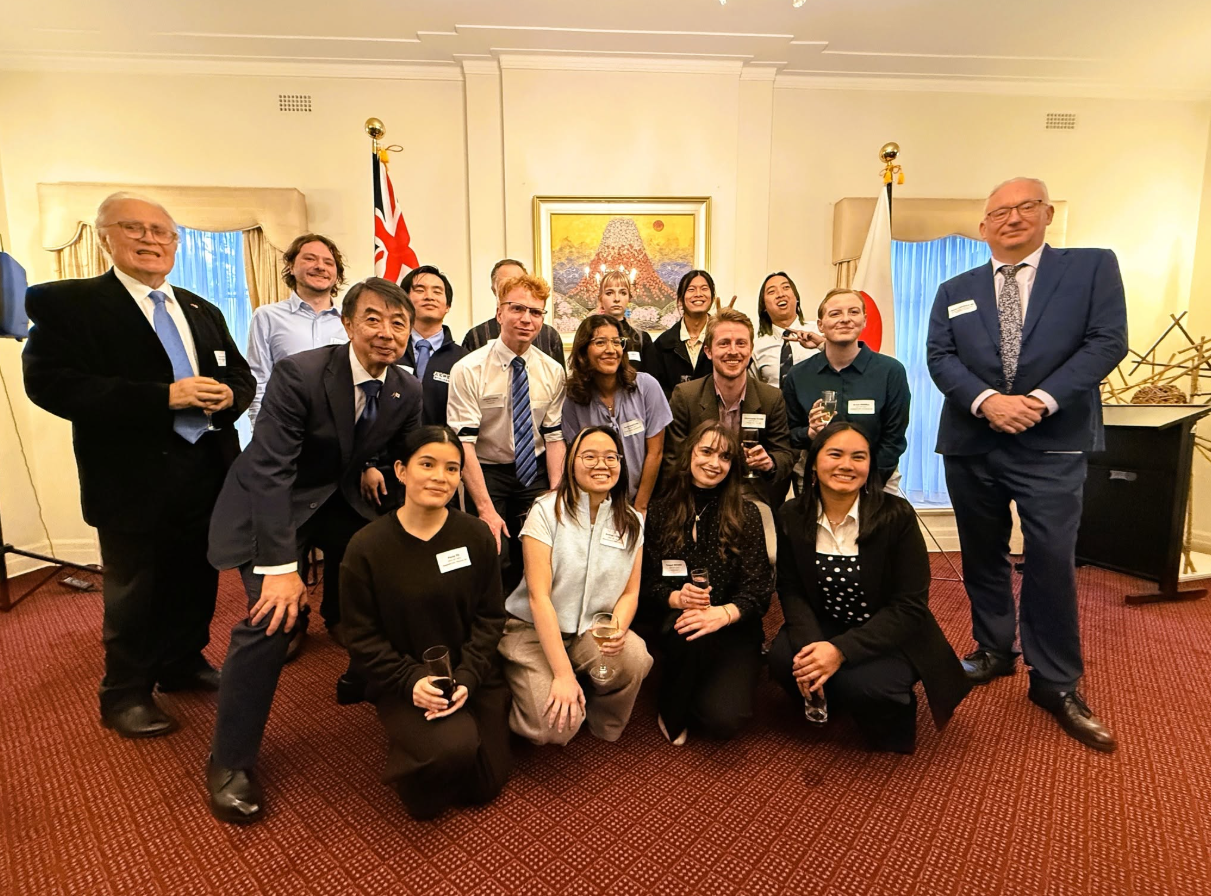
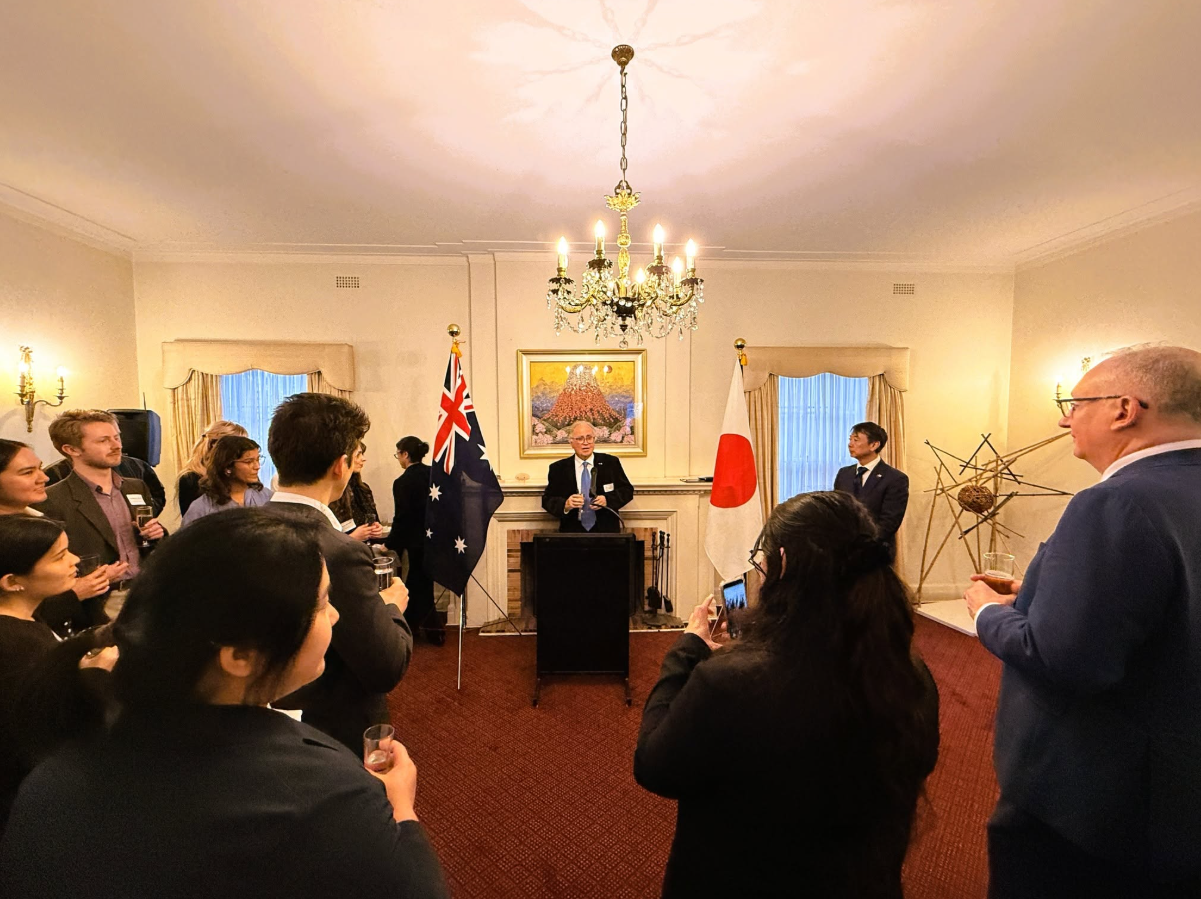
    Ahead of the conference, a welcome reception hosted by the Consulate-General of Japan in Auckland was held on 30 October. In addition to conference participants, the reception was attended by Mayor Sato and City Assembly Vice Chairperson Naito of Utsunomiya City, Tochigi Prefecture, as well as Auckland councillors. Utsunomiya and Auckland will celebrate the 45th anniversary of its sister-city partnership with Auckland in 2027. The reception provided an opportunity to reflect on the longstanding friendship between the two cities and to share hopes for even further exchanges in the years ahead.
     
    The conference took place over two days, from 31 October to 1 November, and brought together representatives from all JETAA chapters across Oceania, including five chapters in Australia and three in New Zealand. Representatives from the Singapore Chapter and the Guam Chapter (the latter joining online), as well as officers from JETAA International (JETAAI), also participated.
    Under the theme ‘A Legacy Passed to a New Horizon,’ participants engaged in lively discussions through group work on a range of topics. These included how to create engaging events for newly returned JET participants and how to pass on the experience and knowledge built over the JET Programme’s 40-year history to future generations.


    The conference was a valuable opportunity for members of the JET community from different countries and regions to come together, reflect on the programme’s achievements over the past four decades, and look ahead to its future.
    A big thank you to JETAA New Zealand, all participating chapters, and our hosts in Auckland for making the conference such a successful and inspiring event. We look forward to working even more closely with JETAA chapters across Oceania to support the JET Programme’s continued growth and build connections between communities.
  •  On Tuesday, 27 October 2026, CLAIR Sydney attended the JET Programme Returnees Welcome Reception hosted by the Consulate-General of Japan in Melbourne. Together with the Consulate-General,JET alumni, government officials, Japanese language educators and representatives from Japan-related organisations, we warmly welcomed 15 returnees home to Australia following their completion of the JET Programme.


    At the reception, we heard many heartwarming stories from the returnees about their students in Japan and met a former JET participant who spoke fluent Japanese, even using expressions from the local dialect of the region where they had lived. These conversations reminded us how meaningful the JET Programme has been for its participants and how deeply they cherish their connections with Japan.
     
    As the JET Programme celebrates its 40th anniversary this year, we hope the friendships formed across Japan will continue to flourish, inspiring future generations and creating new opportunities for exchange between Japan and Australia.
     
    For information about applying for the JET Programme, please visit the website of the Japanese embassy or consulate responsible for your area.
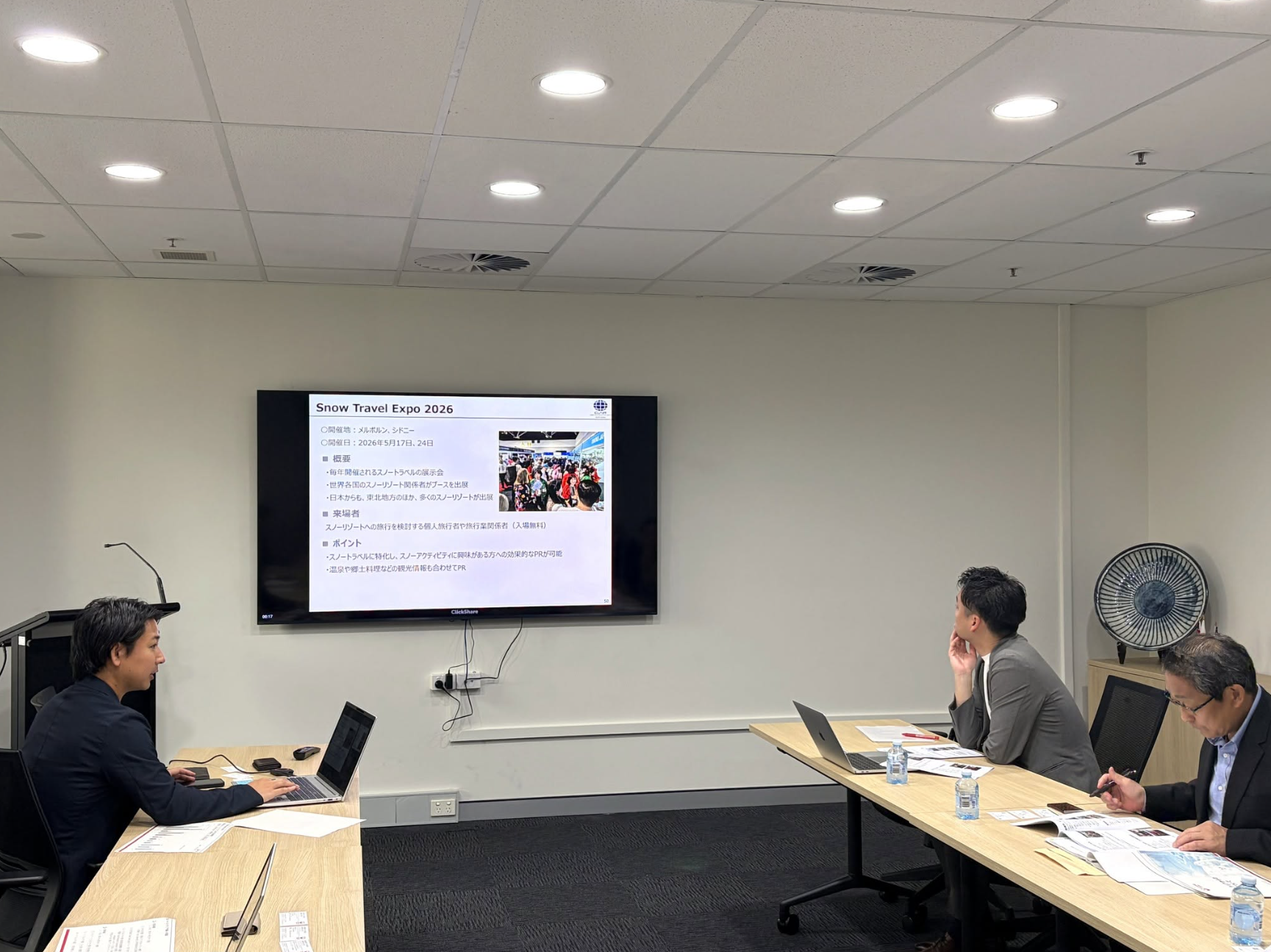
  •  On Tuesday, 27 October, officials from the Aomori Prefectural Government visited the CLAIR Sydney office during their visit to Australia to conduct market research aimed at promoting inbound tourism to Japan.
     
    We provided an overview of Australia’s demographics, economic profile and examples of initiatives undertaken by Japanese local governments in Australia. During the Q&A session, we had a lively exchange of views on a wide range of topics, including trends in interest and demand for travel to Japan, the role of local governments in Australia, and sister-city exchanges between Japan and Australia.
     
    CLAIR Sydney supports a wide range of initiatives undertaken by Japanese local governments across Australia and New Zealand. If your organisation is interested in receiving support for initiatives in the region, please feel free to contact us.
     
     
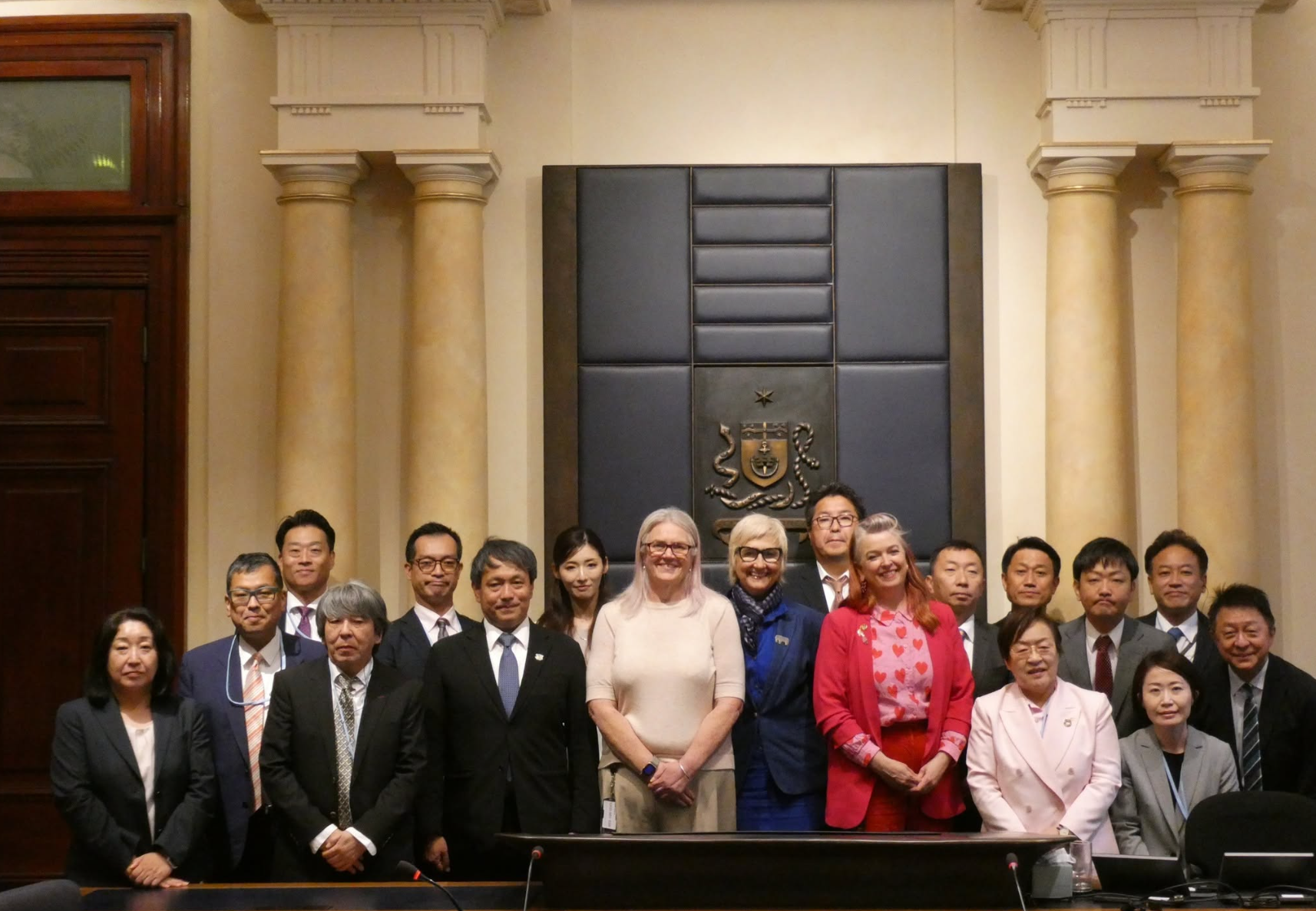
  •  In mid-September, a delegation from Nagoya City Council visited Nagoya’s sister city, Sydney, to strengthen ties and conduct research on various policies and projects in the city and surrounding areas.
    CLAIR Sydney assisted in arranging visits and meetings with the City of Sydney and Sydney offices of Japanese government-related organisations, including JETRO, JNTO and UR, as well as visits to relevant facilities.


    At Sydney Town Hall, the delegation learned about the City of Sydney’s housing policies and unique initiatives, including the Creative Hoardings Program, which utilises temporary construction site fences as opportunities for artists to showcase their work.
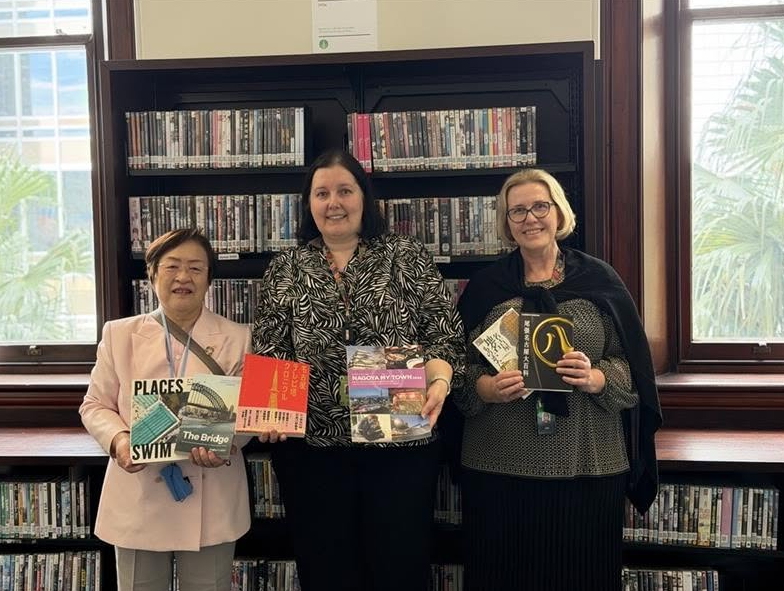
    The delegation also donated books from Japan to Customs House, a historic building managed by the City of Sydney that now serves as a library and community space. They also visited Western Sydney Airport, which is scheduled to open at the end of October, to learn about the new airport and surrounding developments.


    This visit was also a great opportunity to further strengthen the friendship between Nagoya and Sydney.
     
    CLAIR Sydney supports various activities by Japanese local governments in Australia and New Zealand. Please feel free to contact us if we can assist with your initiatives!
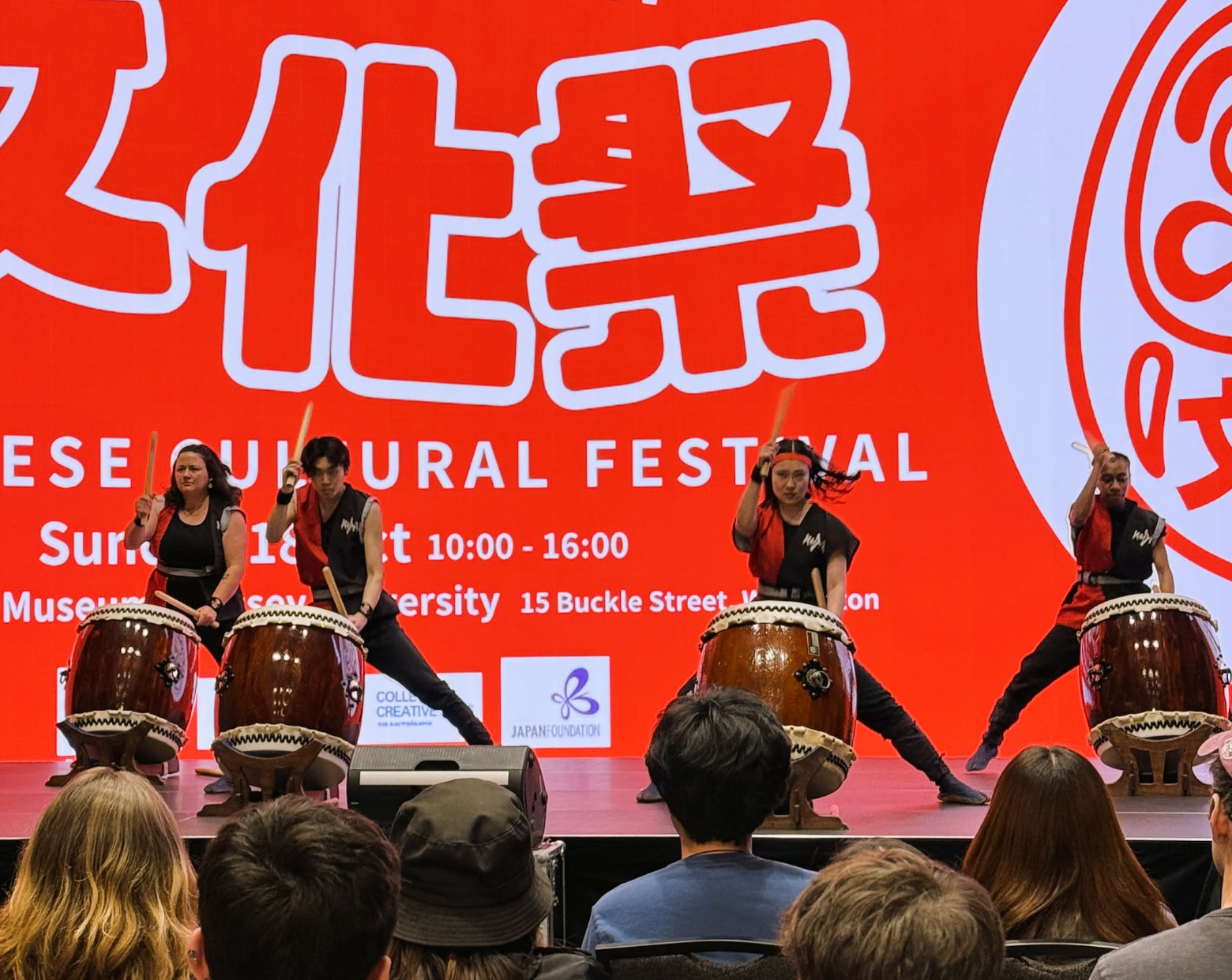
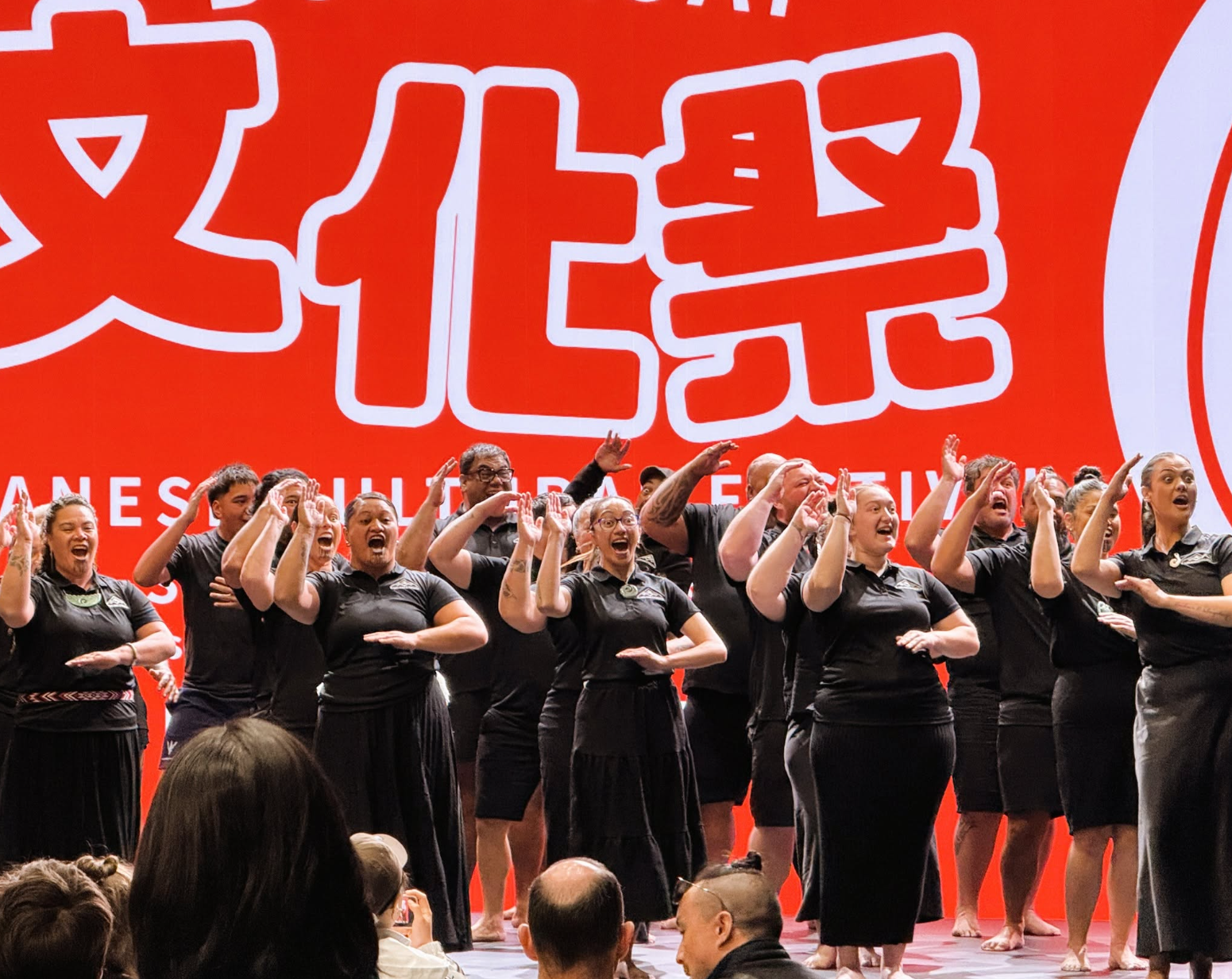
  •  On Sunday, 18 October, Bunkasai, a Japanese festival organised by the Embassy of Japan in New Zealand, was held in Wellington, New Zealand’s capital, attracting around 3,000 visitors.
     
    The festival featured stalls serving Japanese food such as onigiri rice balls and bento boxes, as well as booths where visitors could try on yukata or purchase handmade Japanese-style accessories and pottery. Visitors also enjoyed a variety of stage performances including Japanese taiko drumming, Māori choral singing and haka, a traditional dance of New Zealand’s Indigenous Māori people.
       
     
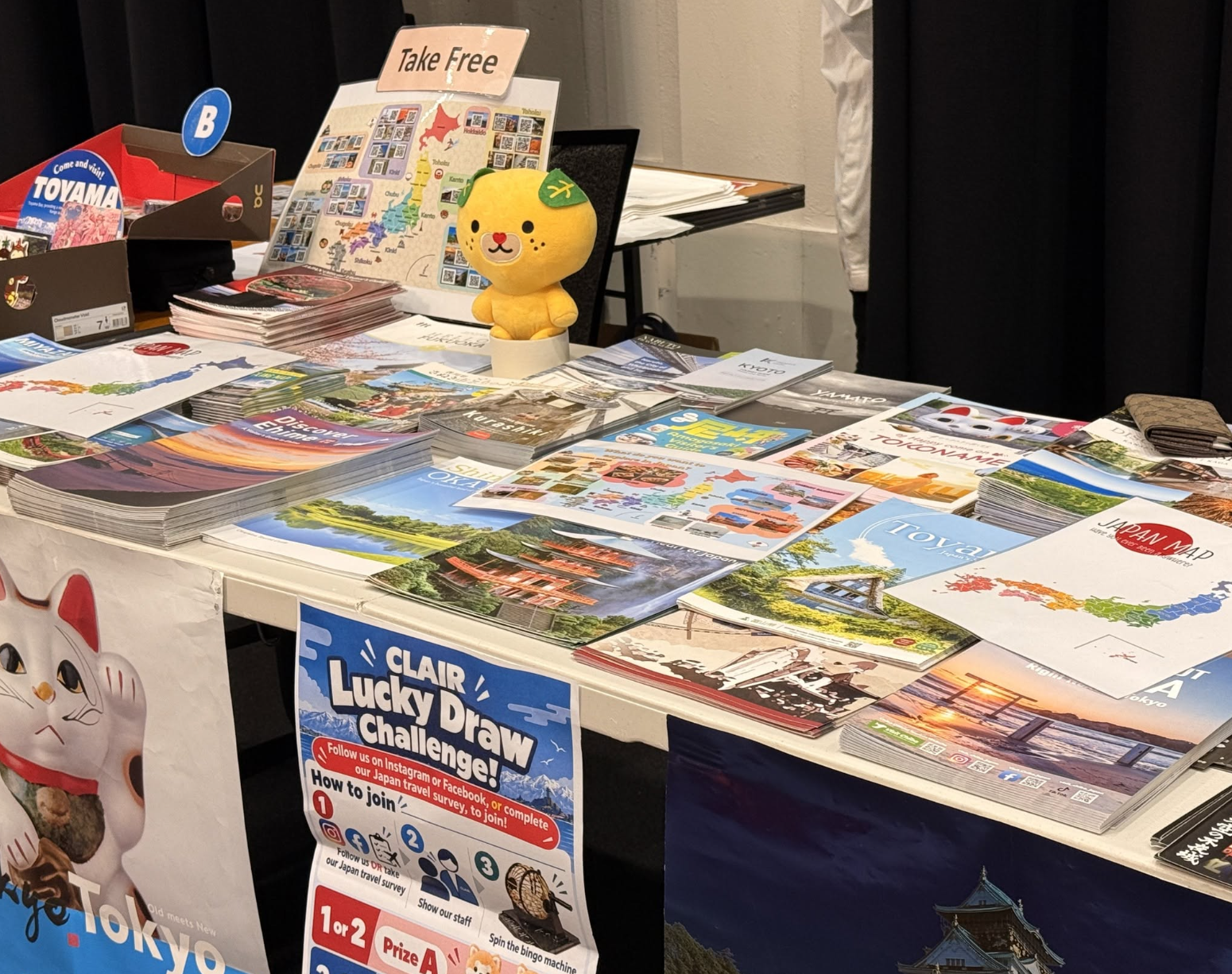
    CLAIR Sydney hosted a booth showcasing tourist destinations and regional attractions across Japan, using brochures provided by Japanese local governments.


    Throughout the day, many visitors stopped by enquiring about destinations for snow activities, lesser-known places to visit and local transport options. Others enthusiastically shared memories of their travels to Japan, from cycling the Shimanami Kaido to staying at traditional ryokan inns. One visitor made a particularly memorable comparison, likening Japan to a parfait: just as every layer offers something delicious, every region of Japan has something wonderful to discover too.


    We also met students learning Japanese and people who had lived or worked in Japan. Their affection for Japan shone through in our conversations, reminding us of the strong ties between the people of Japan and New Zealand.
     
    CLAIR Sydney will continue to cherish these exchanges with local communities as we share the diverse attractions of regions across Japan.
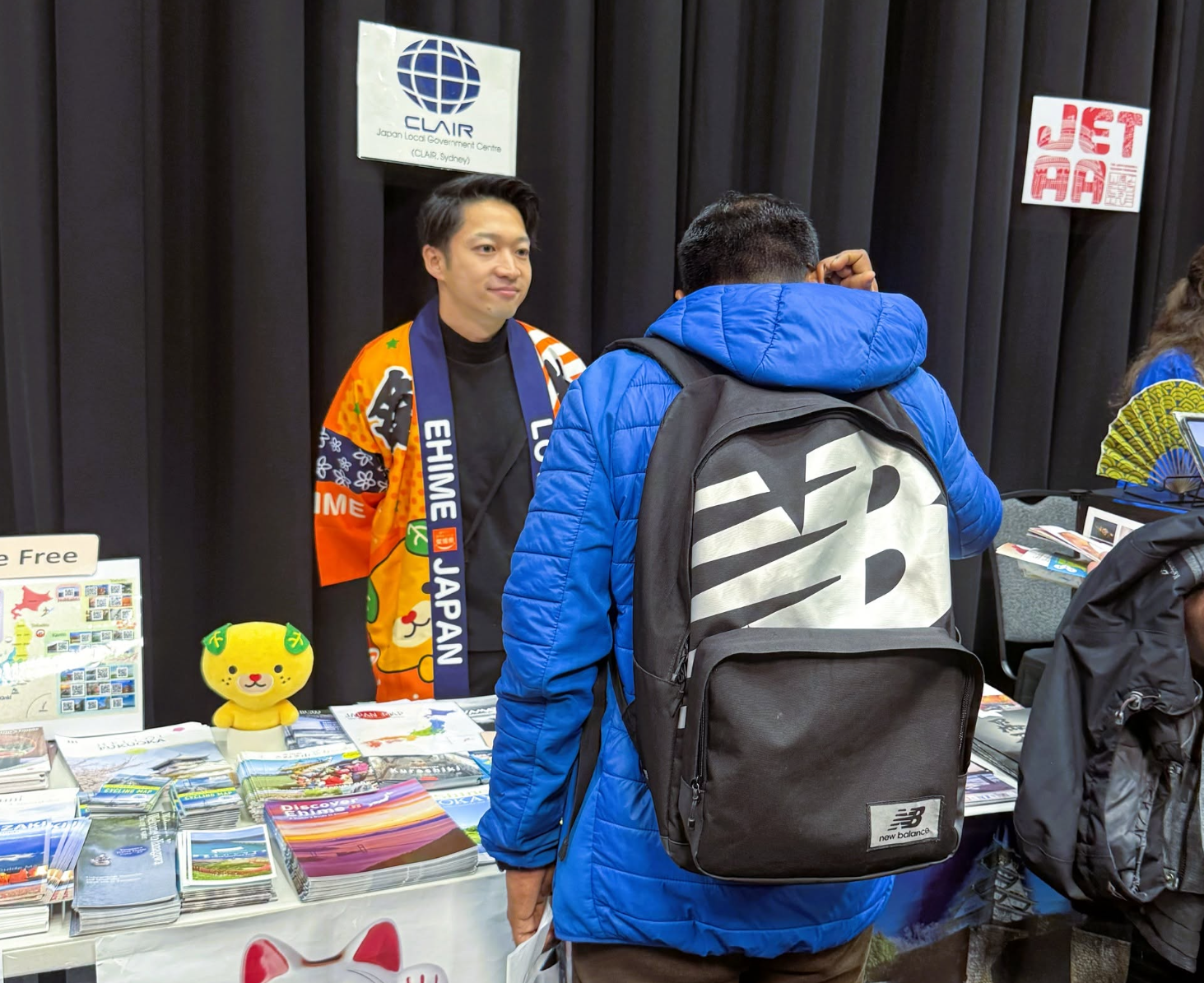
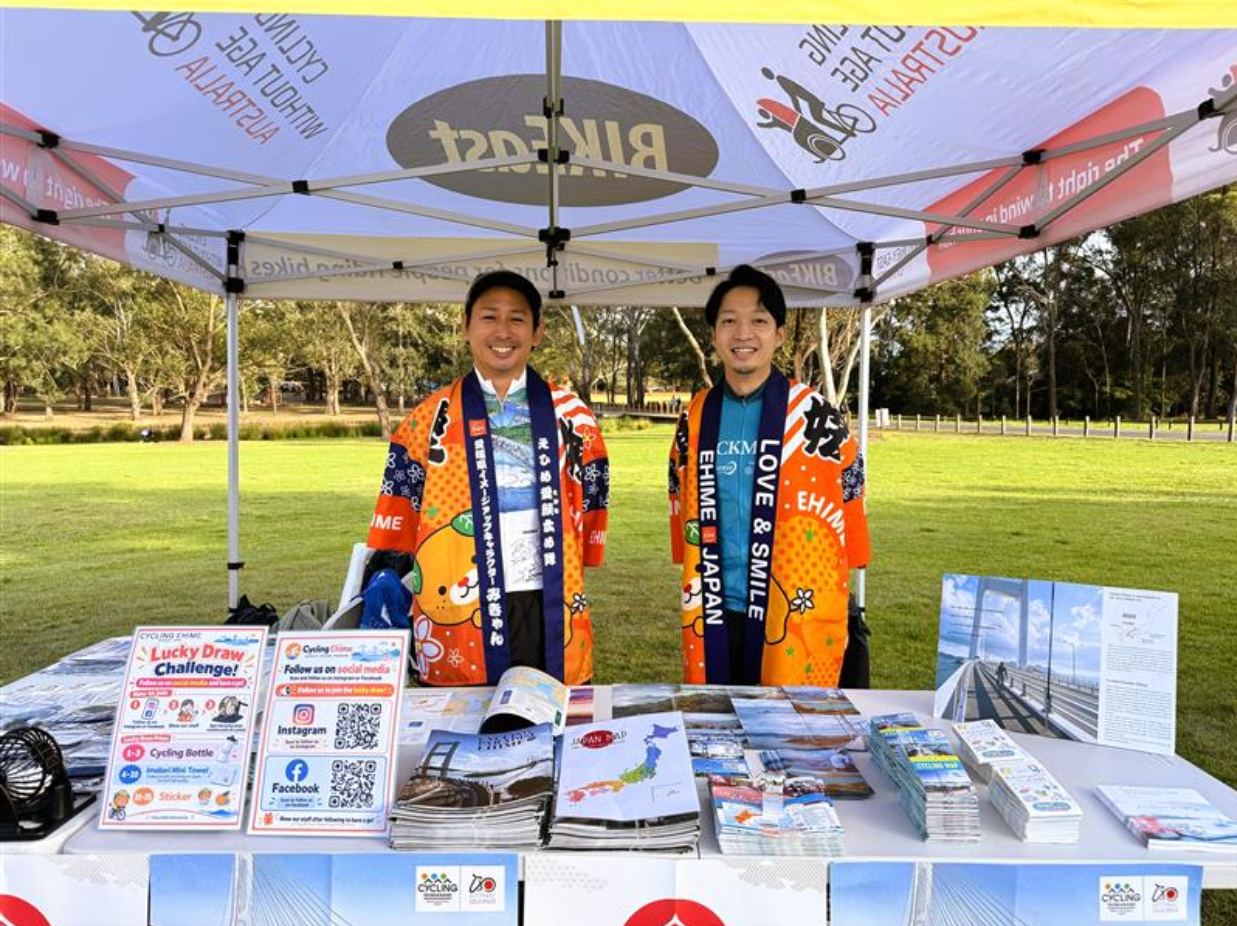
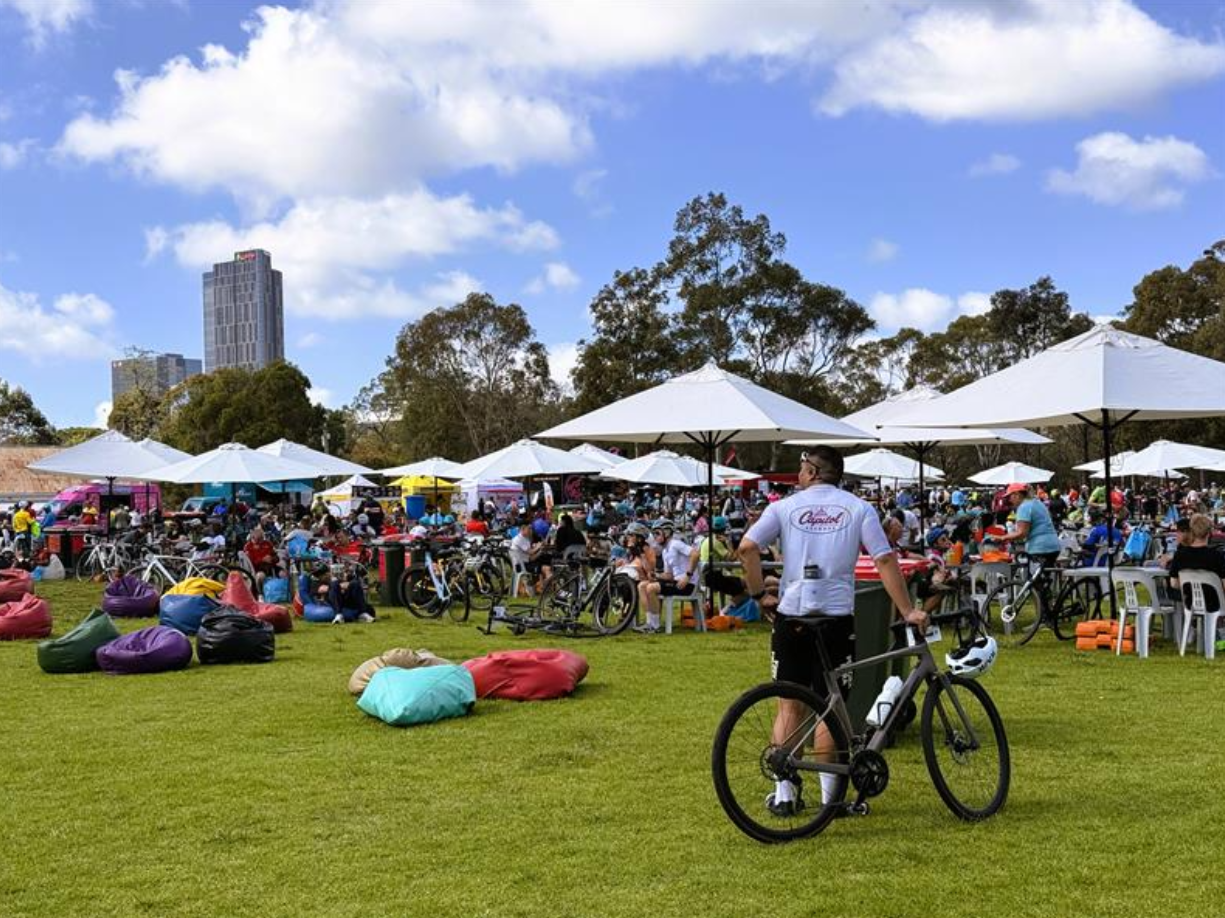
  •  On Sunday, 11 October, Ehime Prefecture hosted a booth at Spring Cycle 2026, a cycling event held in Sydney, to promote the prefecture’s cycling tourism to Australian cyclists. CLAIR Sydney supported Ehime Prefecture’s activities at the event, including assisting with booth operations. The booth introduced visitors to Ehime’s cycling routes and tourism attractions, including the Shimanami Kaido, using brochures and cycling maps.

    Among the visitors were cyclists planning to take part in Cycling Shimanami 2026, an international cycling event to be held in Ehime Prefecture on Sunday, 25 October. One visitor said they had first learned about the event when visiting Ehime Prefecture’s booth at Spring Cycle 2025 and subsequently decided to participate. It was encouraging to see how returning to the event and sharing information about cycling in Ehime had inspired visitors to take part.

    CLAIR Sydney looks forward to continuing to support the activities of Japanese local governments in Australia and New Zealand and sharing the diverse attractions of regions across Japan.


  • Newsletter No.205

  • The latest issue of our correspondence is released.

    View this correspondence in PDF.