2026: Koshogatsu Events-Traditional Winter Events in Akita, Japan

Many people may be familiar with the Japanese word and tradition of Shogatsu, meaning New Year. However, fewer are likely to have heard of Koshogatsu, which is celebrated at the end of the new year. In Akita Prefecture, various traditional Koshogatsu events are held every February. In this article, I would like to introduce some of Akita’s unique winter traditions. 

Note: February is summer in Australia and New Zealand, but it is winter in Japan as it is in the Northern Hemisphere. 

What is Shogatsu? 
In Japan, the period beginning on 1 January is called Shogatsu, a time when families and relatives gather in their hometowns to celebrate the New Year and reconnect with one another. In particular, the first three days of January are designated holidays for government offices and most companies. 

What are Koshogatsu and Koshogatsu events? 
Today, Japan uses the Gregorian calendar like most countries, but until about 150 years ago (in 1872), the lunar calendar was in use. In that calendar, the first full moon of the year, which occurred after Shogatsu (late January to mid‑February in today’s calendar), was called Koshogatsu. Various Koshogatsu events were held to mark the conclusion of the New Year celebrations. 

These Koshogatsu events carry multiple meanings, including bidding farewell to the deities welcomed during Shogatsu, praying for a good harvest before spring farming begins, wishing for health and safety, and strengthening community ties by participating together. 

After Japan adopted the Gregorian calendar, many regions began holding Koshogatsu events around 15 January. However, in many parts of Akita, these events are still held in mid‑February according to the old lunar calendar, preserving the traditional timing. 

Koshogatsu Events in Akita
In snowy Akita in February, various Koshogatsu events take place. 

◆Kamihinokinai Paper Balloon Festival 
In Kamihinokinai, Semboku City, giant paper balloons decorated with warrior paintings and portraits of beautiful women are lit and released into the winter night sky on 10 February each year. Each balloon carries wishes for health, family safety, and a bountiful harvest. The sight of more than 50 balloons gently rising into the dark winter sky is breathtaking and truly beyond words. 
A giant paper balloon decorated

A giant paper balloon decorated with a portrait of a beautiful woman
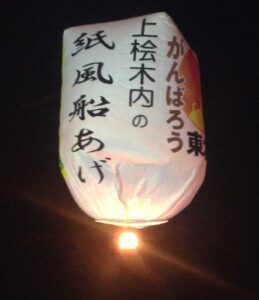
A giant paper balloon gently rising into the night sky


◆Kariwano Giant Tug‑of‑War
 
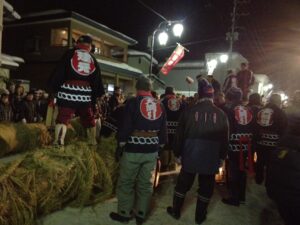
In Kariwano, Daisen City, one of the largest tug‑of‑war events in Japan is held every year on 10 February. A massive rope, about 80 cm in diameter, 200 meters long, and weighing roughly 20 tonnes, is pulled by thousands of participants divided into two teams: the Upper Town and Lower Town. With a history of over 500 years, the event is rooted in a tradition that predicts the year’s fortunes: if the Upper Town wins, rice prices will rise, and if the Lower Town wins, the harvest will be abundant. Visitors are welcome to join in and experience the excitement firsthand.
◆Kamakura (Yokote Snow Festival) 
In Yokote City, the Snow Festival called kamakura is held every mid‑February (13-14 February in 2026). With a history of about 450 years, dome‑shaped snow huts called kamakura are built, and inside, water deities are enshrined to pray for family safety, business prosperity, and a bountiful harvest. Local children welcome visitors inside the huts with a sweet rice drink (amazake) and rice cakes (mochi). The softly illuminated kamakura scattered across the snowy landscape at night create a truly enchanting scene. 

Inside a kamakura
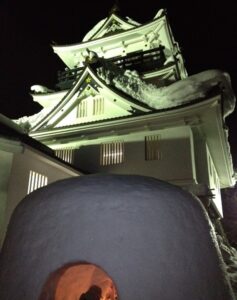
A kamakura in front of Yokote Castle


◆Namahage Sedo Festival
 
In Oga City, the Namahage Sedo Festival is held on the second Friday, Saturday, and Sunday of February. Originating from a Shinto ritual said to date back over 900 years, the sight of Namahage demons charging down the snowy mountain with torches is both thrilling and powerful. The Oga’s Namahage tradition involves young men dressing as deity‑like ogres on New Year’s Eve, visiting homes to ward off misfortune and admonish laziness. This folkloric event was designated as a UNESCO Intangible Cultural Heritage in 2018. 
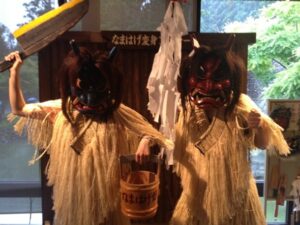
Namahage demons

Namahage demons running down a snowy mountain


◆Yuzawa Inukko Dog Festival 
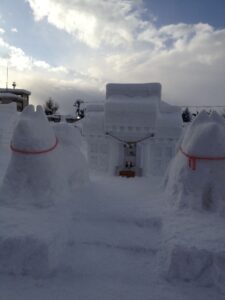
In Yuzawa City, the Inukko Dog Festival is held on the second Saturday and Sunday of February and has a history of about 400 years. The festival began with the custom of placing small dog figurines made of rice flour at home entrances and windows as charms to ward off theft. Today, the venue is lined with adorable dog-shaped snow sculptures, and as dusk falls, the snow shrines glow softly with candle lights. In recent years, a blessing ceremony for pet dogs has also been added, making the festival especially popular among dog lovers. 


Conclusion 
Akita’s Koshogatsu traditions have long been cherished as important events through which people living in snowy regions pray for a bountiful harvest and good health while strengthening community bonds. The flickering flames and glowing lights against the snowy landscape, along with beautiful snow structures such as kamakura, provide visitors with unforgettable experiences and the full charm of winter travel. Why not immerse yourself in the unique blend of culture and nature that Akita has to offer?       
カテゴリー: From the Executive Director, Uncategorised

Uncategorised

  • “English only”

    The latest issue of our correspondence is released.

    View this correspondence in PDF.

  • Newsletter No.201を掲載いたしました。

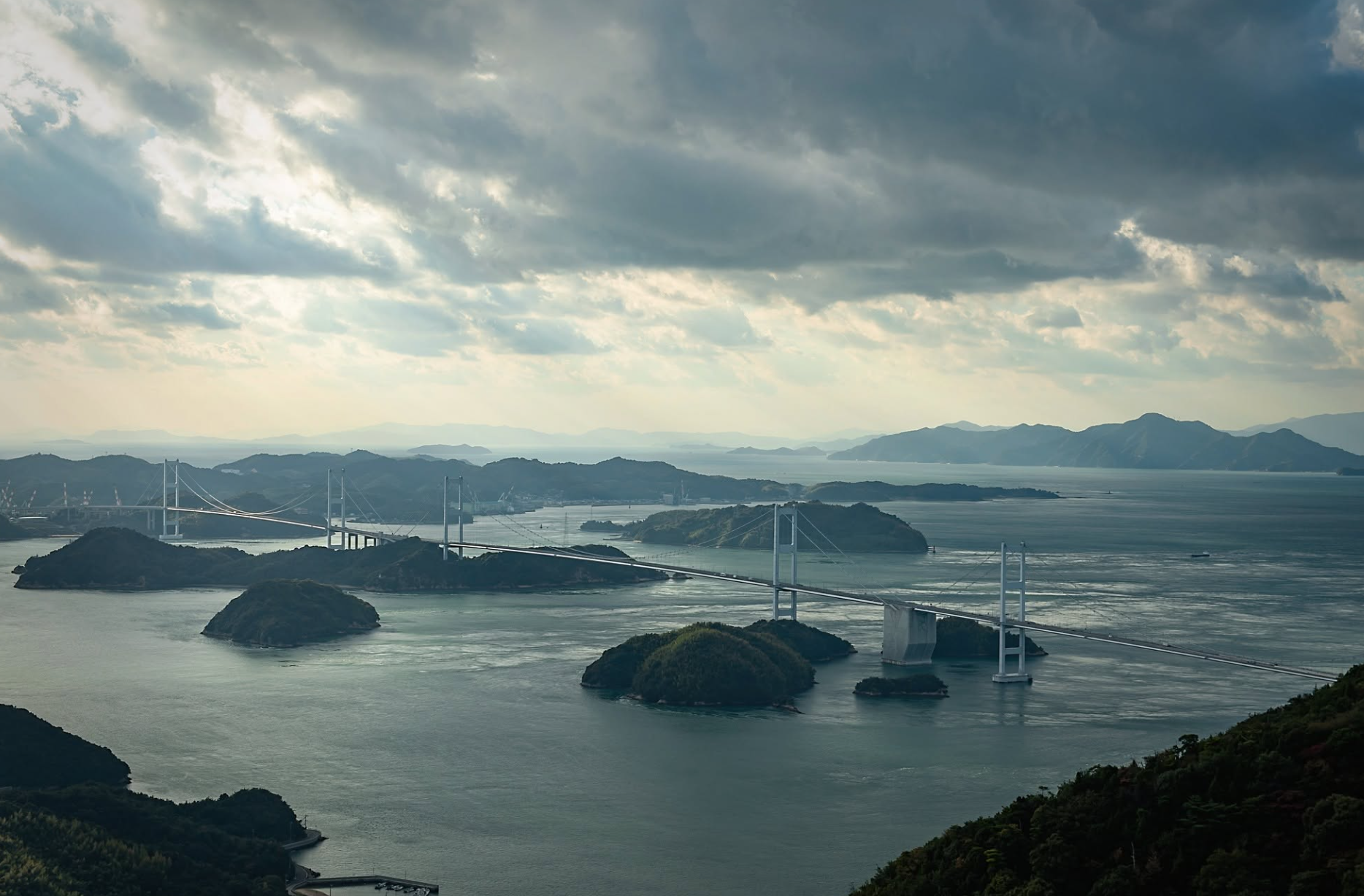
  •  Ehime Prefecture is located along Japan’s Seto Inland Sea and is home to approximately 1.27 million people. It is known for its warm climate and outstanding scenic beauty, along with its long history of citrus cultivation. The prefecture is made up of many islands, with the unique landscape of the Seto Inland Sea spreading throughout. In recent years, Ehime has become increasingly popular as a tourist destination, welcoming many domestic and international visitors all year round.


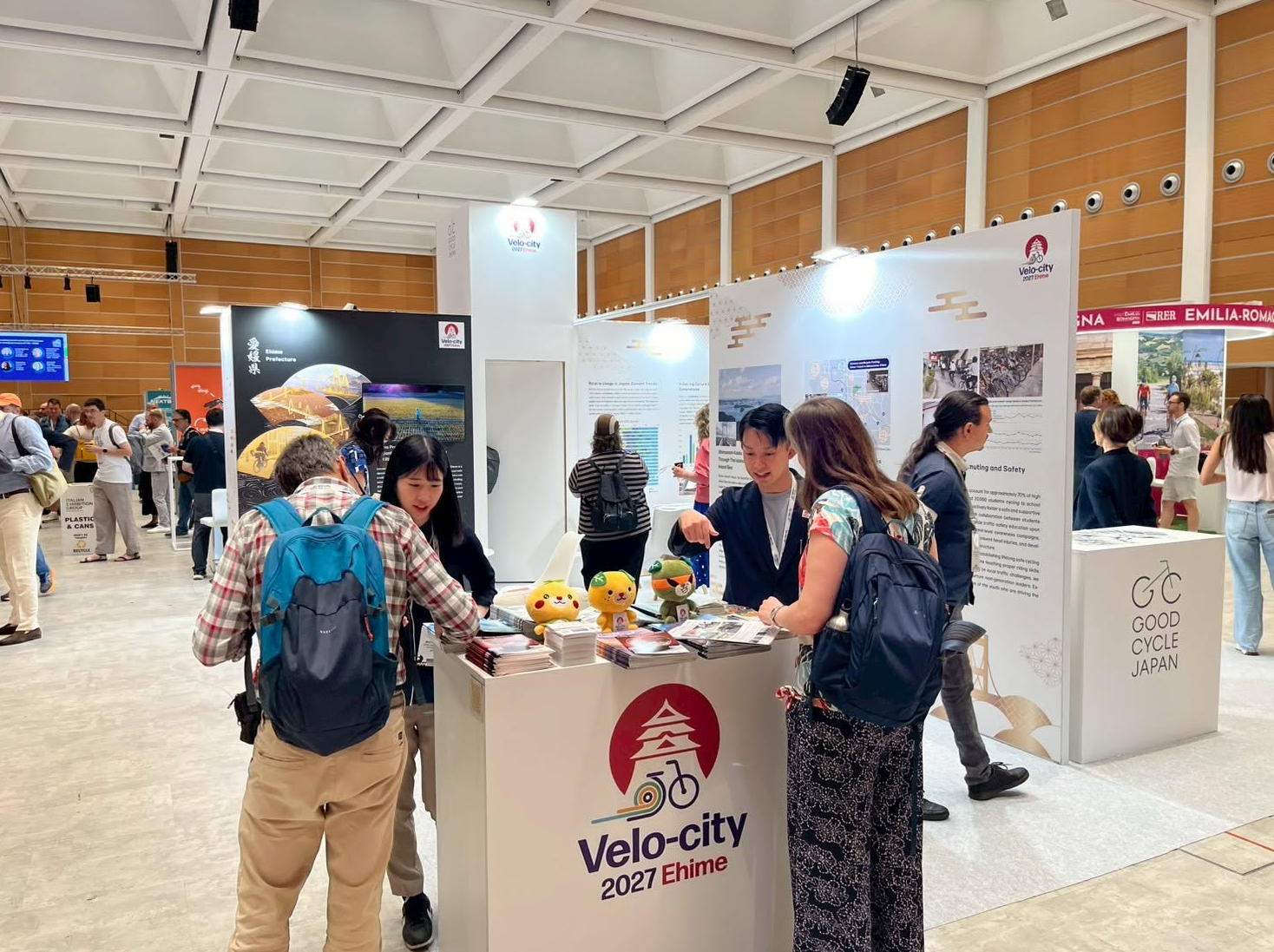
    In 2027, Ehime Prefecture will host “Velo-city,” an international bicycle conference, for the first time in Japan. Velo-city is one of the largest academic conferences, bringing bicycle companies, researchers, and experts together from around the world. While discussing various topics including tourism, safety, and urban planning, participants can enjoy the cityscape of Matsuyama through a bicycle parade and will also be able to visit other parts of the prefecture via ‘technical visits’ (explained below).


    In recent years, Ehime Prefecture has become one of the leading centers of bicycle culture in Japan. Many local residents begin riding bicycles at a very young age, and the majority of high school students commute to school by bike. Furthermore, the prefecture boasts Japan’s highest helmet-wearing rate, demonstrating strong safety awareness throughout the community. This well-established environment, which allows people of all ages to use bicycles safely on a daily basis, positions Ehime Prefecture as a  center of Japan’s bicycle culture.

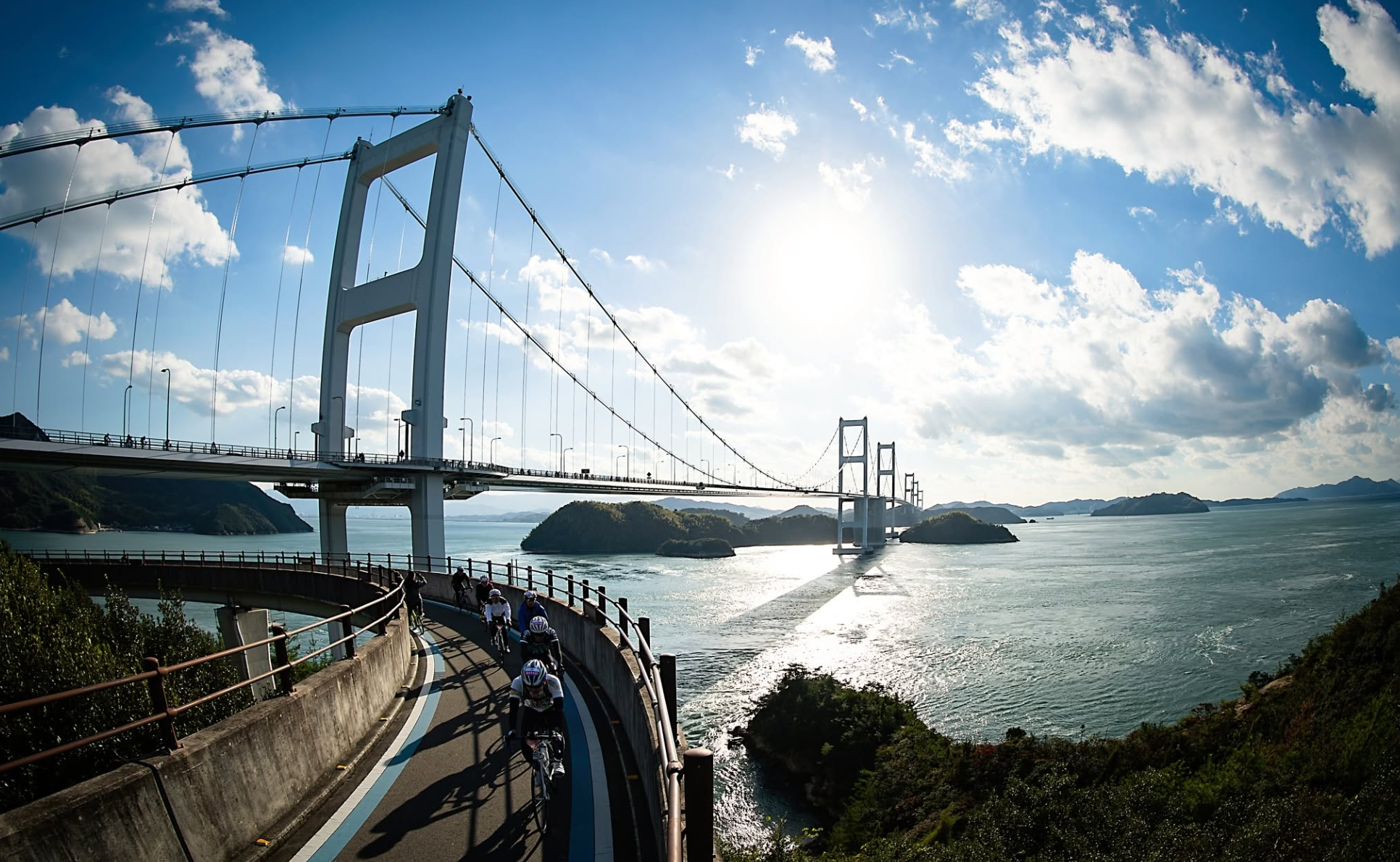
    Technical visits are guided tours that allow participants to explore various locations throughout the prefecture during Velo-city, featuring multiple courses with different themes. There is a course to learn about the infrastructure and scenery of the “Shimanami Kaido,” Japan’s representative maritime cycling route; a course to study safety education initiatives in schools by observing Japan’s typical morning school commute; and a course to experience the “Henro,” a pilgrimage to Buddhist temples, by bicycle. By participating in these technical visits and experiencing the local atmosphere, participants can gain valuable insights into the prefecture’s bicycle policies firsthand.


    On the second day (Wednesday, 26 May 2027), a spectacular bicycle parade will fill the city center. While showcasing the prefecture’s appeal as an international model bicycle city, the event will provide a chance for all participants to experience and share how bicycles act as a catalyst for regional revitalisation, bringing new possibilities for future urban space allocation, health, a sense of purpose in life, and friendship.

    During the four-day event, approximately 80 plenary breakout sessions will be held at the venue, with discussions centered around key themes and priorities. The conference program content will be determined by selecting proposals submitted during the abstract submission period, which begins in September. To encourage active exchange of diverse perspectives, Ehime welcomes a large number of submissions. Participants are invited to apply and help make this event a success.

  •  Recently, I had the opportunity to attend an awards ceremony recognising outstanding achievement in Japanese-related studies, hosted by the Australia-Japan Society of NSW (AJS-NSW).

    On the day, certificates were presented to seven outstanding students nominated by seven universities[1] in the Greater Sydney region, and each recipient delivered a speech.

    All of the award recipients shared reflections along similar lines, such as: “Thanks to studying Japanese, I’ve had incredible experiences, like studying at a Japanese university through an exchange program and making friends from diverse backgrounds, that have truly changed my life.” Another common sentiment was: “Looking ahead, I hope to pursue a career related to Japan or possibly live there in the future, so I will continue to work hard to achieve these goals.”

    Learning and mastering a language other than one’s mother tongue is by no means an easy task. First and foremost, I would like to express my deep respect to the award recipients for their dedicated commitment to studying Japanese.

    I am also delighted that their language studies have sparked such a strong interest in Japan and a genuine desire to deepen their understanding. I was deeply impressed by their determination to maintain a connection with Japan long after graduation.

    On a personal note, I moved to Sydney last July, my first time living abroad, and I must admit that I still find speaking English challenging at times. However, seeing the dedication of the award recipients has inspired me to renew my own efforts. By conversing and connecting with others in English, I hope to further deepen my understanding of the local people, culture, and values in this region.

    [1] The seven universities were Macquarie University, The University of Newcastle, University of New England, University of Technology Sydney (UTS), The University of New South Wales (UNSW), The University of Sydney, and Western Sydney University.

  •  
    5月21日(木)、メルボルン及びシドニーで開催されたsnow travel expoへの出展のため来豪された山形市の関係者の皆様が、クレアシドニー事務所を訪問されました。
    ブリーフィングとして、当事務所の業務内容のほか、オーストラリアの国勢、経済等に関する基本情報、日本へのインバウンドの状況などをご説明したところ、日豪の産業構造の違いや訪日観光に関する近年の動向などについてご質問をいただくなど、活発に意見交換が行われました。


    クレアシドニー事務所では、オーストラリア及びニュージーランドにおける日本の自治体の様々な活動を支援しています。活動支援のご希望がございましたら、どうぞお気軽にお問い合わせください。
  • 5月24日、メルボルン市の東方約15㎞に位置するホワイトホース市で「Japan Festival 2026」が開催されました。
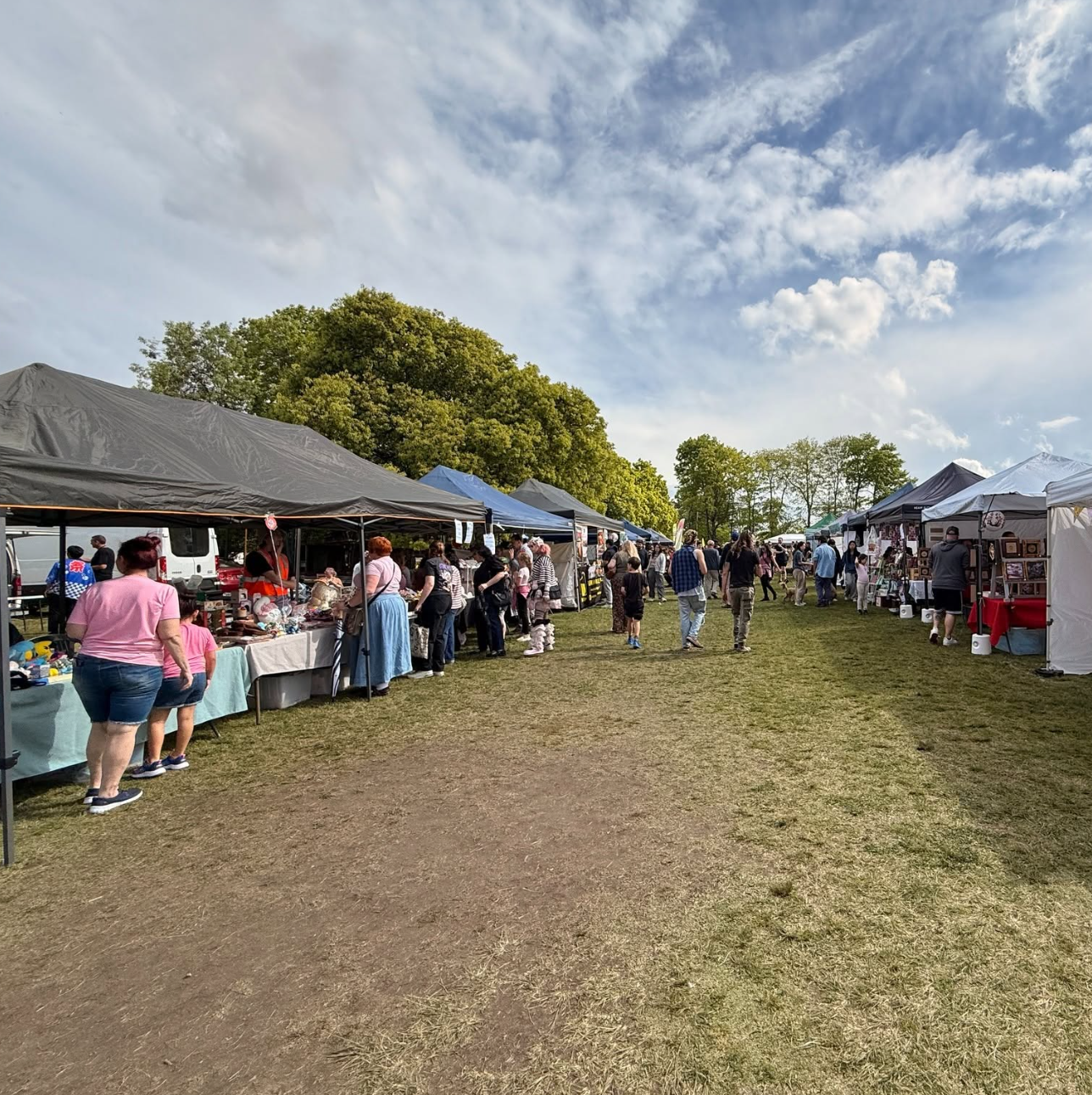
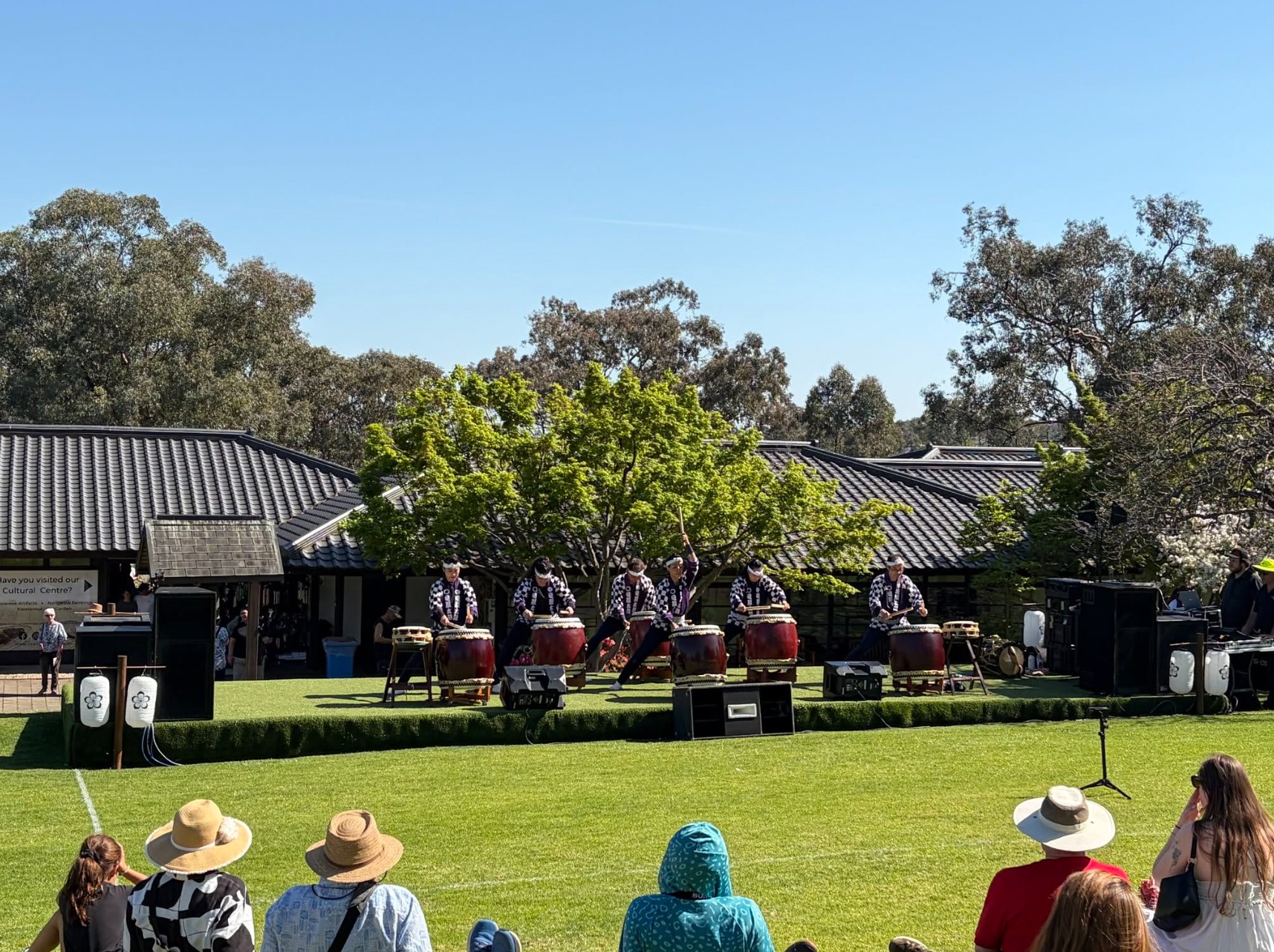
    会場には、約100のブースや屋台が並び、日本の雑貨や工芸品、寿司やお好み焼きなどの日本食が販売されていたほか、折り紙や将棋などの体験コーナーも設けられていました。ステージでは、和太鼓やソーラン節、津軽三味線などの多彩なパフォーマンスのほか、着物やコスプレのコンテストなどが行われ、約5,500人の来場者で賑わっていました(主催者発表)。


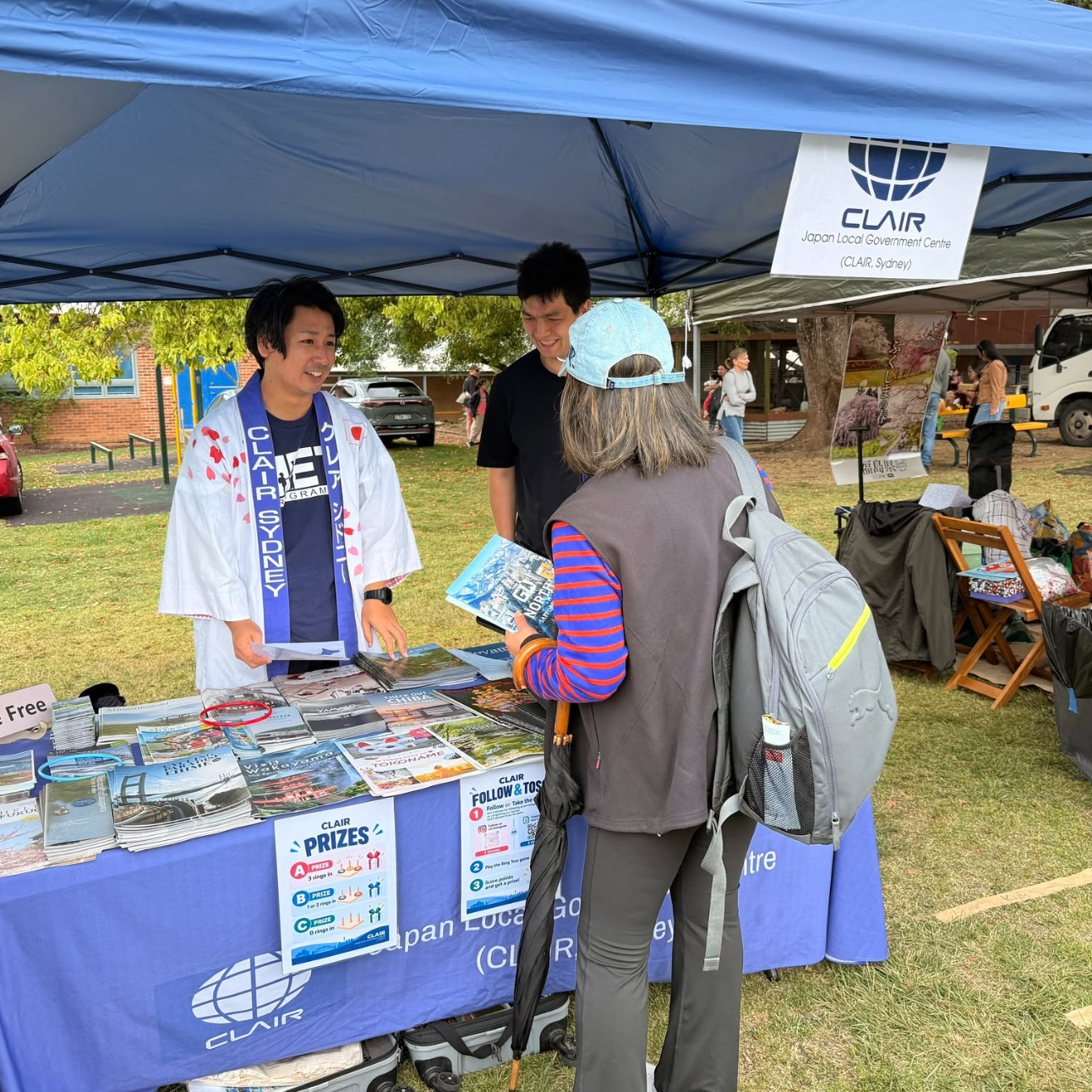
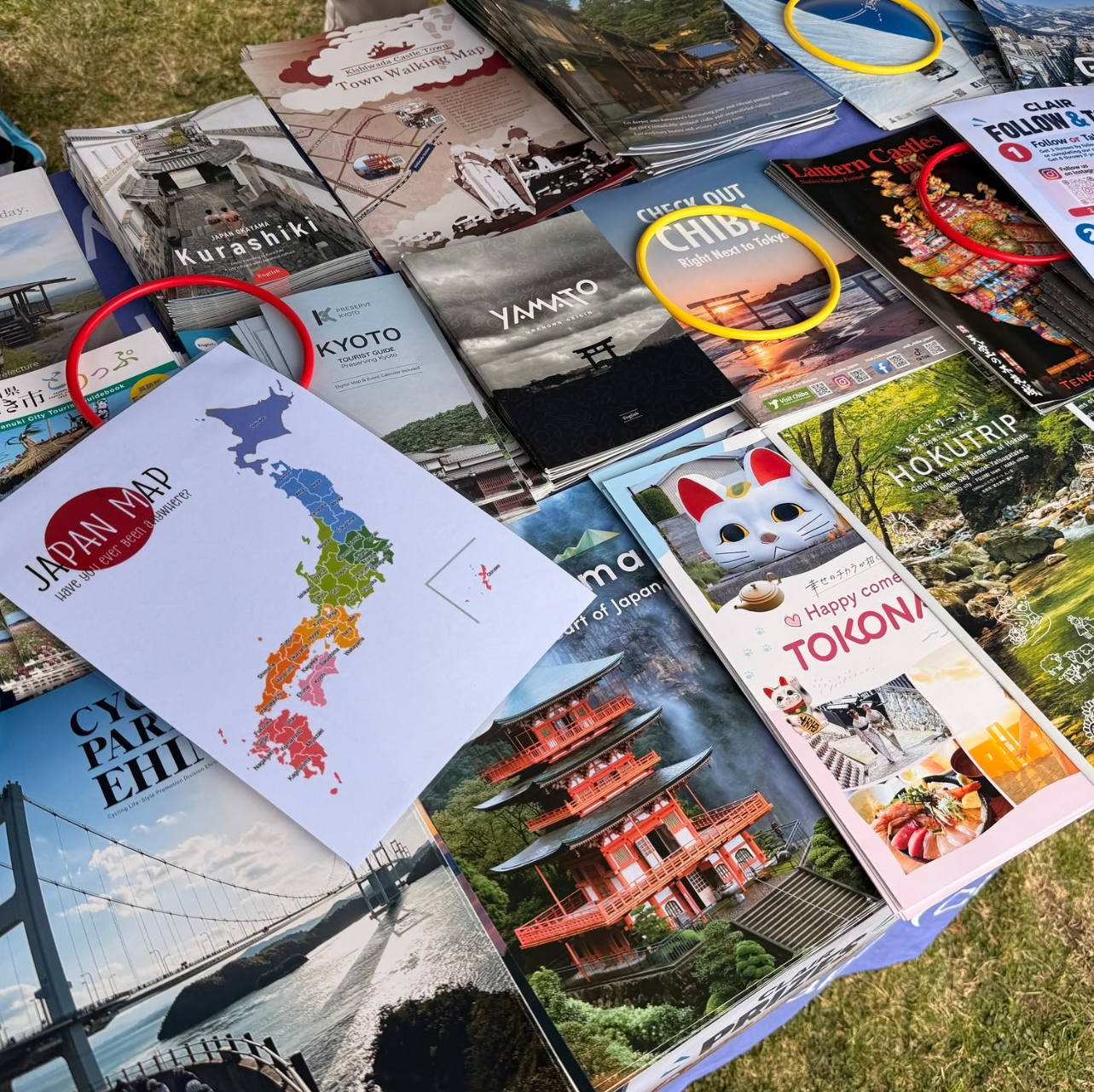
    クレアシドニー事務所はブースを出展し、観光パンフレットなどを通じて日本各地の魅力をPRしました。来場者の中には、日本でのクルーズ旅行を予定している方や、「これまでに10回以上日本を訪れた」という方もおり、訪日旅行に対する旺盛な需要を感じました。また、日本への旅行をきっかけに、日本への移住を目指して日本語の学習を始めた方もいらっしゃるなど、日本での生活や文化に対する関心の高さもうかがえました。


    ホワイトホース市は、千葉県松戸市と今年、姉妹都市提携55周年という節目の年を迎えました。ホワイトホース市が所在するビクトリア州における日豪の姉妹都市関係の中で、最も長い歴史を誇ります。会場には、交流事業の一環として、松戸市民の方々が描いた絵手紙も展示されており、両市の深い絆を感じる機会となっていました。
     
  • 5月12日(火)、シドニーを拠点とするNSW州豪日協会(AJS-NSW)の主催により、日本関連学習優秀者表彰式が開催され、シドニー都市圏の7つの大学から推薦された7名の学生に表彰状が授与されました。
     
     
     表彰後には、各受賞者が、日本語も交えながらスピーチを行い、日本語を学び始めたきっかけや日本語の魅力、学習する上での苦労、将来の目標などが語られました。「日本のゲーム会社で働くことを夢見て、日本語を学び始め、学習を続けている」、「日本の大学での交換留学を通じて、世界の様々な国や地域の友人に恵まれた」など、その内容は多岐にわたりました。いずれの学生も、「日本語学習により、その後の人生の選択肢や可能性が広がった」、「日本に関わる仕事に就くことや日本で生活することに向け、今後もさらなる挑戦を続けていく」と述べていました。
     
     母語以外の言語を学び、習得することは、簡単なことではないと思いますが、日本語学習に前向きに取り組み、卒業後も日本との関わりを大切にしていきたいと語る学生の皆さんのスピーチに心を打たれました。
     
     クレアシドニー事務所では、こうした日本語や日本文化を通じた人的交流や日豪関係のさらなる発展に向け、日本語教育機関をはじめとする関係機関との連携強化に引き続き取り組んでまいります。
  • Newsletter 5月特別号を掲載しました。


  •  Nagoya City, located in central Japan, is the political, economic, and cultural hub of the Chubu region, and is home to more than 2.3 million people. Positioned between Tokyo and Osaka, and with a major Shinkansen stop, the city offers excellent access from all parts of the country. This year, Nagoya will host two major international sporting events: the 20th Asia Games, Asia’s largest festival of peace and sports, in September, followed by the 5th Asia Para Games, the region’s biggest comprehensive sports event for athletes with disabilities, in October.
       

    This region has long thrived as a centre of high-quality, skill-intensive manufacturing. Anchored by Toyota, one of the world’s leading automobile manufacturers, the area has developed a dense concentration of automotive industries, making it one of Japan’s most prominent industrial hubs. Nagoya Port further strengthens this position, serving as a key gateway for Japan’s trade and boasting the highest cargo volume of any port in the country.Nagoya also has deep historical significance.

    The city is known as the birthplace of many influential warlords who shaped Japanese history. Its most iconic landmark, Nagoya Castle, stands as a symbol of this heritage. The castle’s golden ‘Kinshachi’, the shimmering tiger‑headed carp ornaments adorning its roof, gleam brilliantly against the blue sky, leaving a lasting impression on visitors.

    Nagoya’s vibrant food culture is one of its major attractions. Known collectively as Nagoya Meshi, the local cuisine features distinctive dishes such as hitsumabushi, miso katsu, and tebasaki, flavours that draw visitors from near and far.

    The city is also gaining popularity as a tourist’s destination. Ghibli Park, which opened in 2022, brings the enchanting world of Studio Ghibli to life and has quickly become a favourite spot for visitors from Japan and abroad. In addition, the World Cosplay Summit, held annually in Nagoya, is a flagship event celebrating Japanese subculture and attracts passionate fans from around the world.

    Nagoya City established a sister city relationship with Sydney, Australia, in 1980, and 2025 marked the 45th anniversary of this partnership. Over the years, the two cities have engaged in a wide range of exchanges, including high school student exchange programs, marathon exchanges, plant exchanges and book exchanges. One of the most active exchanges has been between their sister zoos, Higashiyama Zoo and Botanical Gardens in Nagoya and Taronga Zoo, in Sydney. The koalas sent from Sydney have become beloved residents of Higashiyama Zoo, cherished by citizens as a symbolic link between the two cities.

    Looking ahead, both cities hope to further deepen mutual understanding and friendship among their citizens, strengthening their bond for the next 50, 100 years, and well beyond. 

  • With this issue, the CLAIR Sydney Newsletter proudly reached the milestone of its 200th edition.

    CLAIR Sydney was established in October 1994 as CLAIR’s sixth overseas office. Its over 30 years’ history is the result of the dedication and hard work of every staff member who has contributed to the operation of the Sydney office, approximately 120 in total, who have come from Japan to serve here, as well as our local staff who have continuously supported our work.

    The first issue of the newsletter was published in June 1995, one year after the office opened. In its early years, the newsletter was issued roughly every three months. However, from mid2012, it shifted to a more frequent publication schedule, and in recent years the newsletter has expanded to as many as 15 issues annually.

    Reaching this 200th issue milestone would not have been possible without the support of our readers, as well as the many contributors who have assisted us with planning, writing, and the provision of valuable information. We would like to express our heartfelt gratitude to you all.

    Looking ahead, we will continue to focus on delivering content that supports our readers’ professional work and reflects their interests. Our aim is to provide timely and accessible information on the activities of local governments across Japan, while also highlighting the diverse attractions and unique characteristics of regions throughout the country. We welcome contributions to the newsletter anytime, so please feel free to get in touch with us.

    Current members of CLAIR Sydney (April 2026)