2026: Koshogatsu Events-Traditional Winter Events in Akita, Japan

Many people may be familiar with the Japanese word and tradition of Shogatsu, meaning New Year. However, fewer are likely to have heard of Koshogatsu, which is celebrated at the end of the new year. In Akita Prefecture, various traditional Koshogatsu events are held every February. In this article, I would like to introduce some of Akita’s unique winter traditions. 

Note: February is summer in Australia and New Zealand, but it is winter in Japan as it is in the Northern Hemisphere. 

What is Shogatsu? 
In Japan, the period beginning on 1 January is called Shogatsu, a time when families and relatives gather in their hometowns to celebrate the New Year and reconnect with one another. In particular, the first three days of January are designated holidays for government offices and most companies. 

What are Koshogatsu and Koshogatsu events? 
Today, Japan uses the Gregorian calendar like most countries, but until about 150 years ago (in 1872), the lunar calendar was in use. In that calendar, the first full moon of the year, which occurred after Shogatsu (late January to mid‑February in today’s calendar), was called Koshogatsu. Various Koshogatsu events were held to mark the conclusion of the New Year celebrations. 

These Koshogatsu events carry multiple meanings, including bidding farewell to the deities welcomed during Shogatsu, praying for a good harvest before spring farming begins, wishing for health and safety, and strengthening community ties by participating together. 

After Japan adopted the Gregorian calendar, many regions began holding Koshogatsu events around 15 January. However, in many parts of Akita, these events are still held in mid‑February according to the old lunar calendar, preserving the traditional timing. 

Koshogatsu Events in Akita
In snowy Akita in February, various Koshogatsu events take place. 

◆Kamihinokinai Paper Balloon Festival 
In Kamihinokinai, Semboku City, giant paper balloons decorated with warrior paintings and portraits of beautiful women are lit and released into the winter night sky on 10 February each year. Each balloon carries wishes for health, family safety, and a bountiful harvest. The sight of more than 50 balloons gently rising into the dark winter sky is breathtaking and truly beyond words. 
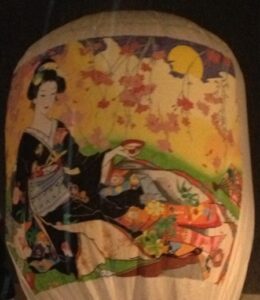
A giant paper balloon decorated

A giant paper balloon decorated with a portrait of a beautiful woman
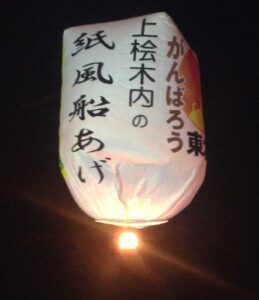
A giant paper balloon gently rising into the night sky


◆Kariwano Giant Tug‑of‑War
 
In Kariwano, Daisen City, one of the largest tug‑of‑war events in Japan is held every year on 10 February. A massive rope, about 80 cm in diameter, 200 meters long, and weighing roughly 20 tonnes, is pulled by thousands of participants divided into two teams: the Upper Town and Lower Town. With a history of over 500 years, the event is rooted in a tradition that predicts the year’s fortunes: if the Upper Town wins, rice prices will rise, and if the Lower Town wins, the harvest will be abundant. Visitors are welcome to join in and experience the excitement firsthand.
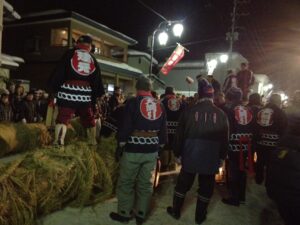
◆Kamakura (Yokote Snow Festival) 
In Yokote City, the Snow Festival called kamakura is held every mid‑February (13-14 February in 2026). With a history of about 450 years, dome‑shaped snow huts called kamakura are built, and inside, water deities are enshrined to pray for family safety, business prosperity, and a bountiful harvest. Local children welcome visitors inside the huts with a sweet rice drink (amazake) and rice cakes (mochi). The softly illuminated kamakura scattered across the snowy landscape at night create a truly enchanting scene. 
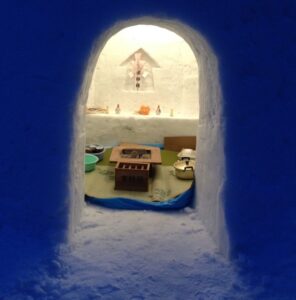
Inside a kamakura
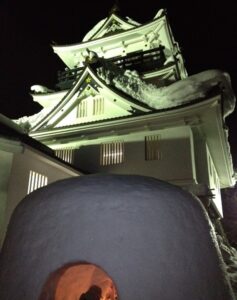
A kamakura in front of Yokote Castle


◆Namahage Sedo Festival
 
In Oga City, the Namahage Sedo Festival is held on the second Friday, Saturday, and Sunday of February. Originating from a Shinto ritual said to date back over 900 years, the sight of Namahage demons charging down the snowy mountain with torches is both thrilling and powerful. The Oga’s Namahage tradition involves young men dressing as deity‑like ogres on New Year’s Eve, visiting homes to ward off misfortune and admonish laziness. This folkloric event was designated as a UNESCO Intangible Cultural Heritage in 2018. 
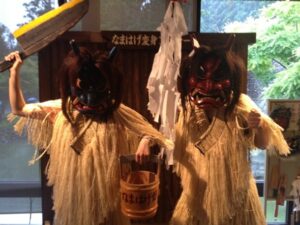
Namahage demons

Namahage demons running down a snowy mountain


◆Yuzawa Inukko Dog Festival 
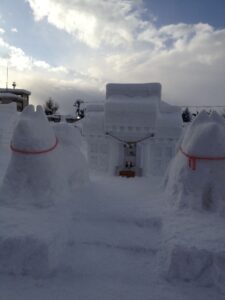
In Yuzawa City, the Inukko Dog Festival is held on the second Saturday and Sunday of February and has a history of about 400 years. The festival began with the custom of placing small dog figurines made of rice flour at home entrances and windows as charms to ward off theft. Today, the venue is lined with adorable dog-shaped snow sculptures, and as dusk falls, the snow shrines glow softly with candle lights. In recent years, a blessing ceremony for pet dogs has also been added, making the festival especially popular among dog lovers. 


Conclusion 
Akita’s Koshogatsu traditions have long been cherished as important events through which people living in snowy regions pray for a bountiful harvest and good health while strengthening community bonds. The flickering flames and glowing lights against the snowy landscape, along with beautiful snow structures such as kamakura, provide visitors with unforgettable experiences and the full charm of winter travel. Why not immerse yourself in the unique blend of culture and nature that Akita has to offer?       
カテゴリー: From the Executive Director, Uncategorised

Uncategorised

  •   9月1日(火)、県産品の販路拡大や観光誘客に向けた現地視察のためオーストラリアを訪問された「新潟県議会オーストラリア訪問団」の皆様が、クレアシドニー事務所に来所されました。


    当事務所からは、業務概要のほか、オーストラリアの国勢や経済等に関する基本情報、多文化主義の歴史などについてブリーフィングを行いました。質疑応答では、日本産農産物の流通状況や、当地における日本の自治体によるプロモーションの特徴、JETプログラム経験者との連携のあり方などについて多くのご質問をいただきました。
     
     
    また、当事務所では、ブリーフィングに加え、訪問先へのアポイントメント取得に対する支援も行いました。実り多きご訪問となるよう、少しでもお役に立てていれば幸いです。
    クレアシドニー事務所では、オーストラリア・ニュージーランドにおける日本の自治体の様々な活動を支援しています。活動支援のご希望がございましたら、どうぞお気軽にお問い合わせください。
  • 9月7日(月)、在シドニー日本国総領事館にて、9月中旬から下旬にかけて日本へ出発予定の新規JETプログラム参加者5名を対象に、出発前オリエンテーションが開催されました。
    ▼JETプログラム概要(JETプログラムホームページ)

     
    オリエンテーションでは、元JET参加者である総領事館職員から、赴任に向けた心構えや日本で働く際の注意事項などの説明があったほか、JET経験者としてのアドバイスや質疑応答が実施されました。


    クレアシドニー事務所からは、JETプログラムにおけるクレアの役割やJET参加者を対象とした研修、クレアによるサポート体制などを説明しました。また、任期終了後もJETAA(元JET参加者の会)の一員として、JETの経験を活かし、活躍することが可能であることを紹介しました。
     
     
    新規JETの皆さんが、 JET在任期間中にさまざまな経験を積み、見識を広げていただくとともに、日本の人々との草の根の交流を通じて、日本とオーストラリアをつなぐ懸け橋として活躍していただくことを期待しています。日本で充実した素晴らしい時間を過ごされますよう、願っています。
  •  クレアシドニー事務所は、9月3日、4日に南オーストラリア州アデレードで開催された「アジア・太平洋水素サミット」において、福岡県によるブース運営を支援しました。
    ブースでは、県や水素エネルギー製品研究試験センターが進める水素関連の取組が紹介されるとともに、県内企業2社により、水素関連製品のプロモーションが行われました。


    ブースには、2023年に福岡県と水素分野での協力に関する覚書(MoU)を締結したニューサウスウェールズ州政府の担当者をはじめ、多くの行政関係者、水素関連企業、研究者が来訪し、活発な意見交換が行われたほか、福岡県の取組について熱心に質問する来場者の姿も見受けられました。


    クレアシドニー事務所では、オーストラリア・ニュージーランドにおける日本の自治体の活動を支援しています。活動支援のご希望がございましたら、どうぞお気軽にご相談ください。
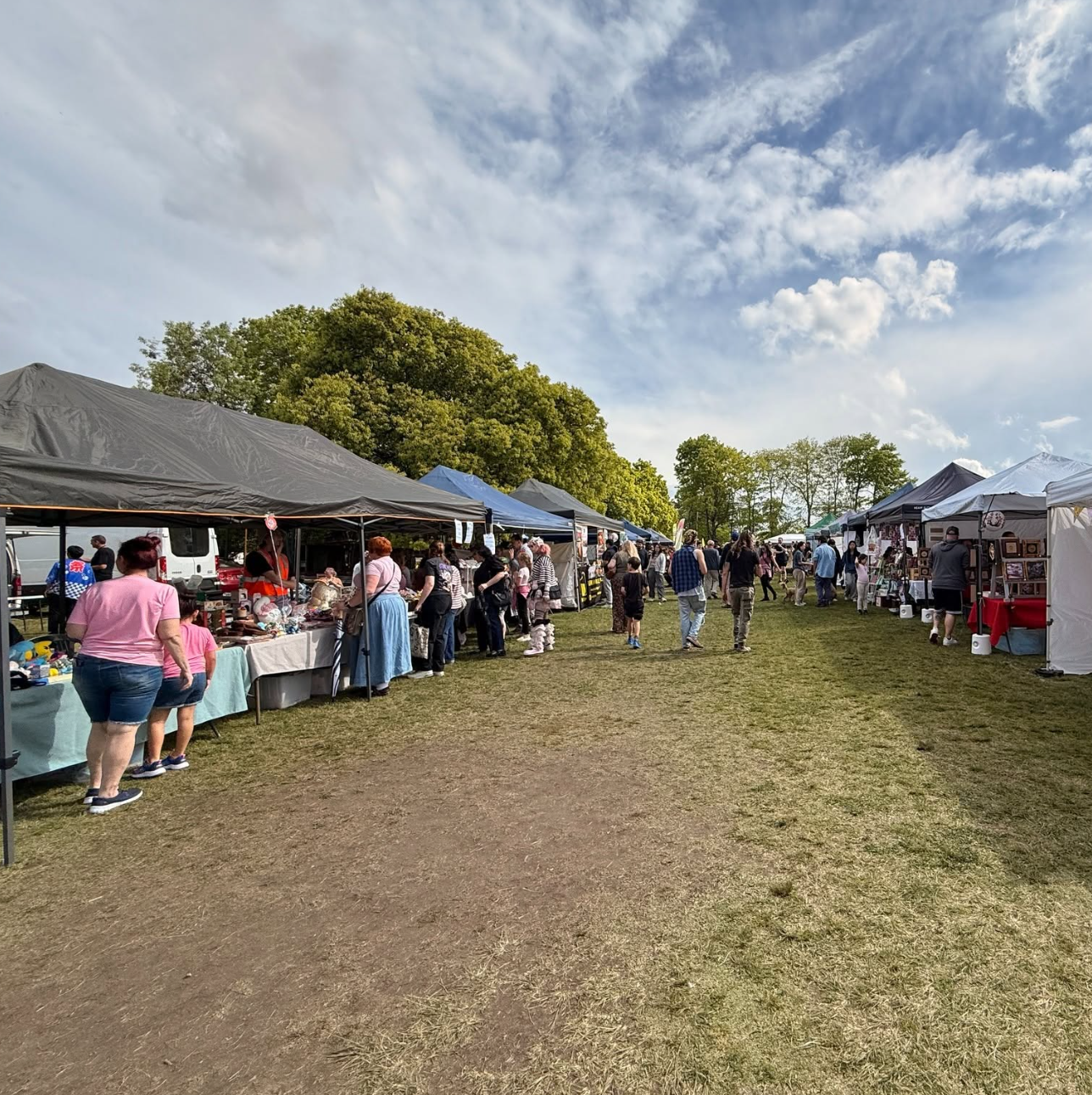
  • 9月5日(土)、クイーンズランド州ブリスベンにて「祭ブリスベン2026」が開催されました。絶好の晴天に恵まれた会場には、100を超える日本食の屋台や日本商品の物販ブースが並び、日本の歌やダンスが次々と披露され、多くの来場者が日本の食や文化を楽しんでいました。


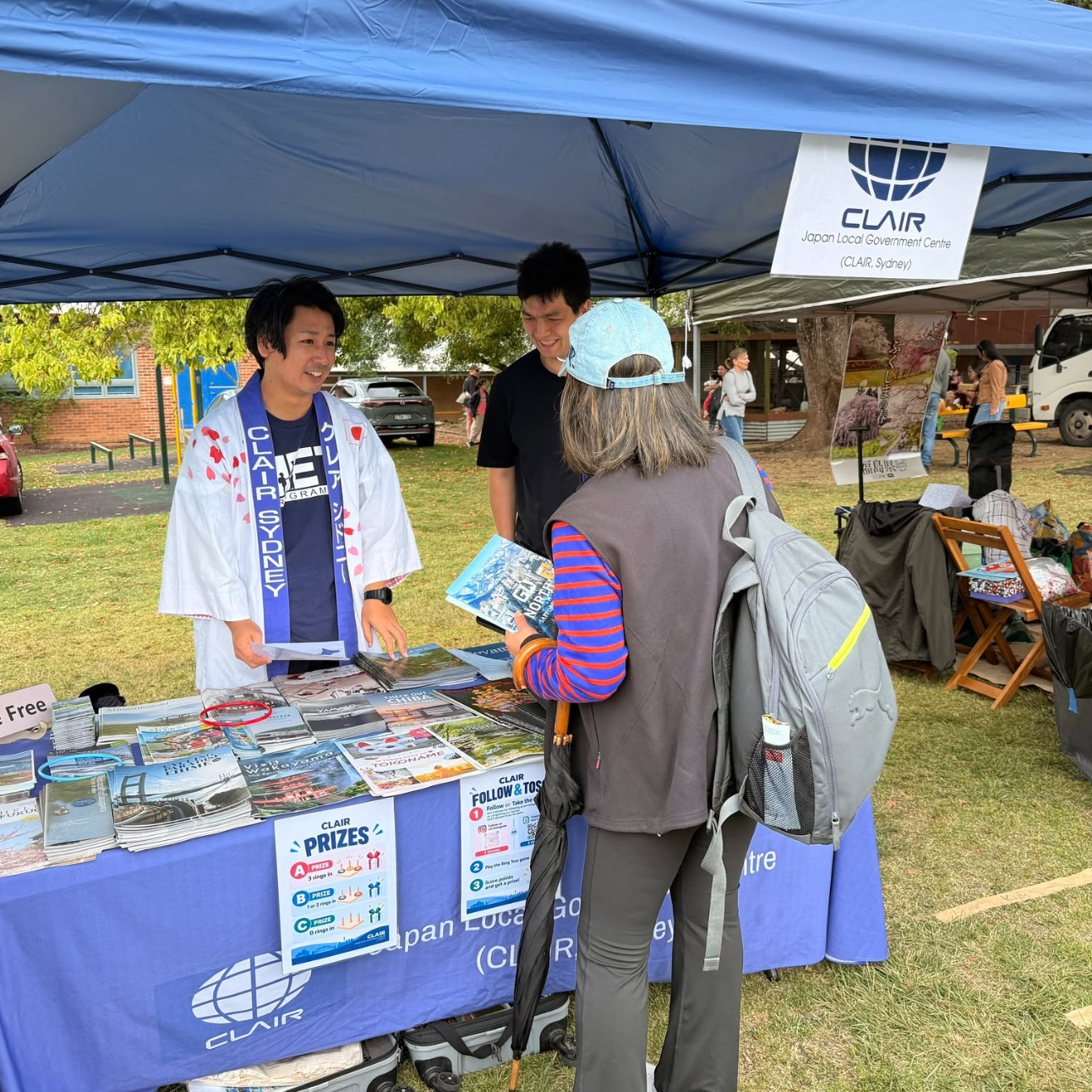
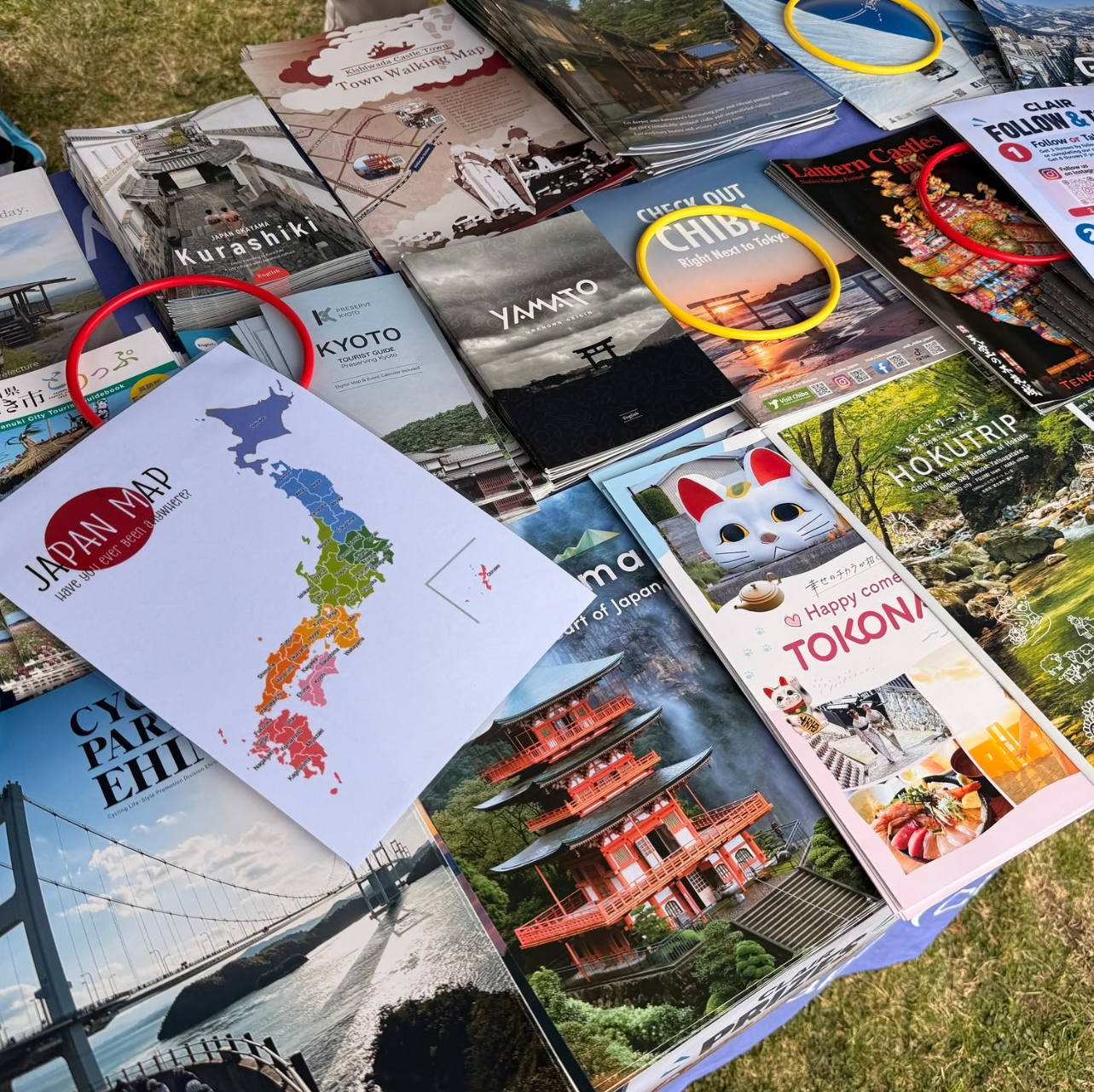
    クレアシドニー事務所はブースを出展し、日本各地の魅力をPRしました。訪日経験のある方から九州や四国をはじめとする地域に関する問い合わせを多くいただいたほか、トレッキング、サイクリングなどのアクティビティや金継ぎ体験に関する質問も寄せられるなど、日本の地方や自然、文化への関心の高さがうかがえました。
     
     
    今後とも、こうしたイベントへの出展等を通じて、日本各地の多彩な魅力を発信してまいります。
  • “English only”

    The latest issue of our correspondence is released.

    View this correspondence in PDF.

  • Newsletter No.204を投稿いたしました。

  • Through tourism and other ventures, Fukushima Prefecture is strengthening its ties with Australia, sharing details of the current situation in Fukushima and promoting the region’s diverse attractions. 


    In May 2025, Governor Masao Uchibori visited Australia, and met with Her Excellency the Honorable Sam Mostyn AC, Governor-General of Australia, government officials, representatives of foreign embassies, and Japanese community organisations. Through these meetings, Governor Uchibori directly shared the current state of Fukushima’s recovery following the Great East Japan Earthquake and nuclear accident, as well as the prefecture’s many attractions, including its food and tourism experiences. 

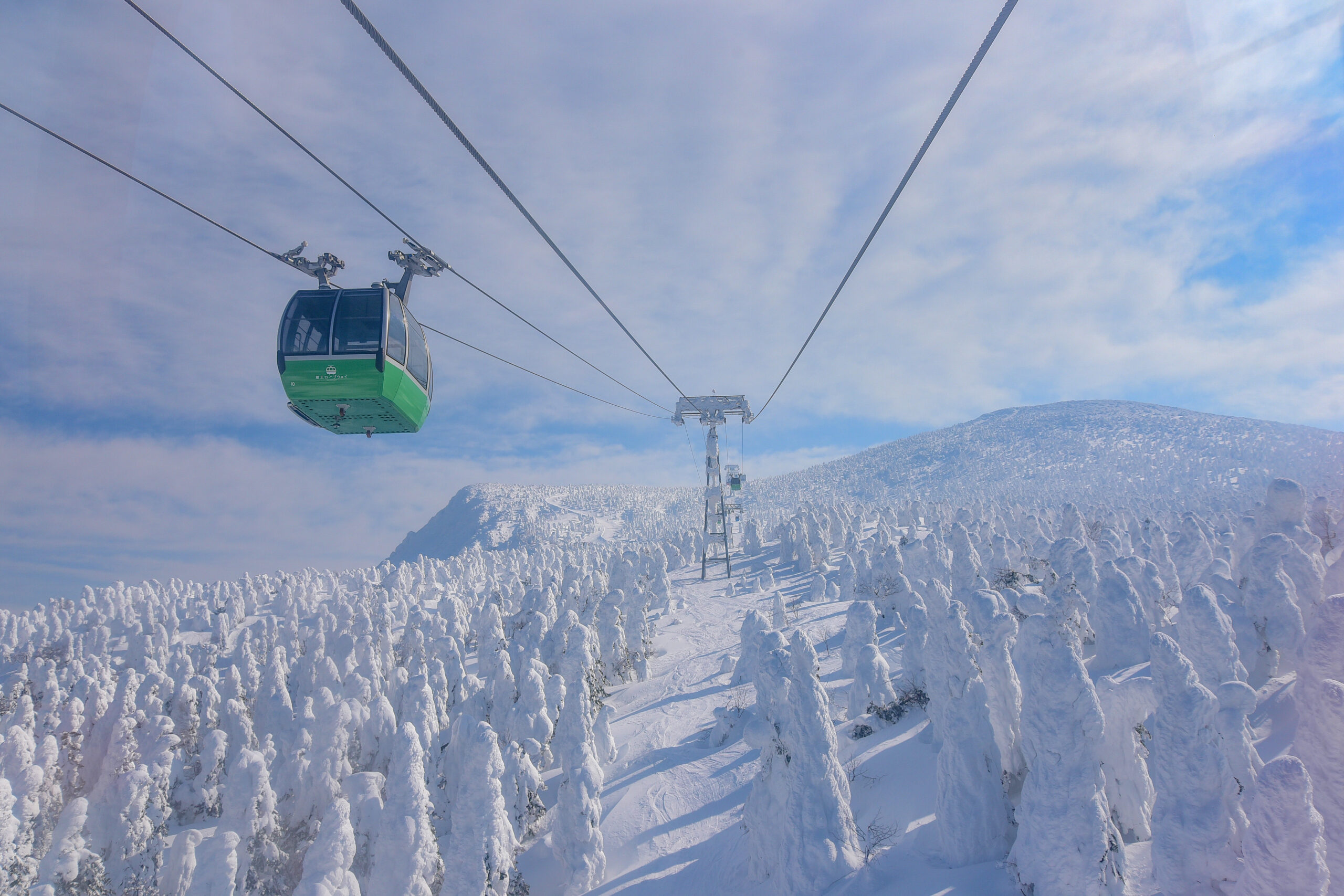
    Alongside promoting the renowned sake of Fukushima, to expand sales opportunities in the Australian market, the prefecture also participated in the Snow Travel Expo. As Australia’s largest snow travel exhibition, it was the perfect venue to showcase the region’s ski resorts and high-quality powder snow. Through these initiatives, Fukushima is working to raise awareness of the region as a travel destination and attract more international visitors.  In the tourism sector, Fukushima Prefecture signed a Memorandum of Understanding (MOU) to promote tourism with the Australian Tourism Industry Association (ATIA). Following the signing of the MOU, Fukushima and ATIA worked together in November 2025 to invite three Australian travel companies to Fukushima for a familiarisation (FAM) tour. This partnership is making a significant contribution to raising awareness of Fukushima among Australian travel professionals. 


     This year, with the full support of ATIA, Fukushima also hosted a webinar for Australian travel companies, with participants invited to join an upcoming FAM tour later in the year.  The tour will introduce Aizu, an area where Fukushima’s history and traditional culture remain particularly strong, as well as Hope Tourism*. 

    Fukushima offers a rich variety of experiences: delicious local cuisine, world-class sake, traditional culture, samurai heritage, and excellent snow for skiing. With its unique combination of history, culture, food and nature, Fukushima offers something new to discover on every visit. We will continue to strengthen our exchanges and promote Fukushima in Australia, with the hope that more Australians will choose Fukushima as their next destination in Japan. 


    *Hope Tourism: A unique travel experience derived from Fukushima’s status as the only place in the world to have experienced the complex triple-disaster of an earthquake, tsunami and nuclear accident. This Fukushima-specific “learning journey” takes place in disaster-affected areas and explores the experiences and lessons learned from  the earthquake and nuclear disaster. 

  •  The longstanding Sister City relationship between Gladstone Regional Council and Saiki City, Japan, reached a significant milestone in 2026, with the two communities celebrating 30 years of friendship, cultural exchange and shared connection.

    To mark the 30th anniversary, Gladstone Mayor Matt Burnett, Gladstone Regional Council and the local community welcomed a delegation from Saiki City in July 2026.

    The delegation was led by Saiki Mayor Kuniko Tomitaka and included Saiki City Council representatives Kyo Sugahara (Secretary to the Mayor, Mayor’s Office and Public Relations Division); Takatoshi Fukuda (Assistant Director, Connecting Communities Division); Hiroaki Kamikawa (Assistant Chief General, Connecting Communities Division); and Kate Alessia Maccarone (Coordinator for International Relations, Connecting Communities Division).

    The delegation was also joined by a group of Saiki students who travelled to the Gladstone region to experience local schools, community life, culture and industry, and to build connections with young people and the wider Gladstone community.

    The visit provided an opportunity to reflect on three decades of connection between Saiki and Gladstone, while also strengthening the relationship for future generations.


    Connecting through education and young people

    A key focus of the visit was providing opportunities for the Saiki students to connect with young people in the Gladstone region.

    The students participated in visits to Chanel College, Tannum Sands State School and Tannum Sands State High School, giving them the opportunity to experience Australian education and meet local students. The school visits encouraged cultural exchange, with students sharing their experiences of life and education in Japan and Australia.

    The students also stayed with local host families in Tannum Sands, providing a valuable opportunity to experience everyday Australian family and community life.


    For the young participants, the visit was about much more than sightseeing. It created friendships, encouraged cross-cultural understanding and demonstrated how international relationships can have a lasting impact at a personal level.

    Showcasing the Gladstone region

    The delegation also experienced some of the diverse opportunities and attractions that make the Gladstone region unique.

    The program included visits to Awoonga Dam, CQUniversity, local schools, the Gladstone Region Art Gallery and Museum (GRAGM), the Gladstone Library and local industry.

    A regional industry tour provided the Saiki delegation with an insight into Gladstone’s economic strengths and industrial landscape, while visits to local cultural facilities showcased the region’s creative and community assets. The program also included opportunities to experience the local environment, including visits around Tannum Sands and the coastline.

    Strengthening economic and civic connections

    The anniversary visit also provided an opportunity to strengthen connections beyond cultural exchange.

    A Trade and Investment Round Table brought together representatives to discuss opportunities for economic and business connections between Gladstone and Saiki.

    The Saiki delegation also met with local representatives and experienced a range of Gladstone facilities and community initiatives, reinforcing the broader value of the Sister City relationship.


    These activities highlighted how the relationship has the potential to support not only cultural and educational exchange, but also future collaboration across business, investment, tourism and community development.

    Sharing culture and community

    Cultural exchange was an important part of the visit, with the delegation experiencing local arts, community activities and Australian traditions.

    A cultural burn, visits to the Gladstone Region Art Gallery and Museum and community activities provided opportunities for the delegation to learn more about the region’s history, culture and identity.

    The visit also included a farewell barbecue at Millennium Esplanade, bringing together the delegation, local students, host families, Council representatives and members of the community.

    These informal moments were an important part of the program, allowing relationships to develop beyond the formal itinerary.

    Looking to the next 30 years

    The 30th anniversary visit was an opportunity to celebrate the history of the Saiki–Gladstone relationship while looking towards its future.

    Since the Sister City relationship commenced in 1996, generations of residents, students, volunteers, community organisations and local government representatives have contributed to maintaining the connection between the two cities. The 2026 delegation demonstrated that the relationship continues to provide meaningful opportunities for cultural understanding, education, friendship and collaboration.

    Most importantly, the visit placed young people at the centre of the anniversary celebrations, helping to ensure that the friendship between Saiki and Gladstone continues to grow.

    As the two communities look towards the next chapter, the 30th anniversary provides a strong foundation for renewed student exchanges, cultural programs, community partnerships and opportunities for people from Saiki and Gladstone to learn from one another.

    Thirty years of friendship is a significant achievement – and the connections created through this visit will help shape the next 30 years of the Saiki–Gladstone Sister City relationship.

  •  8月23日(日)、南オーストラリア州バーンサイドで、南オーストラリア豪日協会とバーンサイド市の共催により、「アデレード和風文化祭(Adelaide Japanese Cultural Day)」が開催されました。


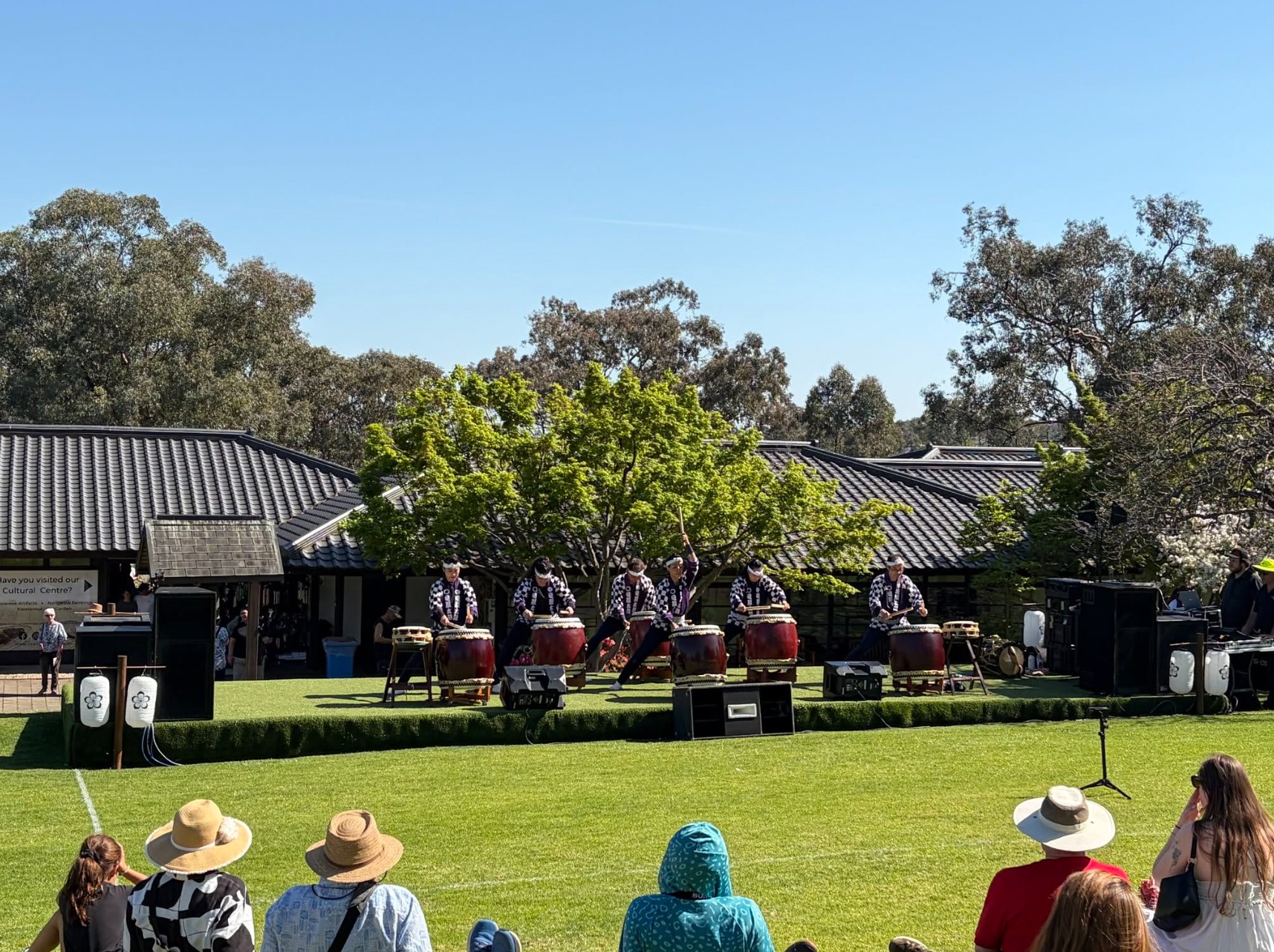
    会場には、書道や折り紙などの体験コーナーが設置され、琴や太鼓、剣道、空手などのパフォーマンスも披露されるなど、日本文化を楽しむ多くの来場者で賑わっていました。
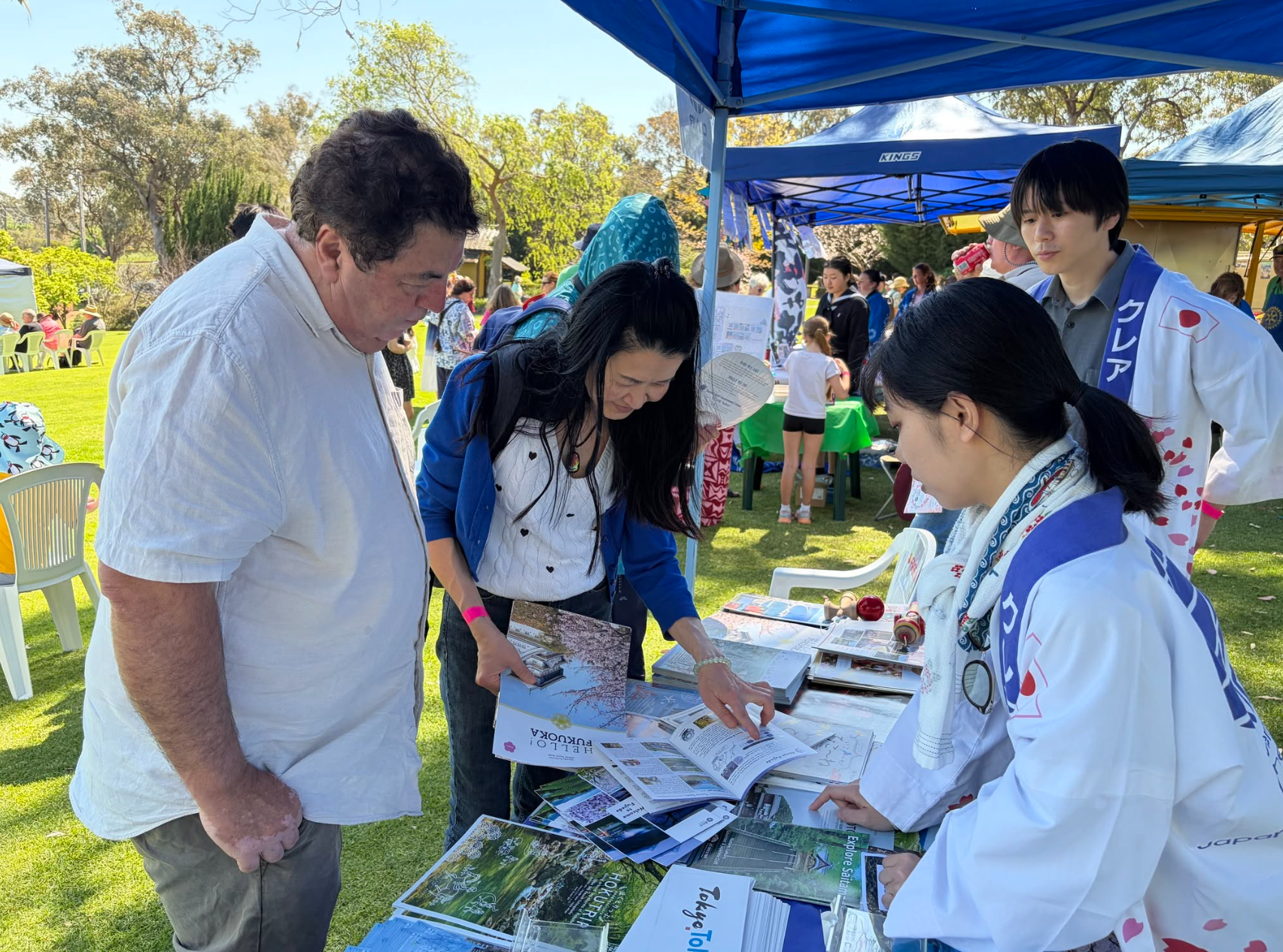
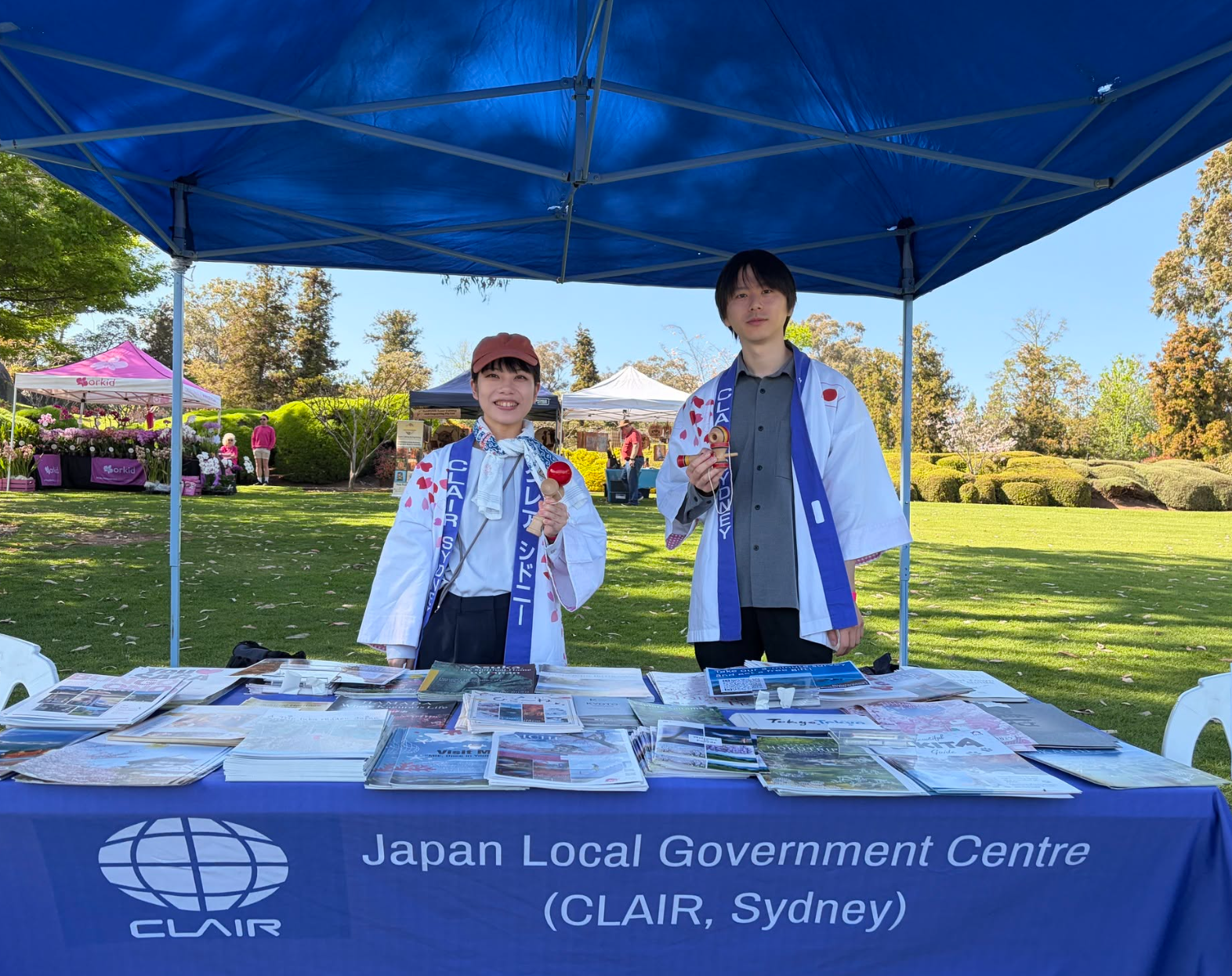
    クレアシドニー事務所は、会場内にブースを出展し、アデレード市の姉妹都市である姫路市をはじめ、日本各地の自治体の魅力をPRしました。小さなお子さん連れのご家族や年配の方々など、多くの来場者から、ウォーキングやトレッキングに適した地域について質問が寄せられるなど、自然やアウトドアアクティビティを楽しめる地域への高い関心がうかがえました


    今回のイベントを通じて、日本文化や日本各地への理解が深まり、将来の訪日の契機となることを期待しています。
  •  My name is Dashiel Baker. I’m a second-year Arts student at UNSW studying Politics & International Relations and Japanese. I’ve been self-studying Japanese for about six years now, on and off, and that study led me to CLAIR. I recently completed an internship at CLAIR Sydney through my university’s Work Integrated Learning (WIL) program, and so I thought it would be useful to briefly document my experience.

    Over the last two months, two days a week, I primarily did bilingual policy research in English and Japanese on topics ranging from busking laws to the minimum wage to homelessness. But my main project was comparing the NSW Government’s Transport Oriented Development (TOD) Program with Japan’s compact-city planning framework (ricchi tekiseika keikaku). Far more interesting than it sounds; Japan is planning its cities inward because there will soon be too few people to keep the outskirts running, whereas NSW is rezoning around its stations because there are too many people and nowhere to put them. Opposite problems, and yet, both arrived at more or less the same answer.

    Aside from that, a particular highlight was getting the opportunity to deliver an orientation briefing in Japanese to a group of visiting Japanese middle school students. Two months earlier, I’m almost certain, I would have been far too nervous to even attempt something of the sort. What I’ll carry with me most, though, is the office environment itself. I won’t name anyone in particular because that would mean having to name everyone. But our weekly one-on-one discussions meant I got the chance to know everyone properly, and not just those I worked with directly.

       
    On my last day I was thrown a farewell party, and at the end of it everyone stood up and made a tunnel with their arms for me to walk out through. I thought about it the entire way home.


    So thank you all for your patience with my Japanese, your feedback on my mountain of drafts, and your kindness throughout.