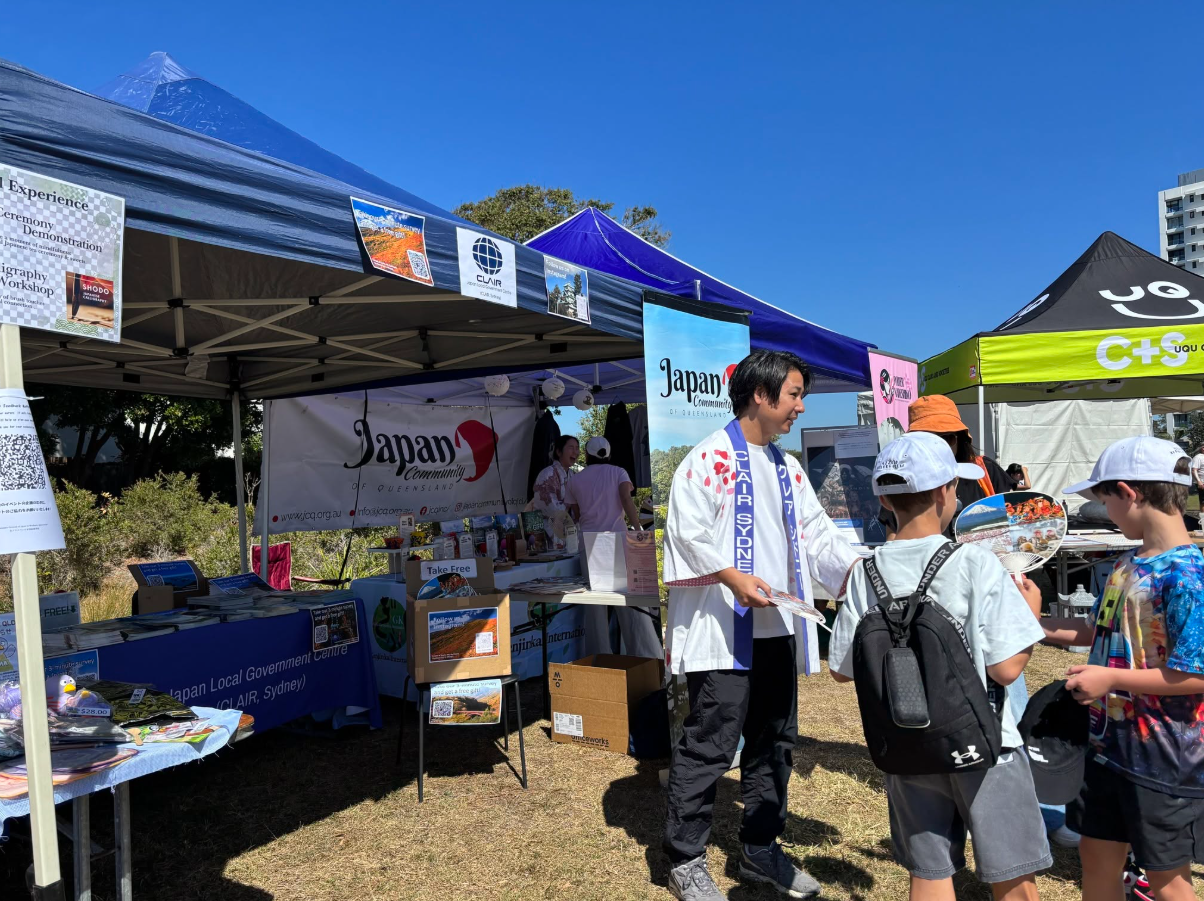
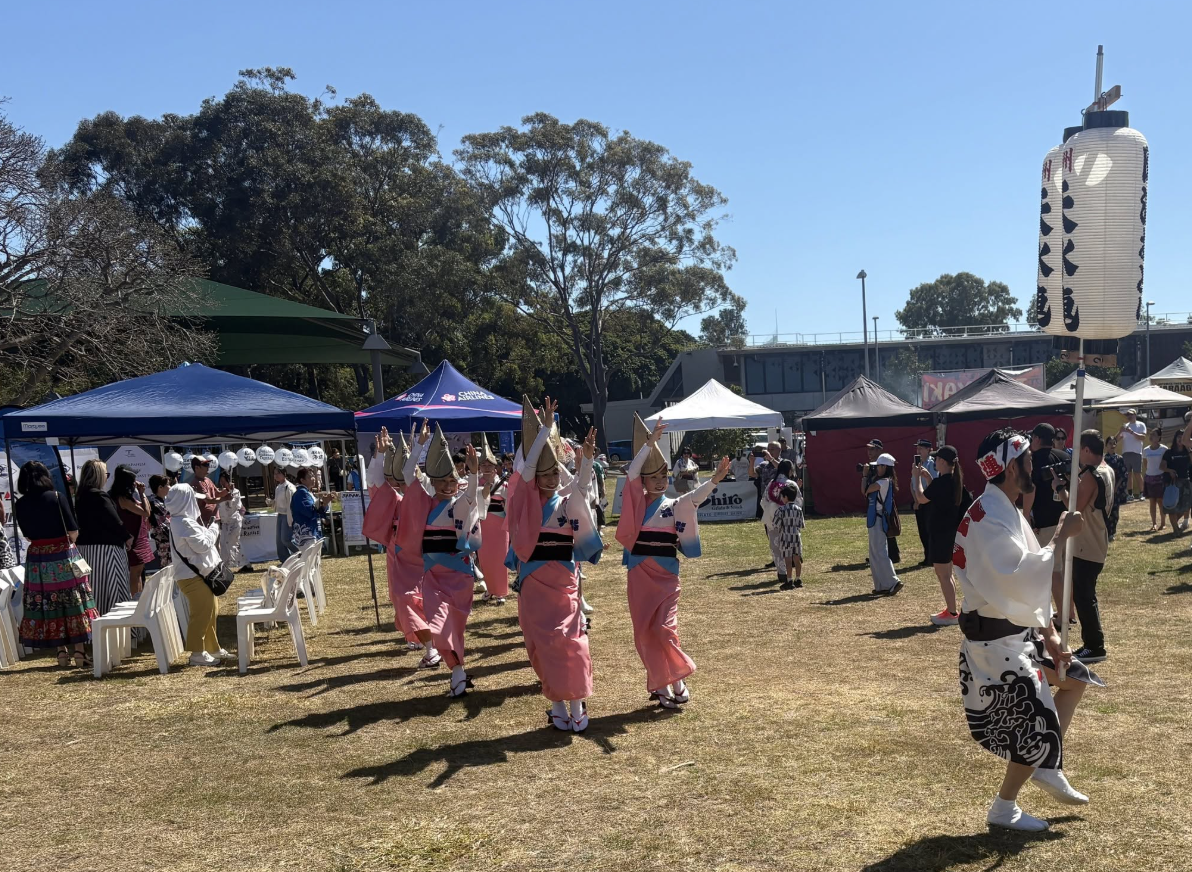
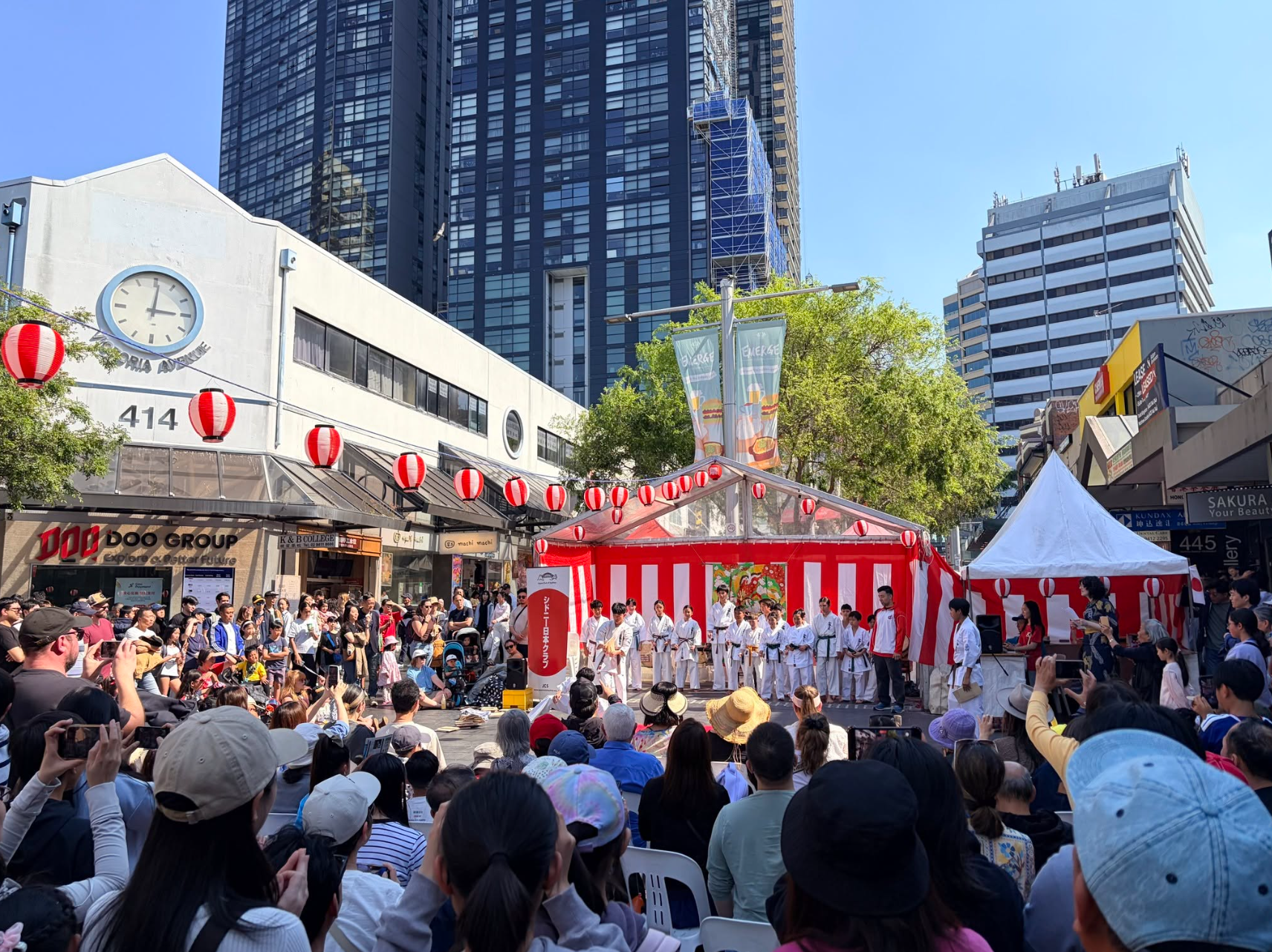
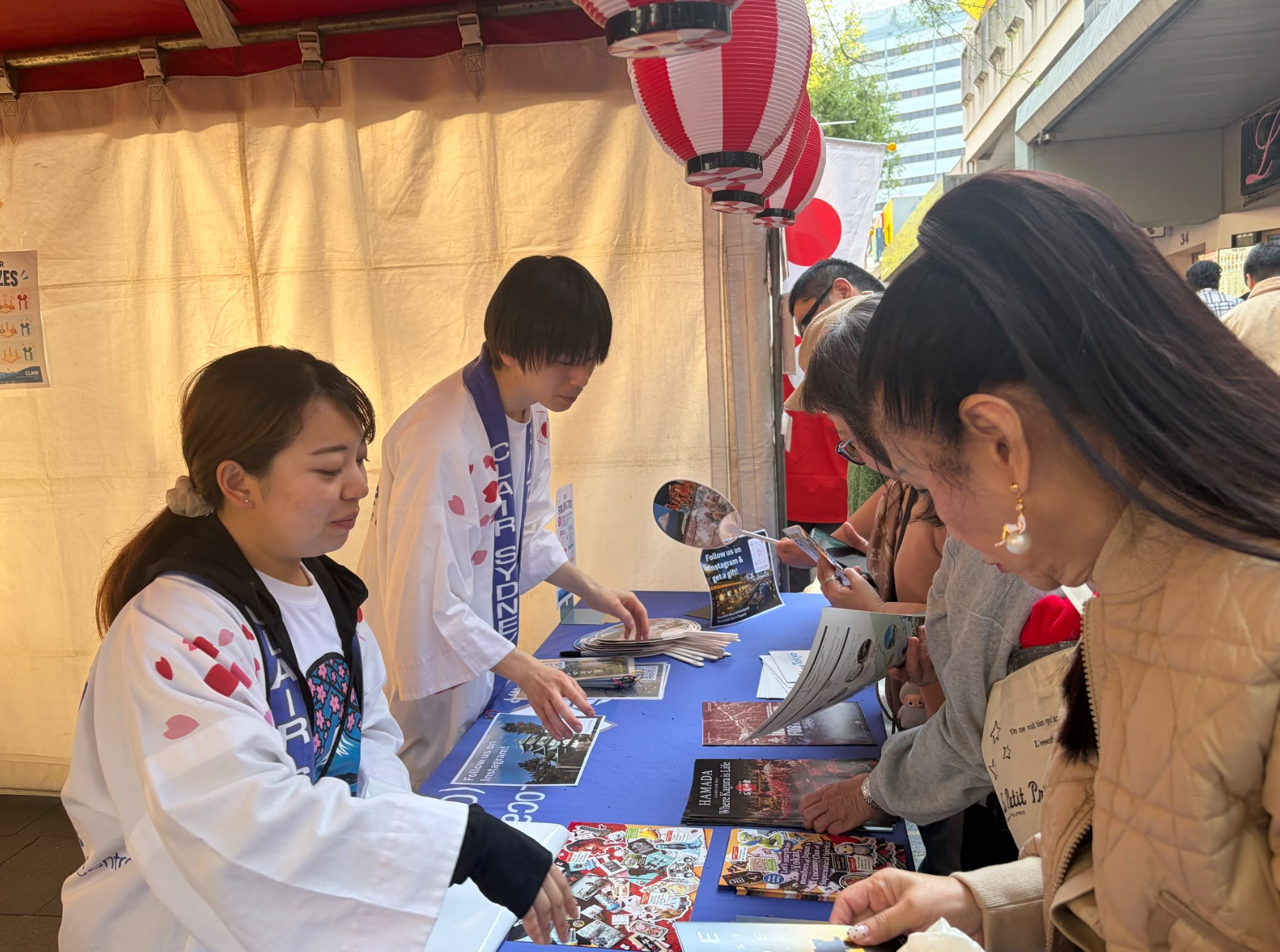
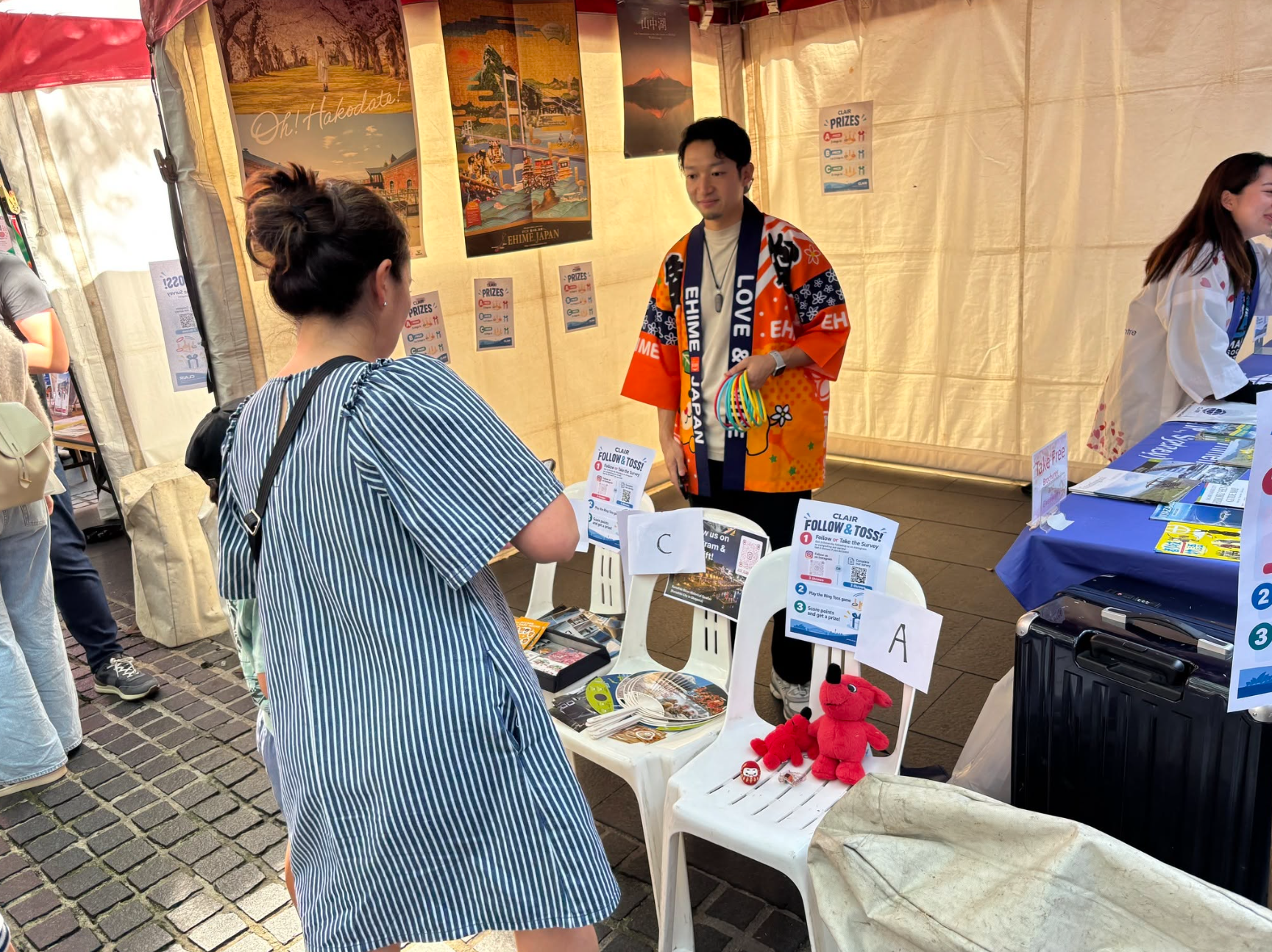
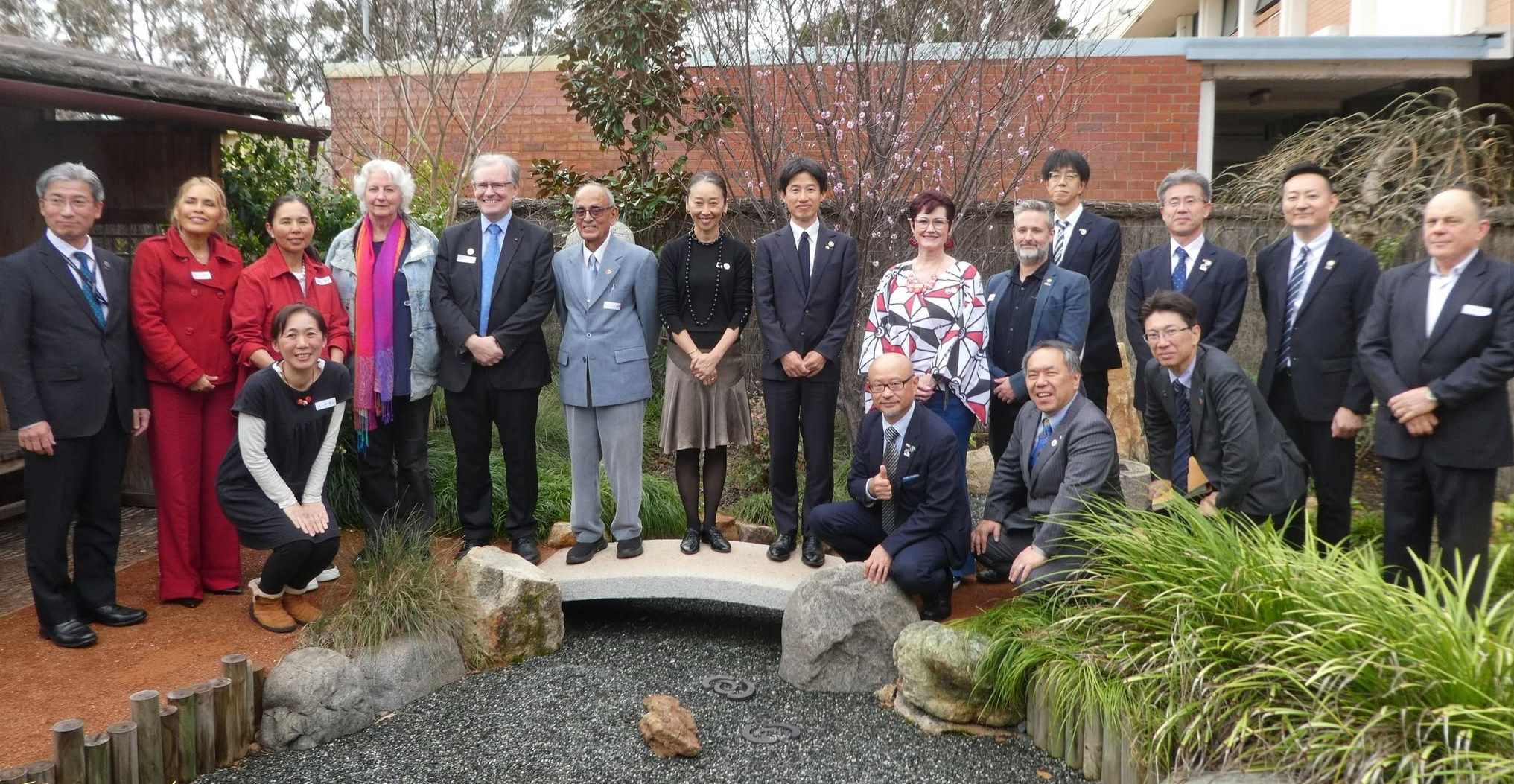
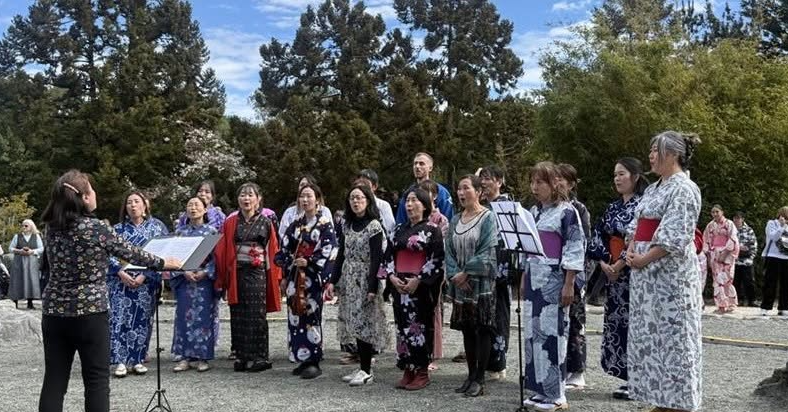
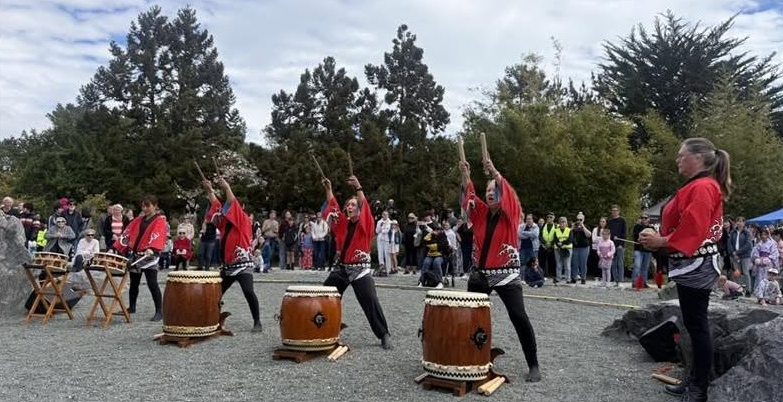
On 27 September, I participated in the annual Sakura Matsuri (Cherry Blossom Festival) in Cowra, New South Wales—my second visit to the town following the 81st Anniversary Commemorations of the Cowra Prisoner of War Breakout in early August. This time, we set up a CLAIR Sydney booth at the festival venue, featuring brochures from various regions of Japan to promote the country’s diverse attractions.
The venue for the festival, the Cowra Japanese Garden, is reputed to be the largest Japanese garden in the Southern Hemisphere. When I visited in August, the garden was quiet, with few flowers in bloom. This time, however, the cherry blossoms and many other flowers were in full bloom, creating a vibrant and colourful landscape that was truly a delight to behold.
Cherry blossoms hold a special place in the hearts of Japanese people. As spring approaches, Japanese weather reports begin featuring the sakura zensen, the cherry blossom front, which maps out when and where the blossoms will bloom across the country. Communities eagerly anticipate the arrival of the blossoms in their area, and once they begin to bloom, excitement builds around when they will reach full bloom. At workplaces and schools, conversations about cherry blossoms become common, and many people head out with family or friends to enjoy hanami, picnicking under the blooming cherry blossoms.
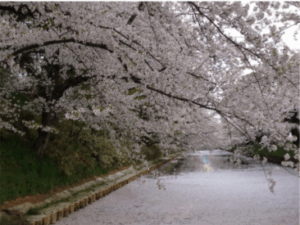
Hana Ikada (Hirosaki Park, Aomori Prefecture)
Why are Japanese people so drawn to cherry blossoms? While there are researchers who explore this question, here’s how I see it.
In Japan, cherry blossoms begin blooming in the southern regions, such as Okinawa and the Kyushu region, and gradually make their way north, eventually reaching the Tohoku region and Hokkaido later in the season. Some early-blooming varieties, such as Kawazu-zakura in the Izu Peninsula of Shizuoka Prefecture, start flowering as early as February, while in late-blooming areas, blossoms may appear into early May. That said, the peak viewing season in most regions fall between late March and early April.
Cherry blossom season in Japan coincides with major life transitions such as graduations, starting school or university, beginning a new job, relocations, and retirements. Because cherry blossoms often appear during these emotionally significant milestones, their beauty becomes deeply tied to personal memories. I believe this connection is why Japanese people feel such a strong emotional response when they see cherry blossoms.
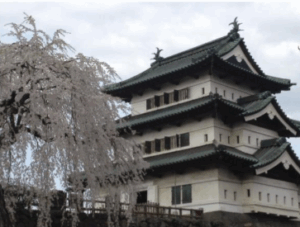
Cherry Blossoms and Hirosaki Castle (Hirosaki Park, Aomori Prefecture)
When speaking with people here in Australia and New Zealand, I’m often asked, “Where should I go in Japan to see cherry blossoms?” or “When is the best time to visit?” As my predecessor noted in our May 2023 newsletter, Japan has countless famous cherry blossom viewing spots, and the timing of the bloom varies greatly depending on the region and the weather each year. Even in the same location, the start of the season, the peak bloom, and the duration of the blossoms can differ from year to year.
That is why it is hard to say definitively, where the best place is or when might be the perfect time to see the cherry blossoms. Every region has its own cherished cherry blossom viewing spots, each with a unique charm loved by the local community. And it’s not just the full bloom that is worth seeing—sakura fubuki, the flurry of sakura petals dancing in the wind, and hana ikada, the gentle drift of sakura petals across the surface of the water (such as at Chidorigafuchi, near the Imperial palace in Tokyo), are equally breathtaking and well worth experiencing.
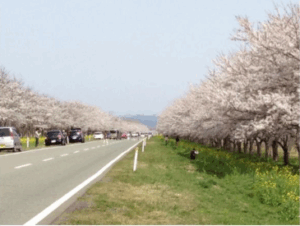
Cherry Blossoms and Canola Flowers Road, Ogata Village (Akita Prefecture)
The beautiful yet fleeting nature of cherry blossoms serves as a poignant reminder of the impermanence of life, urging us to pause, embrace the present, and find meaning in each passing moment.
I sincerely hope you will have the opportunity to visit Japan during the cherry blossom season and experience the fleeting beauty and charm of Japanese sakura for yourself.


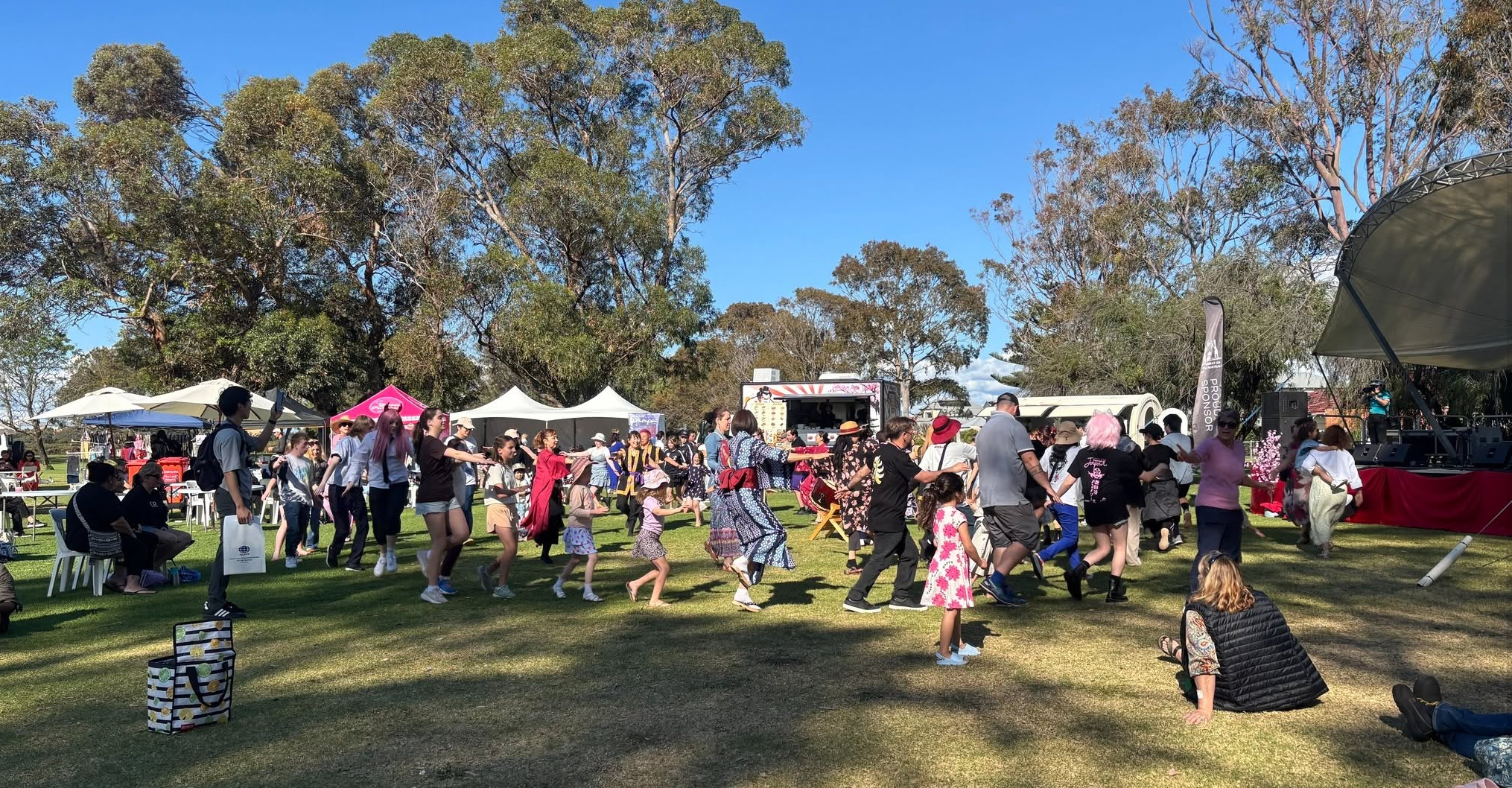
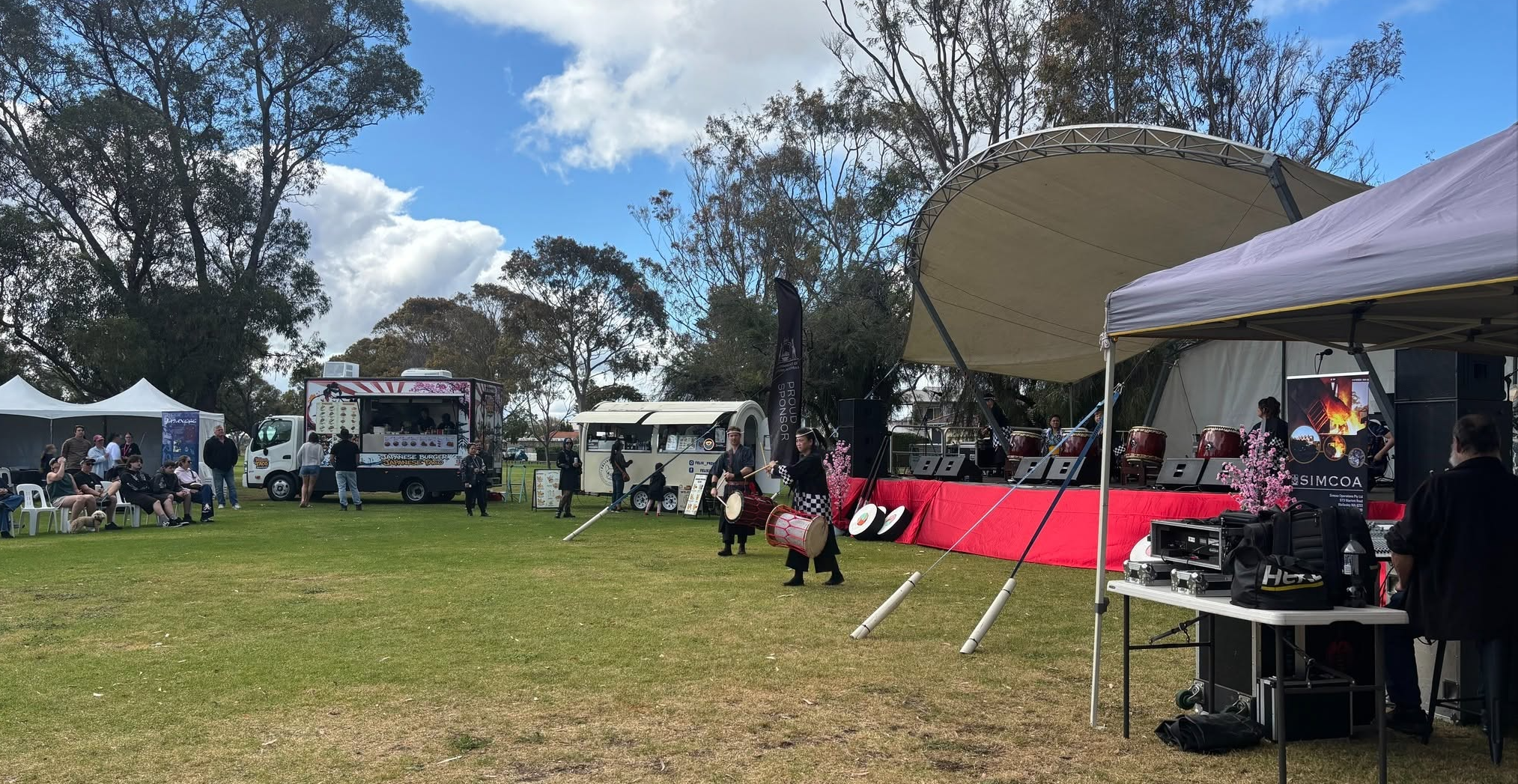

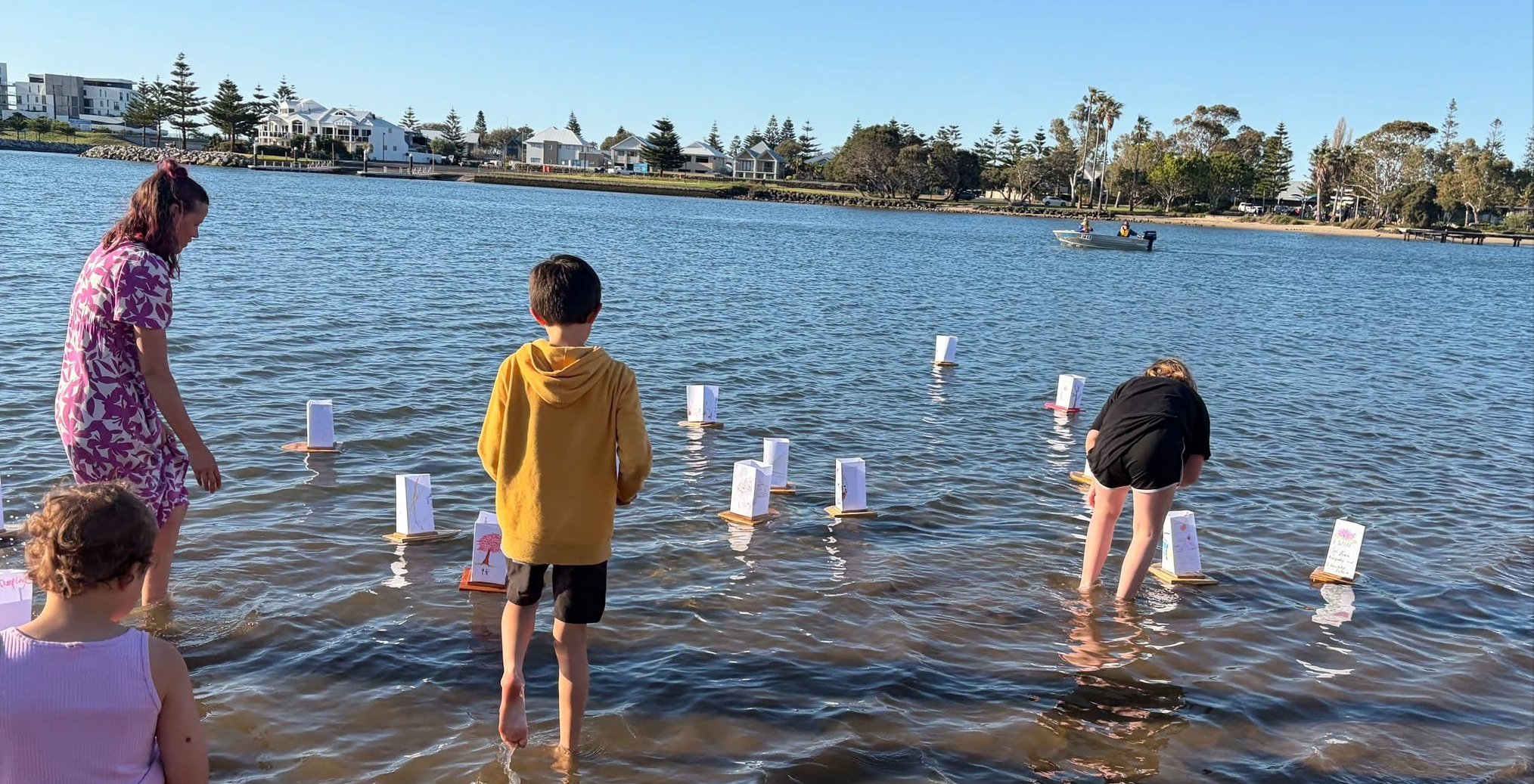 WA州の州都パースから車で約3時間かけて来場された方も複数いらっしゃるなど、日本への関心の高さがうかがえたほか、イベント終了後のランタンフェスティバルでは、日本国旗や桜が描かれたランタンが川面を彩り、当地における日本への親しみの深さを感じることができました。