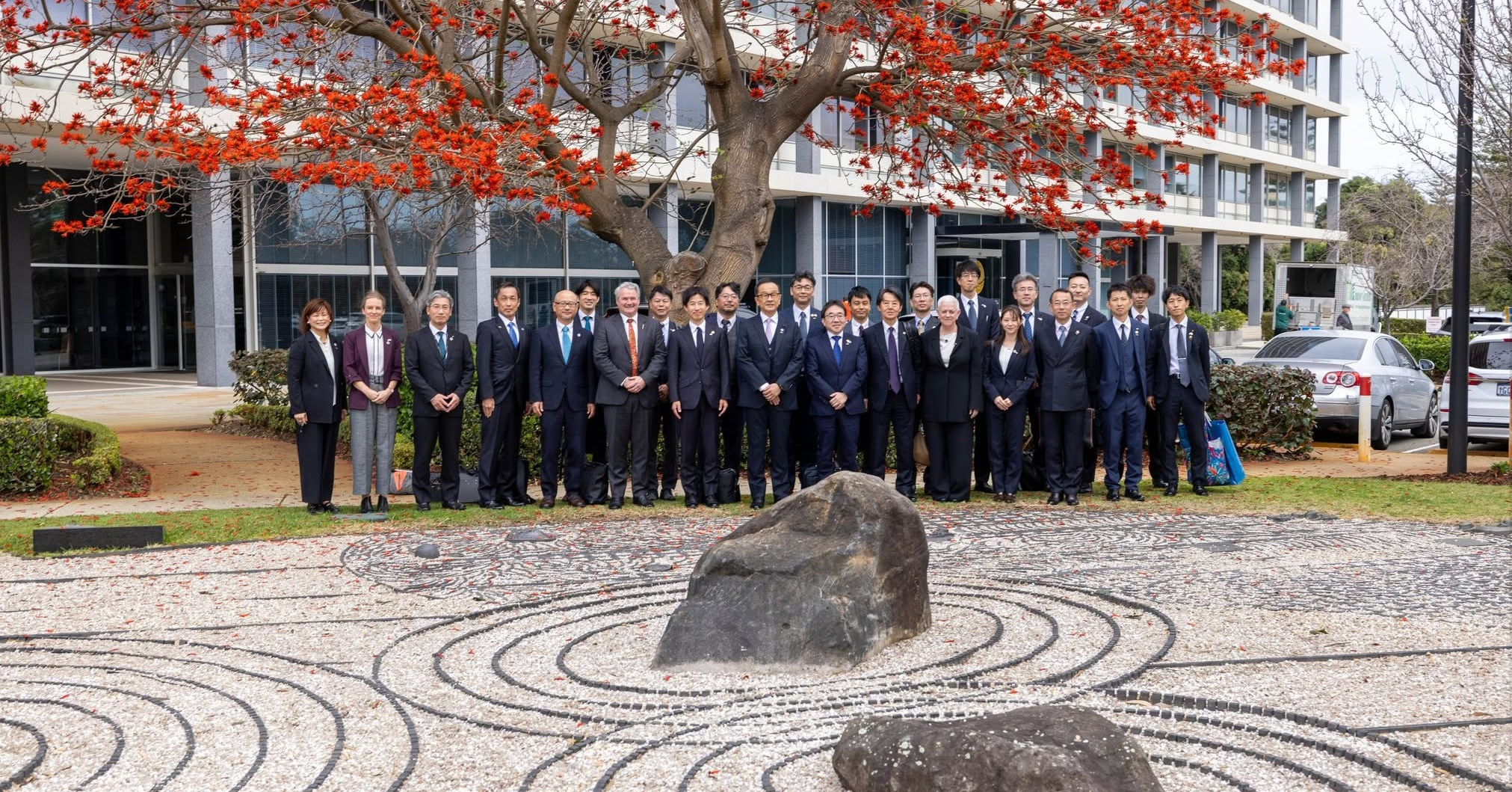
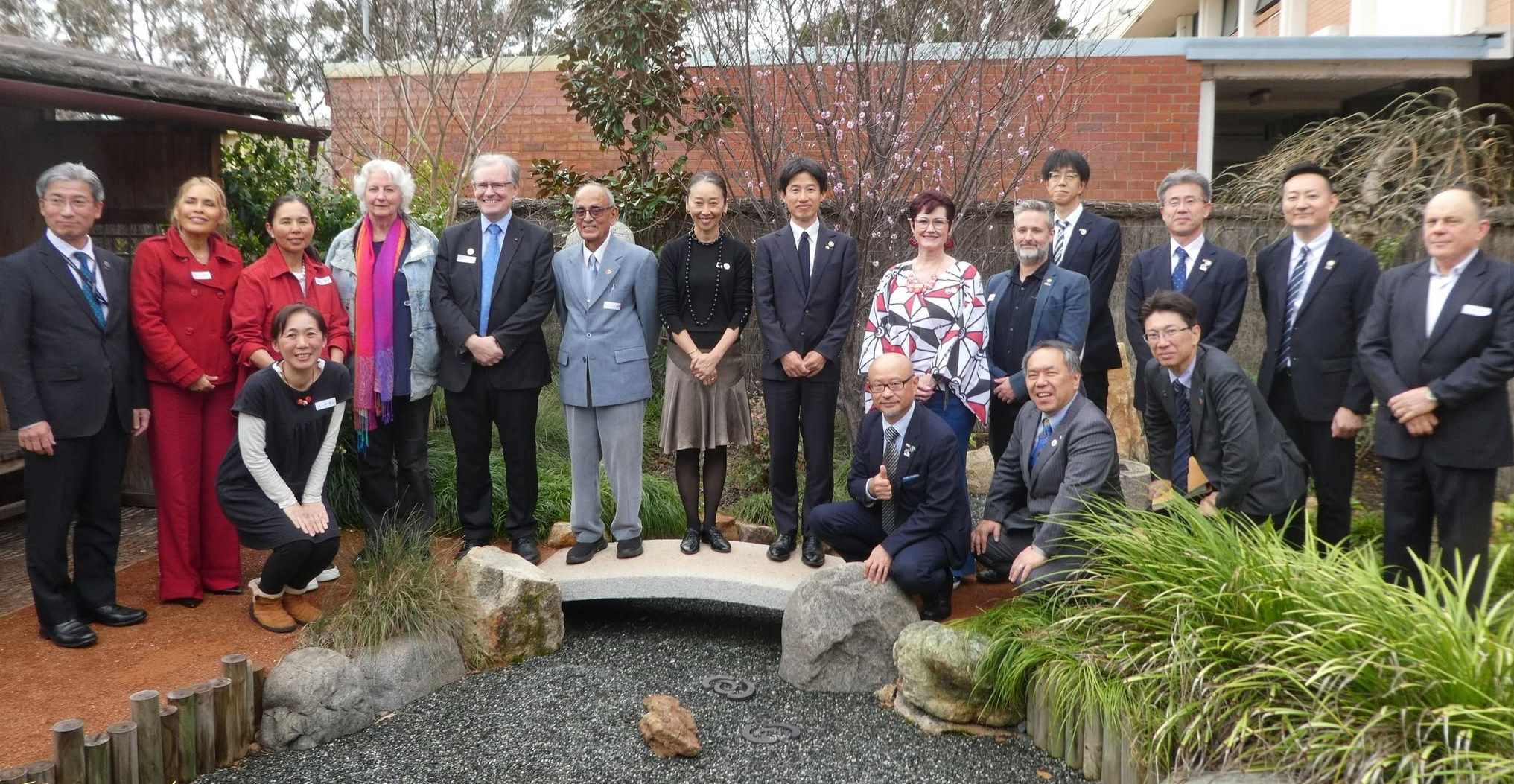
2017/2018 CLAIR FORUM

2017年度のCLAIR Forumの概要

開催日 2018年2月5日(月)

テーマ 「自治体が取り組む地域振興施策について」

会場 Breakfree Aanuka Beach Resort

主催 クレアシドニー事務所

共催 シドニー工科大学公共政策研究所

協力 コフスハーバー市

1.“The Role of Local Government in Regional Economic Development”             

UTSロバータ・ライアン教授が、地域経済の発展における自治体の役割について発表しました。地方における経済発展のために実施すべきことや目標、またオーストラリアの地方自治体における取組事例について紹介しました。

2.“Park Beach Lifestyle – Development Summary 2017-2018”                  

コフスハーバーで高齢者向け住宅の建設を担っているBachrach Naumburger Groupのスティーブ・グーレイ氏が発表しました。コフスハーバーでは今後高齢者人口の増加が予想されており、その受け皿となる住宅の建設を進めています。周辺には診療所やショッピングセンターがあり生活に便利な環境で整備を行っています。また流入してくるのはコフスハーバー近郊に住む人及び州内最大の人口を有するシドニーからが主となる予想しているとのことでした。

3.“Regional Revitalisation Activities in Kurihara City”                      

菅原所長補佐から宮城県栗原市における地域活性化の取組について発表しました。栗原市花山地区は、人口減少とともに高齢化が進み、現状の予想では今後数十年の間に集落が消滅する状況にあるというデータがあり、地域おこし協力隊の活動や大学との共同での取組、地域に人を呼び込むための宿泊施設開設といった取組について説明を行いました。

4.“Reutilisation of a Closed School in Tanabe City”                       

成田所長補佐から和歌山県田辺市における廃校を利用した取り組みについて発表しました。田辺市では国や自治体の支援を受け、廃校を活用し、レストランや宿泊施設、農業体験ができる施設が開設され、地域の活性化に貢献していることを説明しました。

5.“Regional Revitalisation – Tourism on the Coffs Coast”                    

コフスハーバーシティカウンシルのクリス・チャップマン氏が、コフスハーバーにおける観光客誘致について発表しました。コフスハーバー周辺地域は毎年180万人程度が訪れる全豪で11番目の観光地であり、半数以上(60%程度)がシドニーからの来訪者となっています。現在では、観光客への対応の向上(カスタマーサービスの向上)や、古くなった施設を改修するアップグレードプログラムを実施し、観光地として魅力的であり続けるための取組を実施しているとのことでした。

6.“Case Study: Regional Resources for Tourism”                        

藤島所長補佐から青森県田舎館村で行われている地域活性化のためのイベントについて発表しました。田舎館村では地元の特産品である米のPRのため日本で初めて田んぼアートの制作を行い、人気を集めています。その人気を別の形で利用する冬の田んぼアートによる冬季の誘客イベントにも発展し、地元を盛り上げる一助となっていることについて説明しました。

7.“Utilising Promotional Video to Boost Regional Recognition”                  

渡邉所長補佐からは、自治体が作成するプロモーションムービーを使ったPRについて発表をしました。地元の特産品(うどん)や名物(温泉)をテーマとしたもの、方言をテーマとしたものといった様々なプロモーションムービーについて説明し、その活用により地域の特徴等を伝える手段として用いられている事例を紹介しました。  

カテゴリー: CLAIR Forum

Uncategorised

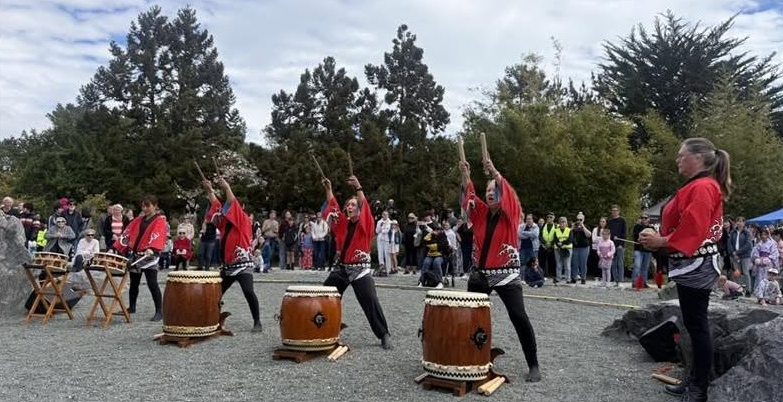
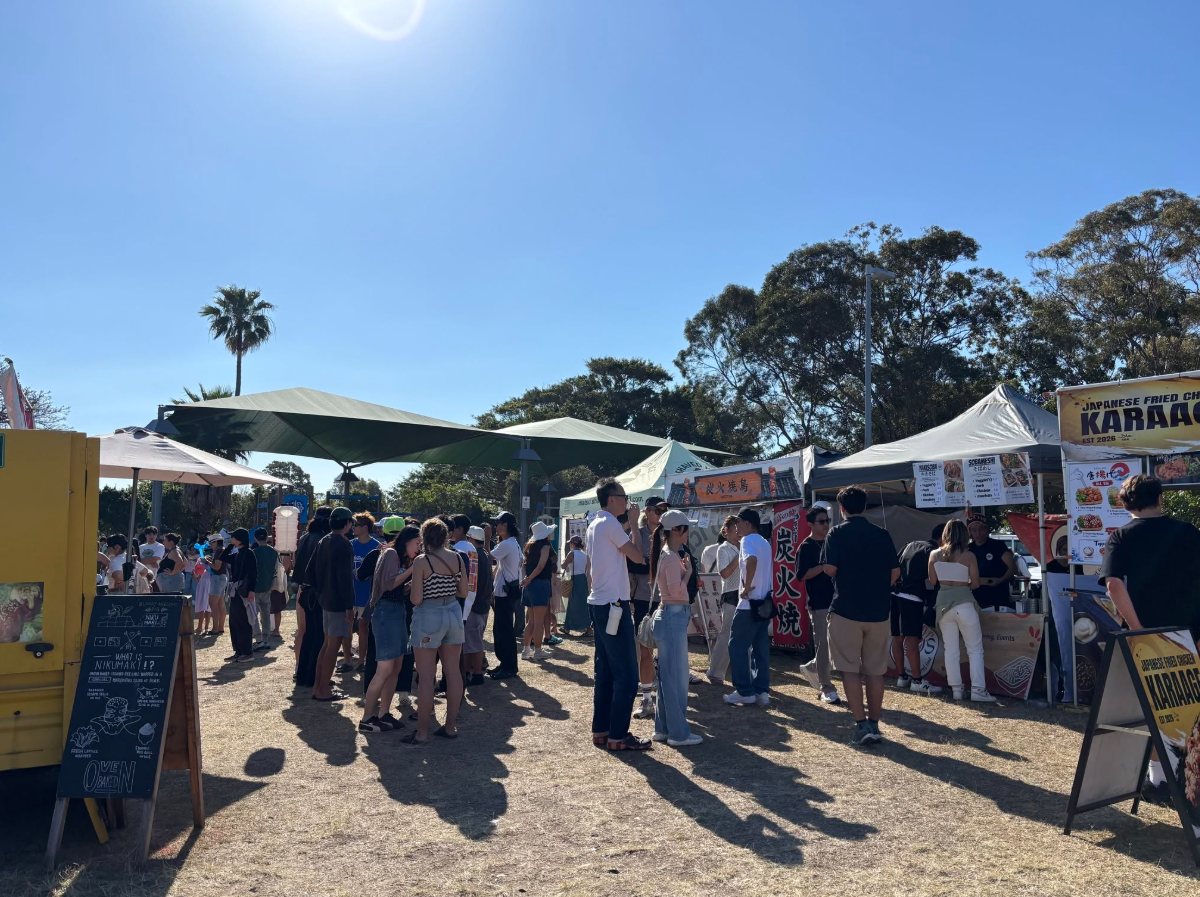
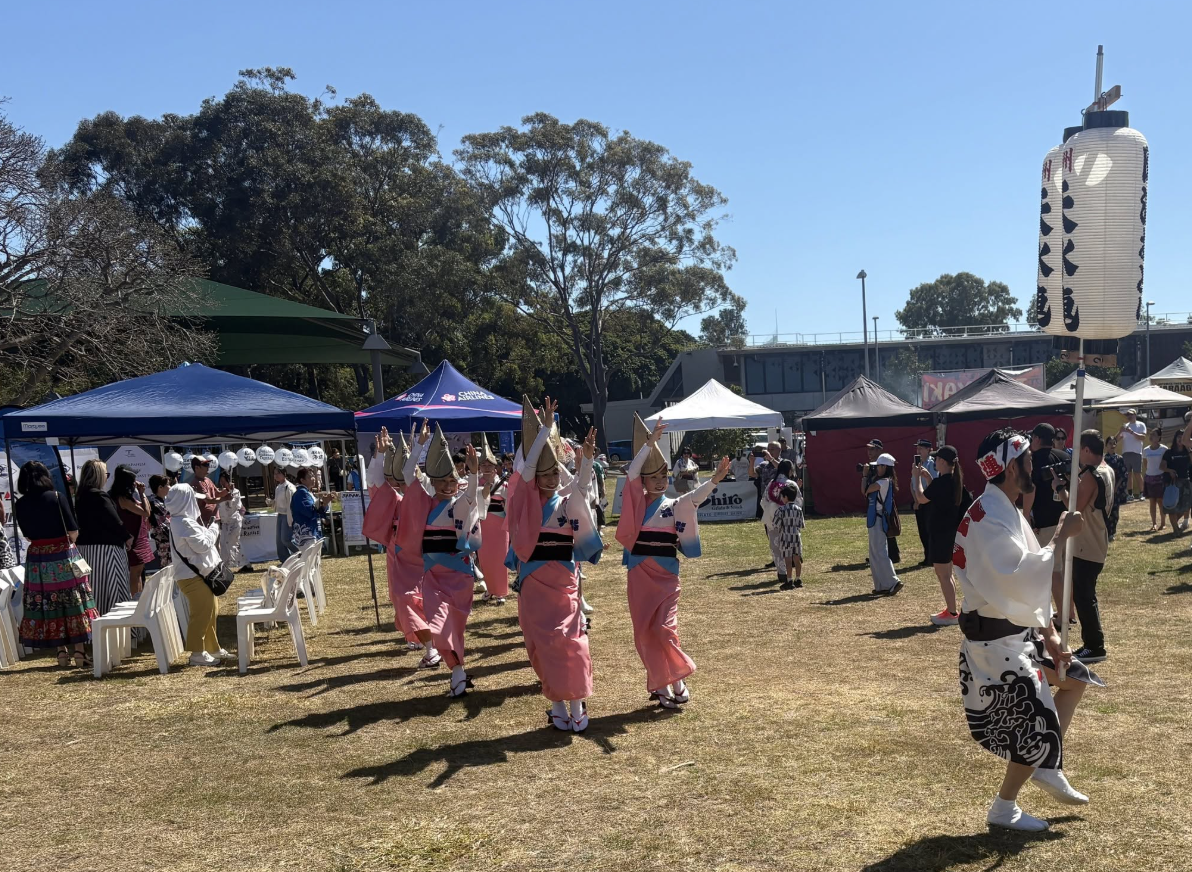
  •  2026年2月22日、ニュージーランドのオークランドで「ジャパンデー2026」が開催されました。ニュージーランド最大級の日本関係のイベントであり、今回で22回目を迎えました。会場には日本食を楽しめる屋台をはじめ、雛人形や神輿の展示、茶道や書道の体験コーナー、よさこいや合気道、居合道のステージパフォーマンスなどがあり、大いに盛り上がりを見せていました。
     
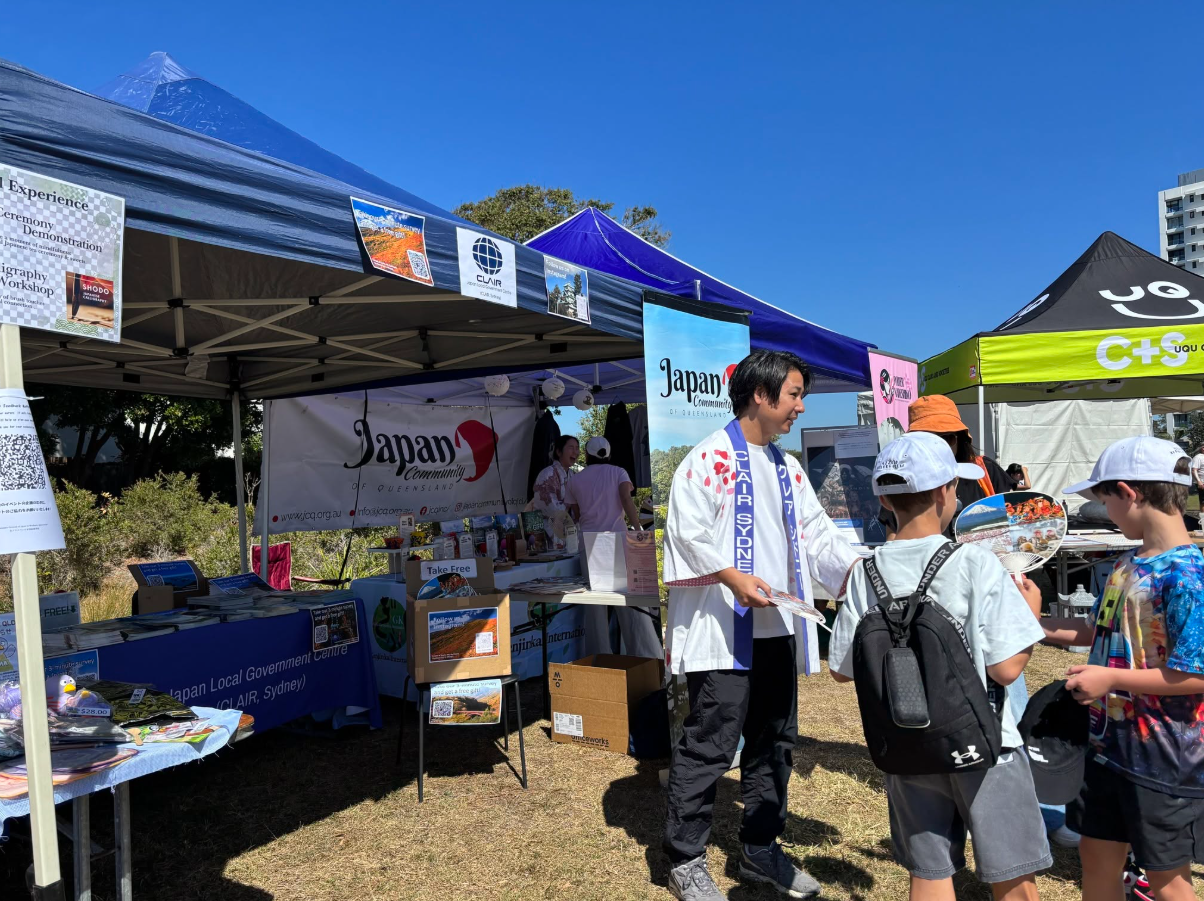
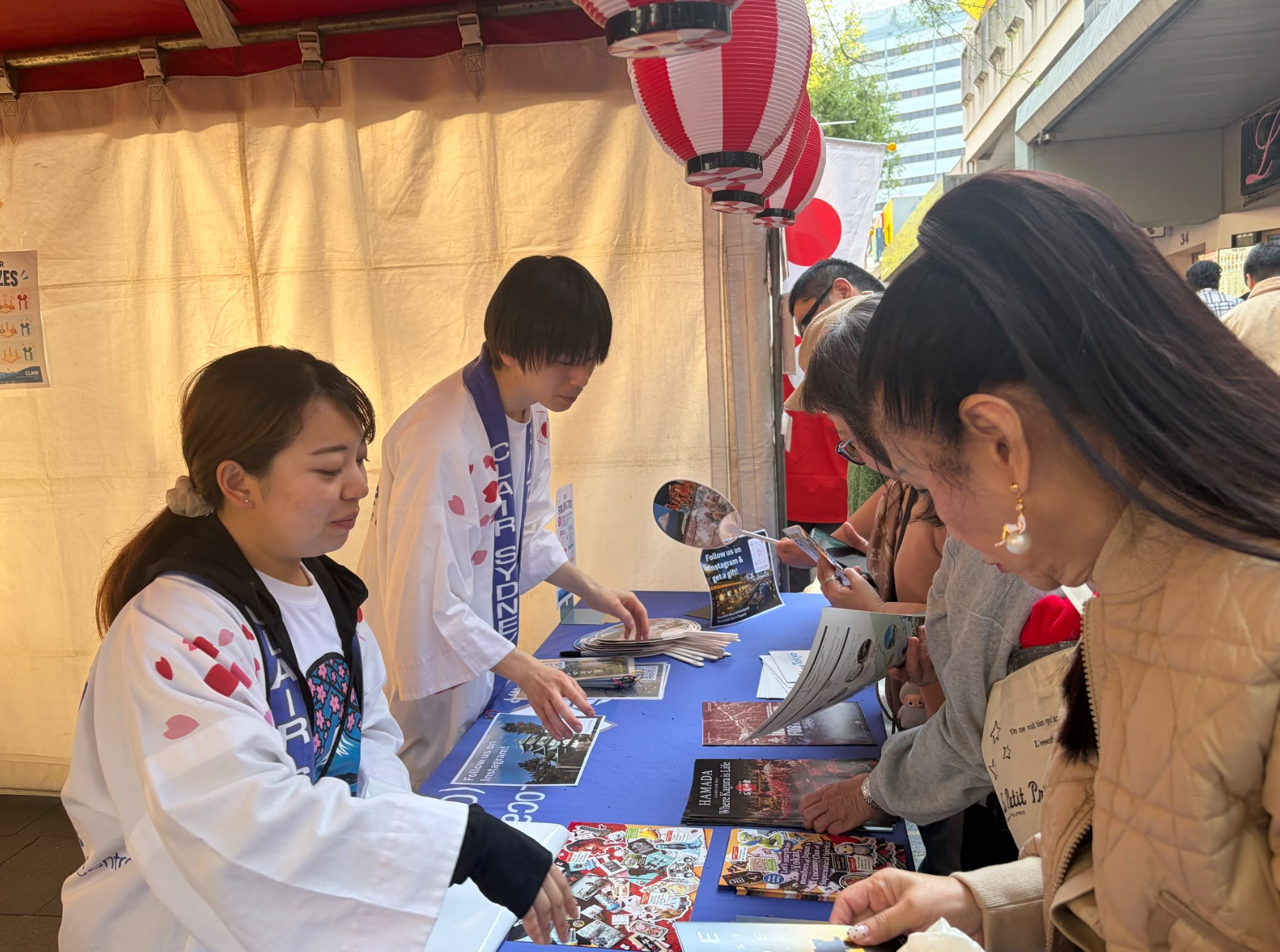
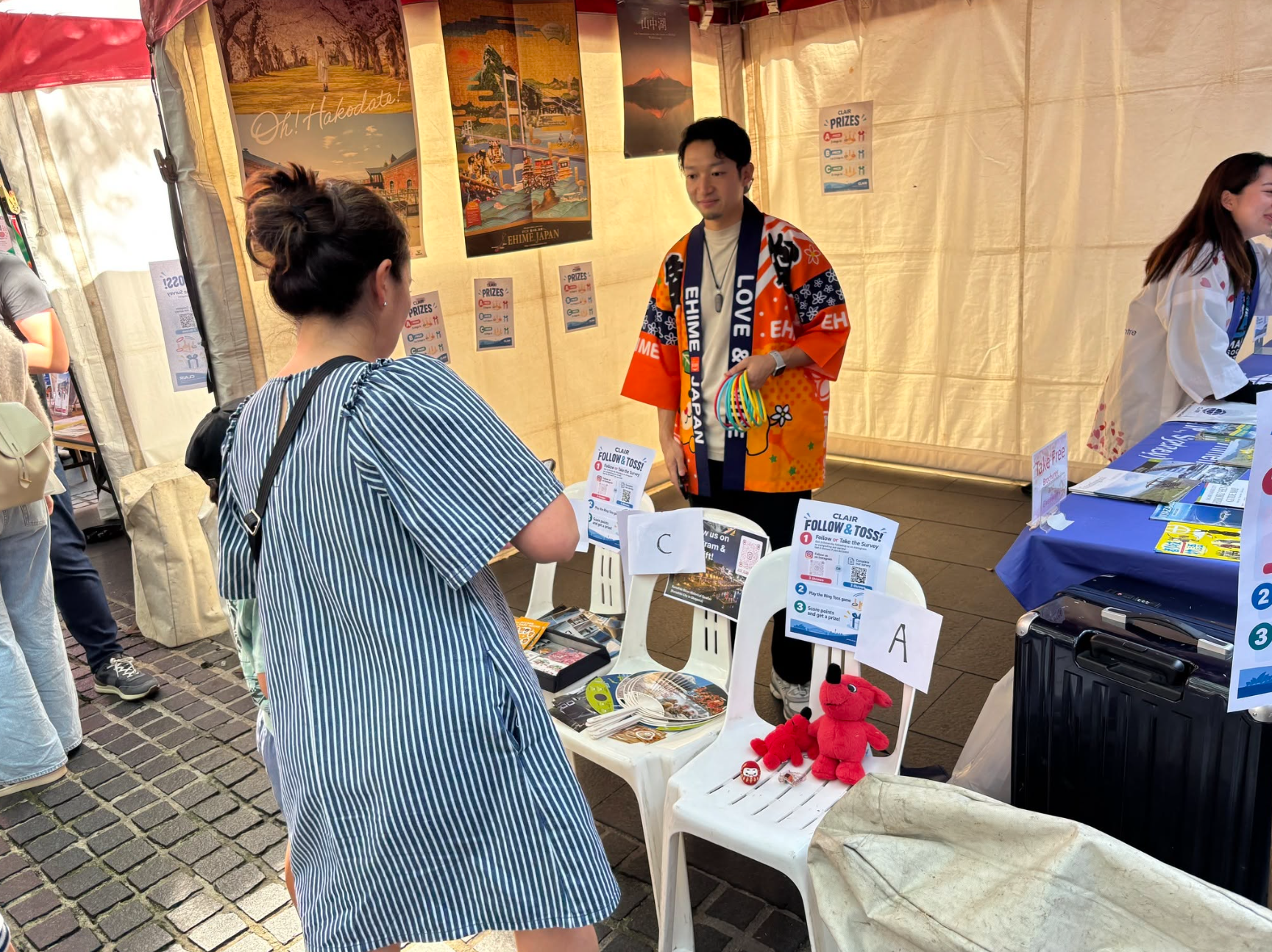
    クレアシドニー事務所はブースを出展し、日本各地の自治体のパンフレットや地図を活用しながら、各地域の魅力や見どころを紹介しました。来場者からは、「東京・京都以外のお勧めの地域を教えて欲しい」「歴史的な建物を見たり、伝統文化を体験できる場所はどこか」「桜を見るのに最適な時期や地域はどこか」といった声が聞かれるなど、日本の地方や文化への関心が高いことを実感しました。日本らしい景観や文化、体験型アクティビティなどについて、来場者一人ひとりの関心を深く掘り下げ、最適な情報を提供しました。

    クレアシドニー事務所は、今後もこうしたイベントを通じて、日本各地の魅力をオーストラリア・ニュージーランドの皆様に届けてまいります。
    当事務所のブースにお越しいただいた皆さま、本当にありがとうございました。

  •  2月20日、石川県の金沢星稜大学の子ども学科、経済学部及び国際文化学科から、計16名の学生の皆さんが、海外研修の一環として、クレアシドニー事務所を訪問されました。
     
    当事務所からは、オーストラリアの面積や人口、経済などの概要のほか、多民族国家として歩んできた歴史、近年のオーストラリアからの訪日旅行客の状況、オーストラリアの教育・保育制度について、ブリーフィングを行いました。
    学生の皆さんからは、働き方について日本との違いはあるか、オーストラリアの子どもたちが初等教育の際に学ぶ外国語(英語以外)にはどのようなものがあるかなど、様々なご質問をいただき、熱心に学ぶ姿がとても印象的でした。
    学生の皆さんは、この後、メルボルンへ移動し、現地の小学校を視察された、とのことです。当事務所での学習や当該視察も含め、今回の滞在が、学生の皆さんにとって実り多きものとなっていれば幸いです。
  • “English only”

    The latest issue of our correspondence is released.

    View this correspondence in PDF.

  • Newsletter 2月特別号を掲載しました。

  • 2月5日(木)、富山県新世紀産業機構アジア経済交流センターの2名がクレアシドニー事務所を来訪されました。オーストラリアの日本食を扱うスーパーで開催されている県産品フェアに併せて、プロモーションや食品店等の視察を行うことを目的に来豪されました。
    当事務所は、オーストラリアの国や州、地方自治体の行政制度の概要を説明するとともに、インバウンドを中心に、観光分野に関する総論的なブリーフィングを行いました。また、オーストラリアにおける販路拡大のほか、日本の観光や食品等へのオーストラリアの方々の関心事項などについて、意見交換を行いました。
      クレアシドニーでは、オーストラリア及びニュージーランドにおける日本の自治体の様々な活動を支援しています。活動支援のご希望がございましたら、どうぞお気軽にお問い合わせください。
  • Commemorative Events for the 45th Anniversary of the Sister City Relationship between Tomakomai City and Napier City

    On 20 November 2025, a cultural welcome ceremony and gala dinner party were held to mark the 45th anniversary of the sister-city relationship between Tomakomai City, Hokkaido, Japan, and Napier City, New Zealand.

    The official visit program is conducted every five years; however, the 40th-anniversary program was cancelled due to the COVID-19 pandemic. As a result, this visit marked the first occasion in ten years that a delegation from Tomakomai travelled to Napier.

    The primary objectives of this visit were to promote cultural exchange between the Māori people of New Zealand and the Ainu people of Hokkaido, as well as encourage economic exchange amongst business stakeholders, with the aim of rebuilding connections that have weakened over time.

    Cultural Welcome Ceremony

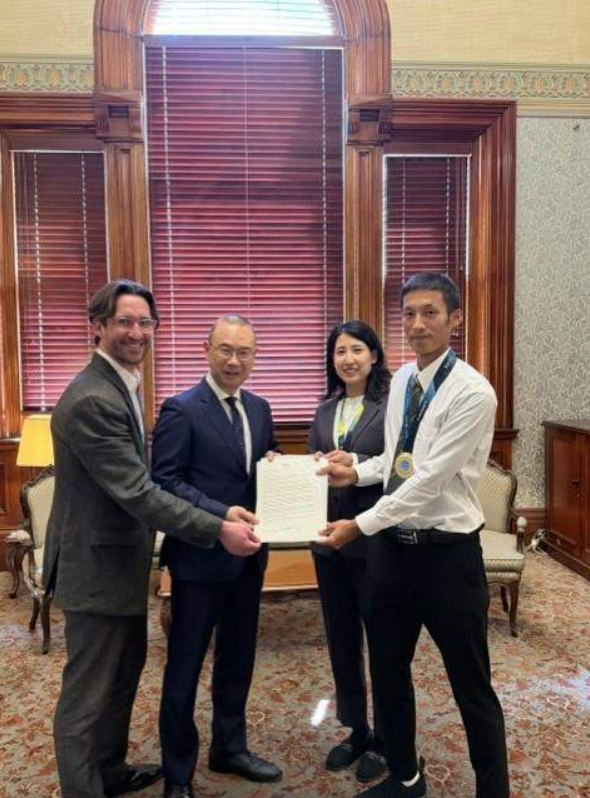
    At 9:00 a.m. on 20 November, the Tomakomai delegation participated in a pōwhiri, a traditional Māori welcoming ceremony, at Waiohiki Marae.

    Upon arrival at the venue, the delegation was welcomed by the Mayor of Napier, Richard McGrath, who exchanged greetings and handshakes with Mayor Kanazawa of Tomakomai and other members of the delegation. During the ceremony, Māori representatives from the marae and local children, performed a haka, followed by formal speeches known as whaikōrero, delivered in te reo Māori.

    At the conclusion of the ceremony, participants exchanged hongi, a traditional greeting involving the gentle touching of noses, along with hugs, creating a warm and friendly atmosphere that reflected mutual respect and openness.

    Following the ceremony, an introduction to Māori culture and history was provided by representatives of Napier, offering the Tomakomai delegation a valuable opportunity to deepen their understanding of local cultural traditions.

    Gala Dinner Party


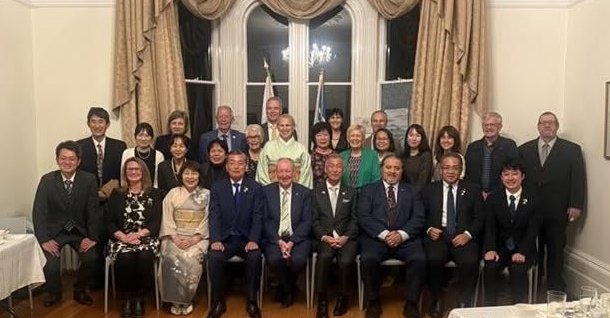
    The commemorative ceremony was attended by the Tomakomai delegation, consisting mainly of local government representatives, Ainu-related organisations, and business leaders, alongside members of the Napier City Council. Representatives from Pan Pac Forest Products Ltd (a joint venture between Oji Paper and a local timber company in Napier, which marked the beginning of this exchange), Oji Holdings Corporation, the Embassy of Japan in New Zealand and the CLAIR Sydney office were also in attendance.

    The program included speeches by representatives from both cities, an exchange of commemorative gifts, and cultural performances by members of the Ainu community, making the event both meaningful and diverse in content.

    During the gift exchange, Napier City presented Tomakomai City with a wall hanging made from native New Zealand plants, while Tomakomai City presented Napier City with a tapestry featuring traditional Ainu motifs.

    In his address, the Mayor of Tomakomai expressed a strong desire to further develop exchanges between the two cities in preparation for the 50th anniversary in five years’ time. He also conveyed expectations were expressed for expanded cooperation across a range of fields, including cultural, economic, and educational exchanges.

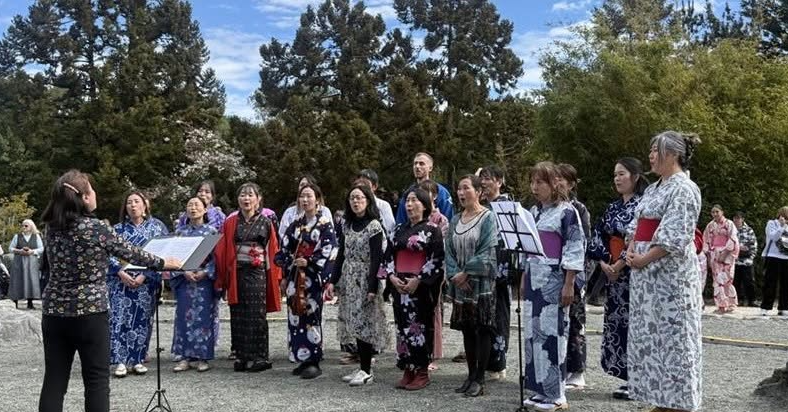
    At the conclusion of the ceremony, all participants from Japan performed the song Ue o Muite Arukō (internationally known as Sukiyaki). The performance fostered a strong sense of unity and mutual respect, leaving the venue filled with an atmosphere of cultural appreciation and shared goodwill.

    Tomakomai City and Napier City plan to continue regular communication in order to further strengthen their relationship. In addition to online interactions, the resumption of youth-focused exchanges, such as student exchange programs, is currently under consideration. The continued development of exchange between the two cities is highly anticipated.

  • “English only”

    The latest issue of our correspondence is released.

    View this correspondence in PDF.

  • Newsletter No.198を掲載しました。

  • Many people may be familiar with the Japanese word and tradition of Shogatsu, meaning New Year. However, fewer are likely to have heard of Koshogatsu, which is celebrated at the end of the new year. In Akita Prefecture, various traditional Koshogatsu events are held every February. In this article, I would like to introduce some of Akita’s unique winter traditions. 

    Note: February is summer in Australia and New Zealand, but it is winter in Japan as it is in the Northern Hemisphere. 

    What is Shogatsu? 
    In Japan, the period beginning on 1 January is called Shogatsu, a time when families and relatives gather in their hometowns to celebrate the New Year and reconnect with one another. In particular, the first three days of January are designated holidays for government offices and most companies. 

    What are Koshogatsu and Koshogatsu events? 
    Today, Japan uses the Gregorian calendar like most countries, but until about 150 years ago (in 1872), the lunar calendar was in use. In that calendar, the first full moon of the year, which occurred after Shogatsu (late January to mid‑February in today’s calendar), was called Koshogatsu. Various Koshogatsu events were held to mark the conclusion of the New Year celebrations. 

    These Koshogatsu events carry multiple meanings, including bidding farewell to the deities welcomed during Shogatsu, praying for a good harvest before spring farming begins, wishing for health and safety, and strengthening community ties by participating together. 

    After Japan adopted the Gregorian calendar, many regions began holding Koshogatsu events around 15 January. However, in many parts of Akita, these events are still held in mid‑February according to the old lunar calendar, preserving the traditional timing. 

    Koshogatsu Events in Akita
    In snowy Akita in February, various Koshogatsu events take place. 

    ◆Kamihinokinai Paper Balloon Festival 
    In Kamihinokinai, Semboku City, giant paper balloons decorated with warrior paintings and portraits of beautiful women are lit and released into the winter night sky on 10 February each year. Each balloon carries wishes for health, family safety, and a bountiful harvest. The sight of more than 50 balloons gently rising into the dark winter sky is breathtaking and truly beyond words. 

    A giant paper balloon decorated

    A giant paper balloon decorated with a portrait of a beautiful woman

    A giant paper balloon gently rising into the night sky


    ◆Kariwano Giant Tug‑of‑War
     
    In Kariwano, Daisen City, one of the largest tug‑of‑war events in Japan is held every year on 10 February. A massive rope, about 80 cm in diameter, 200 meters long, and weighing roughly 20 tonnes, is pulled by thousands of participants divided into two teams: the Upper Town and Lower Town. With a history of over 500 years, the event is rooted in a tradition that predicts the year’s fortunes: if the Upper Town wins, rice prices will rise, and if the Lower Town wins, the harvest will be abundant. Visitors are welcome to join in and experience the excitement firsthand.

    ◆Kamakura (Yokote Snow Festival) 
    In Yokote City, the Snow Festival called kamakura is held every mid‑February (13-14 February in 2026). With a history of about 450 years, dome‑shaped snow huts called kamakura are built, and inside, water deities are enshrined to pray for family safety, business prosperity, and a bountiful harvest. Local children welcome visitors inside the huts with a sweet rice drink (amazake) and rice cakes (mochi). The softly illuminated kamakura scattered across the snowy landscape at night create a truly enchanting scene. 

    Inside a kamakura

    A kamakura in front of Yokote Castle


    ◆Namahage Sedo Festival
     
    In Oga City, the Namahage Sedo Festival is held on the second Friday, Saturday, and Sunday of February. Originating from a Shinto ritual said to date back over 900 years, the sight of Namahage demons charging down the snowy mountain with torches is both thrilling and powerful. The Oga’s Namahage tradition involves young men dressing as deity‑like ogres on New Year’s Eve, visiting homes to ward off misfortune and admonish laziness. This folkloric event was designated as a UNESCO Intangible Cultural Heritage in 2018. 

    Namahage demons

    Namahage demons running down a snowy mountain


    ◆Yuzawa Inukko Dog Festival 
    In Yuzawa City, the Inukko Dog Festival is held on the second Saturday and Sunday of February and has a history of about 400 years. The festival began with the custom of placing small dog figurines made of rice flour at home entrances and windows as charms to ward off theft. Today, the venue is lined with adorable dog-shaped snow sculptures, and as dusk falls, the snow shrines glow softly with candle lights. In recent years, a blessing ceremony for pet dogs has also been added, making the festival especially popular among dog lovers. 


    Conclusion 
    Akita’s Koshogatsu traditions have long been cherished as important events through which people living in snowy regions pray for a bountiful harvest and good health while strengthening community bonds. The flickering flames and glowing lights against the snowy landscape, along with beautiful snow structures such as kamakura, provide visitors with unforgettable experiences and the full charm of winter travel. Why not immerse yourself in the unique blend of culture and nature that Akita has to offer?       

  •  1月29日から2月1日にかけて、福岡県選抜高校女子硬式野球チームの選手15名がNSW州を訪問し、NSW州選抜女子硬式野球チームとの試合などを通して、同年代の選手の皆さんと交流しました。この交流は、2023年に福岡県・福岡県高等学校野球連盟・NSW州野球連盟の3者で締結された覚書(MOU)に基づくものです。
    クレアシドニー事務所は、交流試合や選手の皆さんによる市内研修に同行するなど、支援を行いました。
    今後もオーストラリア・ニュージーランドの自治体等との交流に取り組む日本の自治体の活動を支援してまいりますので、活動支援のご希望がございましたら、ぜひ遠慮なく、お問い合わせください。