Many people may be familiar with the Japanese word and tradition of Shogatsu, meaning New Year. However, fewer are likely to have heard of Koshogatsu, which is celebrated at the end of the new year. In Akita Prefecture, various traditional Koshogatsu events are held every February. In this article, I would like to introduce some of Akita’s unique winter traditions.
Note: February is summer in Australia and New Zealand, but it is winter in Japan as it is in the Northern Hemisphere.
What is Shogatsu?
In Japan, the period beginning on 1 January is called Shogatsu, a time when families and relatives gather in their hometowns to celebrate the New Year and reconnect with one another. In particular, the first three days of January are designated holidays for government offices and most companies.
What are Koshogatsu and Koshogatsu events?
Today, Japan uses the Gregorian calendar like most countries, but until about 150 years ago (in 1872), the lunar calendar was in use. In that calendar, the first full moon of the year, which occurred after Shogatsu (late January to mid‑February in today’s calendar), was called Koshogatsu. Various Koshogatsu events were held to mark the conclusion of the New Year celebrations.
These Koshogatsu events carry multiple meanings, including bidding farewell to the deities welcomed during Shogatsu, praying for a good harvest before spring farming begins, wishing for health and safety, and strengthening community ties by participating together.
After Japan adopted the Gregorian calendar, many regions began holding Koshogatsu events around 15 January. However, in many parts of Akita, these events are still held in mid‑February according to the old lunar calendar, preserving the traditional timing.
Koshogatsu Events in Akita
In snowy Akita in February, various Koshogatsu events take place.
◆Kamihinokinai Paper Balloon Festival
In Kamihinokinai, Semboku City, giant paper balloons decorated with warrior paintings and portraits of beautiful women are lit and released into the winter night sky on 10 February each year. Each balloon carries wishes for health, family safety, and a bountiful harvest. The sight of more than 50 balloons gently rising into the dark winter sky is breathtaking and truly beyond words.
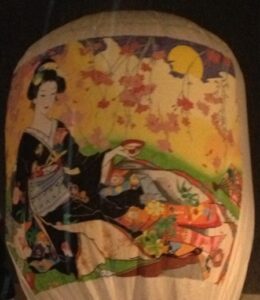
A giant paper balloon decorated with a portrait of a beautiful woman
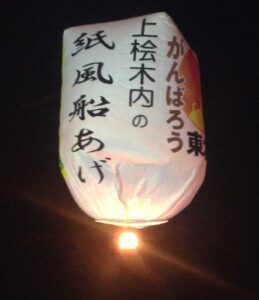
A giant paper balloon gently rising into the night sky
◆Kariwano Giant Tug‑of‑War
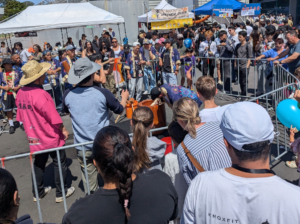
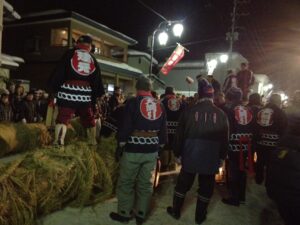
In Kariwano, Daisen City, one of the largest tug‑of‑war events in Japan is held every year on 10 February. A massive rope, about 80 cm in diameter, 200 meters long, and weighing roughly 20 tonnes, is pulled by thousands of participants divided into two teams: the Upper Town and Lower Town. With a history of over 500 years, the event is rooted in a tradition that predicts the year’s fortunes: if the Upper Town wins, rice prices will rise, and if the Lower Town wins, the harvest will be abundant. Visitors are welcome to join in and experience the excitement firsthand.
◆Kamakura (Yokote Snow Festival)
In Yokote City, the Snow Festival called kamakura is held every mid‑February (13-14 February in 2026). With a history of about 450 years, dome‑shaped snow huts called kamakura are built, and inside, water deities are enshrined to pray for family safety, business prosperity, and a bountiful harvest. Local children welcome visitors inside the huts with a sweet rice drink (amazake) and rice cakes (mochi). The softly illuminated kamakura scattered across the snowy landscape at night create a truly enchanting scene.

Inside a kamakura
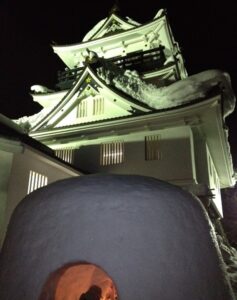
A kamakura in front of Yokote Castle
◆Namahage Sedo Festival
In Oga City, the Namahage Sedo Festival is held on the second Friday, Saturday, and Sunday of February. Originating from a Shinto ritual said to date back over 900 years, the sight of Namahage demons charging down the snowy mountain with torches is both thrilling and powerful. The Oga’s Namahage tradition involves young men dressing as deity‑like ogres on New Year’s Eve, visiting homes to ward off misfortune and admonish laziness. This folkloric event was designated as a UNESCO Intangible Cultural Heritage in 2018.
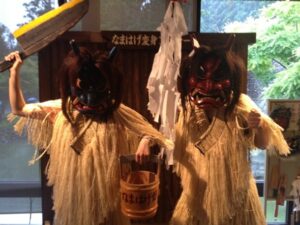
Namahage demons

Namahage demons running down a snowy mountain
◆Yuzawa Inukko Dog Festival
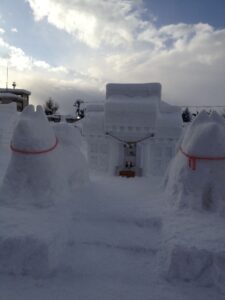 In Yuzawa City, the Inukko Dog Festival is held on the second Saturday and Sunday of February and has a history of about 400 years. The festival began with the custom of placing small dog figurines made of rice flour at home entrances and windows as charms to ward off theft. Today, the venue is lined with adorable dog-shaped snow sculptures, and as dusk falls, the snow shrines glow softly with candle lights. In recent years, a blessing ceremony for pet dogs has also been added, making the festival especially popular among dog lovers.
Conclusion
Akita’s Koshogatsu traditions have long been cherished as important events through which people living in snowy regions pray for a bountiful harvest and good health while strengthening community bonds. The flickering flames and glowing lights against the snowy landscape, along with beautiful snow structures such as kamakura, provide visitors with unforgettable experiences and the full charm of winter travel. Why not immerse yourself in the unique blend of culture and nature that Akita has to offer?