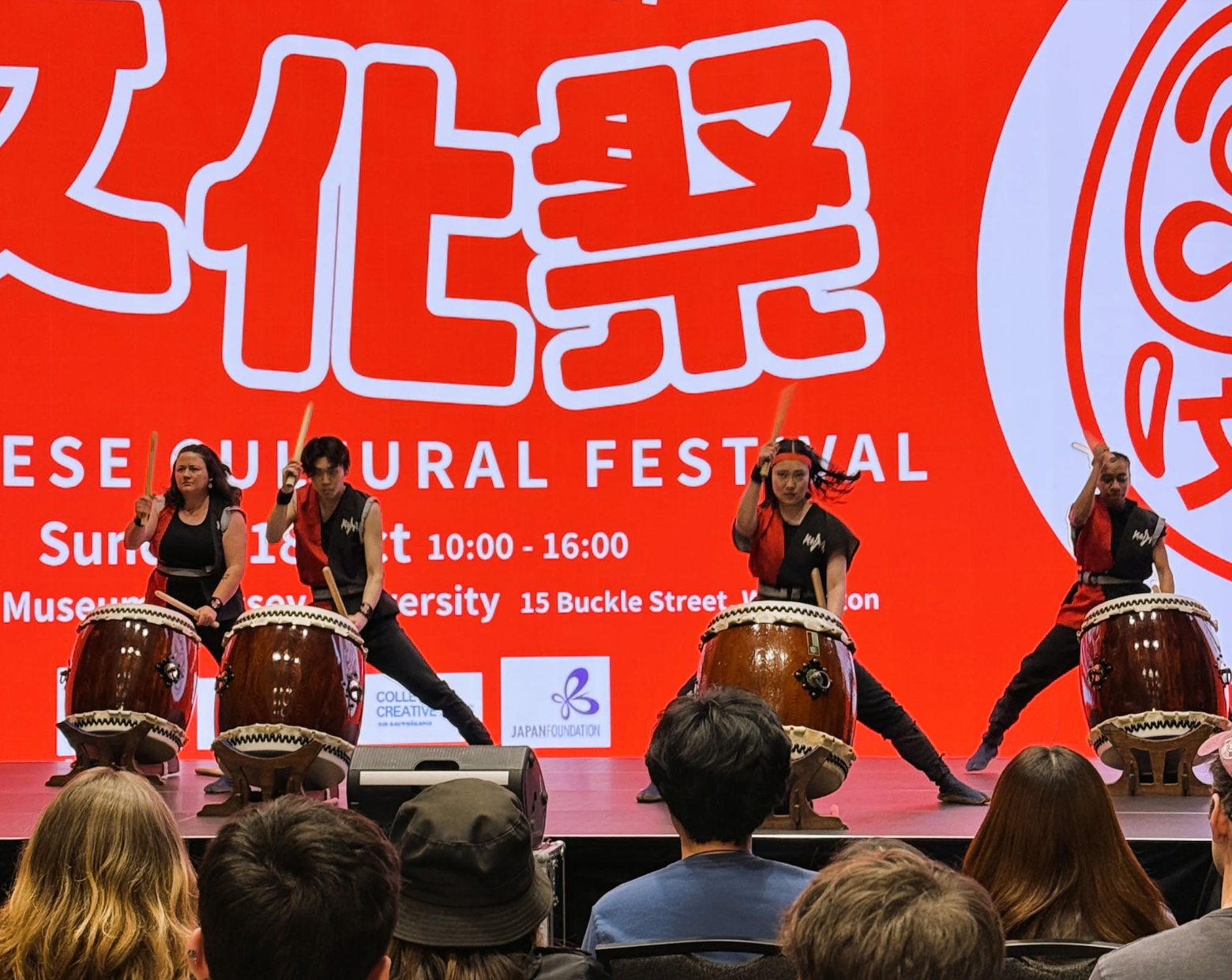
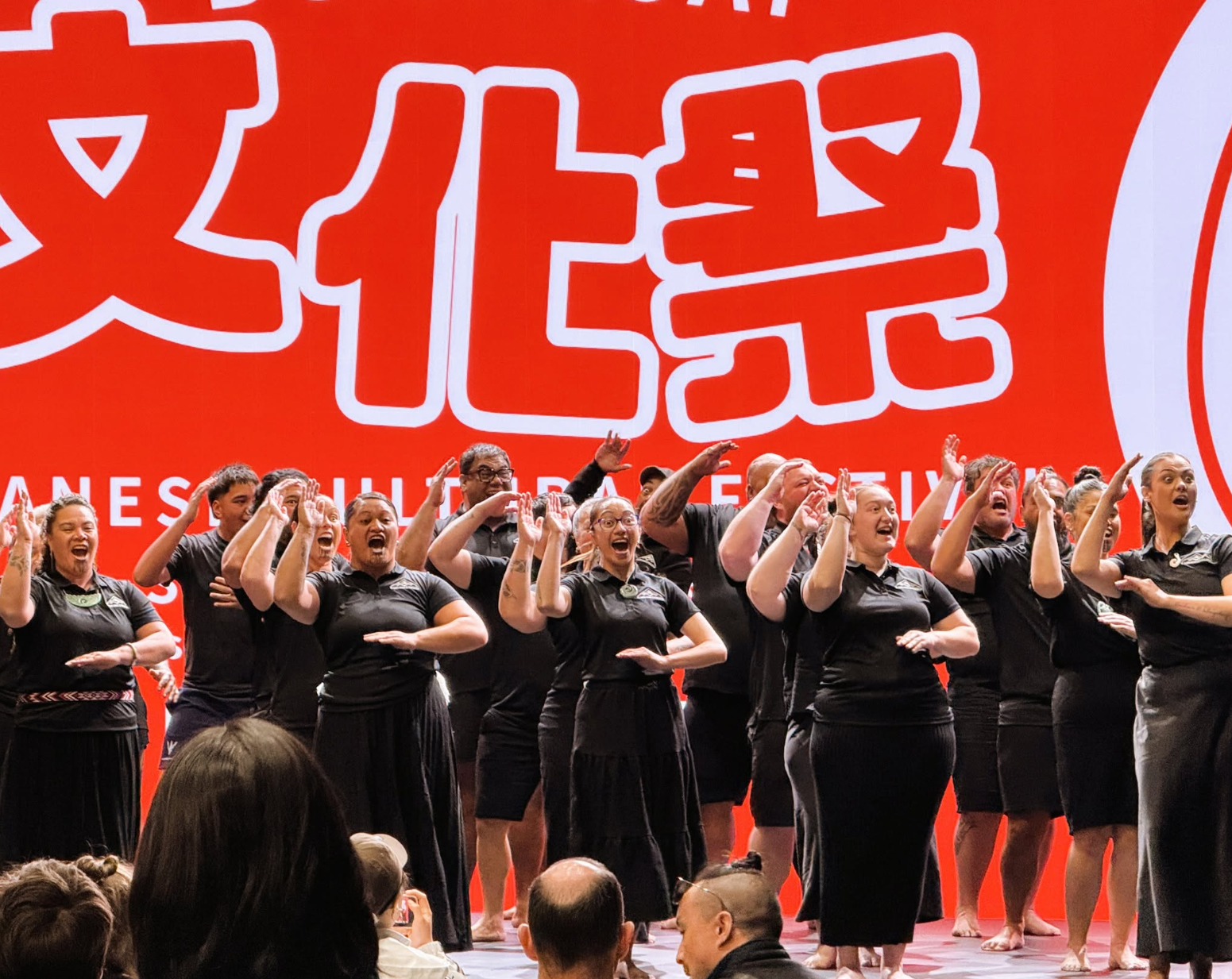
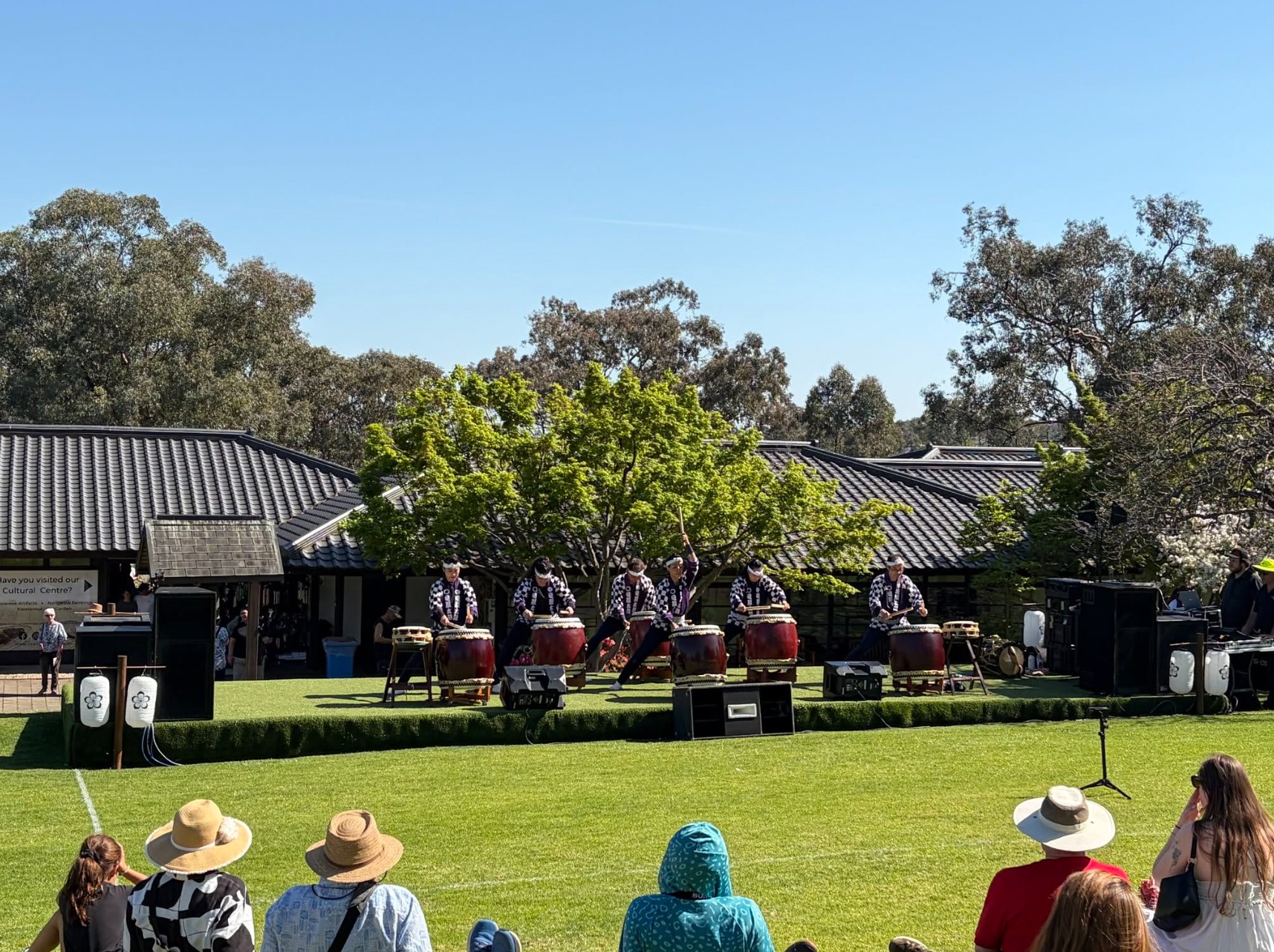
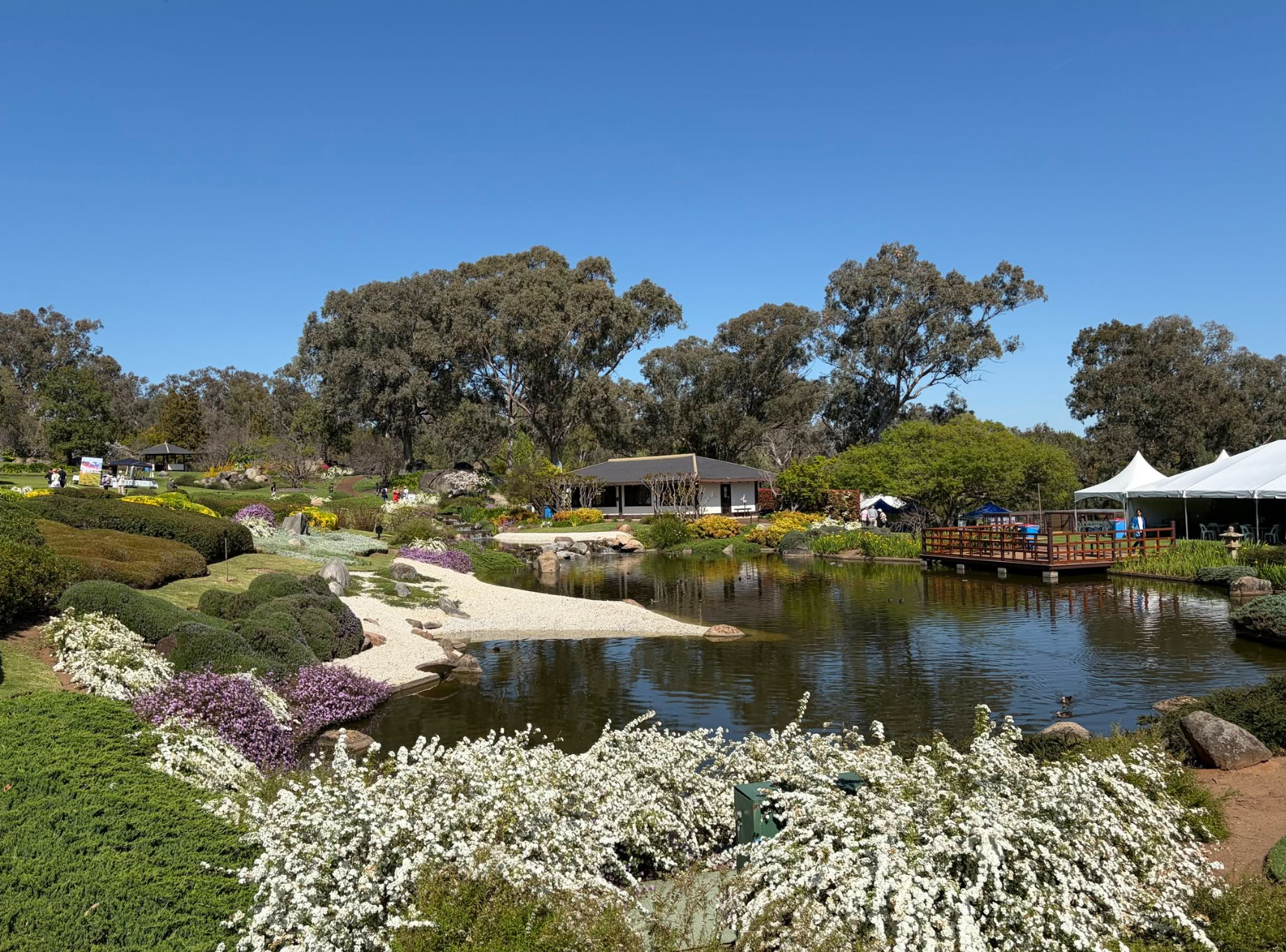
On Sunday, 18 October, Bunkasai, a Japanese festival organised by the Embassy of Japan in New Zealand, was held in Wellington, New Zealand’s capital, attracting around 3,000 visitors.
The festival featured stalls serving Japanese food such as onigiri rice balls and bento boxes, as well as booths where visitors could try on yukata or purchase handmade Japanese-style accessories and pottery. Visitors also enjoyed a variety of stage performances including Japanese taiko drumming, Māori choral singing and haka, a traditional dance of New Zealand’s Indigenous Māori people.
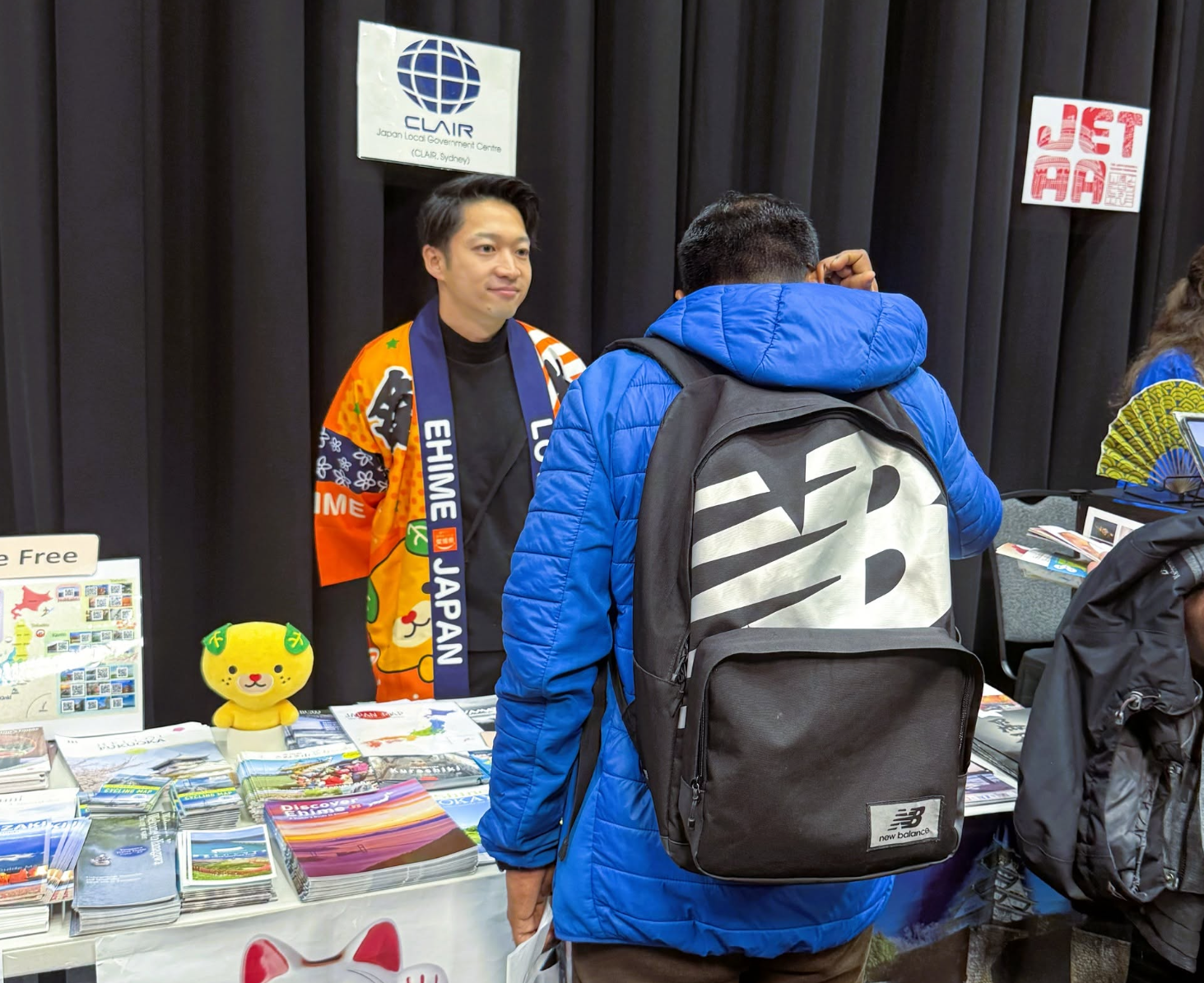
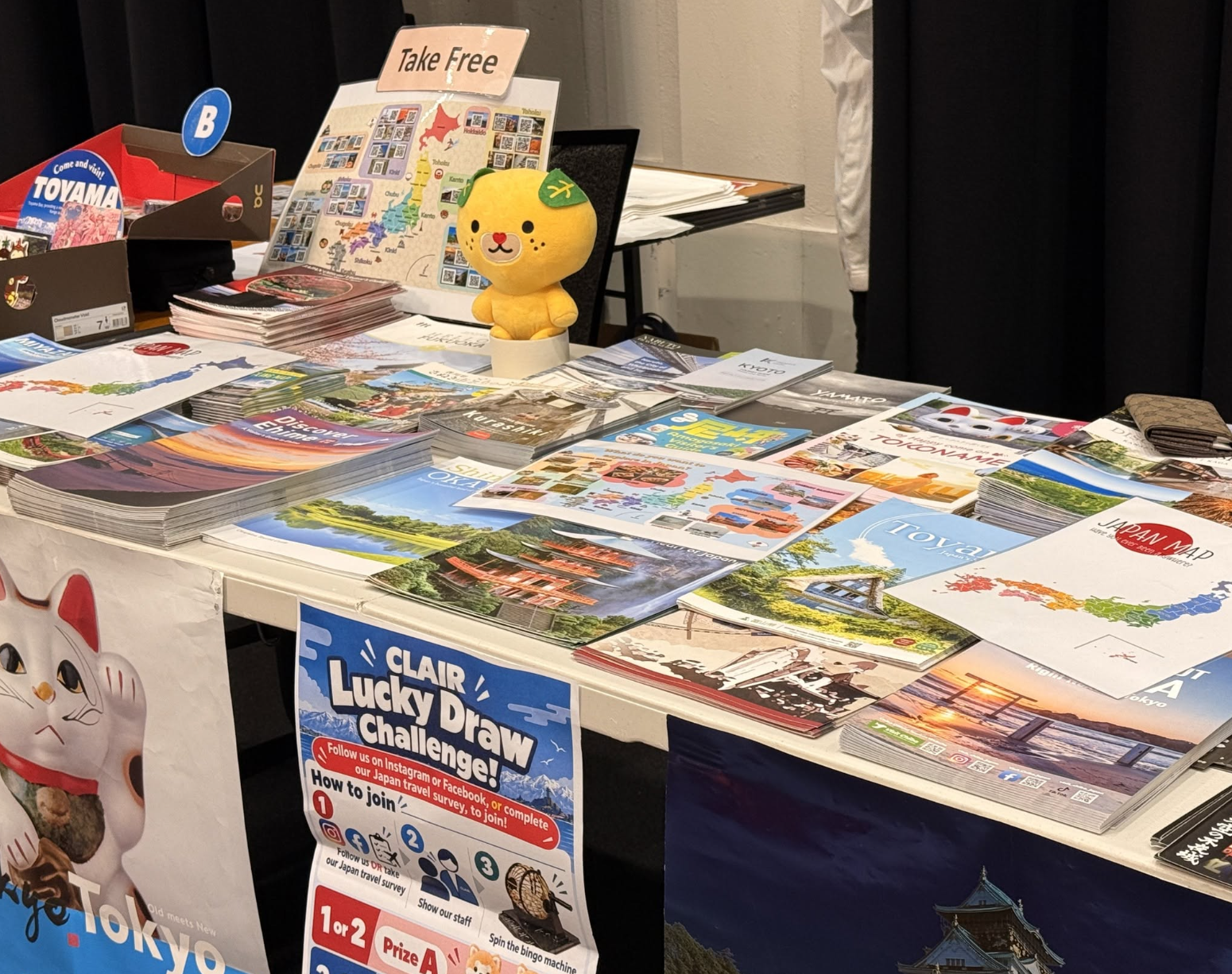
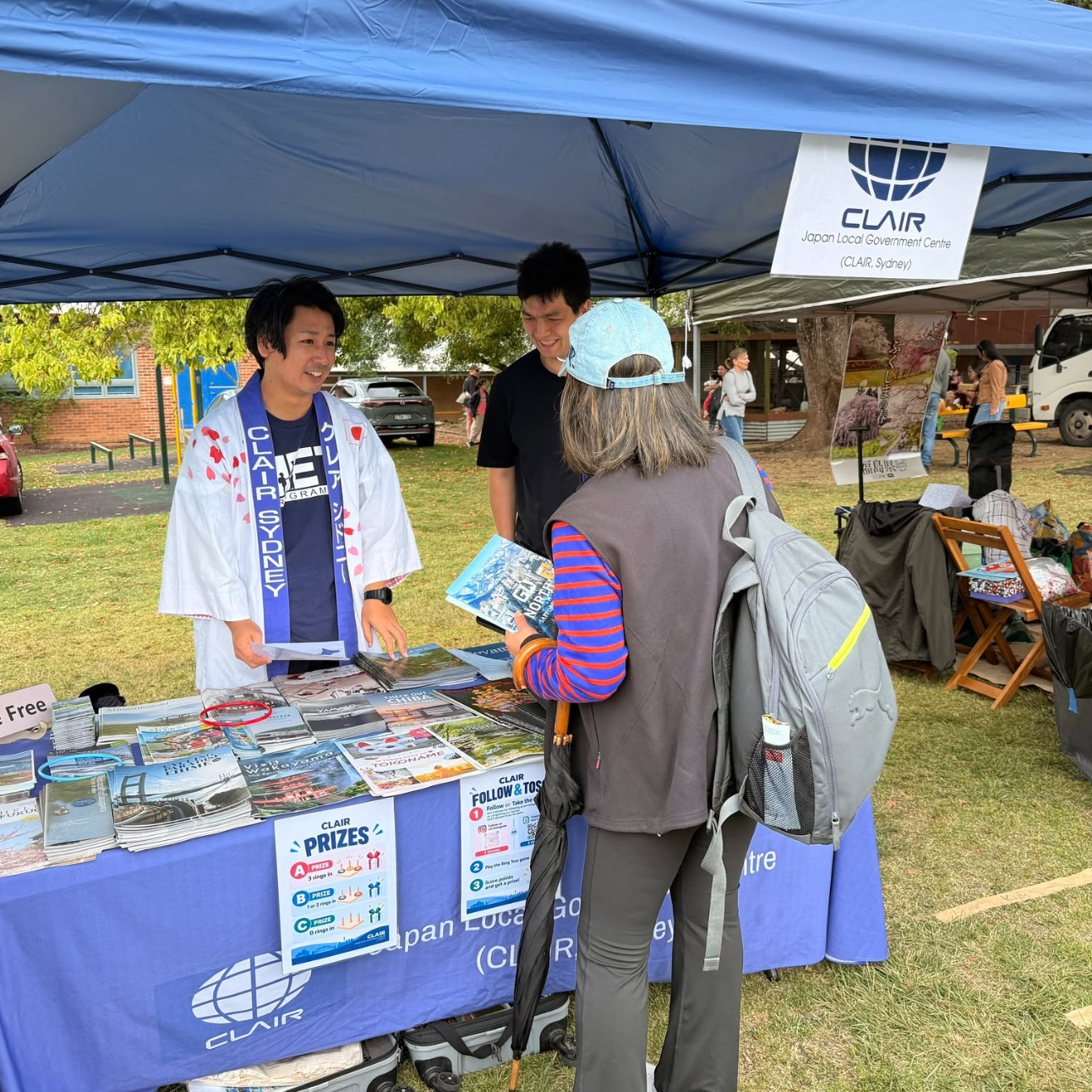
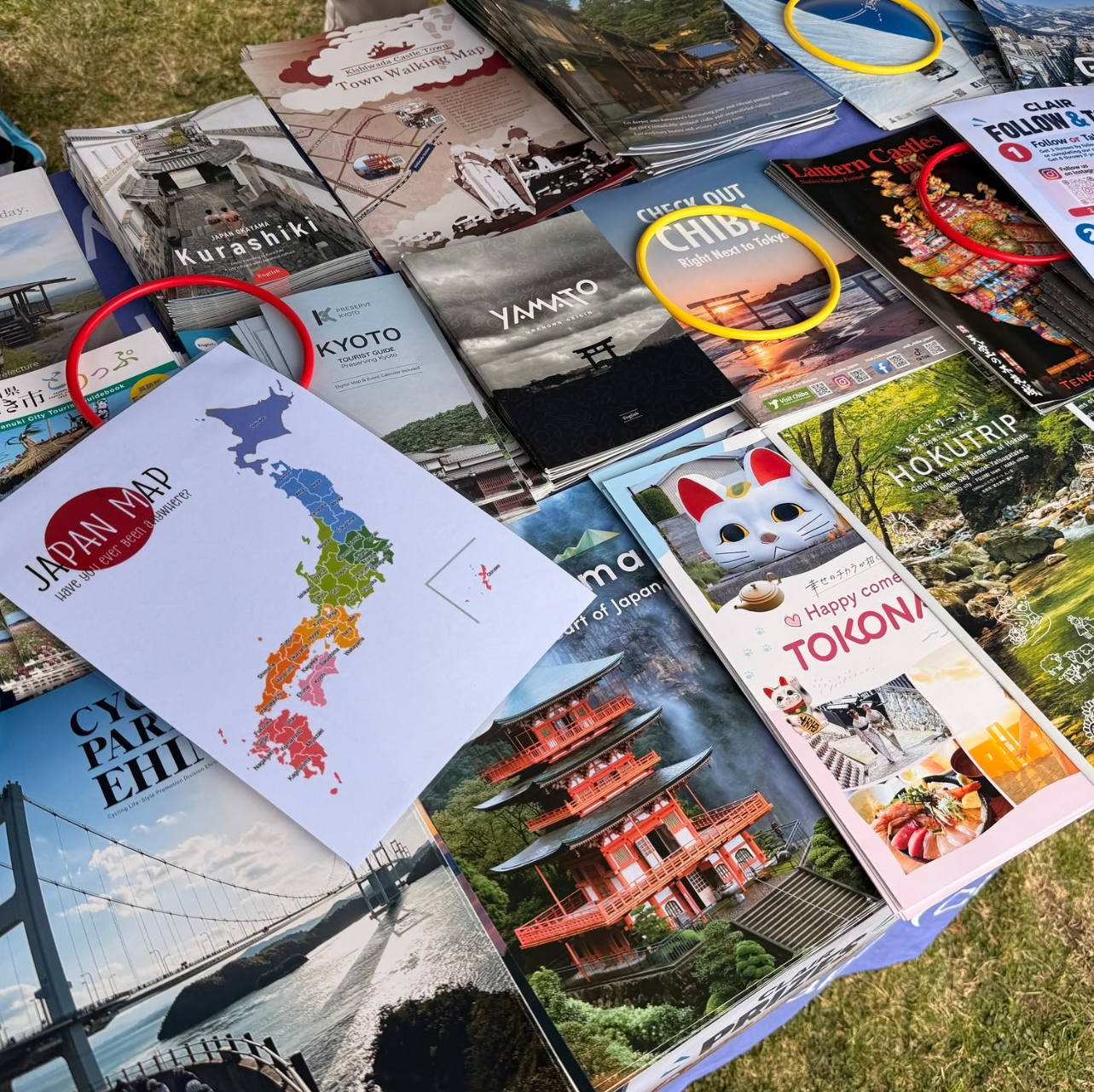
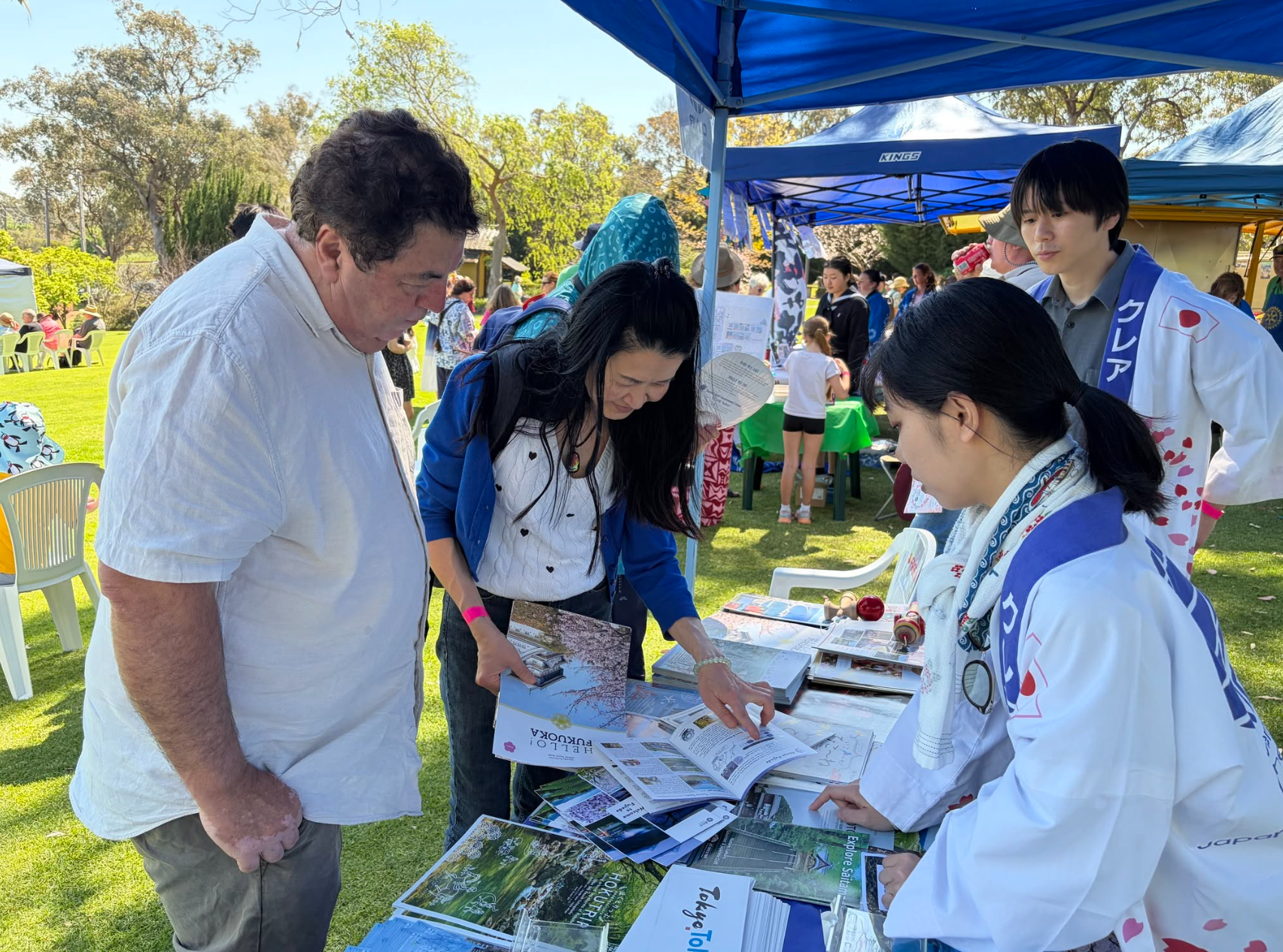
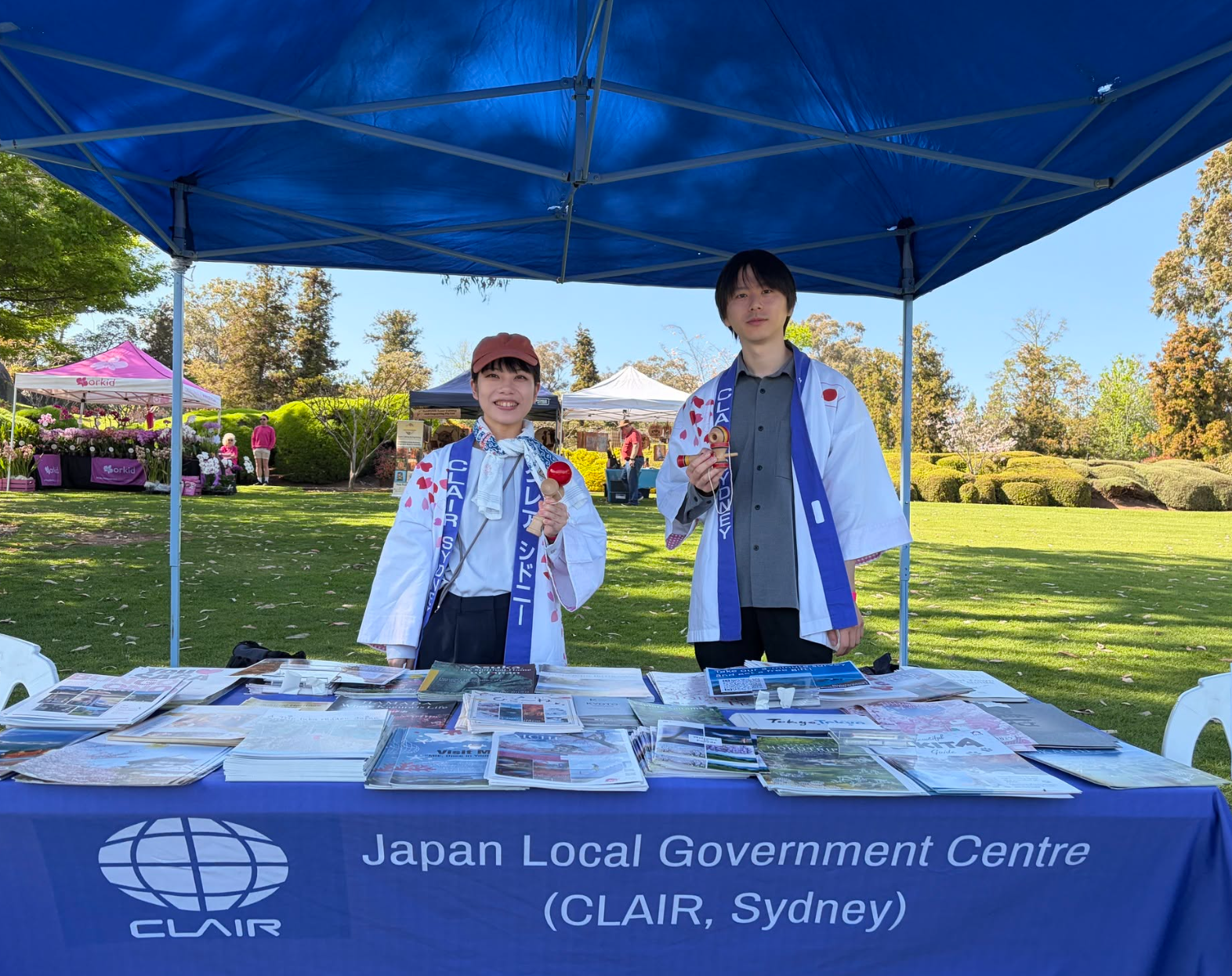
CLAIR Sydney hosted a booth showcasing tourist destinations and regional attractions across Japan, using brochures provided by Japanese local governments.
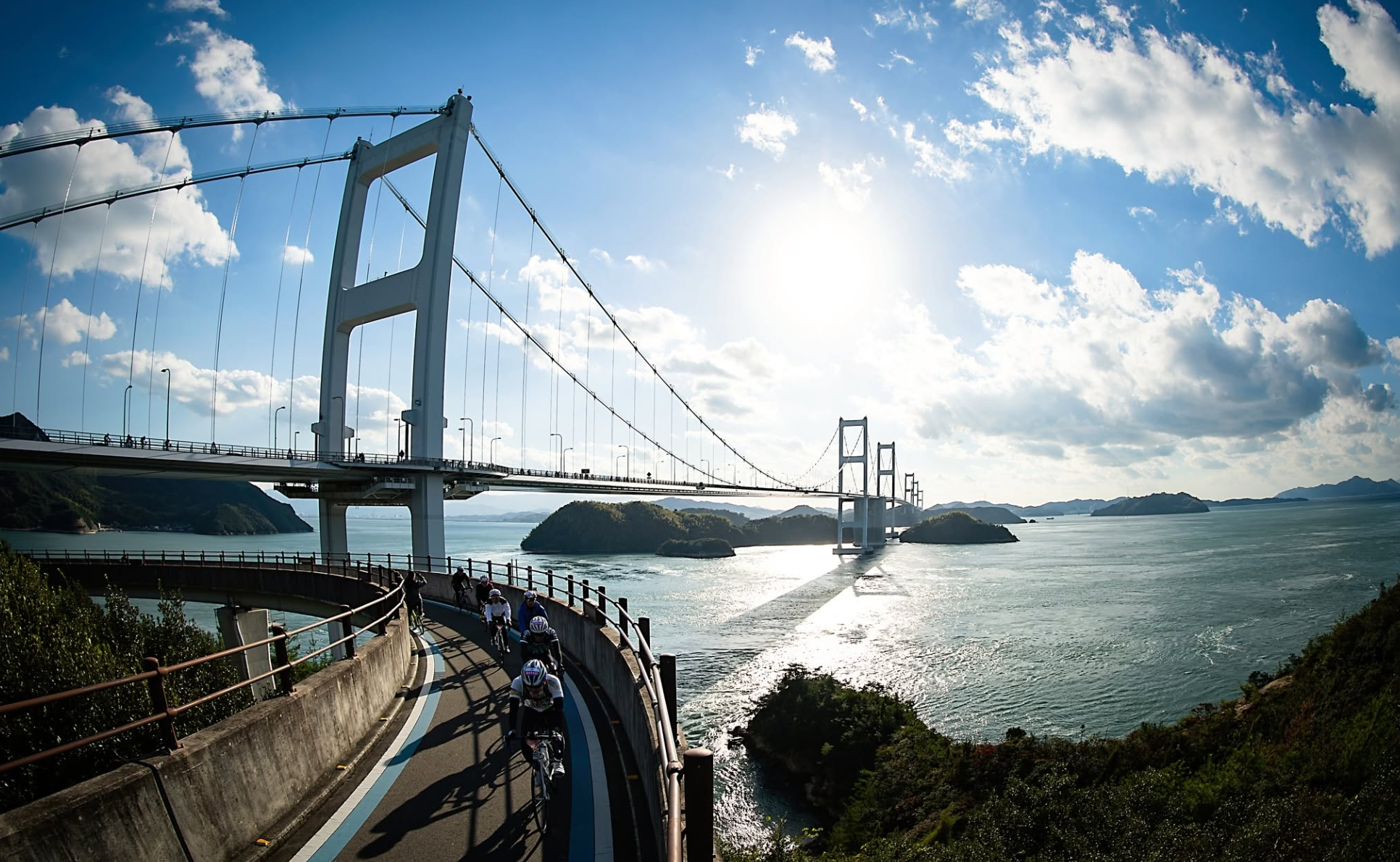
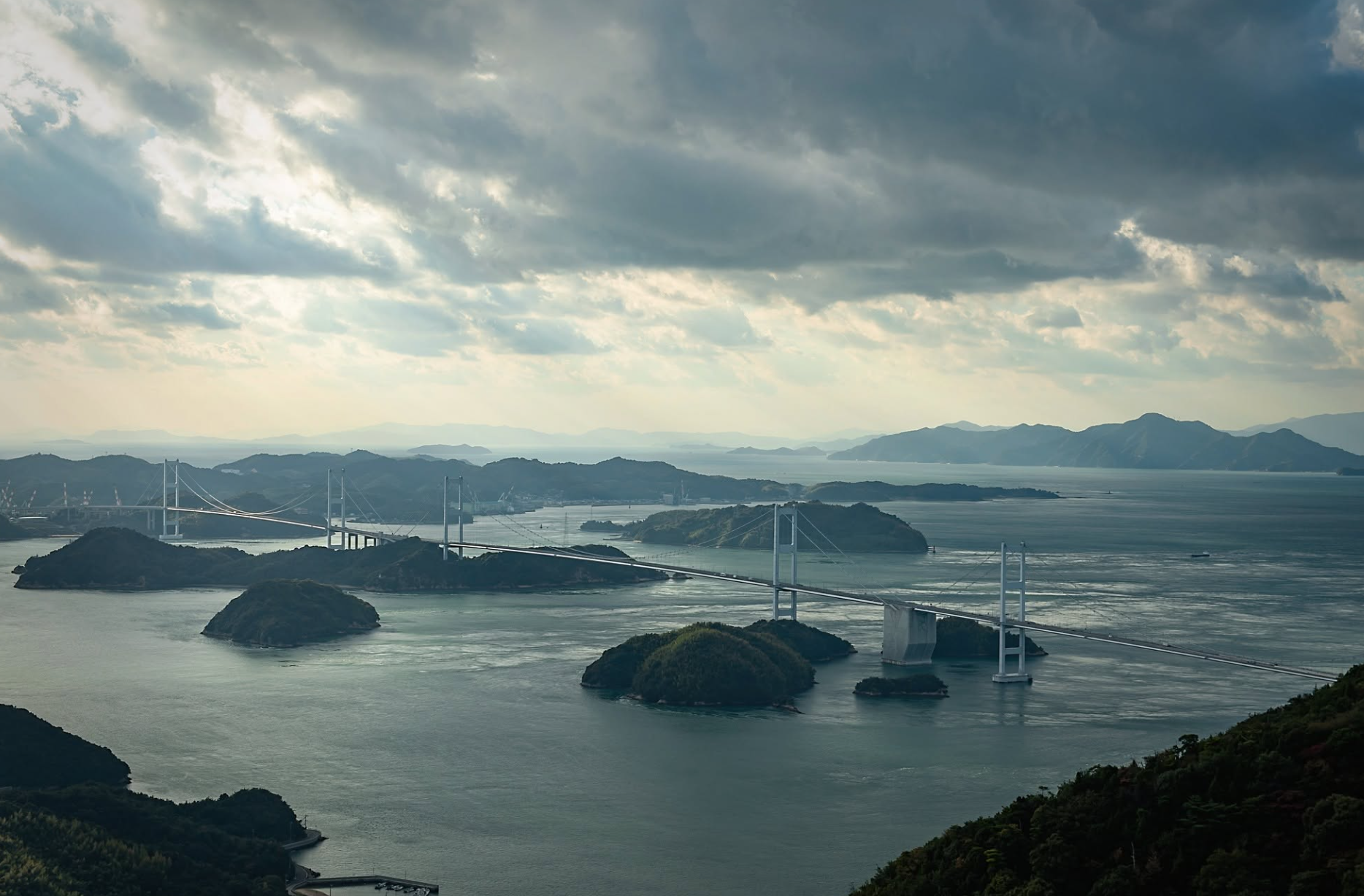
Throughout the day, many visitors stopped by enquiring about destinations for snow activities, lesser-known places to visit and local transport options. Others enthusiastically shared memories of their travels to Japan, from cycling the Shimanami Kaido to staying at traditional ryokan inns. One visitor made a particularly memorable comparison, likening Japan to a parfait: just as every layer offers something delicious, every region of Japan has something wonderful to discover too.
We also met students learning Japanese and people who had lived or worked in Japan. Their affection for Japan shone through in our conversations, reminding us of the strong ties between the people of Japan and New Zealand.
CLAIR Sydney will continue to cherish these exchanges with local communities as we share the diverse attractions of regions across Japan.
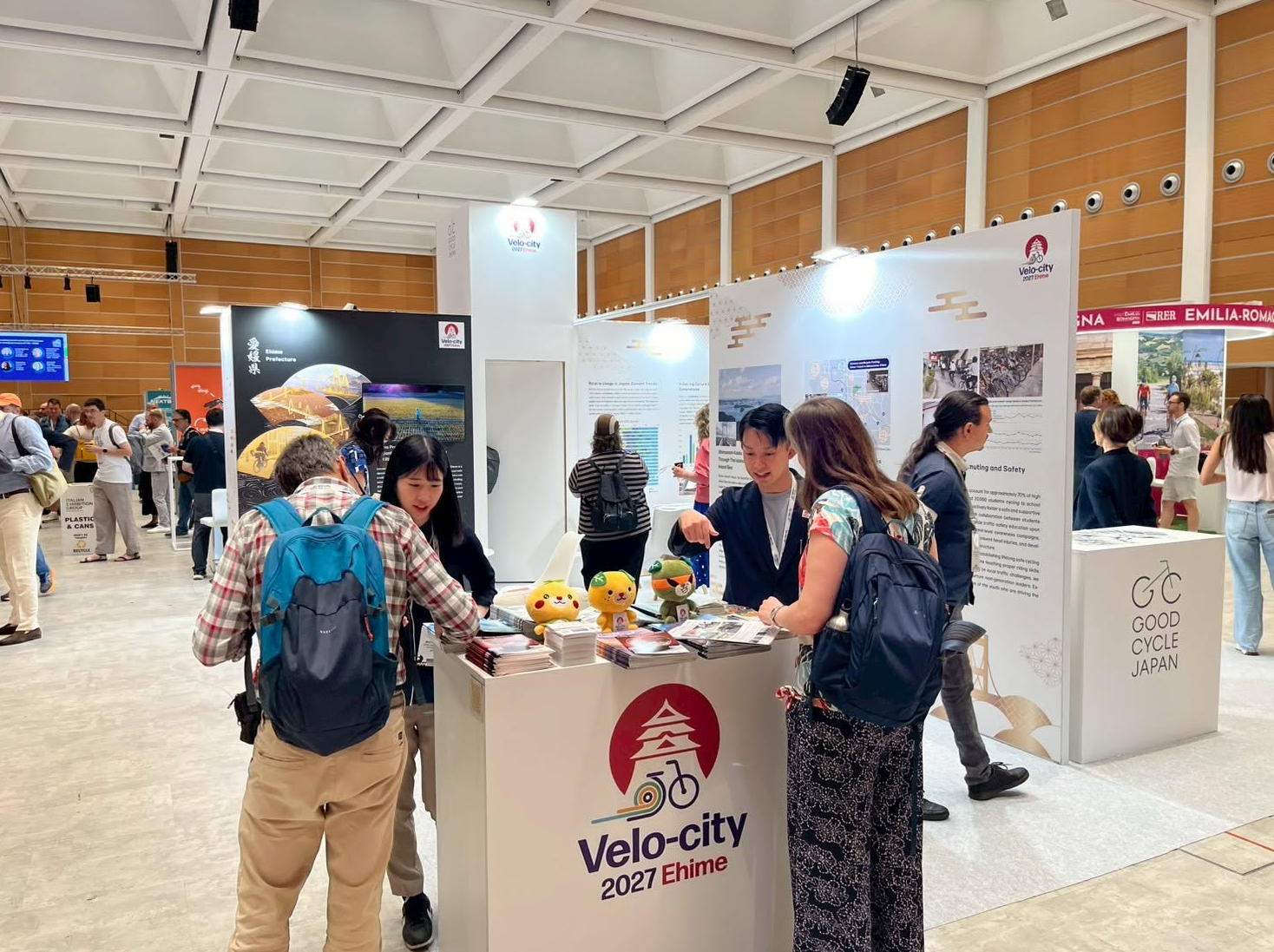
On Sunday, 11 October, Ehime Prefecture hosted a booth at Spring Cycle 2026, a cycling event held in Sydney, to promote the prefecture’s cycling tourism to Australian cyclists. CLAIR Sydney supported Ehime Prefecture’s activities at the event, including assisting with booth operations. The booth introduced visitors to Ehime’s cycling routes and tourism attractions, including the Shimanami Kaido, using brochures and cycling maps.
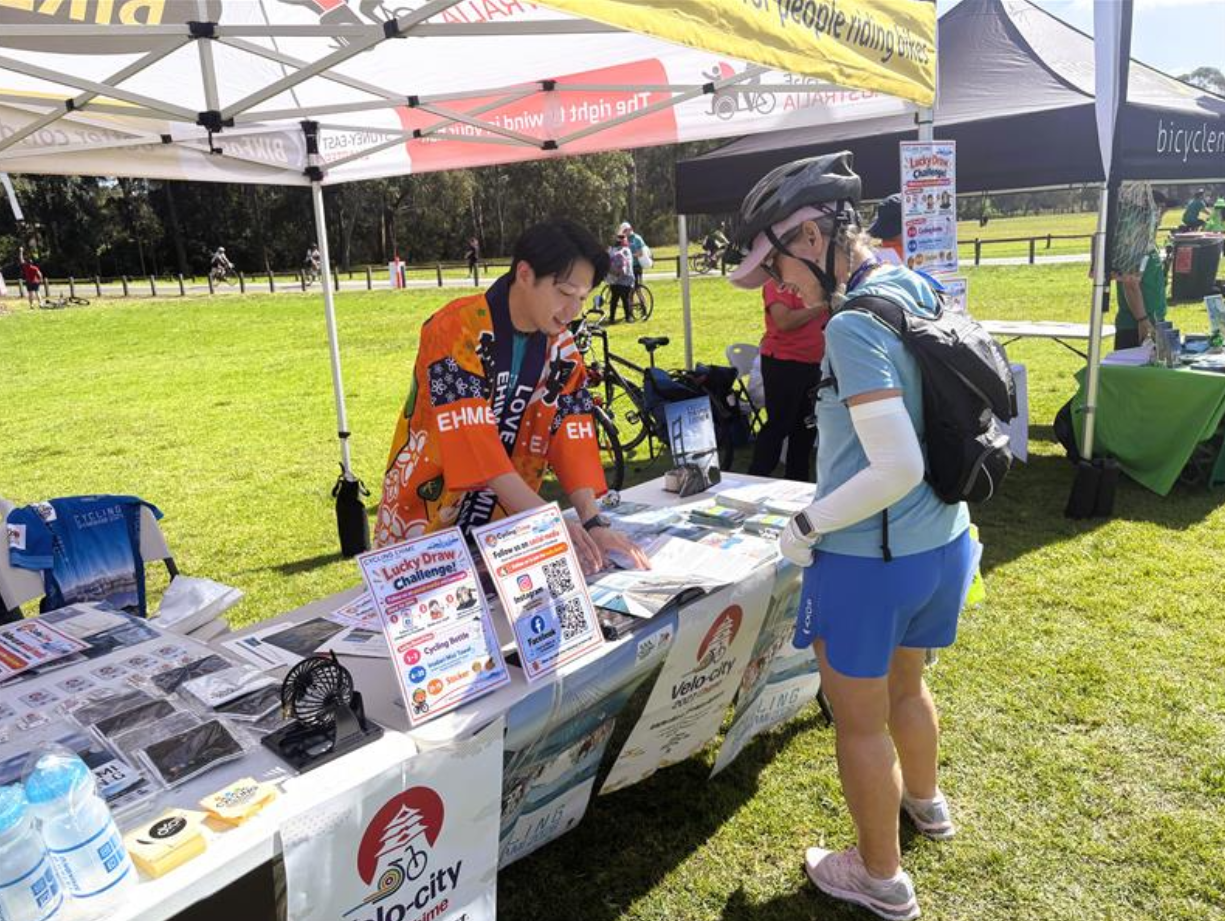
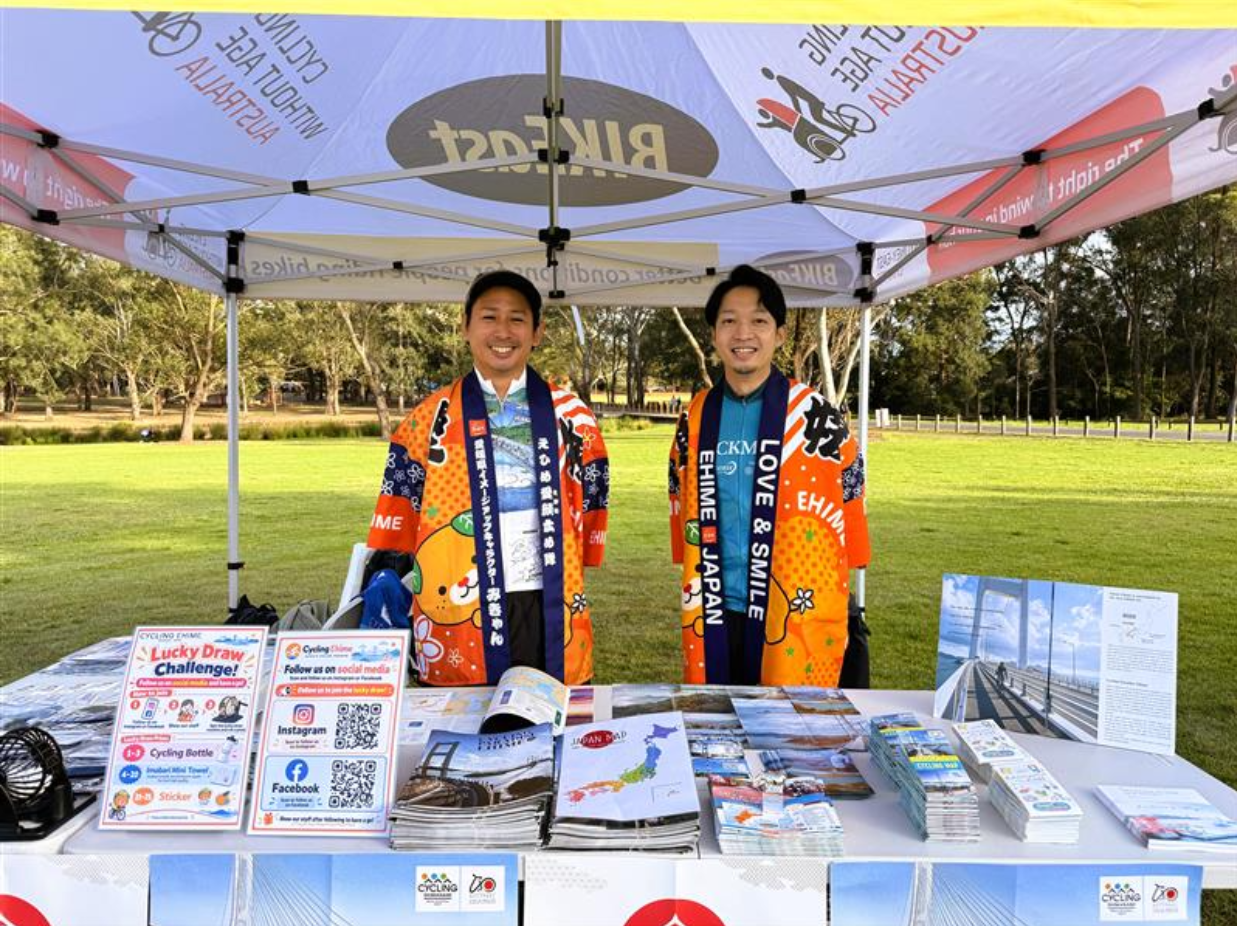
Among the visitors were cyclists planning to take part in Cycling Shimanami 2026, an international cycling event to be held in Ehime Prefecture on Sunday, 25 October. One visitor said they had first learned about the event when visiting Ehime Prefecture’s booth at Spring Cycle 2025 and subsequently decided to participate. It was encouraging to see how returning to the event and sharing information about cycling in Ehime had inspired visitors to take part.
CLAIR Sydney looks forward to continuing to support the activities of Japanese local governments in Australia and New Zealand and sharing the diverse attractions of regions across Japan.
The latest issue of our correspondence is released.
View this correspondence in PDF.
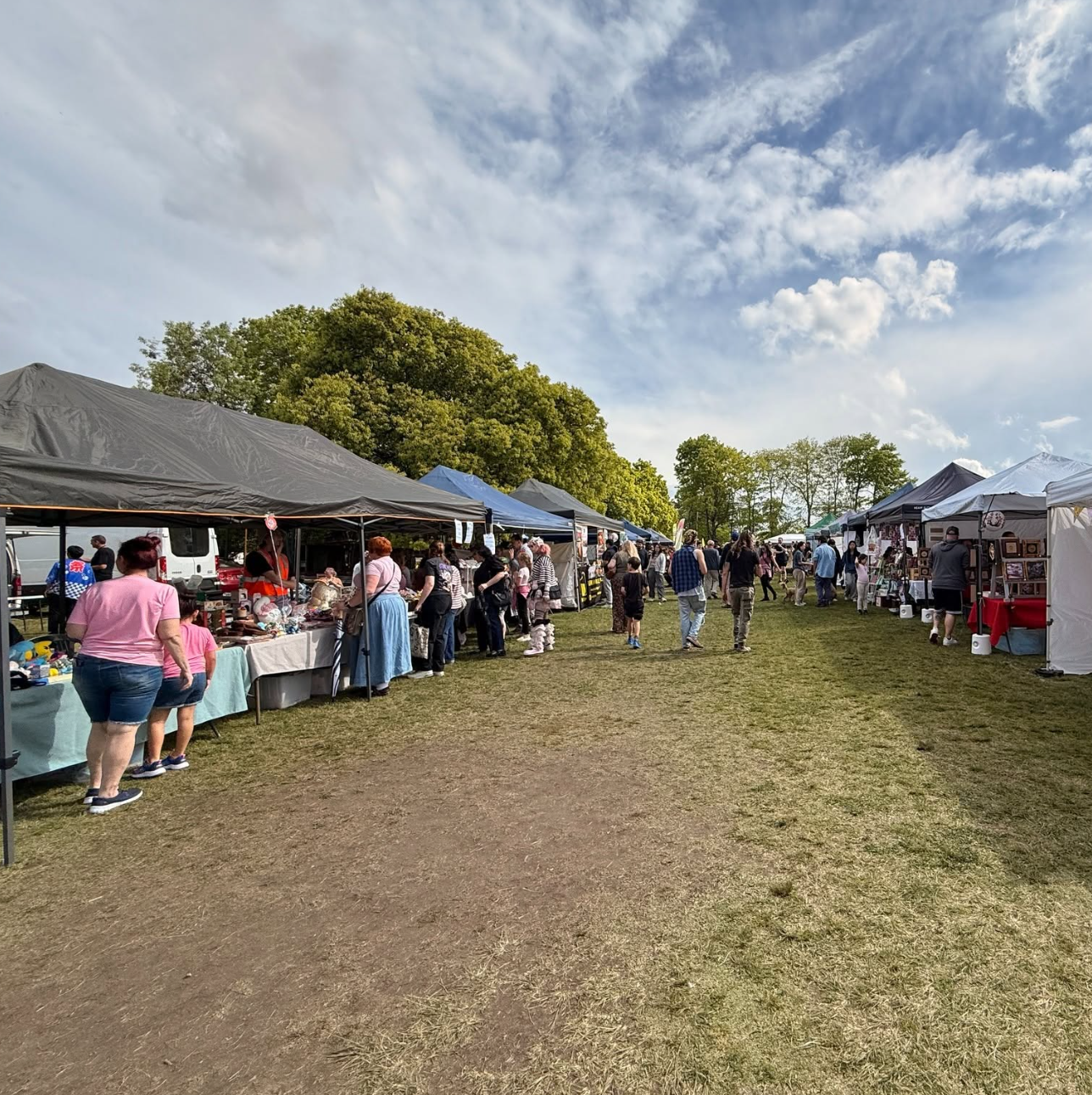
On Saturday, 3 October, the Blue Mountains Japanese Sakura Festival was held in Lawson, a town in the Blue Mountains located approximately 90 minutes by car from Sydney.
The Blue Mountains are one of Australia’s most popular tourist destinations, known for their magnificent valleys covered in eucalyptus forests and spectacular rock formations. The Greater Blue Mountains Area was inscribed on the UNESCO World Heritage List in 2000.
The area, already renowned for its cherry blossoms, hosted the festival for the first time. Food stalls offered Japanese favourites such as taiyaki, okonomiyaki and matcha drinks,while the stage program featured kendo demonstrations, performances by idol groups and a cosplay competition, attracting a large number of visitors throughout the day.
CLAIR Sydney hosted a booth showcasing travel destinations and regional attractions from across Japan. We were impressed by the depth of visitors’ knowledge of and interest in Japan. Among the visitors were some who were familiar with the “cherry blossom front”, which describes the northward progression of cherry blossoms as they bloom across Japan, and one visitor who had even built a “torii gate”, the traditional gateway to a Shinto shrine, at their home!
CLAIR Sydney will continue to promote the diverse attractions of regions across Japan by participating in events like these throughout Australia and New Zealand. If you see our booth at an event, please feel free to stop by and say hello!
Located in Japan’s Tohoku region, Yamagata City is known for its rich cultural heritage, beautiful natural scenery, and distinctive seasonal attractions, including Zao Onsen and its famous Snow Monsters.
In recent years, the city has been strengthening its efforts to attract international visitors, including from Australia. The following contribution from Yamagata City introduces its recent participation in the Snow Travel Expos in Sydney and Melbourne, as well as the year-round appeal of Yamagata City and Zao Onsen.
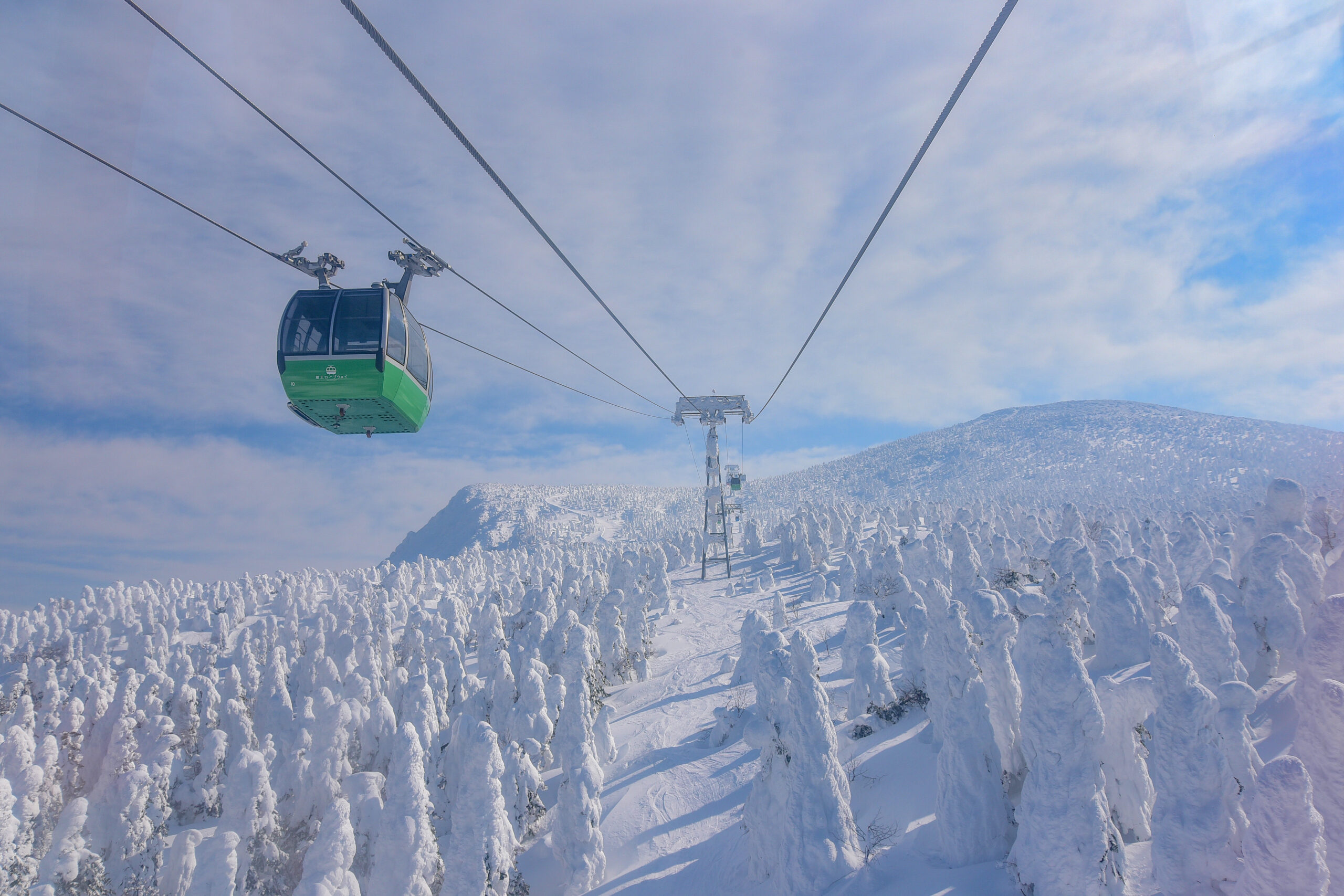
Yamagata City and its surrounding region, easily accessible via a two and half hours Shinkansen journey from Tokyo, offer a rich tapestry of culture and natural beauty, inviting tourists to an authentically Japanese experience. Nestled in northern Japan’s Tohoku region, Yamagata City has steadily attracted a growing number of visitors in recent years. Its unique appeal has also garnered significant attention from international media outlets. Notably, the prefecture was selected for National Geographic’s “Best of the World 2026” list, hailed as “Japan’s best-kept secret” for its captivating blend of “Age-old tradition and otherworldly outdoor experiences, without the crowds. This prestigious recognition further solidifies Yamagata City’s growing international reputation.
Yamagata City is actively enhancing its efforts to attract global tourists. We employ a diverse range of promotional strategies, including participation in international travel expos, dedicated business meetings with tourism agencies, strategic advertising campaigns, and engaging social media presence. For example, our official Instagram account (@explore_yamagata) consistently showcases the distinctive charm of Yamagata City throughout all four seasons to raise awareness of its appeal.
We are particularly focusing on key markets—such as Australia—given the strong interest travelers from these regions typically show in Yamagata City’s unique tourism resources. This strategic alignment was the precise reason for our participation in the recent Snow Travel Expos held in Sydney and Melbourne.
The Snow Travel Expo provided us with a valuable opportunity to directly interact with potential tourists deeply interested in winter travel to Japan. Throughout the event, we collaborated with the Zao Onsen Tourism Committee, and other tourism-related companies to set up our booth. We observed a trend among visitors seeking unseen, less-crowded ski resorts beyond famous destinations like Niseko and Hakuba. This perfectly aligns with Yamagata City’s unique appeal, which includes a vast ski resort boasting 14 slopes and 12 courses, exceptionally rare Snow Monsters, and an Onsen Street that evokes a nostalgic Japanese atmosphere.
At the expo, we effectively showcased our city at a booth, distributing brochures filled with the charm of Yamagata, which resulted in a rise in our Instagram followers. Furthermore, a stage presentation highlighted the winter appeal of Zao Onsen and featured the Hanagasa dance, successfully engaging numerous visitors. In a strategic move to attract global skiers and snowboarders, Zao Onsen Ski Resort has, as of last winter, integrated with the Ikon Pass, providing travelers with access to a multitude of international ski destinations
The expo reinforced that recognition of Yamagata City and Zao Onsen is growing steadily. Furthermore, our strengthened connections with tourism agencies and airlines are leading to the development of tour packages that feature Zao Onsen as a key destination.
As previously described, Zao Onsen Ski Resort is renowned for exceptional powder snow, an expansive area with 14 slopes and 12 courses, including a 10km long course, and extraordinary Snow Monsters.
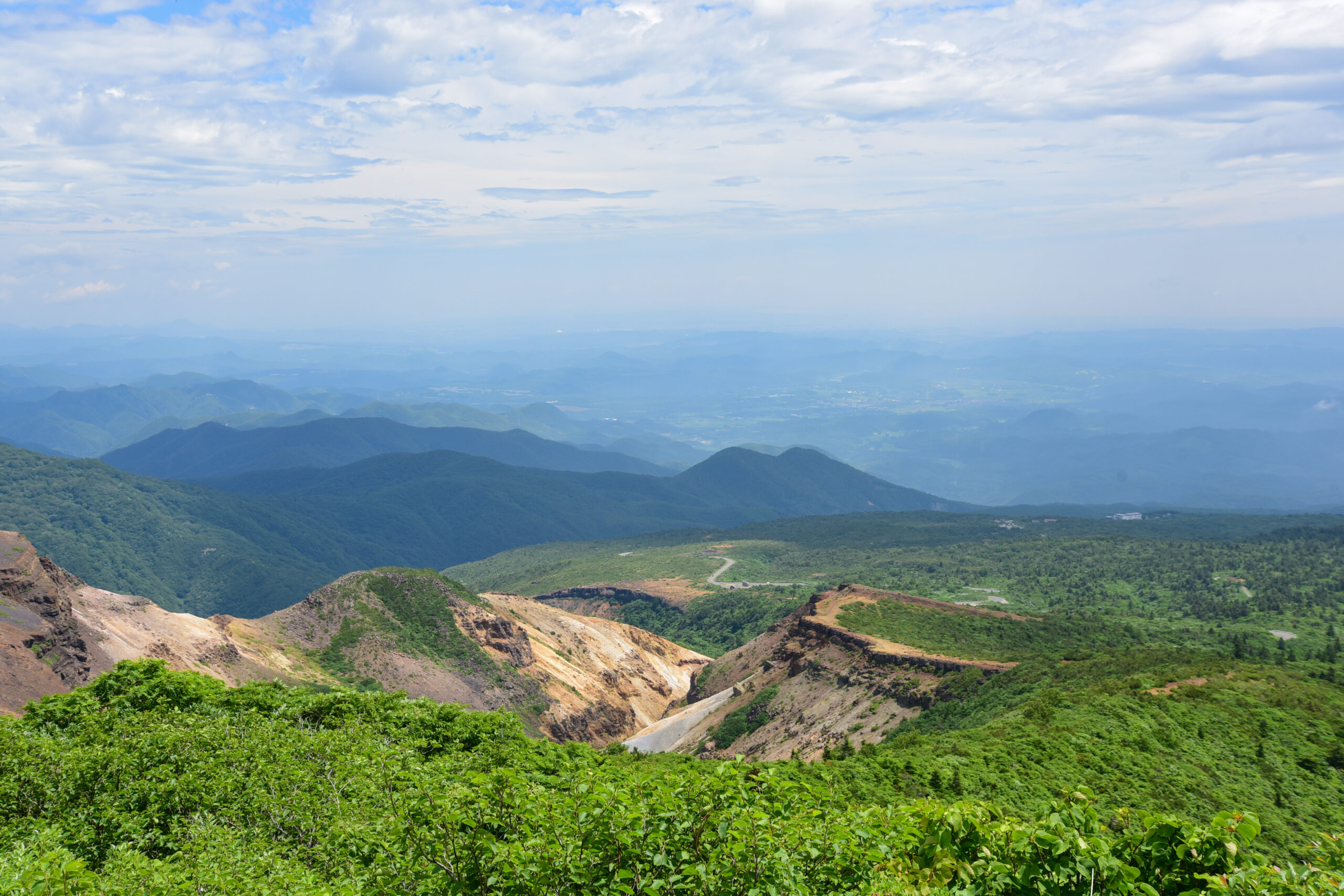
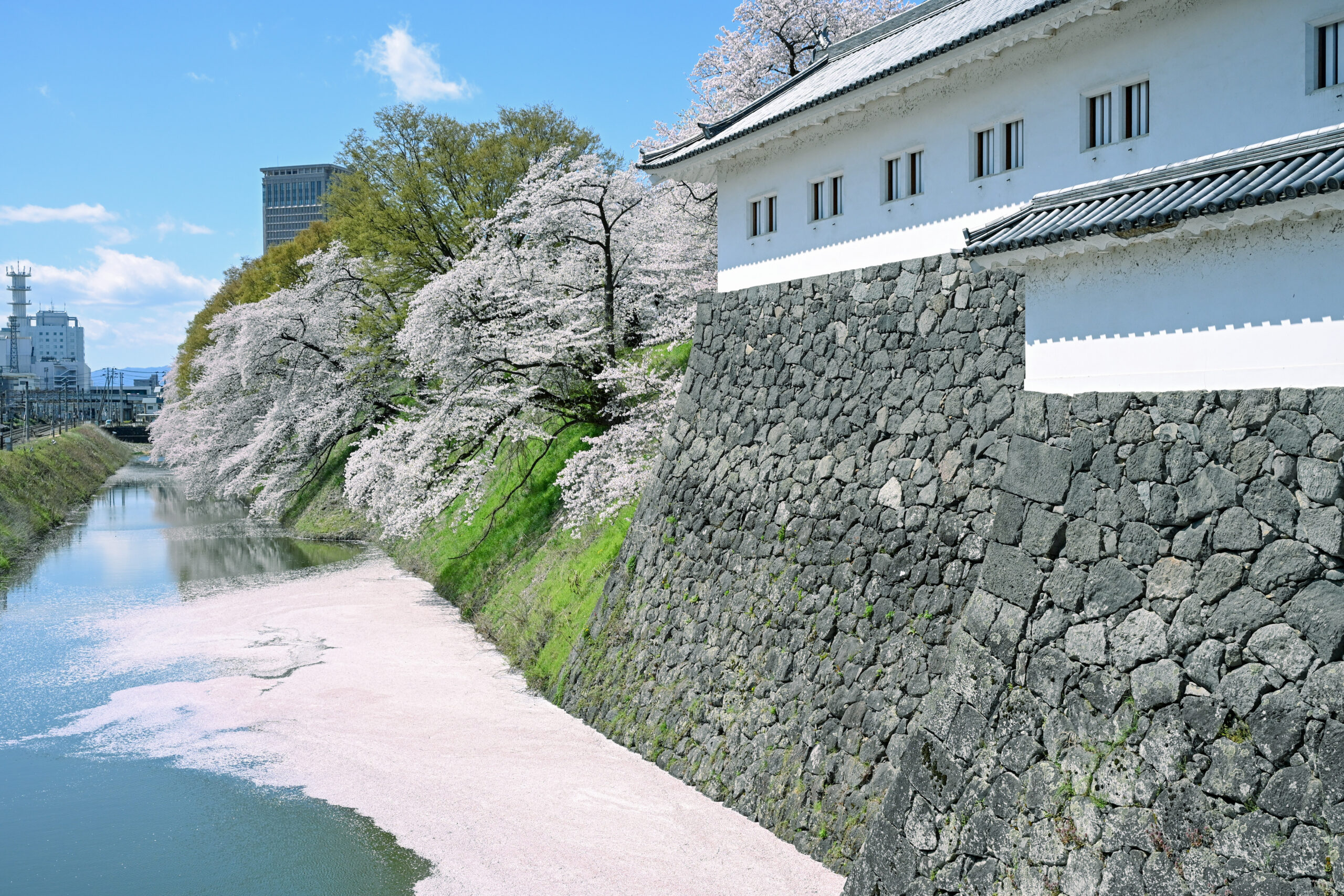
Yet Yamagata’s appeal extends far beyond winter. Spring brings immense blooms of cherry blossoms along rivers and around old castle ruins, which are sure to captivate visitors with delicate beauty. Summer offers cool refuge—thanks to its high altitude, temperatures run approximately 5℃ lower than the city center. Autumn transforms the landscape into a spectacular tapestry of vibrant yellows and reds.
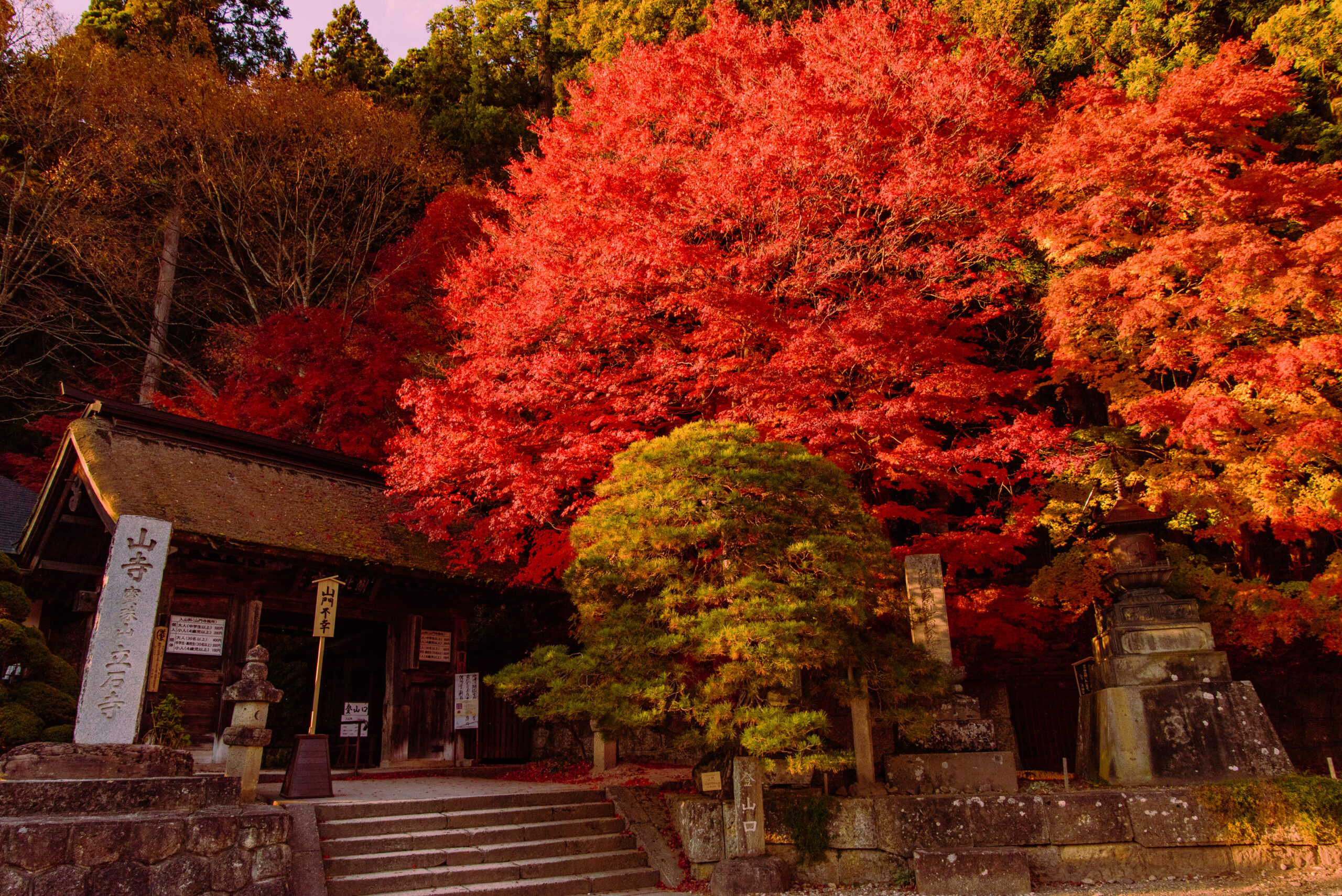
Indeed, it is this combination of natural splendor and meticulously preserved heritage that offers tourists various experiences throughout the year. We extend a warm invitation for your future visit to experience firsthand this unique land where magnificent nature and long-standing, community-rooted traditions are beautifully intertwined.
On Saturday, 26 September, the Sakura Matsuri (Cherry Blossom Festival) was held in Cowra, New South Wales.
The festival attracted many visitors throughout the day, with a wide range of activities showcasing Japanese culture. These included Japanese food stalls, opportunities to try on kimono, tea ceremonies and kyudo (Japanese archery). Visitors also enjoyed a variety of performances, including taiko drumming and kabuki.
CLAIR Sydney hosted a booth at the festival, where we promoted the diverse attractions of destinations across Japan. In keeping with the theme of the festival, we received many enquiries about popular cherry blossom viewing spots and the best times to see the blossoms. Many visitors also eagerly checked a map of Japan to locate cities and towns they were interested in, reflecting a keen interest in planning future trips to Japan.
Cowra is also the site of the Cowra Breakout, a mass escape attempt by Japanese prisoners of war during World War Ⅱ in 1944, in which 231 Japanese prisoners of war and 4 Australian guards lost their lives. The Cowra Japanese Garden, where the Sakura Matsuri was held, symbolises the reconciliation and friendship that have developed between Japan and Australia against this historical backdrop.
Participating in this event provided a valuable opportunity to reflect on the history of Japan–Australia relations and the dedicated efforts of many people in both countries to build these ties since the end of the World WarⅡ.
CLAIR Sydney will continue to strengthen our connections with local communities through opportunities such as this and, in our own small way, hope to help further develop Japan’s friendship with Australia and New Zealand.
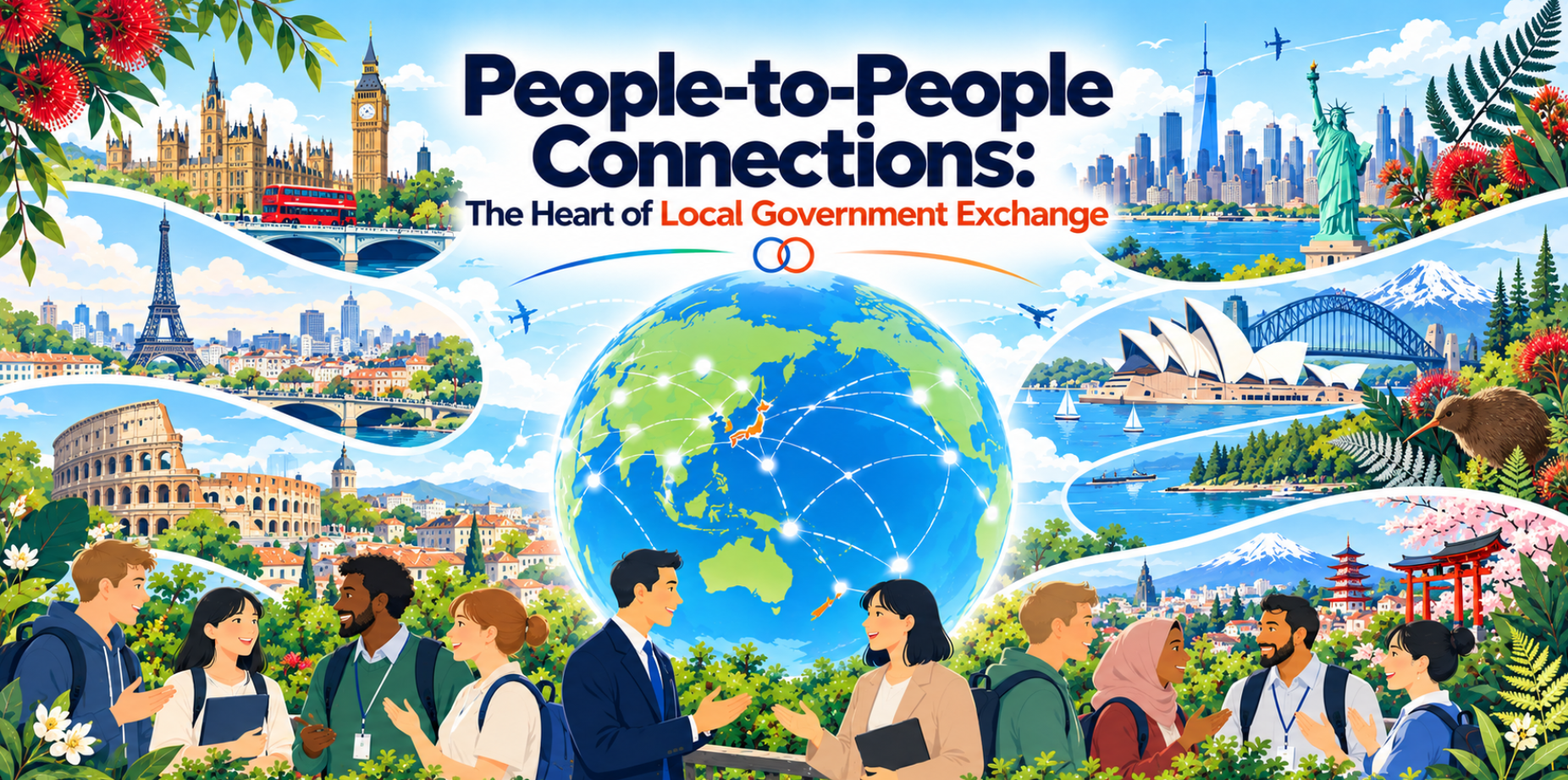
Recently, I had the privilege of attending a commemorative event in Nelson, New Zealand, celebrating the 50th anniversary of its sister-city relationship with Miyazu City in Kyoto Prefecture. Reflecting on half a century of exchanges between the two cities and seeing the strong bonds their communities have built together, I was reminded of the significance of sister-city relationships and local government exchanges.
In recent years, local government international exchange initiatives have often been expected to deliver tangible economic benefits, such as increased tourism and export growth. While these are undoubtedly important outcomes, the commemorative event reinforced my view that the true foundation of local government exchange is, after all, the connections between people.
The relationship between Nelson and Miyazu has been sustained not only through ties between their local governments, but also through student exchanges, homestay programs, and the efforts of countless community members. Through these ongoing exchanges, mutual understanding and trust have been fostered over time, enabling the relationship between the two cities to flourish for more than 50 years.
Today, advances in digital technologies, including artificial intelligence (AI), have significantly reduced language barriers and the challenges posed by geographical distance, making communication across countries and regions easier than ever before. By using these technologies, we can connect with countries, regions, and people with whom we previously had little or no contact, better understand one another, and work more closely together.
At the same time, while AI and digital technologies are powerful tools for expanding the possibilities of exchange, I believe that no matter how much technology advances, the driving force behind maintaining and developing relationships between local governments will always be the human connections that underpin them. The trust built through meeting face-to-face, experiencing one another’s cultures and values, and developing friendships cannot be cultivated overnight, nor can it be replaced by technology.
Looking beyond our own communities, we can see growing signs of division and confrontation within the international community, driven in part by the spread of increasingly inward-looking, nation-first approaches. These tensions can leave us feeling uncertain about the future of the world. In times like these, I believe that genuine efforts to understand one another and build trust across national and regional boundaries, together with opportunities for people to connect with one another face to face, become all the more important.
The 50-year history of exchanges between Nelson and Miyazu served as a valuable reminder that people are at the heart of local government exchange. As local governments continue their international engagement, I hope they will cherish these people-to-people connections while embracing new technologies, to foster even richer and more meaningful exchanges in the years ahead.
Velo-city is the premier international conference on cycling, bringing together 1,000 to 1,500 policymakers, researchers, and experts from around the world.
Covering topics ranging from urban planning and safe cycling to social issues, the event also features industry exhibitions and vibrant bike parades. Since 1983, Velo-city has helped shape the future of cycling, offering a unique opportunity to share knowledge, build networks, and promote cycling worldwide.
The conference is organised by the European Cyclist’s Federation (ECF), a leading nonprofit based in Brussels with over 70 member organisations in more than 40 countries.
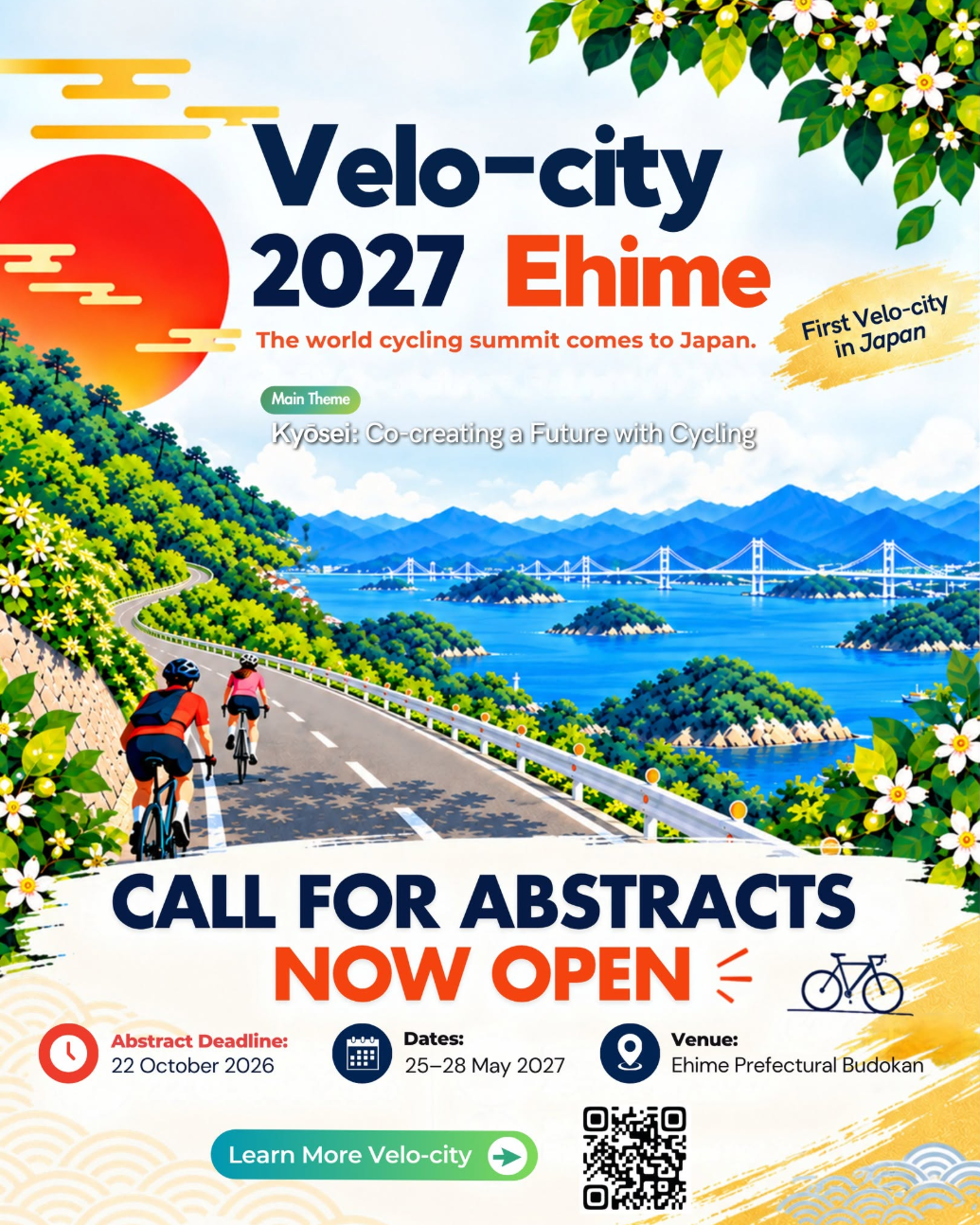
We are now accepting abstracts for Velo-city 2027 Ehime!
If you are involved in cycling initiatives in tourism, urban development, sustainable transport, or related fields, don’t miss your chance to present your work on a global stage! Submit a brief abstract of your proposed idea for consideration. Through presentations, panel discussions and more, share your projects and connect with practitioners tackling similar challenges around the world.
Main theme: Kyōsei Co-creating a Future with Cycling
Abstract submission deadline: 22 October 2026
- Presenters receive discounted conference tickets
- Submit your abstract in English for review and selection
- Discover more and apply today!
Stay updated with the latest news from Velo-city 2027 Ehime via the official ECF newsletter:
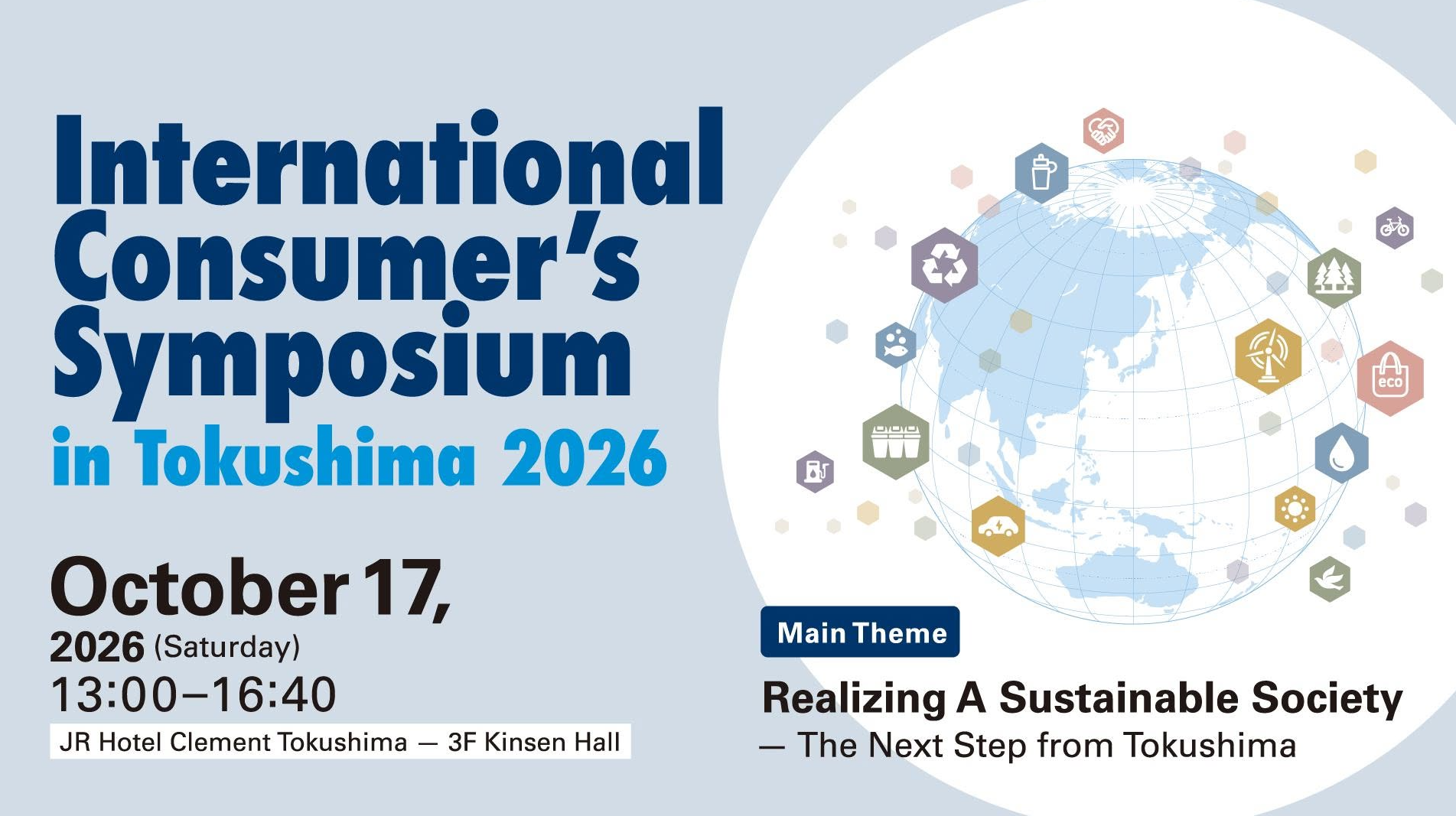
This symposium will be streamed online from Tokushima, Japan, and will feature sessions with young people who will shape the next generation and consumer policy experts from Japan and abroad.
Theme: Realising a Sustainable Society — The Next Step from Tokushima
Date: Saturday, October 17
Format: Online Streaming (Simultaneous Japanese-English Interpretation)
Sessions:
• Global Youth Session: Tokushima and South Korea! Young People’s Thoughts on Sustainable Futures
• Feature Address: Building a Sustainable Society with Sustainable Shopping and Consumption
• Expert Session on Consumer Policy: How Can We Reduce ‘Mottainai’? Rethinking Purchasing, Retail and Systemic Design
For more details, please visit the link below.



 Kobe’s local cuisine