[November 2024] Electoral system of the House of Representatives in Japan

As you may be aware from the news, a general election for the members of the House of Representatives was held in Japan last month on 27 October. As electoral systems vary from country to country, I would like to take this opportunity to introduce the electoral system of the House of Representatives in Japan and explain how the ballots are counted.

A general election of the House of Representatives is held either when the four-year term of a member of the House of Representatives expires, or when the House of Representatives is dissolved. This year’s election was held due to the latter. A general election of the House of Representatives consists of single-seat constituencies election and proportional representation election. The House of Representatives has 465 members, 289 of whom are elected by single-seat constituencies election and 176 of whom are elected by proportional representation election.

Under the single-seat constituencies election, Japan is divided into 289 constituencies and one representative is chosen from each constituency. Voters cast one vote with the name of the candidate they choose, and the candidate who receives the highest number of votes is elected.

Proportional representation election, on the other hand, is held in the 11 regional blocks of Japan where each block has a fixed number of members. Under this system, voters in a given region vote for a political party (or a political organisation), instead of an individual candidate. The number of elected representatives for each party is determined based on the number of votes received by the parties using the D’Hondt method. The seats are allocated to the top candidates, who are ranked from highest to lowest by the party prior to the election, and the top candidates listed up to the number of elected representatives on each list will be the elected candidates. The D’Hondt formula is a method in which the total number of votes received by the party is divided by a positive integer starting from 1, and the number of seats is assigned in the order of the quotient of the larger number. Candidates for single-seat constituencies election may also be listed on a party’s proportional representation list, with the same ranking. If a candidate wins in the single-member district election, this takes priority, so their placement on the proportional representation list is removed. Among the candidates who were not elected in the single-seat constituencies election, the rankings are assigned to the overlapping candidates based on the ratio of their votes to the highest vote count in their respective single-seat constituencies.

We would appreciate the opportunity to discuss these differences between Japan and Australia/New Zealand with you.

 

Posted in From the Executive Director

Uncategorised

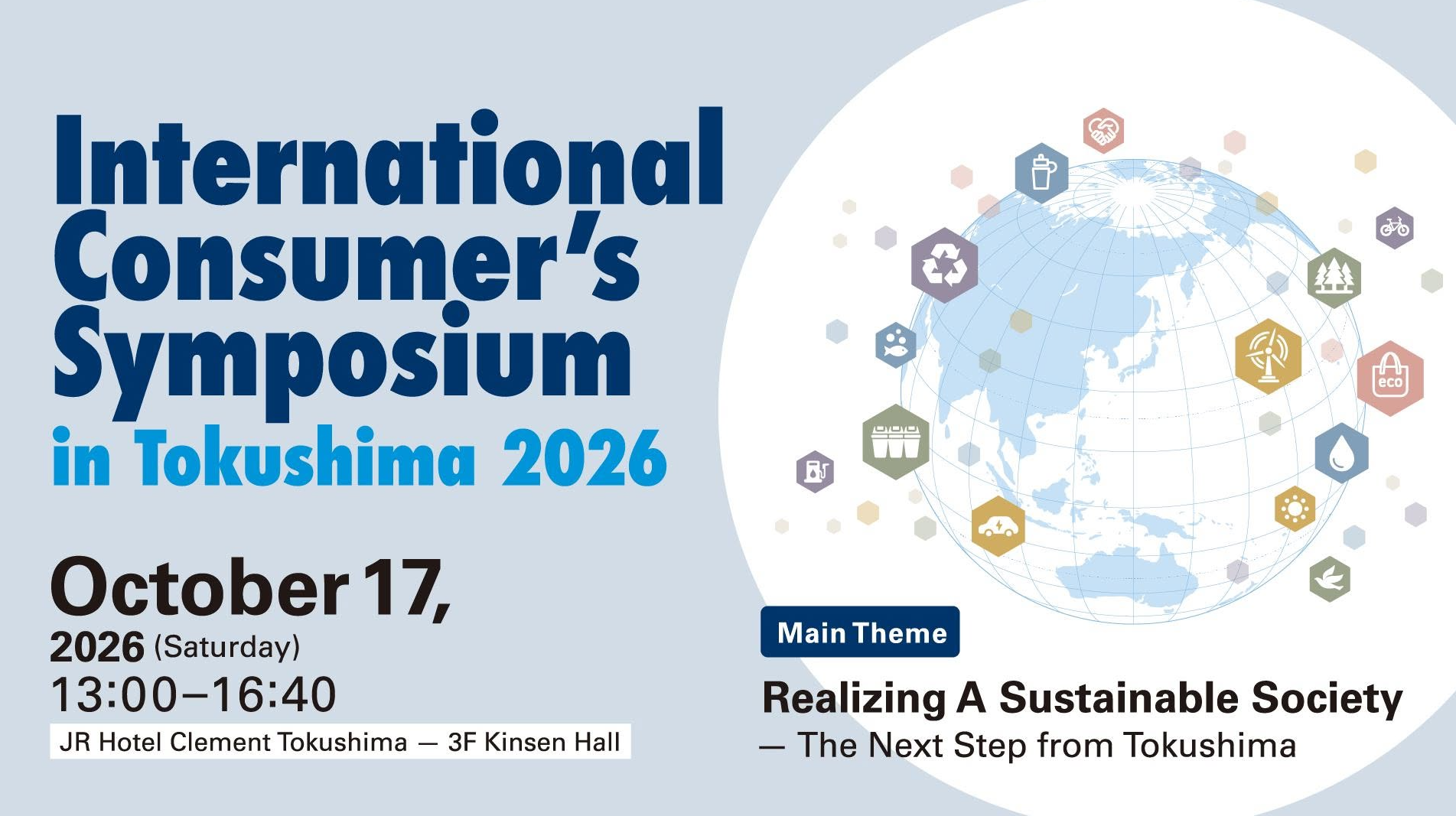
  •  This symposium will be streamed online from Tokushima, Japan, and will feature sessions with young people who will shape the next generation and consumer policy experts from Japan and abroad.
     
    Theme: Realising a Sustainable Society — The Next Step from Tokushima
    Date: Saturday, October 17
    Format: Online Streaming (Simultaneous Japanese-English Interpretation)
     
     
    Sessions:
    • Global Youth Session: Tokushima and South Korea! Young People’s Thoughts on Sustainable Futures
    • Feature Address: Building a Sustainable Society with Sustainable Shopping and Consumption
    • Expert Session on Consumer Policy: How Can We Reduce ‘Mottainai’? Rethinking Purchasing, Retail and Systemic Design
    For more details, please visit the link below.
  •  The Sydney Marathon, a sister marathon of the Nagoya City Marathon, was held on 29–30 August. Two runners from Nagoya took on different challenges, with one running the 5km mini marathon and the other completing the full 42km marathon.
     
    CLAIR Sydney supported the runners on the day and also coordinated their courtesy visit to the City of Sydney after the event.
     
     
    Last year marked the 45th anniversary of the sister-city relationship between Nagoya and Sydney. During the visit, the runners presented a letter from the Mayor of Nagoya expressing hopes for an even stronger friendship between the two cities.
    They also met with City of Sydney councillors Cr Robert Kok and Cr Lyndon Gannon, both of whom had previously visited Nagoya.


    We hope exchanges such as these will continue to deepen the long-standing ties between Nagoya and Sydney in the years ahead. Congratulations to both runners on their amazing achievements!
    CLAIR Sydney supports a wide range of activities by Japanese local governments in Australia and New Zealand. Please feel free to contact us if we can assist with your activities in the region.
  • On Saturday, 26 September, the Executive Director of CLAIR Sydney attended a commemorative event held in Nelson, New Zealand, celebrating the 50th anniversary of the sister city relationship between Nelson City and Miyazu City in Kyoto Prefecture. The Director attended at the invitation of the Nelson-Miyazu Sister City Association and Nelson City Council.
     
     
    The relationship between the two cities began in 1974, when a Japanese parliamentary goodwill delegation led by Mr Shigesaburo Maeo, then Speaker of the House of Representatives and a native of Miyazu, made an official visit to New Zealand. During the visit, the delegation travelled to Nelson, the hometown of Sir Stanley Whitehead, then Speaker of the New Zealand Parliament. The two cities share geographical similarities, with Nelson’s sandspit resembling Miyazu’s Amanohashidate, one of Japan’s three most scenic views. In addition to this geographical similarity, they also share similar climates, natural environments and industries. With the support and mediation of the parliamentary speakers of both countries, a sister city agreement was formally concluded in 1976.
     
     
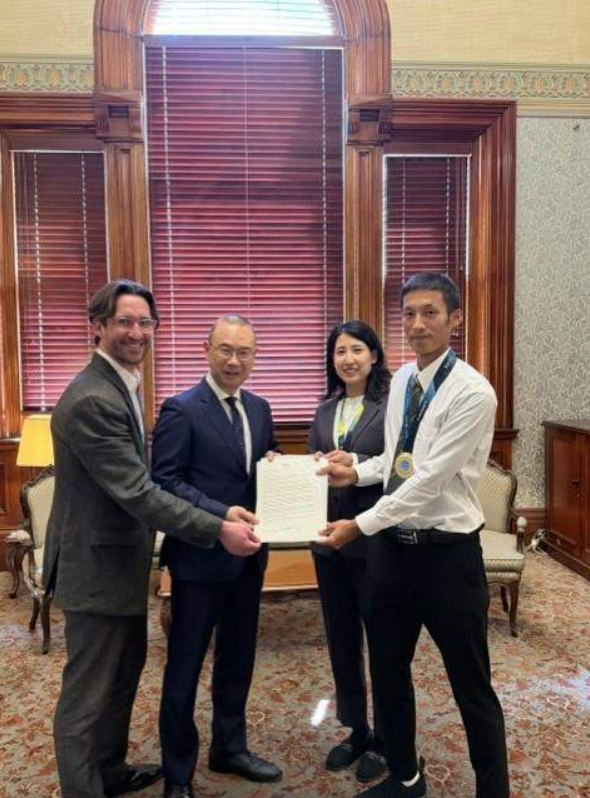
    On the day of the event, a Cherry Blossom Festival was held at the Miyazu Japanese Garden in Nelson, attended by sister city representatives from both cities, including the Miyazu delegation led by Mayor Masafumi Kizaki and City Council Chair Tomiyoshi Matsuura. At the opening ceremony, His Excellency Makoto Osawa, Ambassador of Japan to New Zealand, presented a certificate of commendation to the Nelson-Miyazu Sister City Association in recognition of its longstanding contributions to exchanges between the two cities.
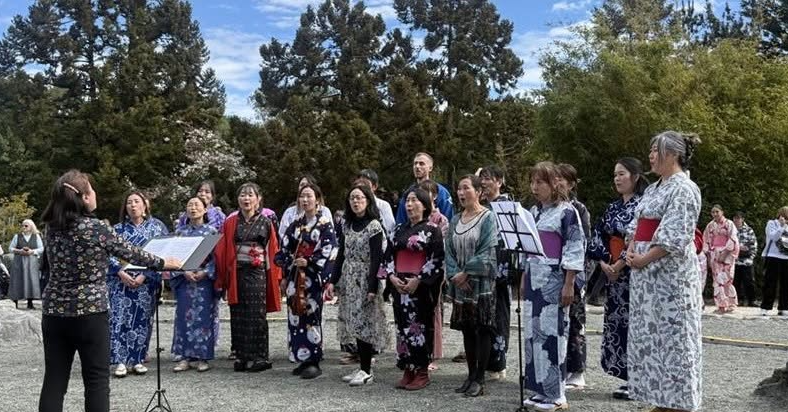
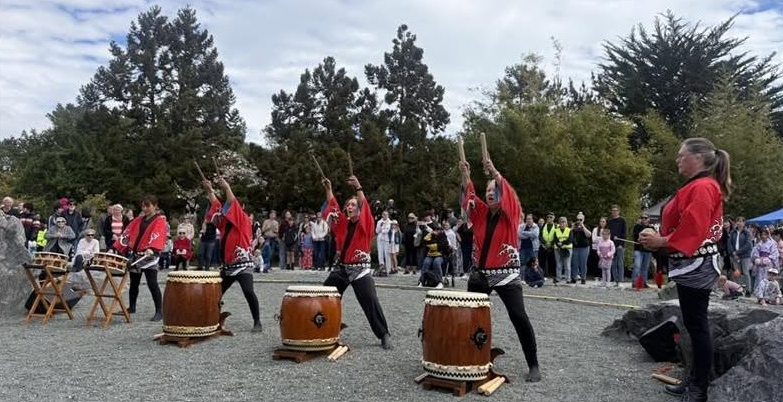
    The festival featured taiko drumming and choral performances of Japanese songs by Nelson residents, creating a warm and festive atmosphere throughout the day. As New Zealand enters spring while Japan moves into autumn, the cherry blossoms had just begun to bloom at the time of the event, adding a beautiful touch of colour to this significant 50-year milestone. The festival was made possible through the dedicated efforts of many people, including Ms Linley Smith, Chair of the Nelson-Miyazu Sister City Association. It was a heartwarming and memorable event that reflected the passion and commitment of those who have supported the relationship between the two cities over many years.
     
     
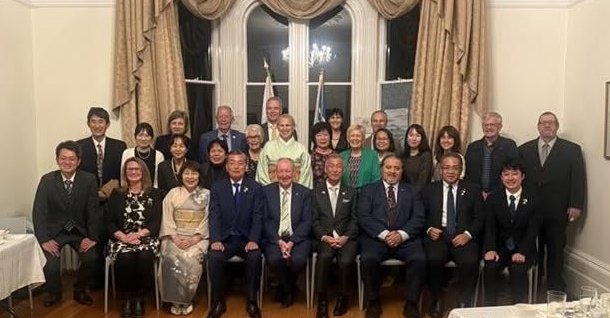
    In the evening, Nelson City Council hosted a commemorative dinner. Attendees from both cities reflected on the achievements and enduring friendship built through exchanges over the past half century, and reaffirmed their commitment to further strengthening their relationship in the years ahead. Among the Miyazu delegation was an English teacher who had previously stayed with Nelson’s current Mayor, Nick Smith, as part of a sister city exchange program. This example highlighted how people-to-people exchanges, particularly those involving younger generations, can both equip participants to carry international exchange forward and have a profound impact on their lives. These connections form an important foundation for the ongoing relationship between the two cities.
     
    At a time of growing global uncertainty, this event was a valuable reminder of the importance of people-to-people connections, which lie at the heart of sister city relationships and other exchanges between local governments. We would like to express our sincere respect and gratitude to all those who have contributed to the friendship between Nelson and Miyazu over the years. We hope that this relationship will continue to flourish, be passed on to future generations and grow even stronger in the future.
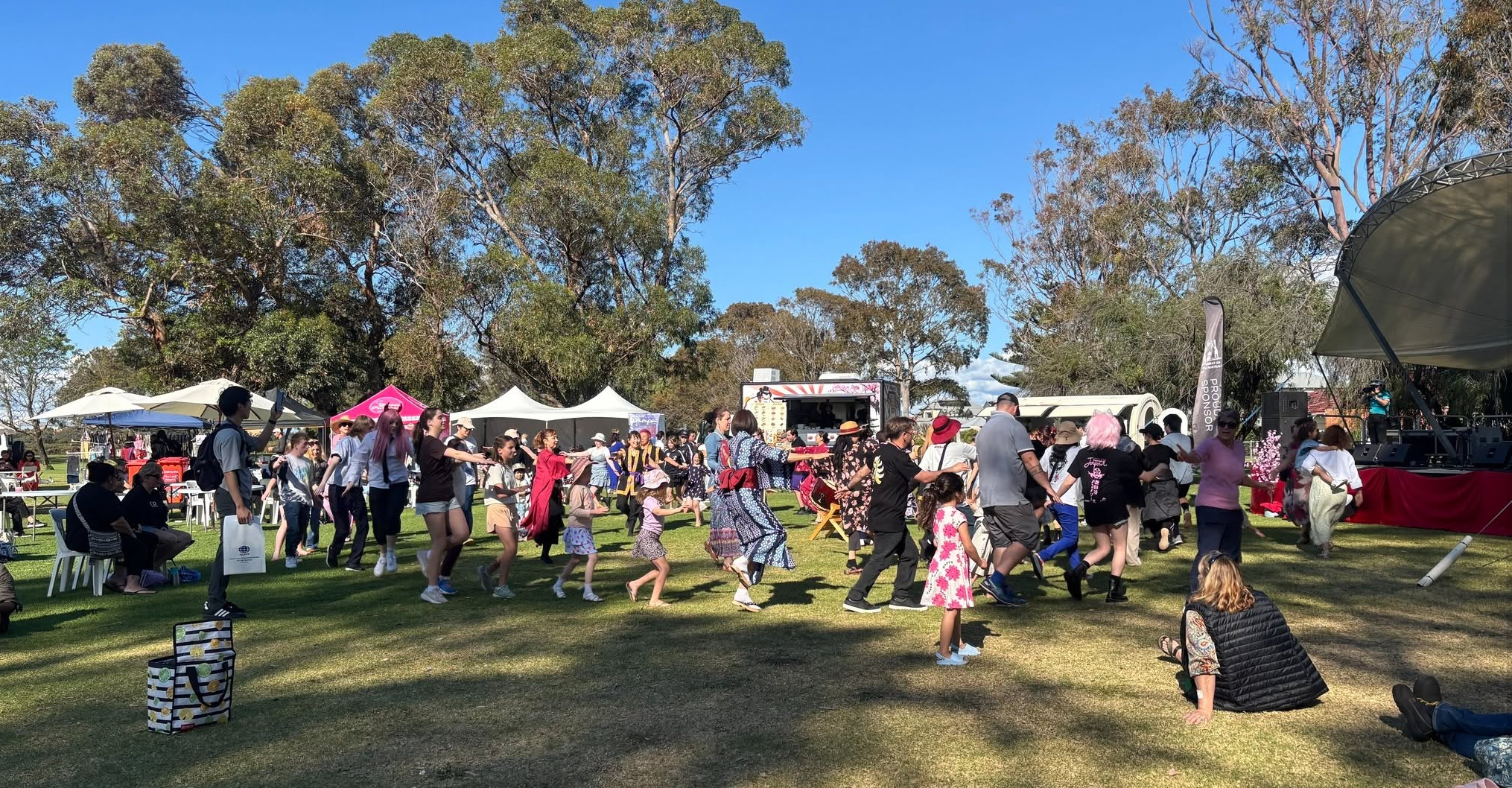
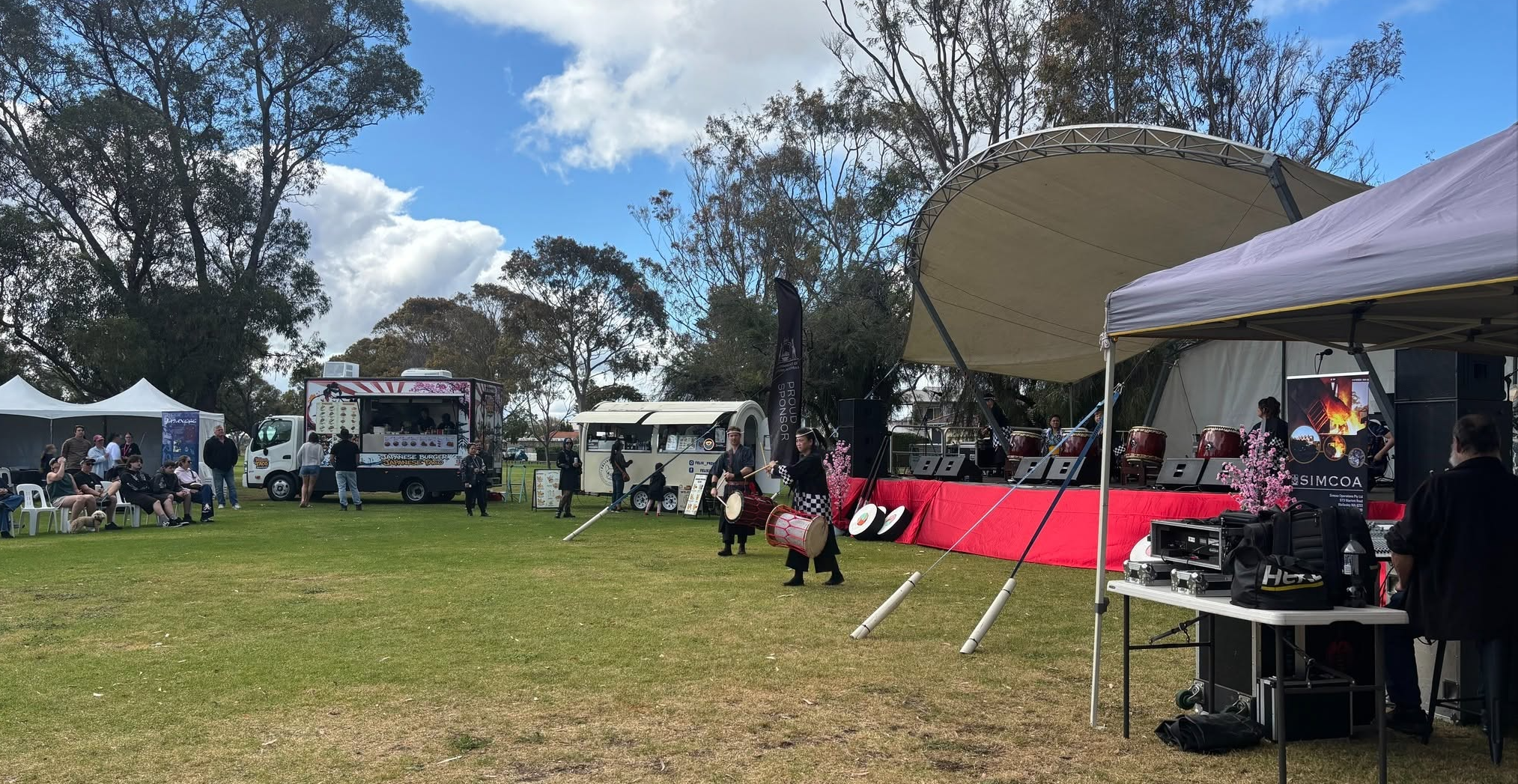
  •  The South West Japan Festival was held in Bunbury, Western Australia, over a two week period from 7 to 20 September.
    The festival has been held annually since 2018 to celebrate the sister city relationship between Setagaya City, Tokyo, and Bunbury. This year, a variety of events were held in Bunbury and the surrounding region, including sushi making workshops, screenings of films about Japanese culture, and exchange activities with visiting Japanese high school students.


    CLAIR Sydney participated in Bunbury Matsuri Day, the festival’s flagship event and grand finale, where we hosted a booth alongside members of the JET Alumni Association (JETAA) Western Australia Chapter, showcasing tourist destinations and local government initiatives from across Japan.
     
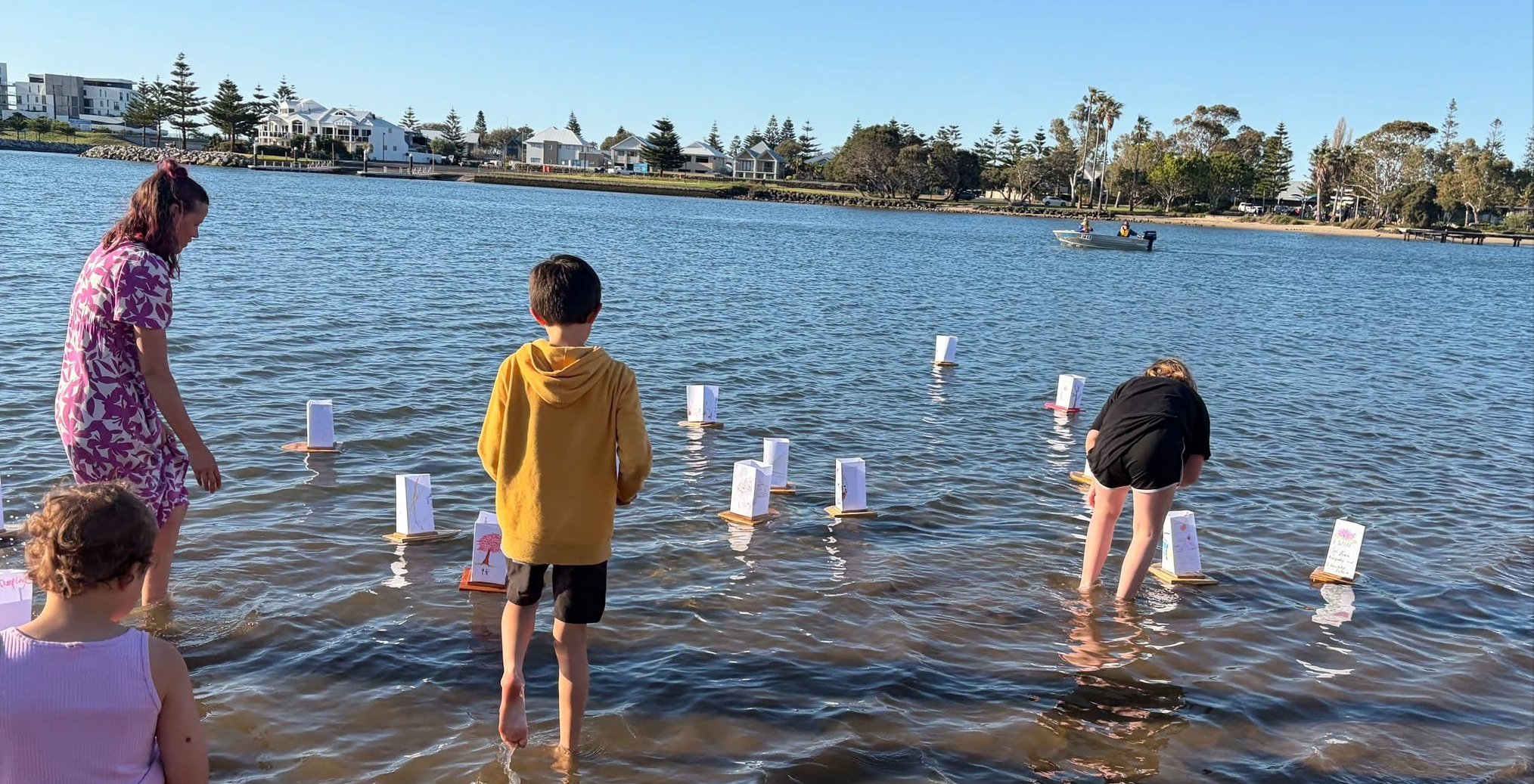
    The strong interest in Japan was evident throughout the event, with several visitors travelling approximately 3 hours by car from Perth to attend. Following the event, the Floating Lantern Ceremony provided a memorable conclusion, with lanterns decorated with Japanese flags and cherry blossom motifs illuminating the river, reflecting the deep affection for Japan within the local community.


    CLAIR Sydney will continue to promote the attractions and initiatives of local communities throughout Japan through participation in events such as these.
     
     
  • On Sunday, 20 September, CLAIR Sydney hosted a booth at Japan and Friends Day 2026, held on the Gold Coast, Queensland, Australia. Organised by the Japanese Society of Gold Coast, the event gave us an opportunity to showcase the many attractions of destinations across Japan.
     
     Many visitors stopped by our booth to ask for recommendations for their next trip to Japan. Some also shared what they love about Japan’s beaches and how they differ from those on the Gold Coast. It was wonderful to meet so many people whose travels had deepened their appreciation for Japan’s nature, food and traditional culture.
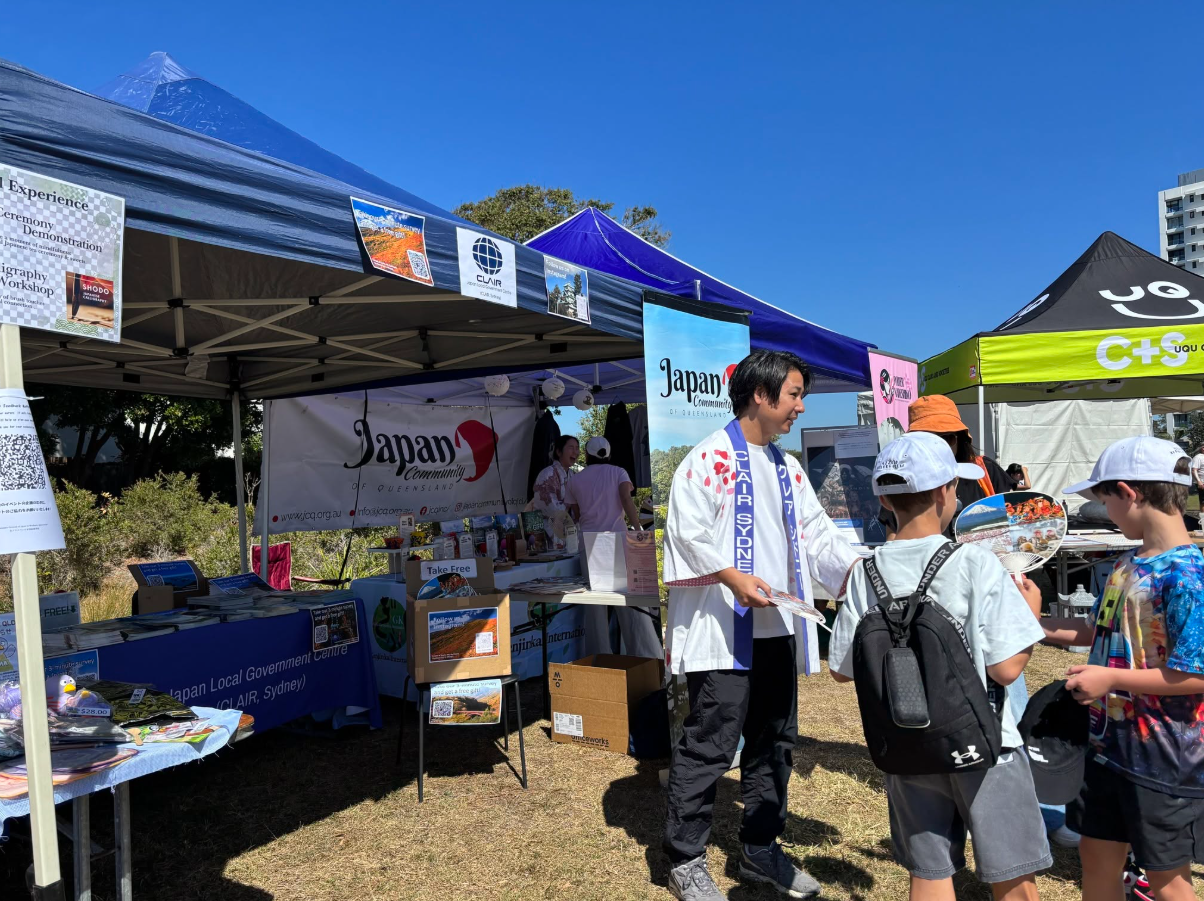
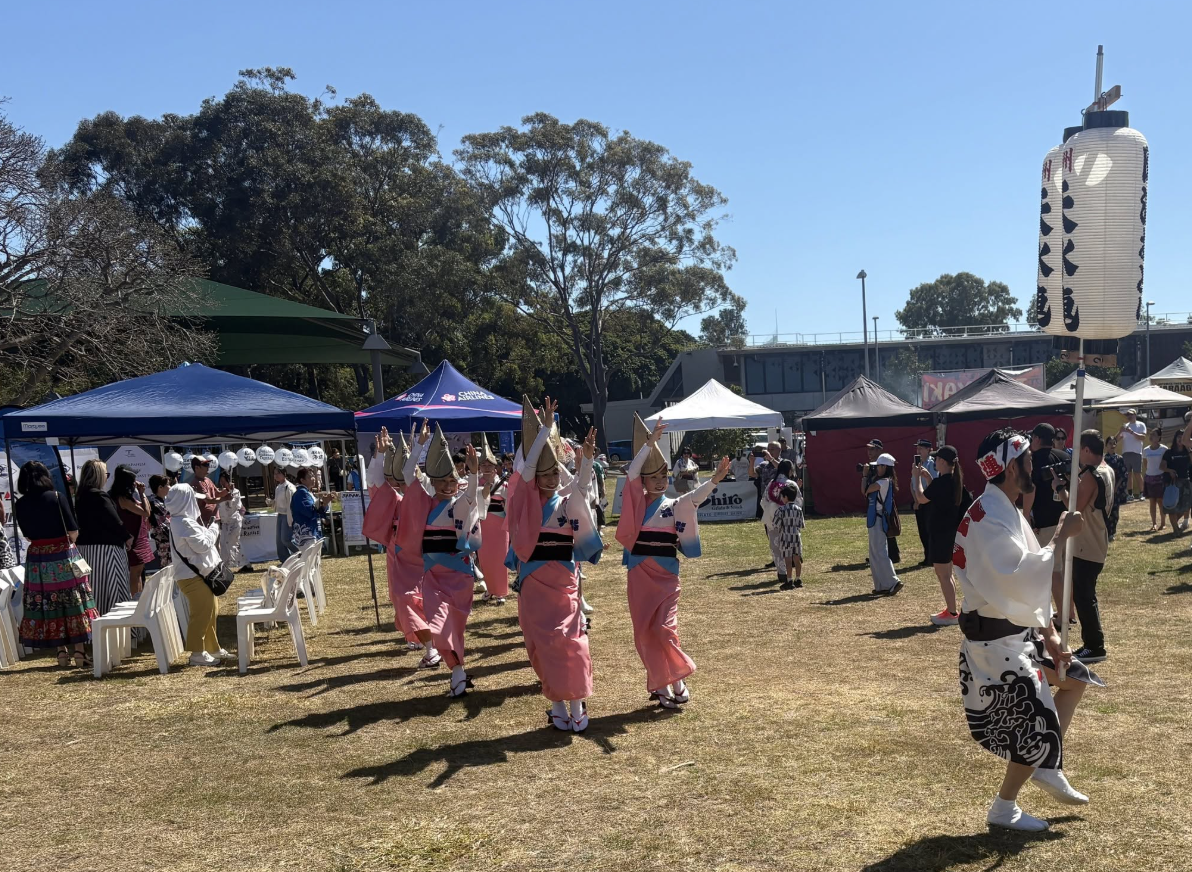


    CLAIR Sydney looks forward to continuing to share the diverse attractions of destinations across Japan with people in Australia and New Zealand through events like this.
    Thank you to everyone who stopped by our booth and we hope to see you again!


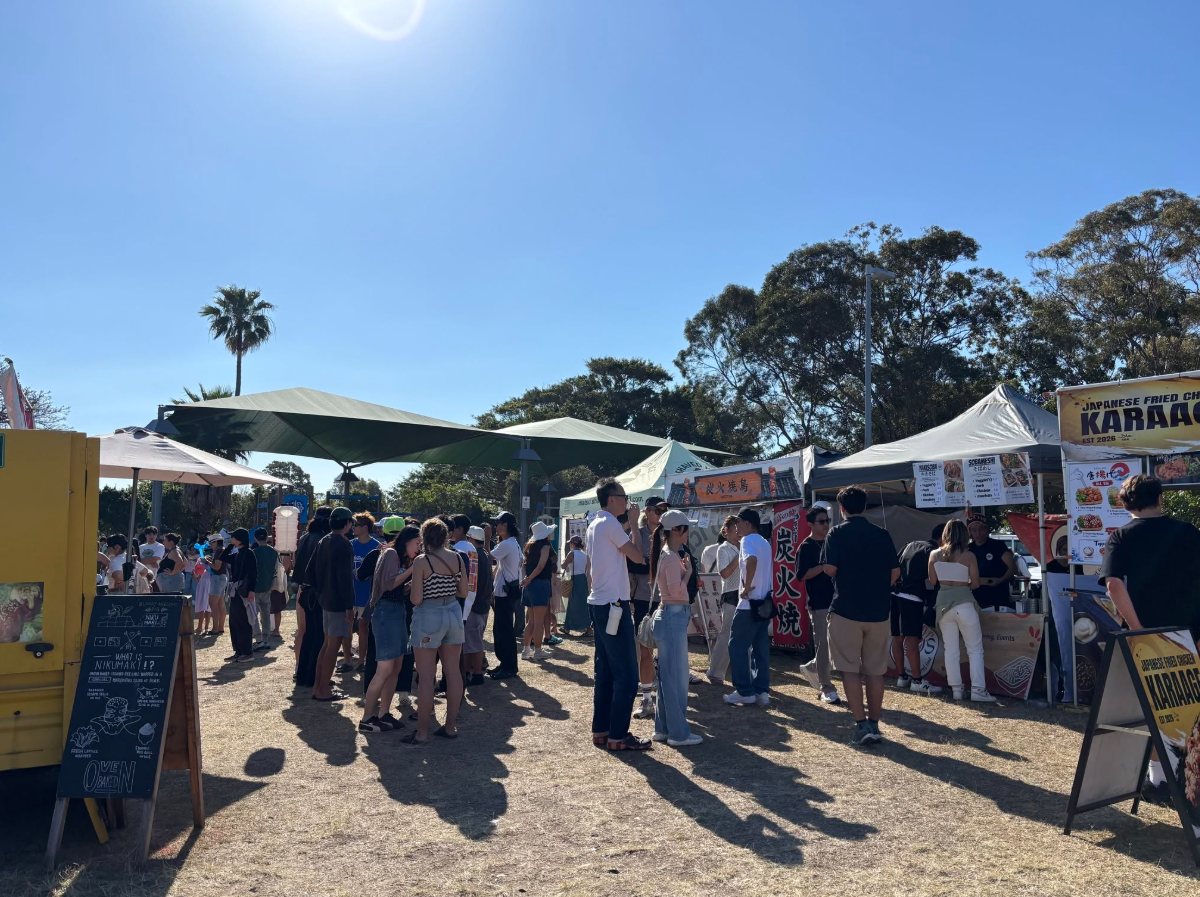
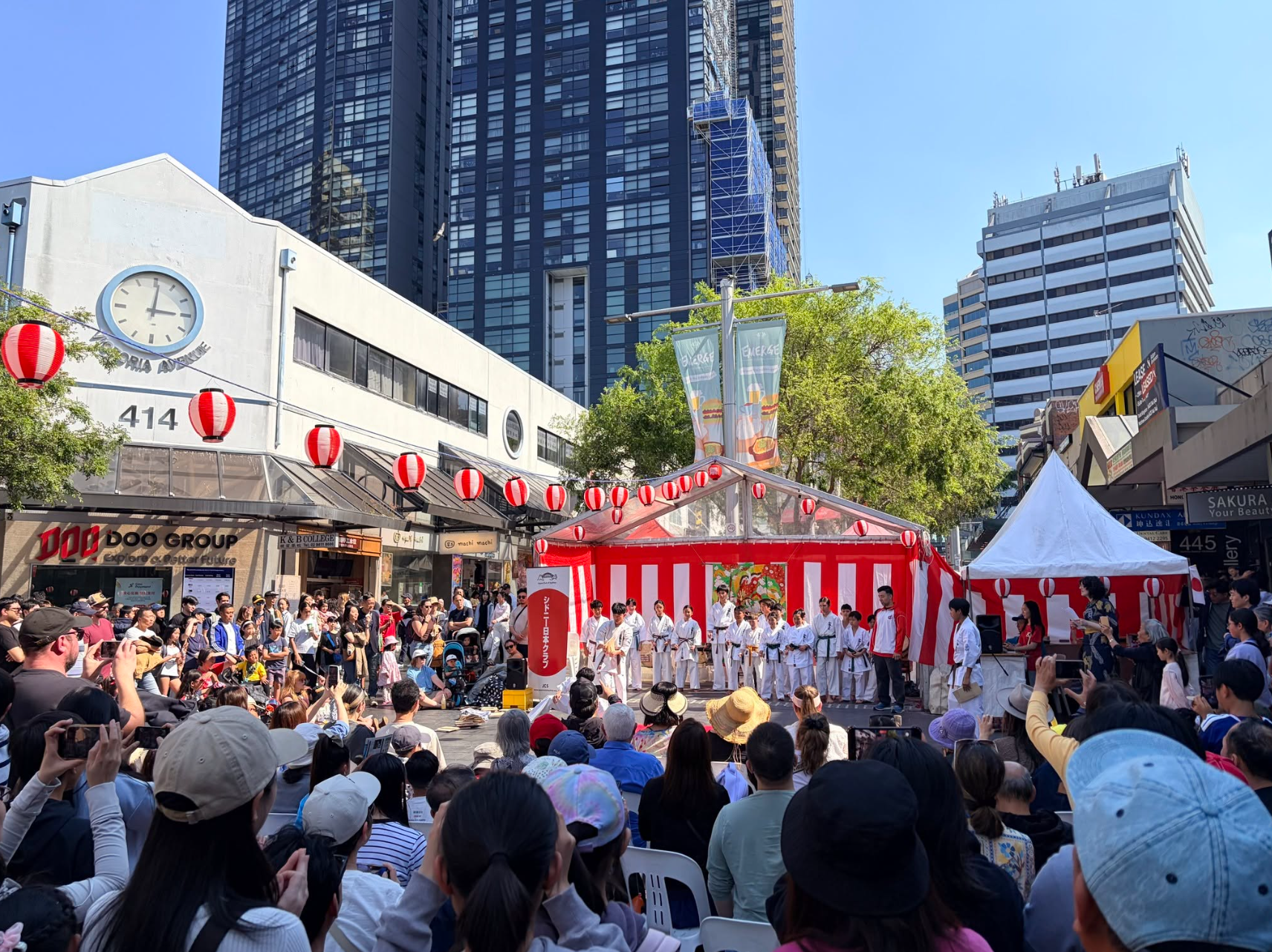
  • On Sunday, 13 September, the JCS Japan Festival in Chatswood 2026 was held in Chatswood, in Northern Sydney. The event was organised by the Japan Club of Sydney (JCS).


    Attendees enjoyed Japanese culture through Japanese food stalls and hands-on experiences such as sumi-e ink painting and origami, as well as taiko and karate performances. According to the organiser, approximately 5,000 people attended the event, creating a lively atmosphere throughout the day.
     
     
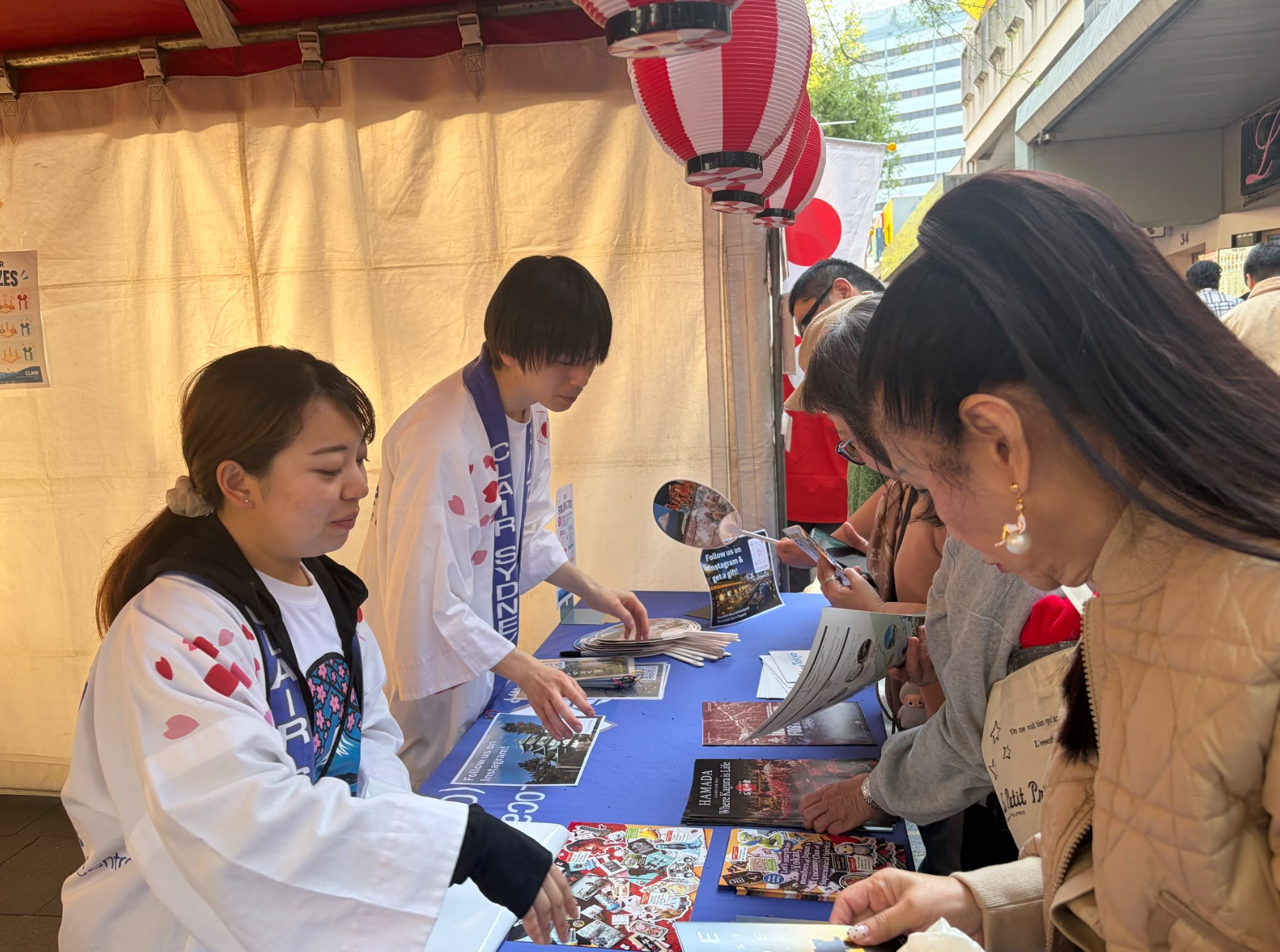
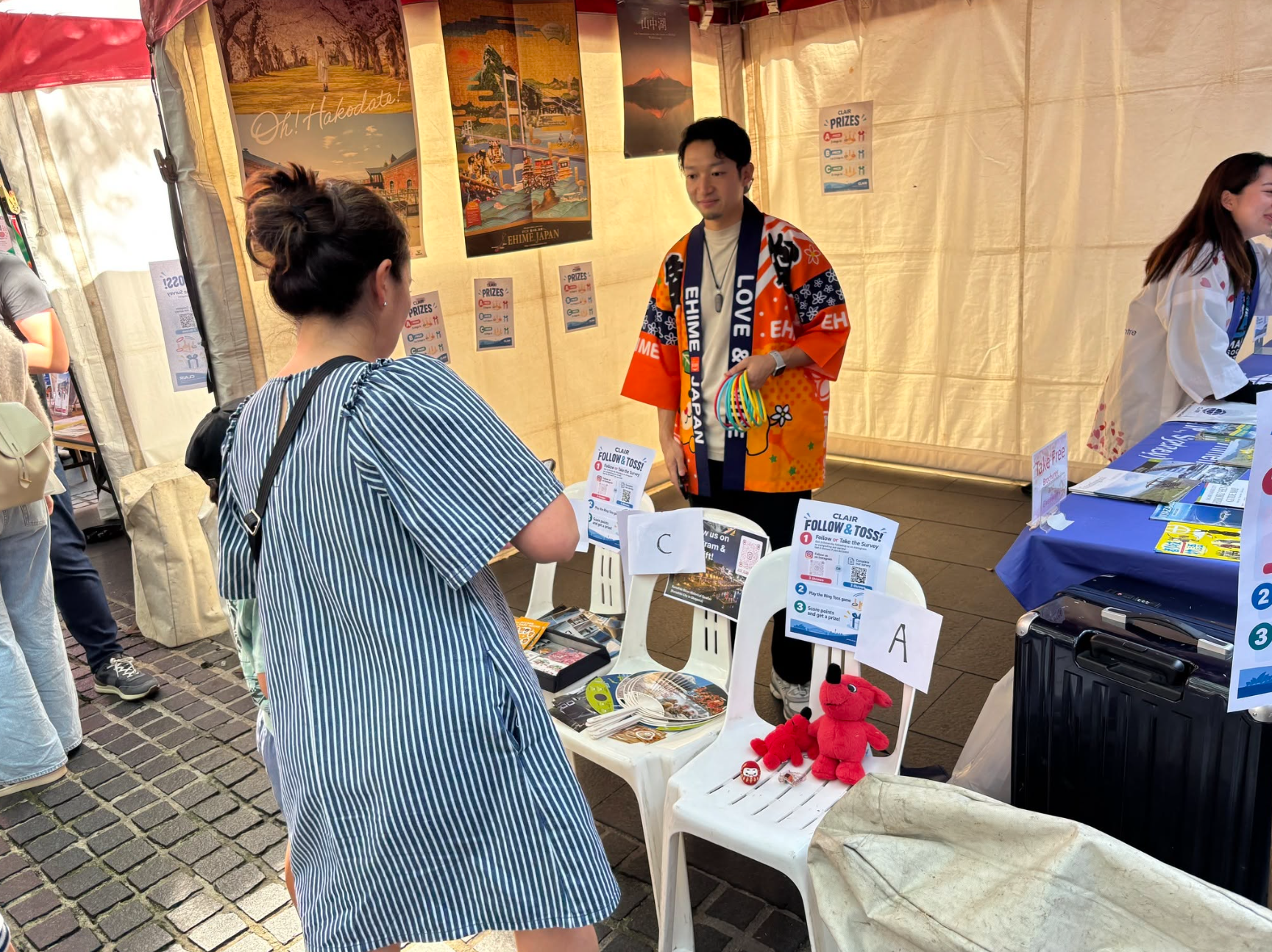
    CLAIR Sydney hosted a booth showcasing tourist destinations and unique attractions of regions across Japan, including destinations beyond the well-known “Golden Route”. We also held a ring toss game for visitors who followed our Instagram account or completed a survey about their travel experiences in Japan. The activity was enjoyed by visitors of all ages, from young children to adults. Our booth welcomed a steady stream of visitors throughout the day, giving them an opportunity to discover the diverse attractions of Japan.
     
    We hope this event helped more people discover the many attractions of regions across Japan and inspired them to explore destinations beyond Japan’s best-known tourist spots in the future. Thank you to everyone who visited our booth!
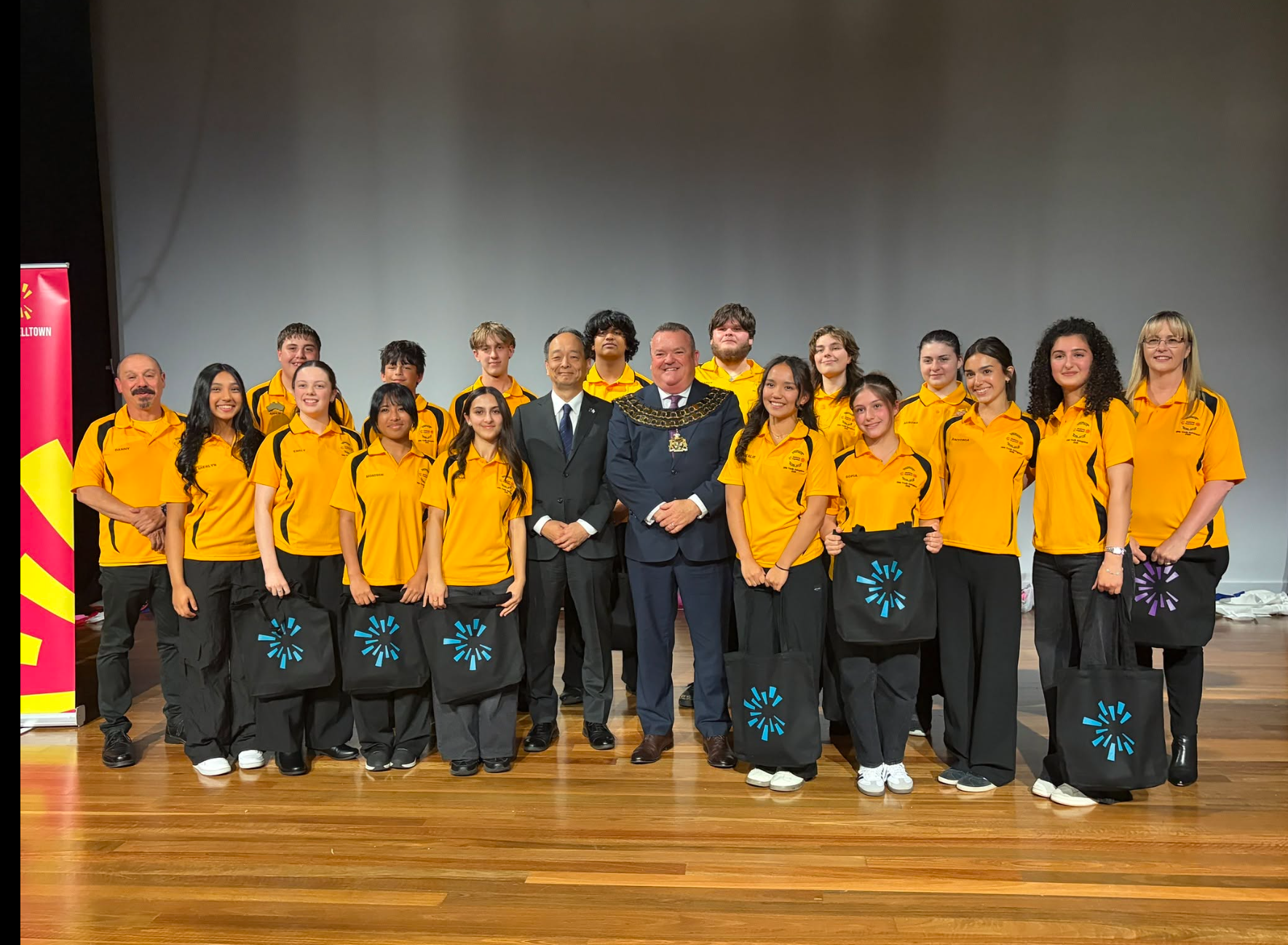
  •  On Wednesday, 9 September, a farewell reception was held in Campbelltown, New South Wales, for a student delegation visiting Koshigaya City in Saitama Prefecture, Campbelltown’s sister city, later this month.
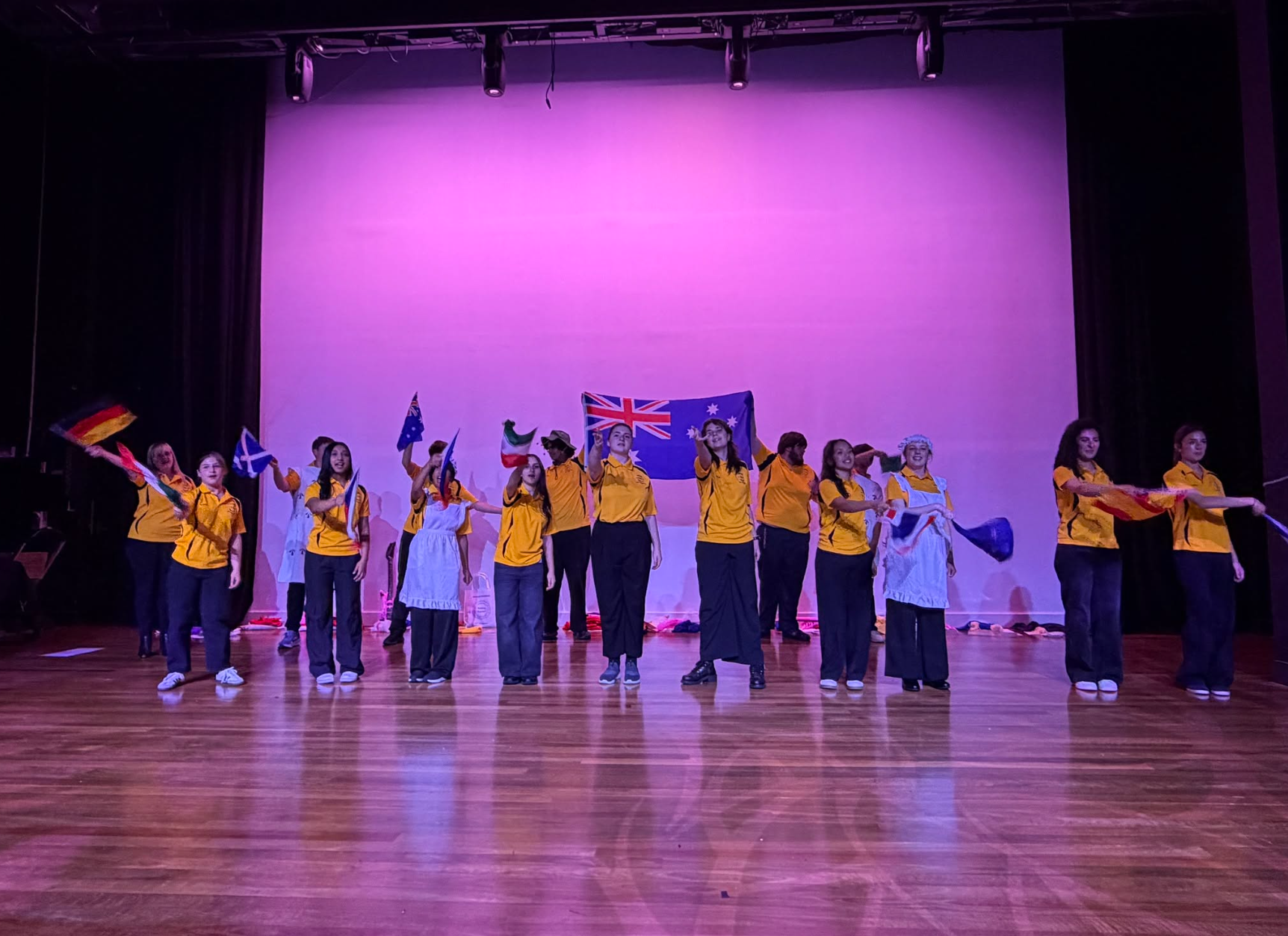
    At the reception, the students performed “I Am Australian”, a widely loved song inspired by Australia’s history and culture, as well as the Japanese song “Kaeru no Uta” (“The Frog Song”). The students had reportedly been practicing enthusiastically in preparation for their exchange with the people of Koshigaya, and their hard work was clearly reflected in their lively performances.
     
    Since establishing their sister-city relationship in 1984, Campbelltown and Koshigaya have maintained exchanges for more than 40 years through initiatives such as the opening of parks named after each city and organising reciprocal student exchange programmes. We would like to extend our deepest respect and appreciation to everyone who has contributed to strengthening the friendship between the two cities, and hope that the ties nurtured over many years will be passed on to future generations and continue to grow for years to come.
     

    Consul-General Yamanaka of the Consulate-General of Japan in Sydney (centre left), Cr Darcy Lound, Mayor of Campbelltown (centre right), and the student delegation.


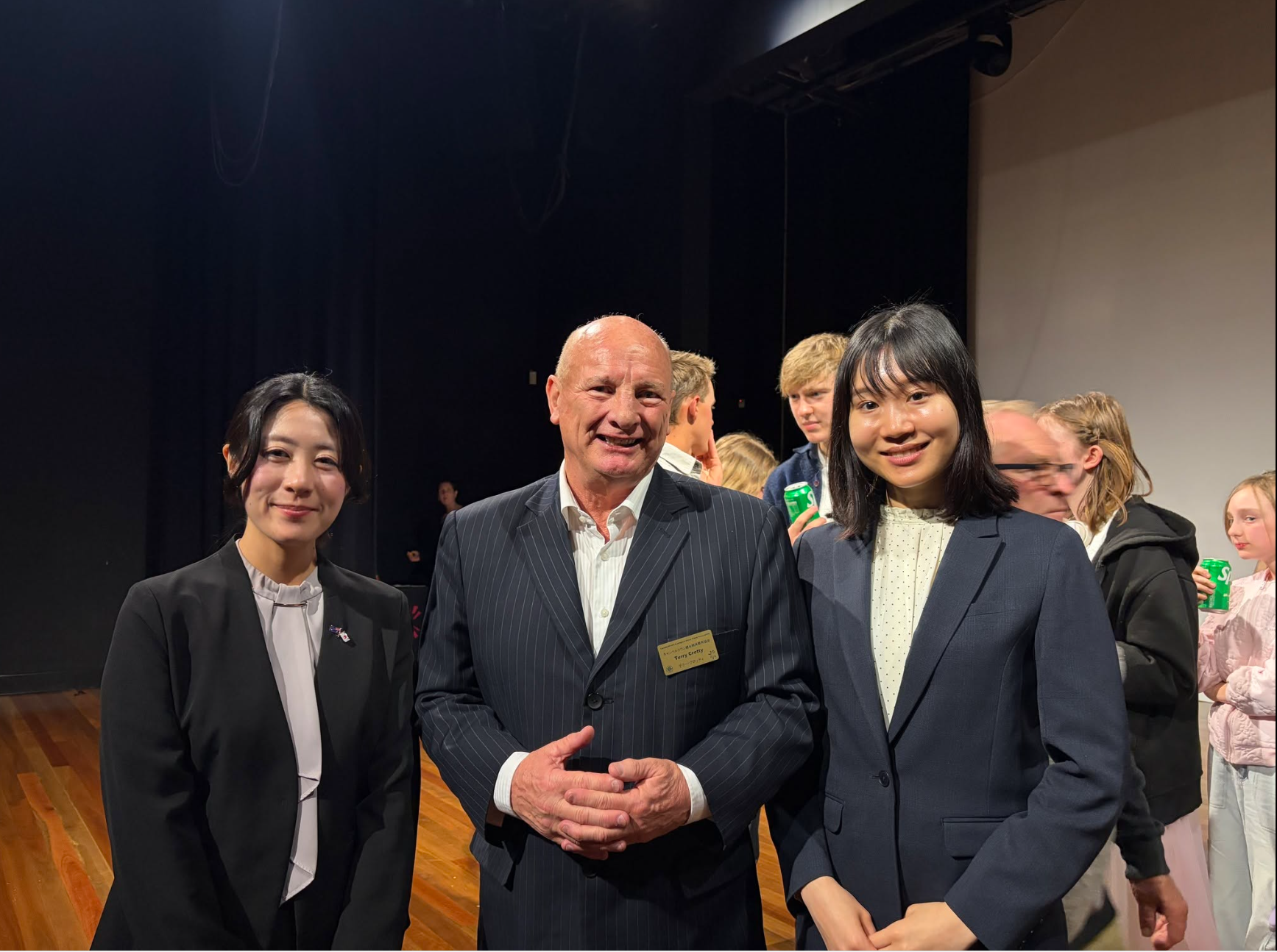
    CLAIR Sydney staff at the reception with Mr Terry Cotty, President of the Campbelltown-Koshigaya Sister Cities Association (centre).

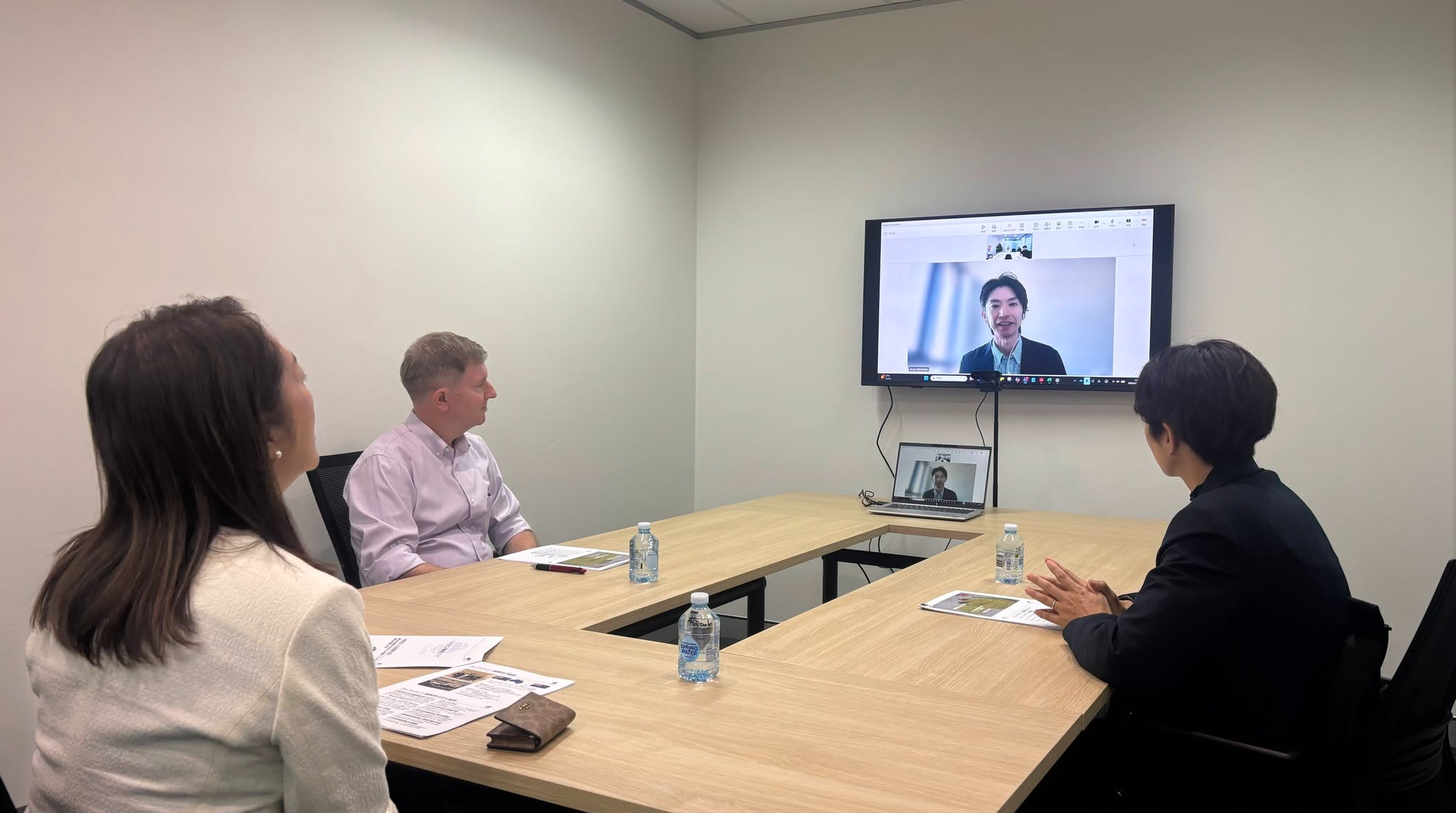
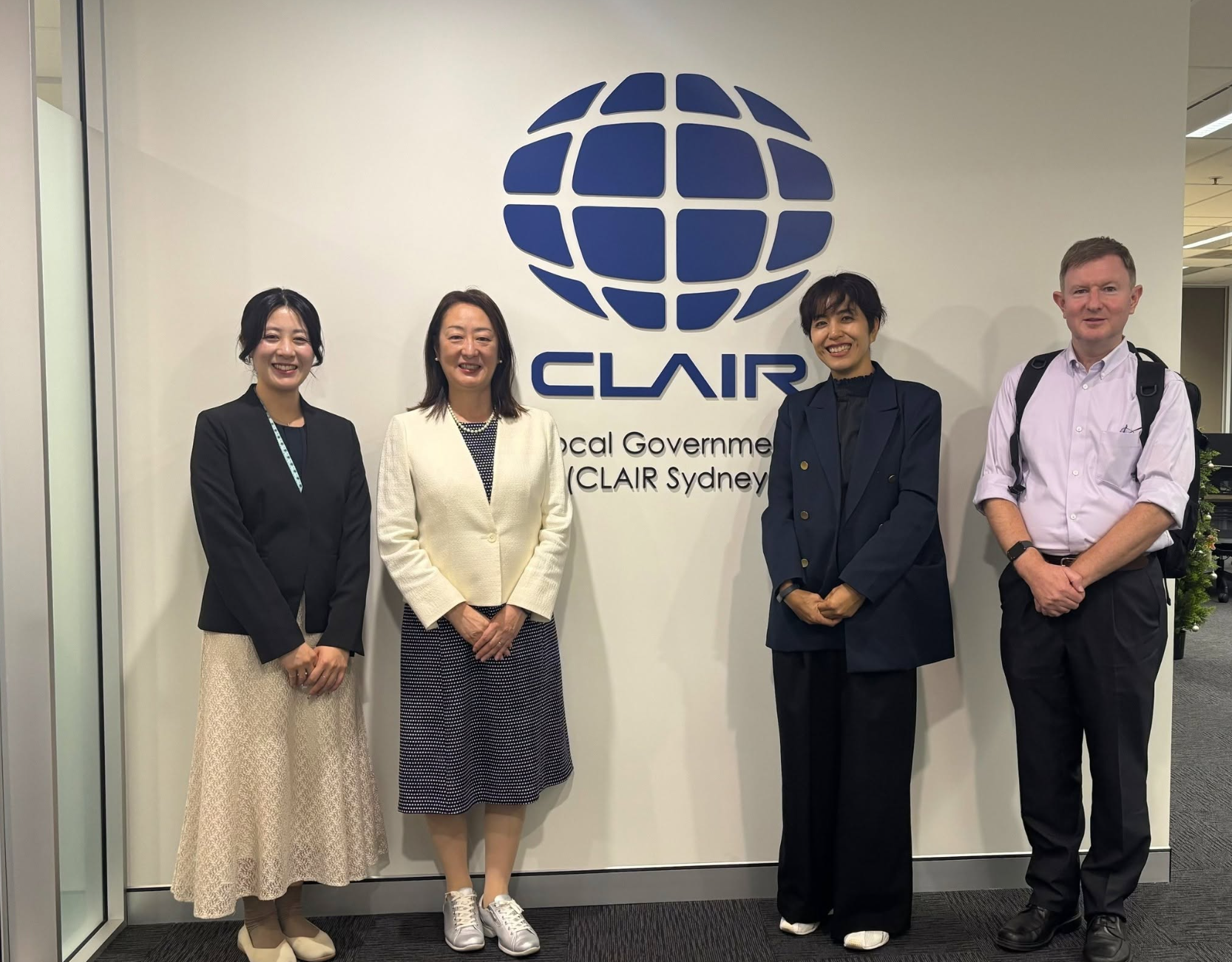
  • On Thursday, 3 September, three representatives from Obu City, Aichi Prefecture, including Deputy Mayor Yamaguchi, visited the CLAIR Sydney office during their visit trip to Australia to attend the 11th Global Conference of the Alliance for Healthy Cities (AFHC 2026).
    CLAIR Sydney provided a briefing on recent developments in Australia and outlined key differences between the administrative systems of Japan and Australia.


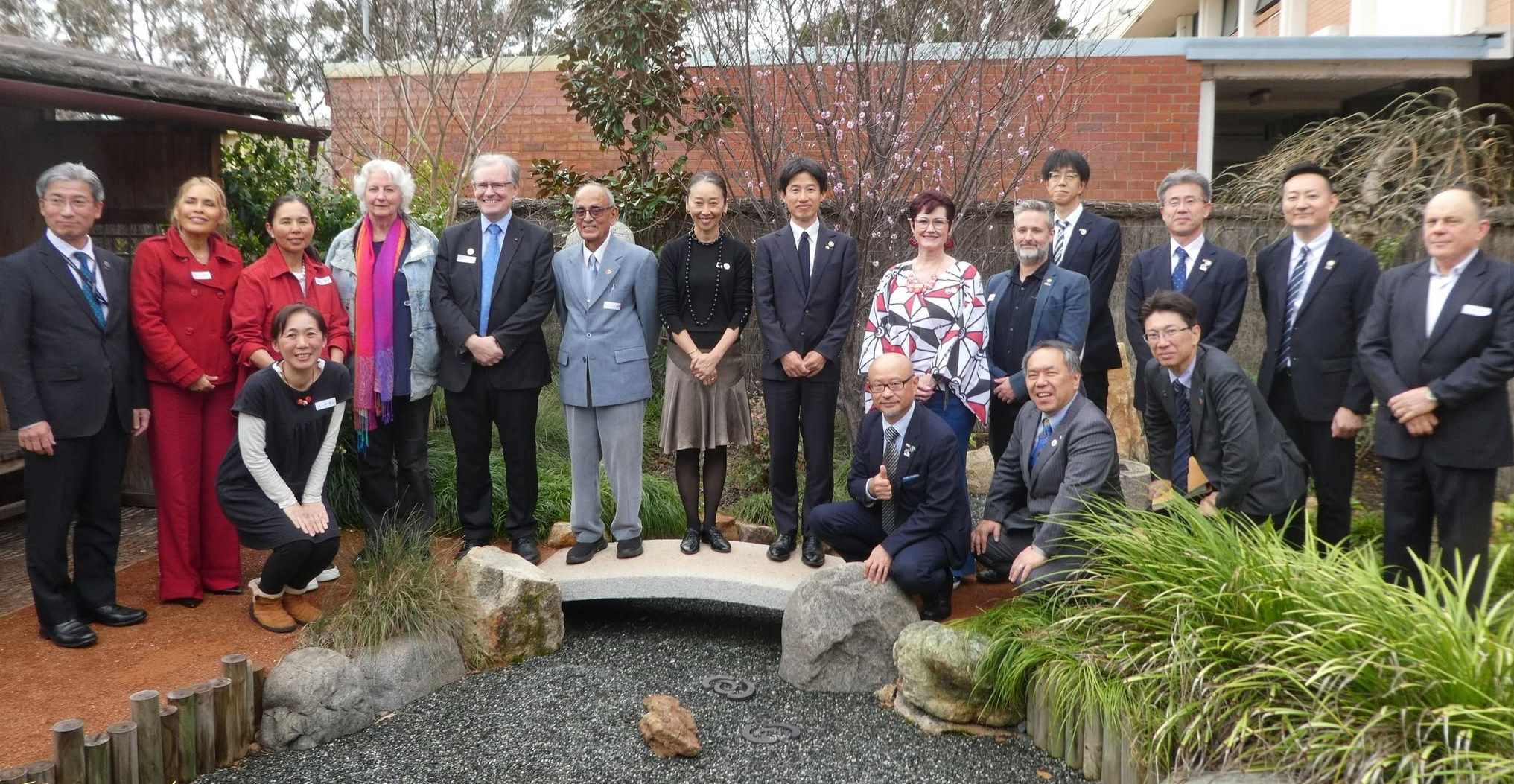
    The delegation also shared information about Obu City’s initiatives, including its sister-city exchanges with the City of Port Phillip in Victoria. The sister-city relationship was originally established with the former City of St Kilda in November 1993, before St Kilda was amalgamated into the City of Port Phillip in June 1994.


    We hope the delegation found the visit both informative and enjoyable.
    CLAIR Sydney supports a wide range of initiatives undertaken by Japanese local governments in Australia and New Zealand. If you require assistance with your activities, please feel free to contact us.
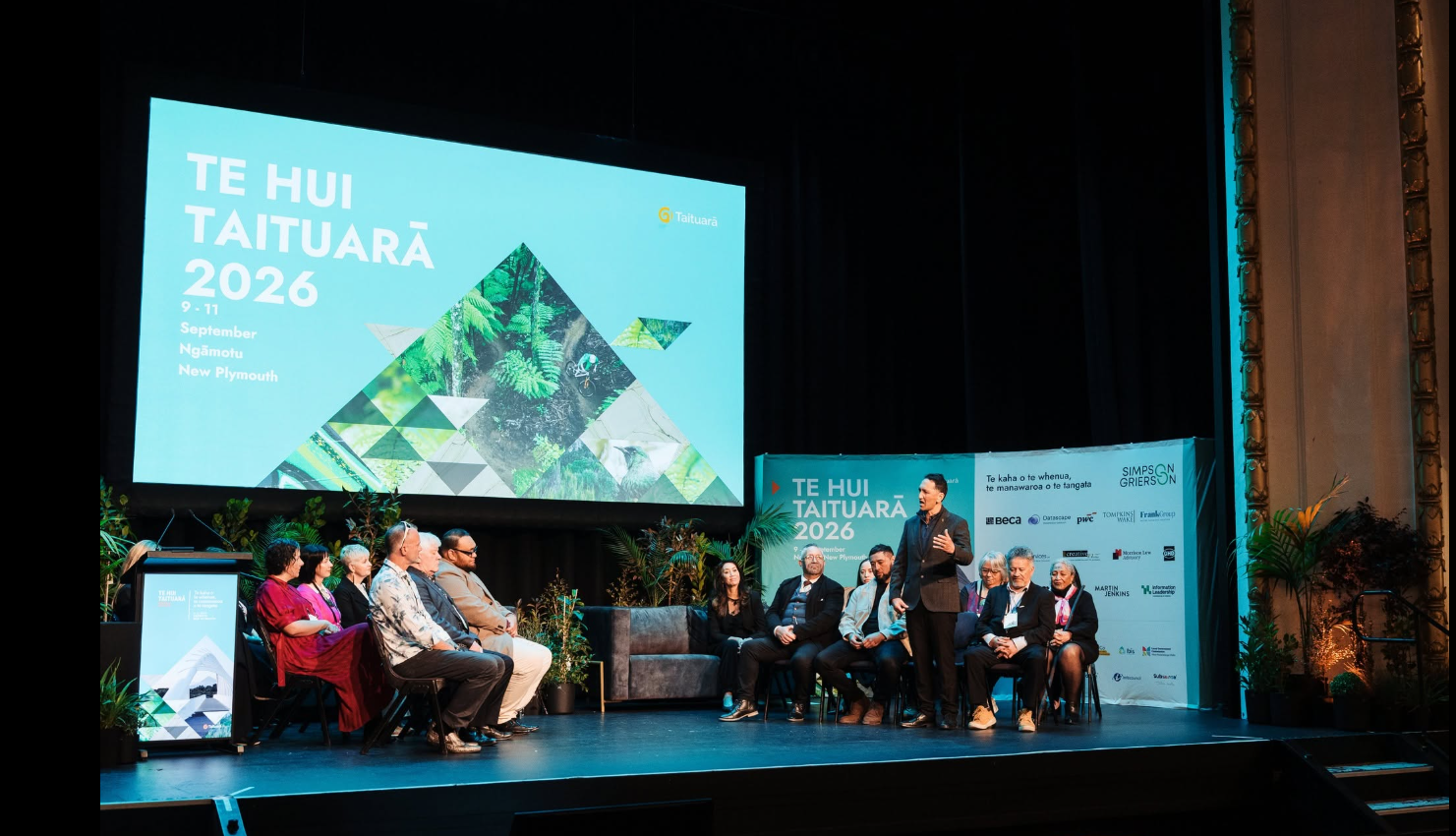
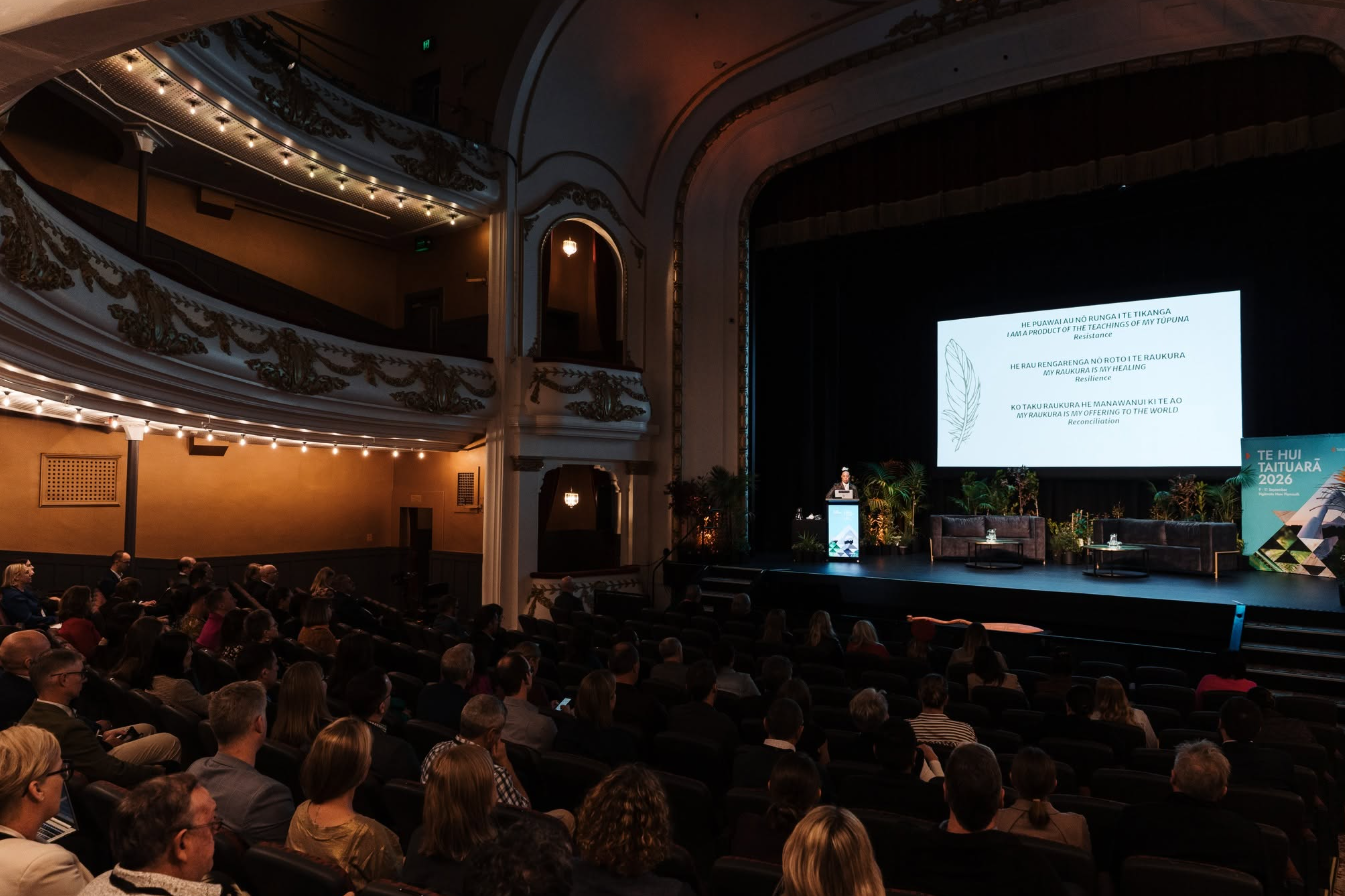
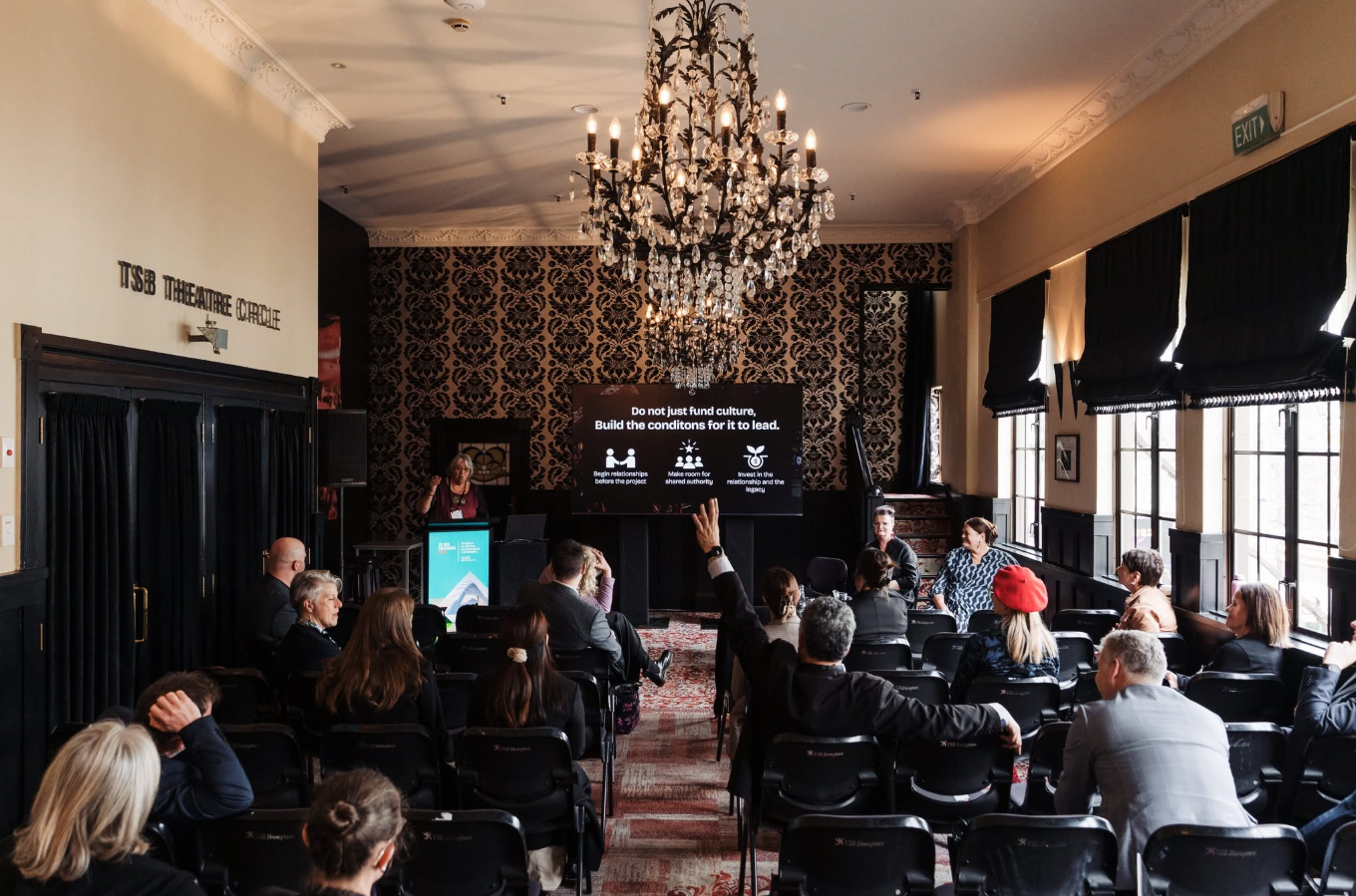
  •  From 9 to 11 September, CLAIR Sydney participated in the 2026 Taituarā Annual Conference in New Plymouth, New Zealand, which brought together local government professionals from across the country, including senior council executives and managers.
     
     
    As local governments face a rapidly changing environment shaped by fiscal constraints and ongoing reforms, the conference featured a forum for discussions on a wide range of topics. Through presentations, case studies, panel discussions and group workshops, participants examined effective leadership and organisational management, disaster and climate change response, and the use of artificial intelligence.
    A session titled “Strengthening communities through arts and culture” explored the role of cultural policies and events in strengthening community connections, fostering local identity and enhancing residents’ wellbeing.
     
    CLAIR Sydney will continue to follow the latest developments in local government across Australia and New Zealand and provide Japanese local governments with information and insights to support their policymaking and international activities.


    Photos: Taituarā
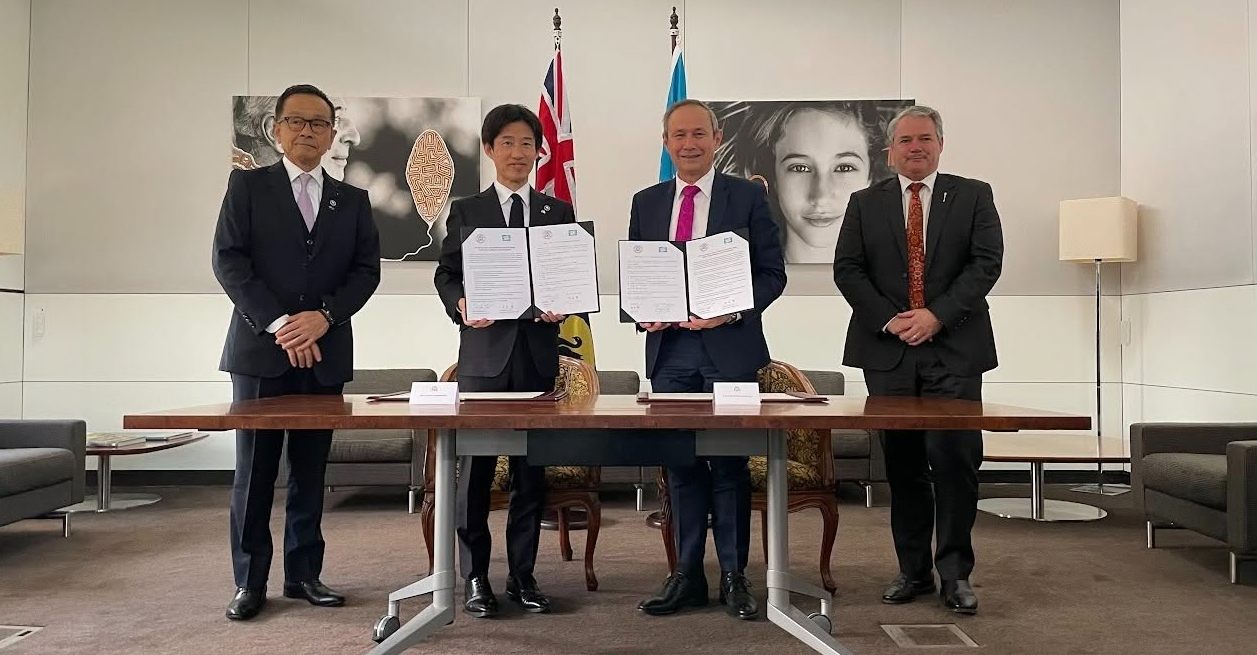
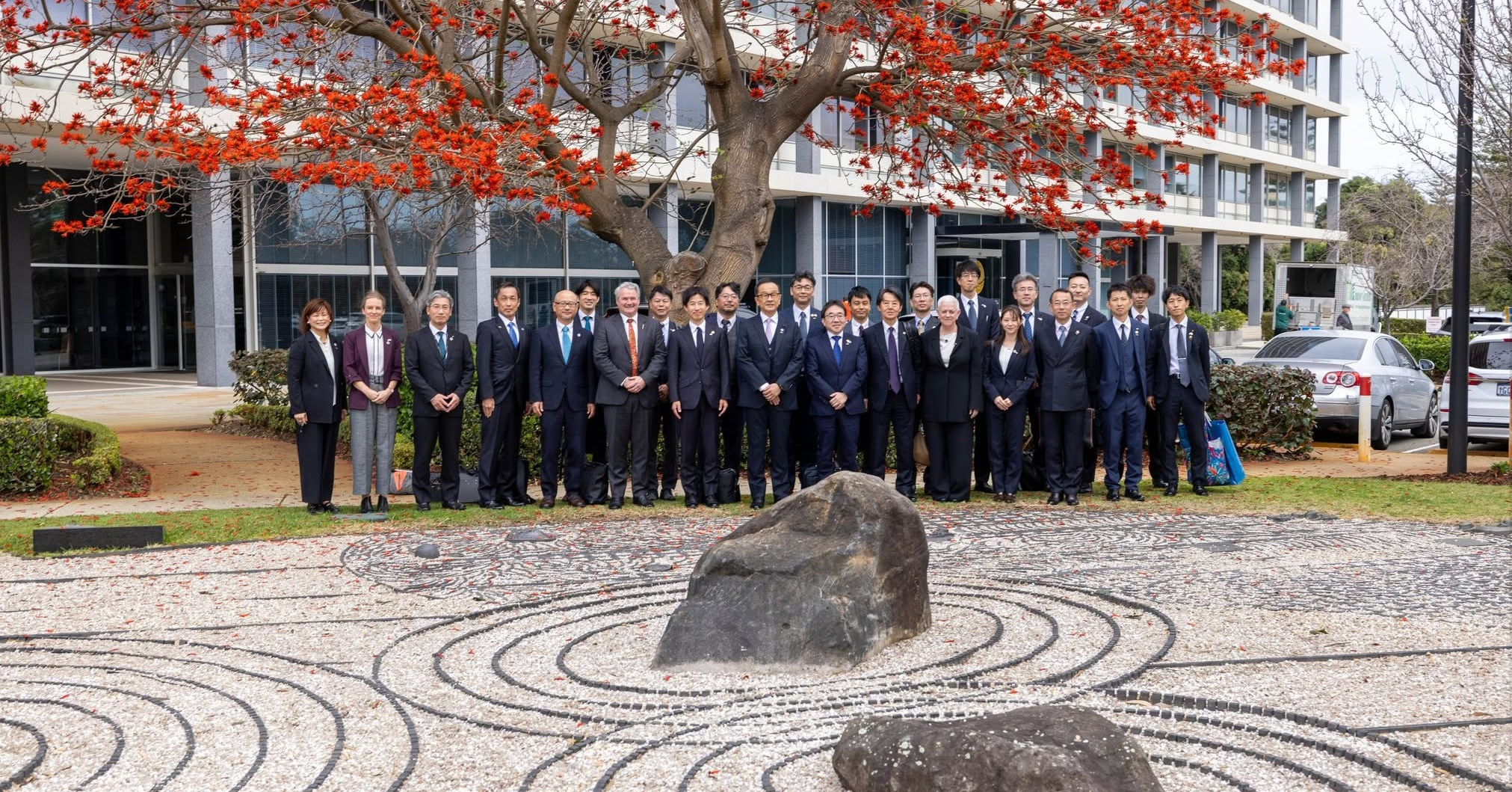
  • From 25 to 27 August 2026, a delegation from Hyogo Prefecture, led by Vice Governor Yutaka Morimoto, visited Perth, Western Australia to celebrate the 45th anniversary of the sister-state relationship between Hyogo Prefecture and Western Australia.

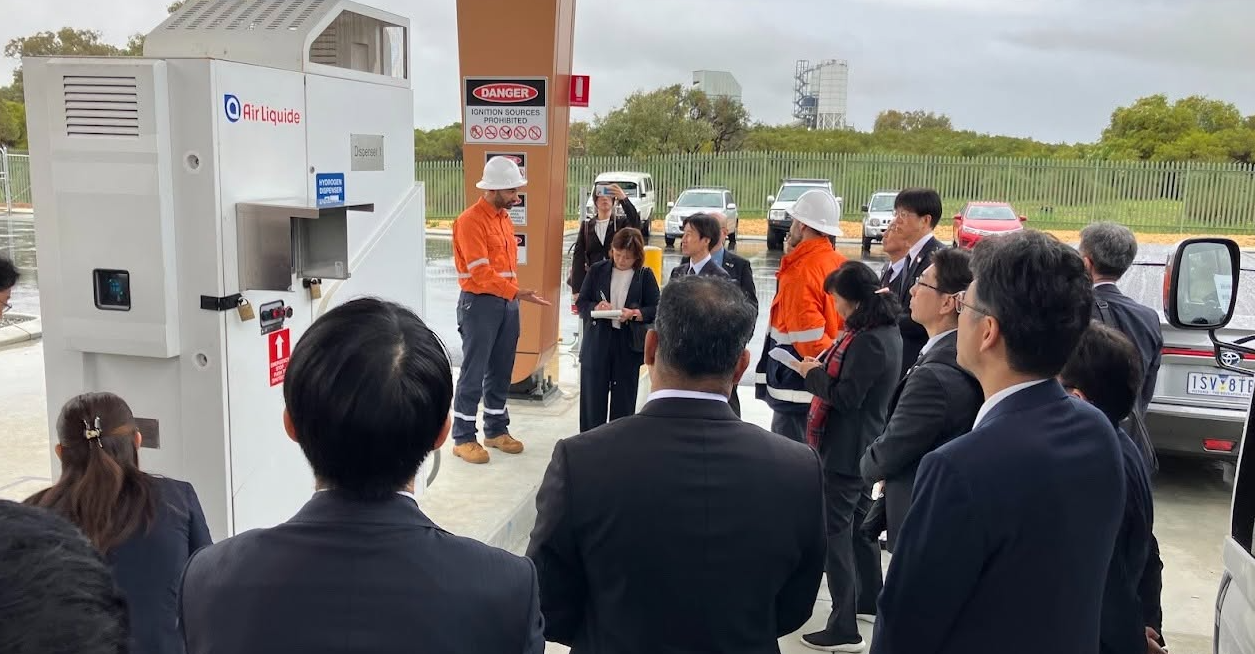
    During the visit, the delegation exchanged views with senior representatives of the Western Australian Government, including Premier Roger Cook, and signed a new joint statement aimed at further promoting exchanges between the two regions. As part of Hyogo Prefecture’s efforts to promote the use of hydrogen and support the transition to clean energy, the delegation also visited relevant facilities and engaged in discussions with local companies involved in the hydrogen sector.


    It is hoped that this visit will further strengthen the longstanding relationship between Hyogo Prefecture and Western Australia and contribute to the continued development of exchanges across a wide range of fields.
    A report on the visit is available on the Hyogo Prefecture International Affairs Division website (Japanese):
     
     
    CLAIR Sydney supported the delegation by assigning a staff member to accompany the visit, providing on-the-ground assistance and sharing information on current developments and local insights in Australia.
    If your organisation is seeking support for initiatives in Australia or New Zealand, please feel free to contact us.