2014 Local Government Exchange and Co-operation Seminar – City of Sakaide

~ Articles and Photos by Melissa Gibbs,

   Deputy Director of Australian Centre of Excellence for Local Government (ACELG) ~

Seminar participants with CLAIR Managing Director
Left to right: Penelope Sell, Laurie Mundt, Melissa Gibbs, CLAIR Managing Director, Susan Jones, Keith Tong, Milinda Peris

In November I had the privilege of leading a delegation of six Australian and New Zealand local government representatives to Tokyo and Sakaide City as part of the 2014 Local Government Exchange and Co-operation Seminar organised by the Japan Council of Local Authorities for International Relations (CLAIR).

The Local Government Exchange and Co-operation Seminar has been operating since 1997. It brings together people from Japan, Australia and New Zealand working in local government to exchange information and experiences.

The exchange presents a unique opportunity for Australian and New Zealand representatives to learn more about Japanese local government and culture through site visits, a delightful home stay experience with Japanese families, and formal and informal discussion sessions.

The theme of this year’s seminar was “making the best of regional characteristics”, a subject to which each of the participants had ideas and suggestions to contribute.

The delegation included:

  • Melissa Gibbs (delegation leader), Deputy Director, Australian Centre of Excellence for Local Government (Sydney, NSW)
  • Councillor Keith Yong, City of Perth (WA)
  • Laurie Mundt, Economic Development Manager, Ipswich City Council (Qld)
  • Milinda Peris, Civic and International Relations Co-ordinator, Christchurch City Council (NZ)
  • Penelope Sell, Community Services Manager, Towong Shire Council (Vic)
  • Susan Jones, Human Resources and Administration Manager, District of Gore (NZ).

Seminar participants with Sakaide City Officials

Like many of its counterparts in Japan, Australia and New Zealand, Sakaide City is striving to build on its strengths to secure its sustainability amidst decreasing population levels and challenges in attracting and retaining an industrial and tourism base.

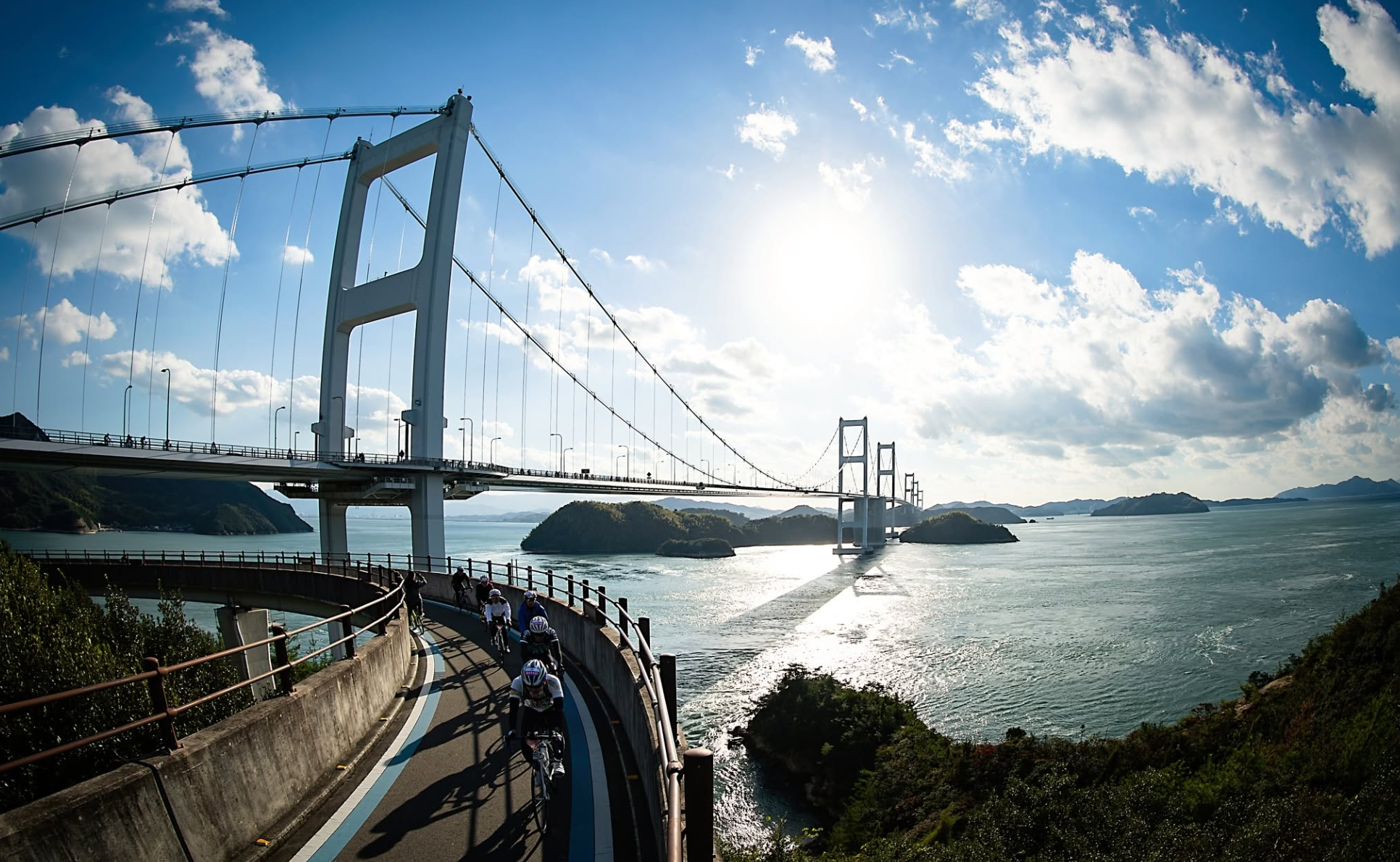
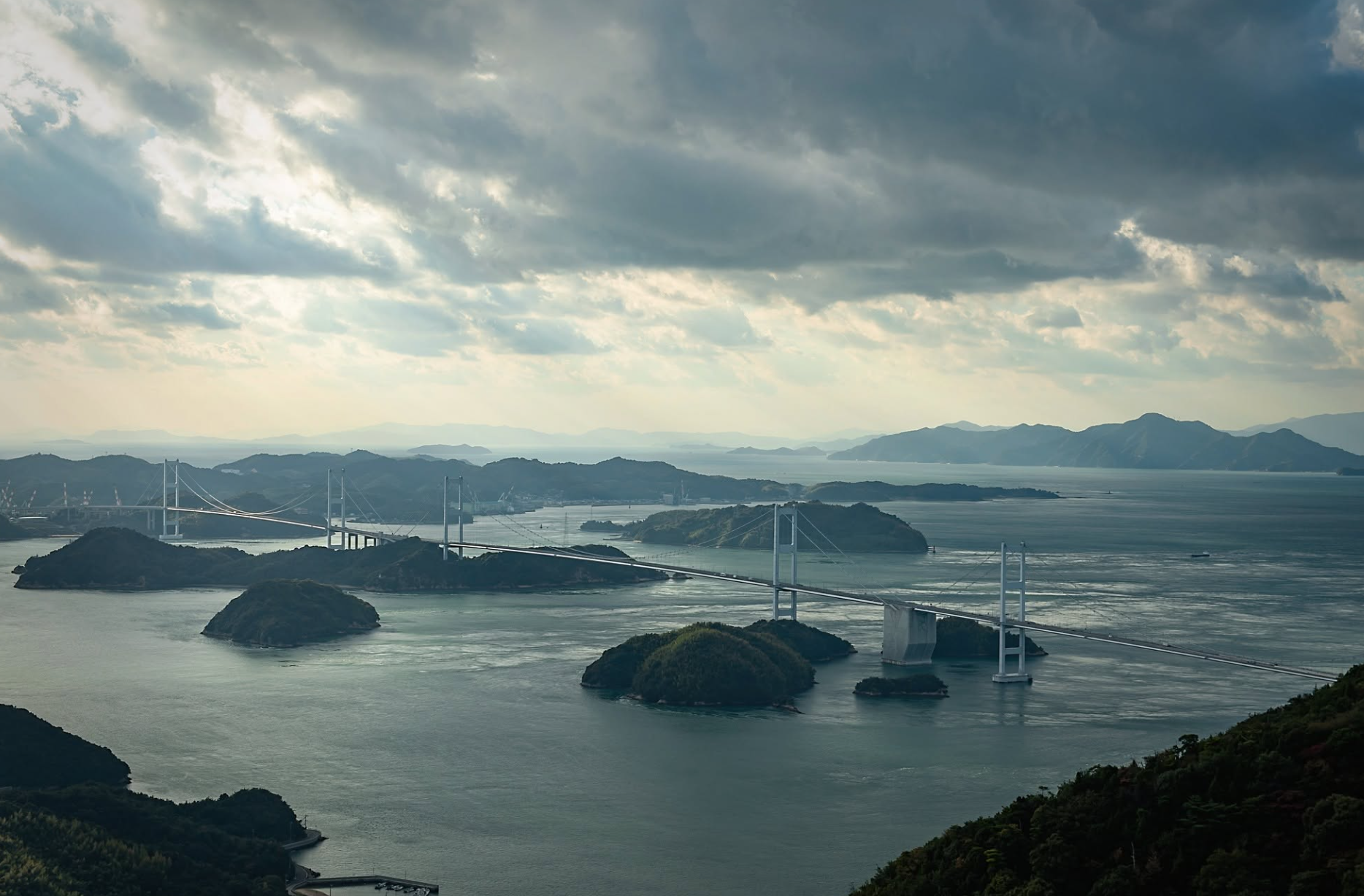
On the positive side, the City boasts an impressive array of opportunities, including its location in the centre of Kagawa Prefecture on the island of Shikoku with good transport access to Honshu Island (the main island of Japan) via the truly striking Seto-Ohashi Bridge; agricultural products such as red sweet potato (kintoki-imo), red carrot (kintoki-ninjin) and red mandarin oranges (kintoki-mikan); a national reputation for producing high quality udon noodles (which we discovered must be slurped – loudly!) made from high quality Australian wheat ; and the spiritual Shikou Pilgrimage known for its 88   temple circuit and associated cultural heritage.

On top of the Seto-Ohashi Bridge & The view from the top of the Seto-Ohashi bridge

Following a series of seminars on Japanese local government in Tokyo and Sakaide City, tours and site visits of national and local facilities and cultural sites, and a home stay with Japanese families, there was an opportunity for an open exchange of views between Seminar participants and City officials about the challenges and opportunities facing Sakaide City.

Australian and New Zealand delegates were able to offer a number of ideas and opinions to assist Sakaide in leveraging its many opportunities and addressing its challenges.

Ideas included:

  • Further engaging with citizens to develop a shared vision for the future of Sakaide City and developing plans and strategies toward this common vision
  • Identifying and assisting to meet the needs of business; making it easier for businesses to relocate to Sakaide City; and providing and maintaining supporting infrastructure to retain the businesses already in the City
  • Building on the positive relationship with Kagawa University to improve education opportunities for young people
  • Providing recreation and education opportunities for families and young people so they don’t need to travel outside of the City to access such facilities
  • Packaging and integrating tourism experiences to the burgeoning market seeking cultural and spiritual experiences, particularly highlighting the Shikou Pilgrimage and associated activities
  • Further promotion and development of tourism experiences focused on the Seto-Ohashi Bridge, which is an easily recognisable and internationally renowned landmark in the city
  • Further developing local agricultural advantages through the promotion of red sweet potato (kintoki-imo), red carrot (kintoki-ninjin) and red mandarin oranges (kintoki-mikan), and the promotion of locally produced udon noodles
  • Building on the sister city relationship with Sausalito in the Unites States.

For its part, ACELG is keen to share its research findings with CLAIR and Sakaide City, particularly in relation to the leadership role played by local government in developing regions, as well as research aimed at enhancing local government international alliances, to which CLAIR Sydney is contributing.

Australia, New Zealand and Japan have much to share and the Local Government Exchange and Co-operation Seminar offers opportunities for the formation of country-to-country and, perhaps most importantly, people-to-people relationships to underpin information and knowledge exchange.

Learning to play the Koto

Seminar participants at the udon noodle factory

It was an honour and a privilege to lead the 2014 delegation to Tokyo and Sakaide City.

On behalf of the Australia and New Zealand delegation, I extend my sincere thanks to the CLAIR offices in Sydney and Tokyo, and to Mayor Hiroshi Aya and staff of Sakaide City, for arranging such a diverse range of experiences for us to engage in.

We experienced everything from mandarin picking, udon noodle making, visits to local schools, a breathtaking climb right to the top of the Seto-Ohashi Bridge, the Shikou Pilgrimage to two of the 88 magnificent temples, and a home stay with families of Sakaide City – it was truly a professionally and personally rewardingexperience for us all.

Melissa Gibbs making a presentation on Australian local government to Sakaide City officials

Melissa Gibbs

Deputy Director

Australian Centre of Excellence for Local Government (ACELG)

melissa.gibbs@acelg.org.au

+61 2 9514 4890

Please see more information about this seminar’s schedule.
Posted in Uncategorised

Uncategorised

  •  On Tuesday, 1 September, CLAIR Sydney welcomed members of the Niigata Prefectural Assembly Delegation, who were visiting Australia to conduct on-site visits aimed at expanding market opportunities for Niigata products and attracting more tourists to the prefecture.


                                                                                                                               CLAIR Sydney provided a briefing on its activities, as well as an overview of Australia’s demographics, economy and history of multiculturalism. During the Q&A session, a range of topics were discussed, including the distribution of Japanese agricultural products in Australia, the characteristics of promotional activities undertaken by Japanese local governments and ways to engage with former JET Programme participants.
     
     
    In addition to the briefing, we also supported the delegation by arranging appointments with organisations they wished to visit. We hope that our support contributed to making their visit a meaningful and productive one.
    CLAIR Sydney supports a wide range of initiatives undertaken by Japanese local governments across Australia and New Zealand. If your organisation is interested in receiving support for initiatives in the region, please feel free to contact us.
     
     
  •  On Monday, 7 September 2026, a JET Programme Pre-Departure Orientation was held at the Consulate-General of Japan in Sydney for the 5 new JET Programme participants scheduled to depart for Japan in mid-to-late September.
     
     
    During the orientation, a staff member from the Consulate-General, who is also a former JET participant, shared practical advice to help participants prepare for their upcoming assignments, including things to keep in mind when working and living in Japan. She also shared insights from her own experience as a JET participant and answered questions from the group.
    CLAIR Sydney provided an overview of CLAIR’s role in the JET Programme, including the training and support available to JET participants. We also introduced the JETAA (JET Alumni Association), highlighting how participants can continue to draw on their JET experience and contribute to strengthening the relationship between Japan and Australia after completing their assignments.
    We sincerely hope that the new JETs can make the most of their time in Japan by gaining a wide range of experiences and broadening their perspectives. Through grassroots exchange and connections with local communities, we hope they will play an active role as bridges between Japan and Australia.


    We wish all 5 participants the very best and hope they have a rewarding and unforgettable experience in Japan!
    For more information about the JET Programme, please visit the official website below:


  •  On 3 and 4 September, CLAIR Sydney supported the Fukuoka Prefectural Government in operating its booth at the Asia-Pacific Hydrogen Summit, held in Adelaide, South Australia.


    The booth showcased Fukuoka Prefecture’s hydrogen initiatives, including work led by the Hydrogen Energy Test and Research Center, as well as technologies and products presented by 2 Fukuoka-based companies.
    The booth welcomed many visitors, including representatives from the NSW Government, which signed a Memorandum of Understanding (MoU) with Fukuoka Prefecture on hydrogen cooperation in 2023, as well as government officials, hydrogen-related businesses and researchers. The strong interest and lively discussions highlighted the growing opportunities for international collaboration in the hydrogen sector.


    CLAIR Sydney continues to support Japanese local governments in Australia and New Zealand. If your local government is interested in undertaking activities in the region, please feel free to contact us to discuss how we can assist.
     
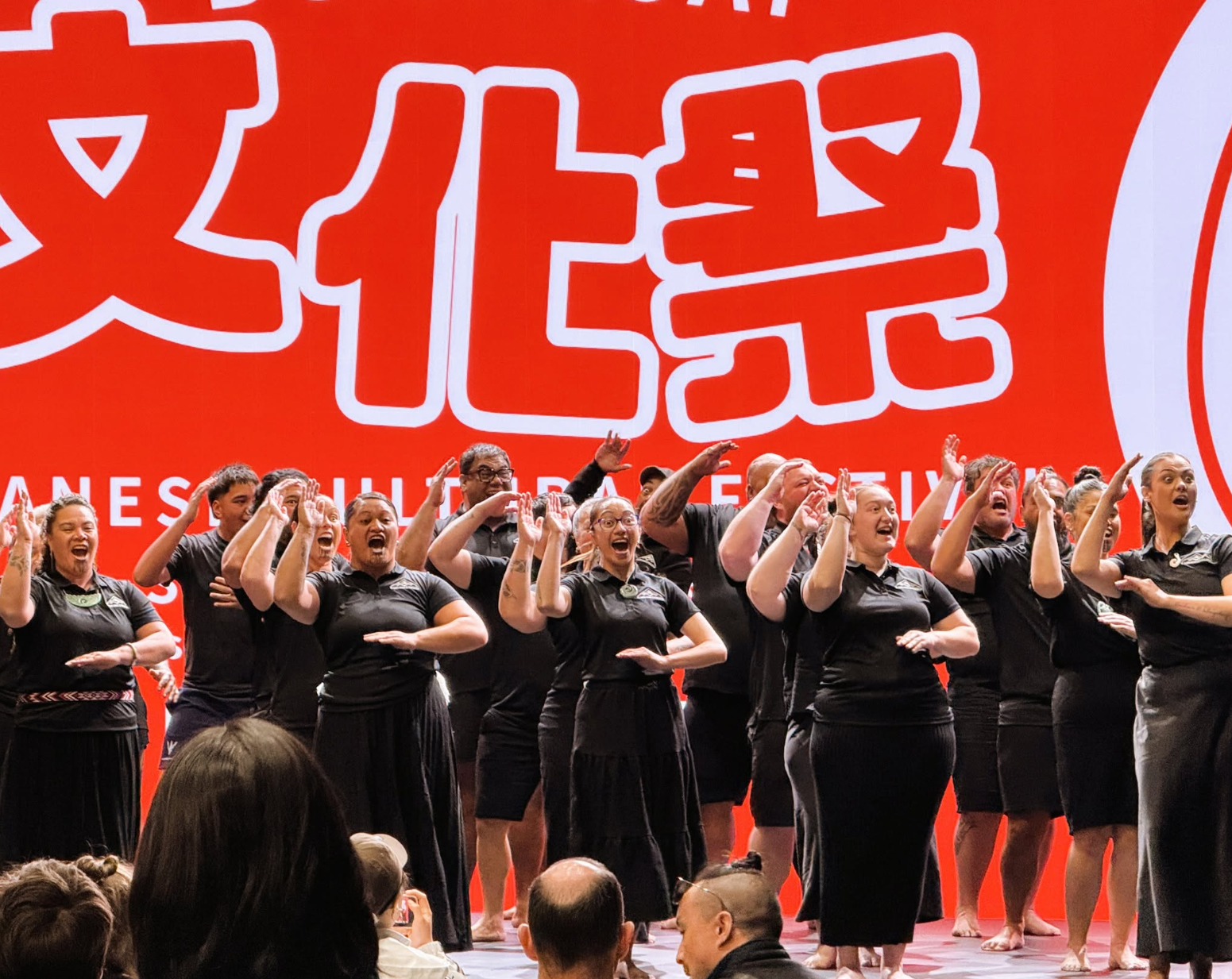
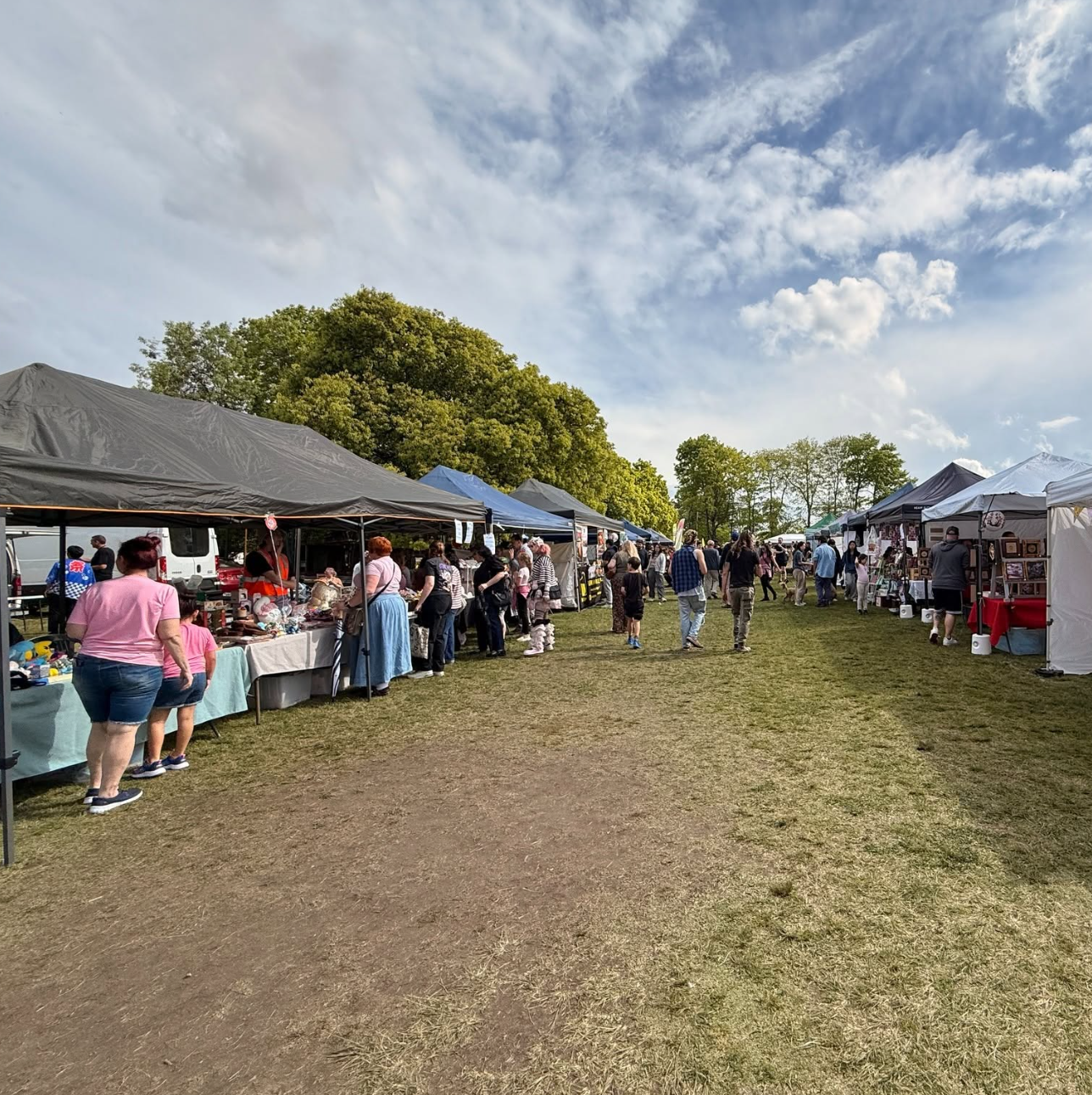
  •  On Saturday, 5 September, MATSURI Brisbane 2026 was held in Brisbane, Queensland. Blessed with beautiful sunny weather, the event brought together more than 100 stalls offering Japanese food and products. Music and dance performances also took place throughout the day, with large crowds enjoying Japanese food, entertainment and culture.


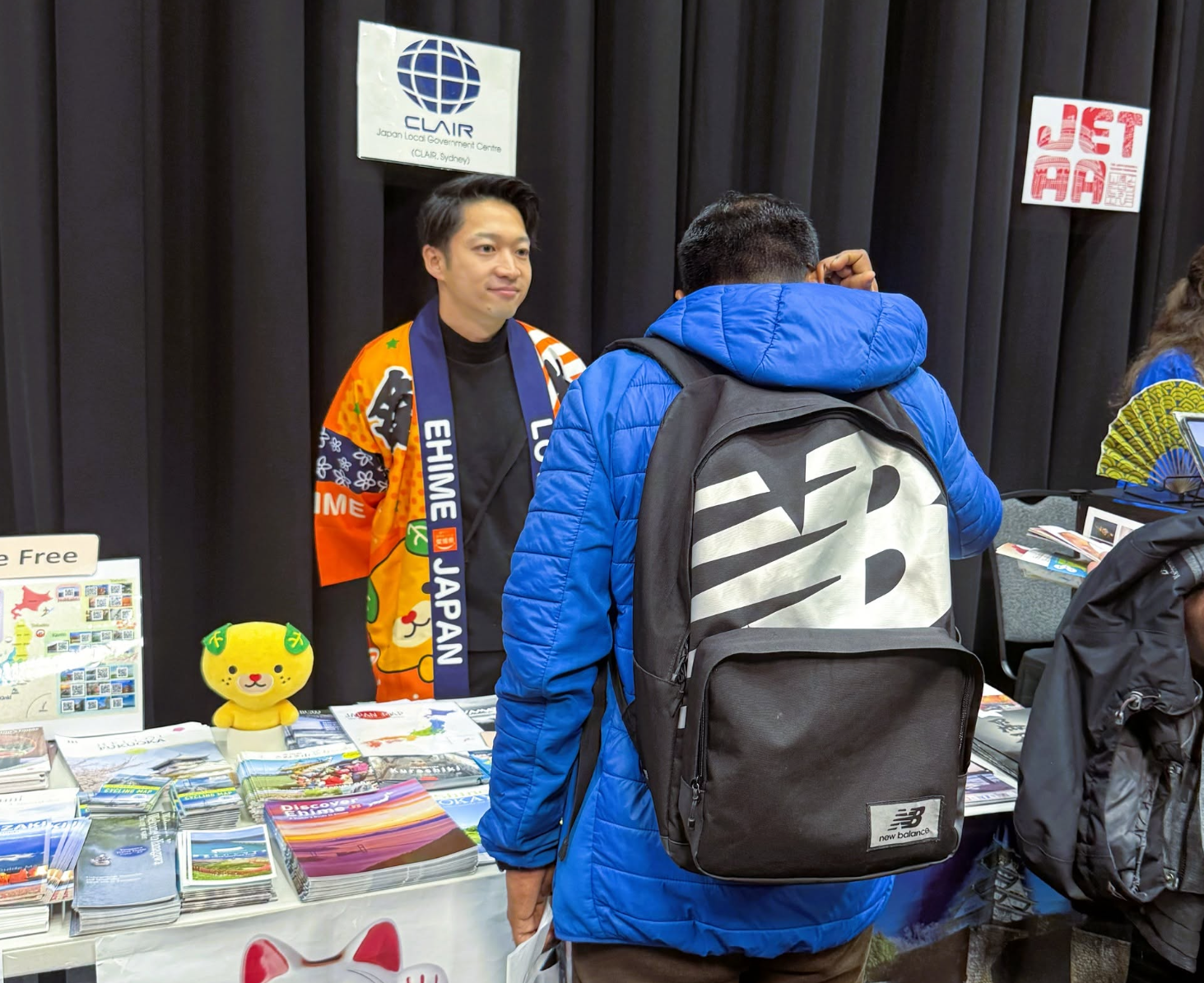
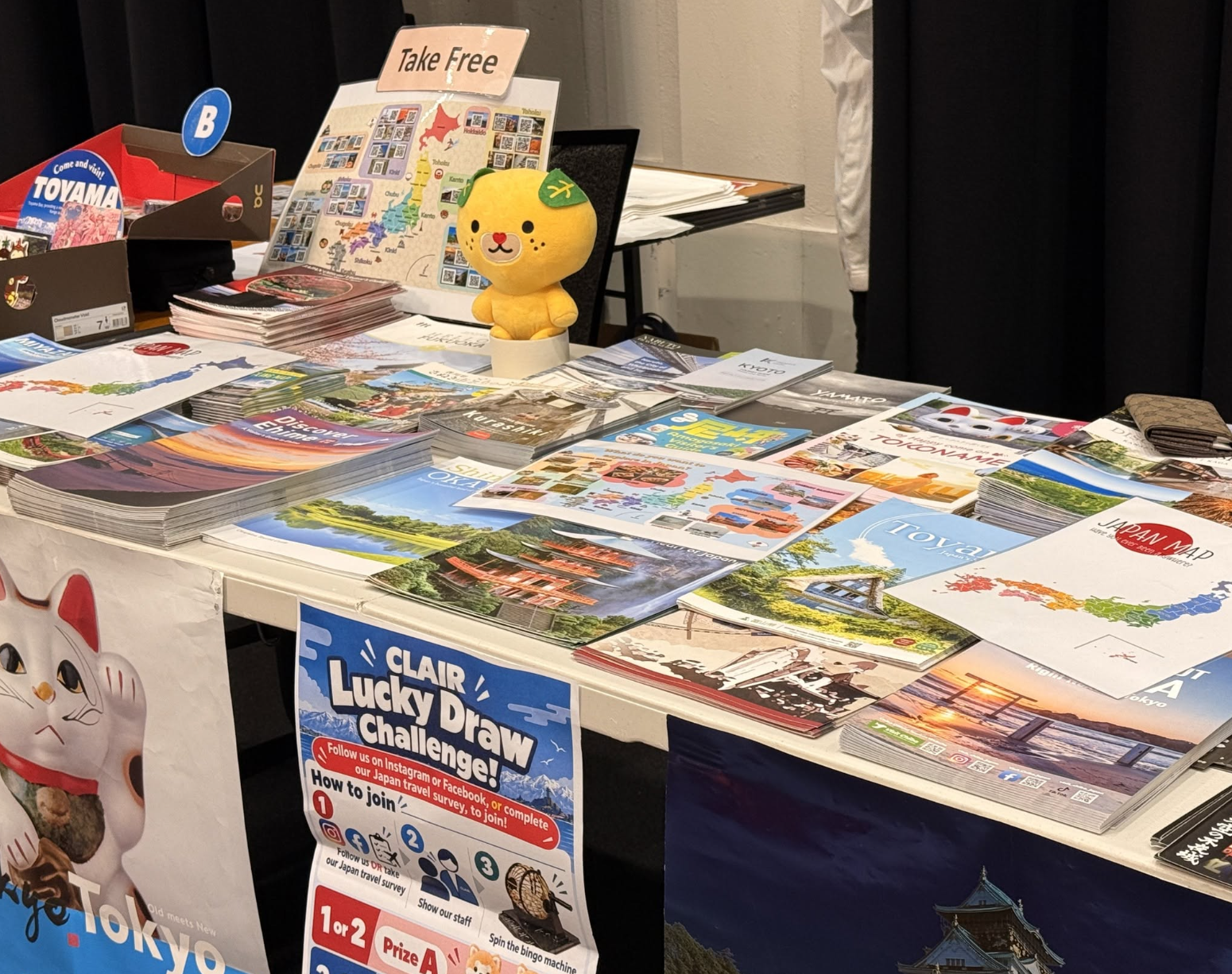
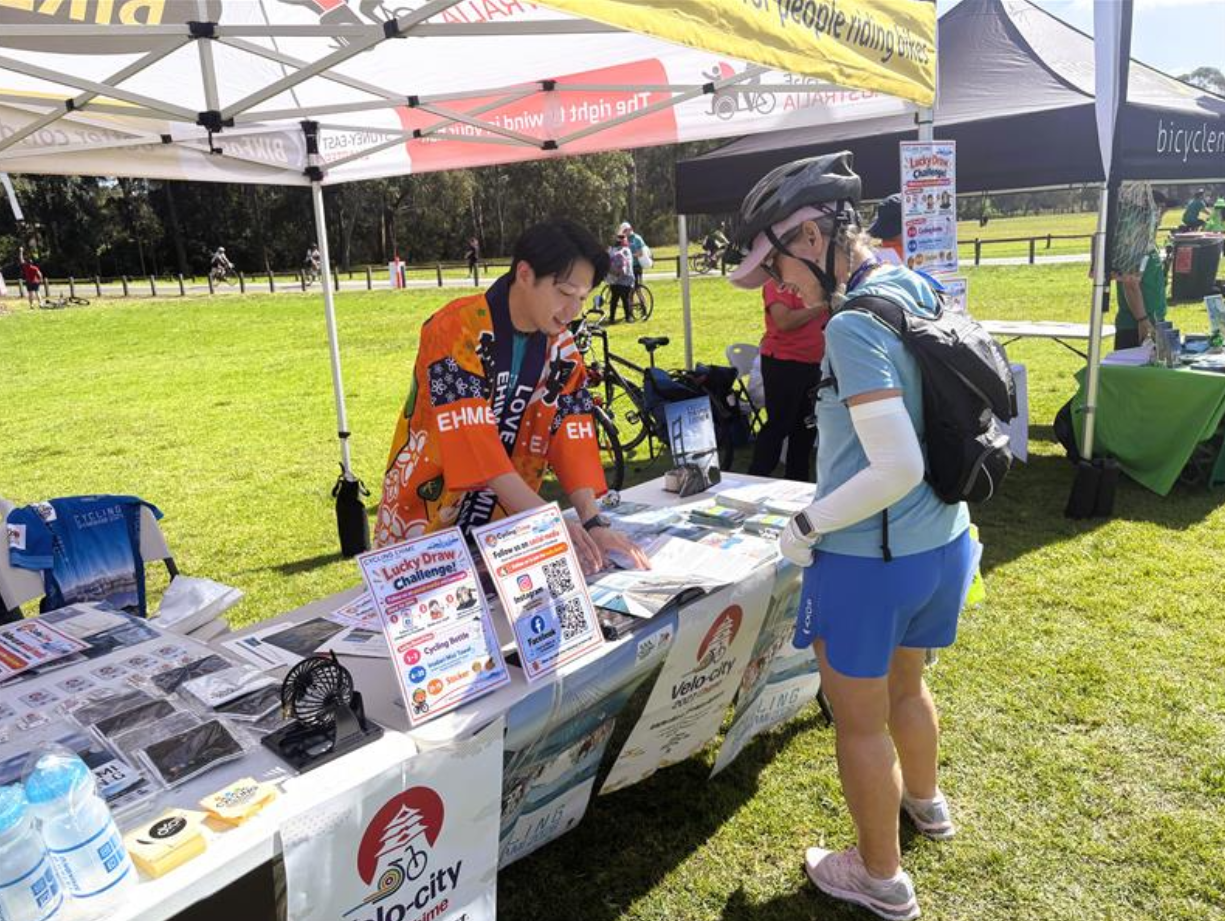
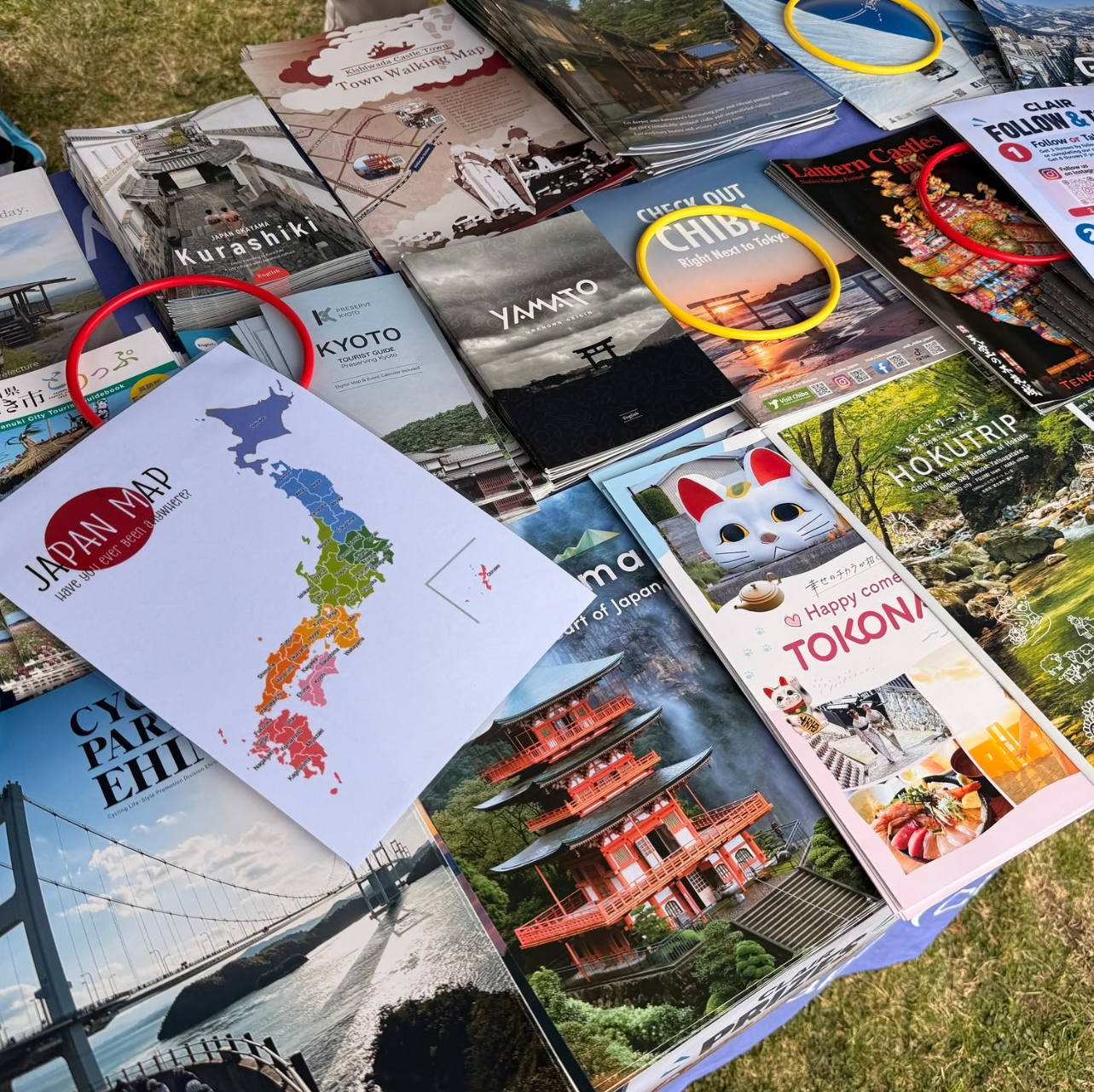
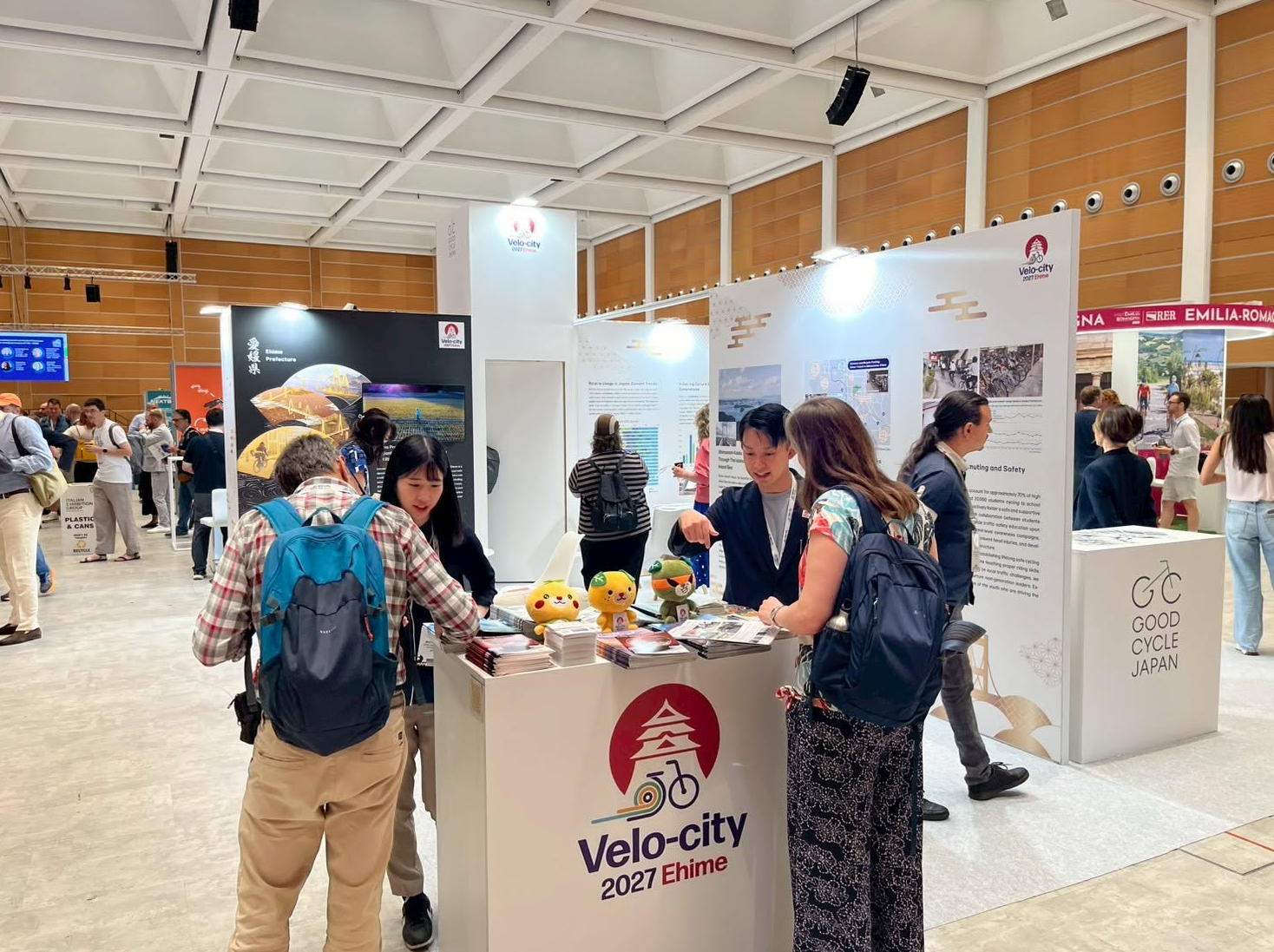
    CLAIR Sydney hosted a booth at the event to promote the many attractions of regions across Japan. We spoke with visitors who had previously travelled to Japan and received numerous enquiries about destinations in Kyushu, Shikoku and other parts of the country. There was also strong interest in outdoor activities such as trekking and cycling, as well as traditional cultural experiences such as kintsugi (the Japanese art of repairing broken ceramics with lacquer and gold).
     
     
    It was wonderful to see so many visitors interested in Japan’s regional destinations, nature and culture. We look forward to sharing more of what regions across Japan have to offer at future events! See you there!
  • The latest issue of our correspondence is released.

    View this correspondence in PDF.

  • Newsletter No.204

  •  Through tourism and other ventures, Fukushima Prefecture is strengthening its ties with Australia, sharing details of the current situation in Fukushima and promoting the region’s diverse attractions. 


    In May 2025, Governor Masao Uchibori visited Australia, and met with Her Excellency the Honorable Sam Mostyn AC, Governor-General of Australia, government officials, representatives of foreign embassies, and Japanese community organisations. Through these meetings, Governor Uchibori directly shared the current state of Fukushima’s recovery following the Great East Japan Earthquake and nuclear accident, as well as the prefecture’s many attractions, including its food and tourism experiences. 

    Alongside promoting the renowned sake of Fukushima, to expand sales opportunities in the Australian market, the prefecture also participated in the Snow Travel Expo. As Australia’s largest snow travel exhibition, it was the perfect venue to showcase the region’s ski resorts and high-quality powder snow. Through these initiatives, Fukushima is working to raise awareness of the region as a travel destination and attract more international visitors.  In the tourism sector, Fukushima Prefecture signed a Memorandum of Understanding (MOU) to promote tourism with the Australian Tourism Industry Association (ATIA). Following the signing of the MOU, Fukushima and ATIA worked together in November 2025 to invite three Australian travel companies to Fukushima for a familiarisation (FAM) tour. This partnership is making a significant contribution to raising awareness of Fukushima among Australian travel professionals. 


     This year, with the full support of ATIA, Fukushima also hosted a webinar for Australian travel companies, with participants invited to join an upcoming FAM tour later in the year.  The tour will introduce Aizu, an area where Fukushima’s history and traditional culture remain particularly strong, as well as Hope Tourism*. 

    Fukushima offers a rich variety of experiences: delicious local cuisine, world-class sake, traditional culture, samurai heritage, and excellent snow for skiing. With its unique combination of history, culture, food and nature, Fukushima offers something new to discover on every visit. We will continue to strengthen our exchanges and promote Fukushima in Australia, with the hope that more Australians will choose Fukushima as their next destination in Japan. 


    *Hope Tourism: A unique travel experience derived from Fukushima’s status as the only place in the world to have experienced the complex triple-disaster of an earthquake, tsunami and nuclear accident. This Fukushima-specific “learning journey” takes place in disaster-affected areas and explores the experiences and lessons learned from  the earthquake and nuclear disaster. 

  •  The longstanding Sister City relationship between Gladstone Regional Council and Saiki City, Japan, reached a significant milestone in 2026, with the two communities celebrating 30 years of friendship, cultural exchange and shared connection.

    To mark the 30th anniversary, Gladstone Mayor Matt Burnett, Gladstone Regional Council and the local community welcomed a delegation from Saiki City in July 2026.

    The delegation was led by Saiki Mayor Kuniko Tomitaka and included Saiki City Council representatives Kyo Sugahara (Secretary to the Mayor, Mayor’s Office and Public Relations Division); Takatoshi Fukuda (Assistant Director, Connecting Communities Division); Hiroaki Kamikawa (Assistant Chief General, Connecting Communities Division); and Kate Alessia Maccarone (Coordinator for International Relations, Connecting Communities Division).

    The delegation was also joined by a group of Saiki students who travelled to the Gladstone region to experience local schools, community life, culture and industry, and to build connections with young people and the wider Gladstone community.

    The visit provided an opportunity to reflect on three decades of connection between Saiki and Gladstone, while also strengthening the relationship for future generations.


    Connecting through education and young people

    A key focus of the visit was providing opportunities for the Saiki students to connect with young people in the Gladstone region.

    The students participated in visits to Chanel College, Tannum Sands State School and Tannum Sands State High School, giving them the opportunity to experience Australian education and meet local students. The school visits encouraged cultural exchange, with students sharing their experiences of life and education in Japan and Australia.

    The students also stayed with local host families in Tannum Sands, providing a valuable opportunity to experience everyday Australian family and community life.


    For the young participants, the visit was about much more than sightseeing. It created friendships, encouraged cross-cultural understanding and demonstrated how international relationships can have a lasting impact at a personal level.

    Showcasing the Gladstone region

    The delegation also experienced some of the diverse opportunities and attractions that make the Gladstone region unique.

    The program included visits to Awoonga Dam, CQUniversity, local schools, the Gladstone Region Art Gallery and Museum (GRAGM), the Gladstone Library and local industry.

    A regional industry tour provided the Saiki delegation with an insight into Gladstone’s economic strengths and industrial landscape, while visits to local cultural facilities showcased the region’s creative and community assets. The program also included opportunities to experience the local environment, including visits around Tannum Sands and the coastline.

    Strengthening economic and civic connections

    The anniversary visit also provided an opportunity to strengthen connections beyond cultural exchange.

    A Trade and Investment Round Table brought together representatives to discuss opportunities for economic and business connections between Gladstone and Saiki.

    The Saiki delegation also met with local representatives and experienced a range of Gladstone facilities and community initiatives, reinforcing the broader value of the Sister City relationship.


    These activities highlighted how the relationship has the potential to support not only cultural and educational exchange, but also future collaboration across business, investment, tourism and community development.

    Sharing culture and community

    Cultural exchange was an important part of the visit, with the delegation experiencing local arts, community activities and Australian traditions.

    A cultural burn, visits to the Gladstone Region Art Gallery and Museum and community activities provided opportunities for the delegation to learn more about the region’s history, culture and identity.

    The visit also included a farewell barbecue at Millennium Esplanade, bringing together the delegation, local students, host families, Council representatives and members of the community.

    These informal moments were an important part of the program, allowing relationships to develop beyond the formal itinerary.

    Looking to the next 30 years

    The 30th anniversary visit was an opportunity to celebrate the history of the Saiki–Gladstone relationship while looking towards its future.

    Since the Sister City relationship commenced in 1996, generations of residents, students, volunteers, community organisations and local government representatives have contributed to maintaining the connection between the two cities. The 2026 delegation demonstrated that the relationship continues to provide meaningful opportunities for cultural understanding, education, friendship and collaboration.

    Most importantly, the visit placed young people at the centre of the anniversary celebrations, helping to ensure that the friendship between Saiki and Gladstone continues to grow.

    As the two communities look towards the next chapter, the 30th anniversary provides a strong foundation for renewed student exchanges, cultural programs, community partnerships and opportunities for people from Saiki and Gladstone to learn from one another.

    Thirty years of friendship is a significant achievement – and the connections created through this visit will help shape the next 30 years of the Saiki–Gladstone Sister City relationship.

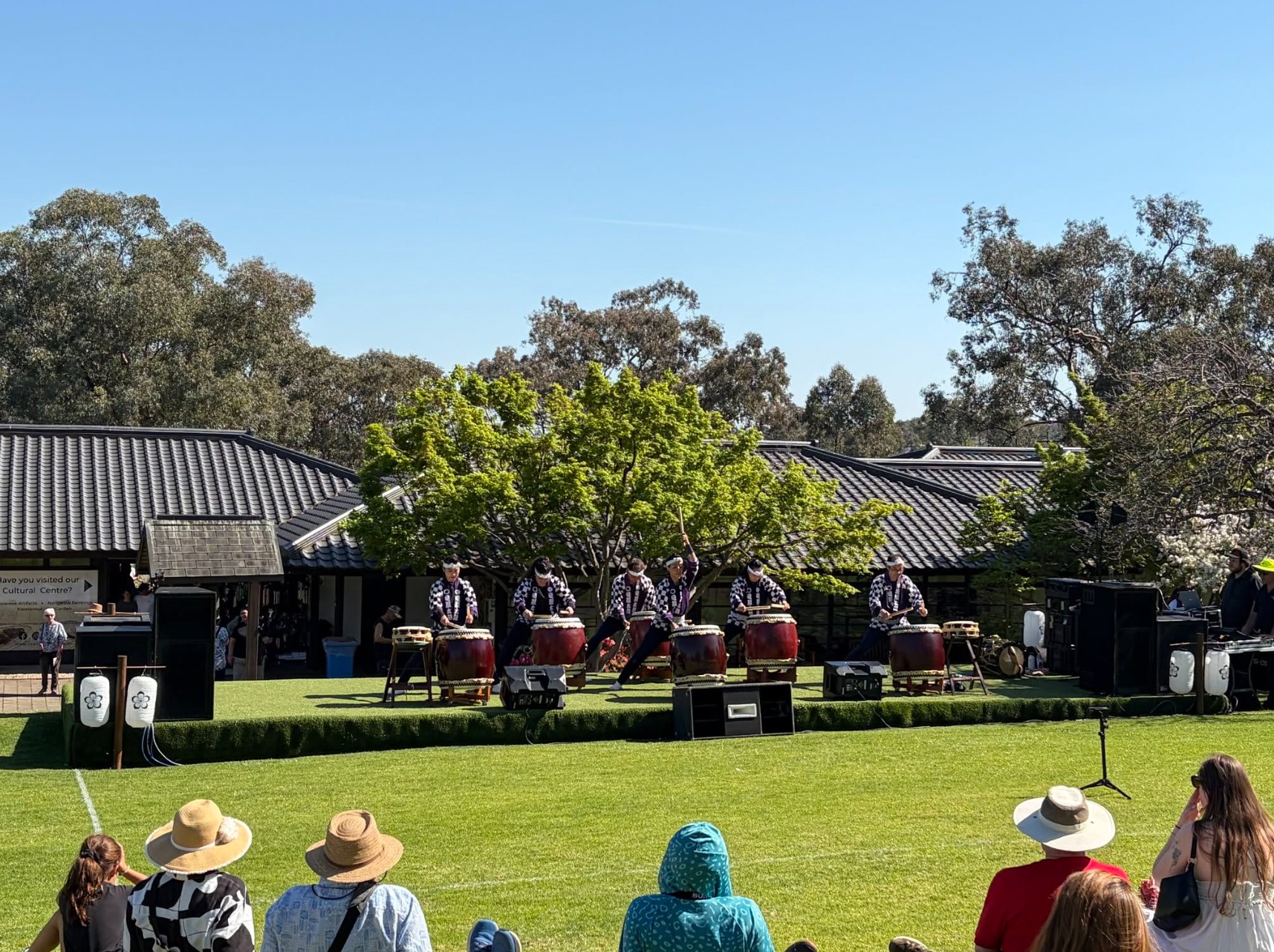
  •  On Sunday, 23 August, Adelaide Japanese Cultural Day was held in Burnside, a suburb of Adelaide, South Australia. This event was jointly organised by the Australia Japan Association of South Australia and the City of Burnside Council.


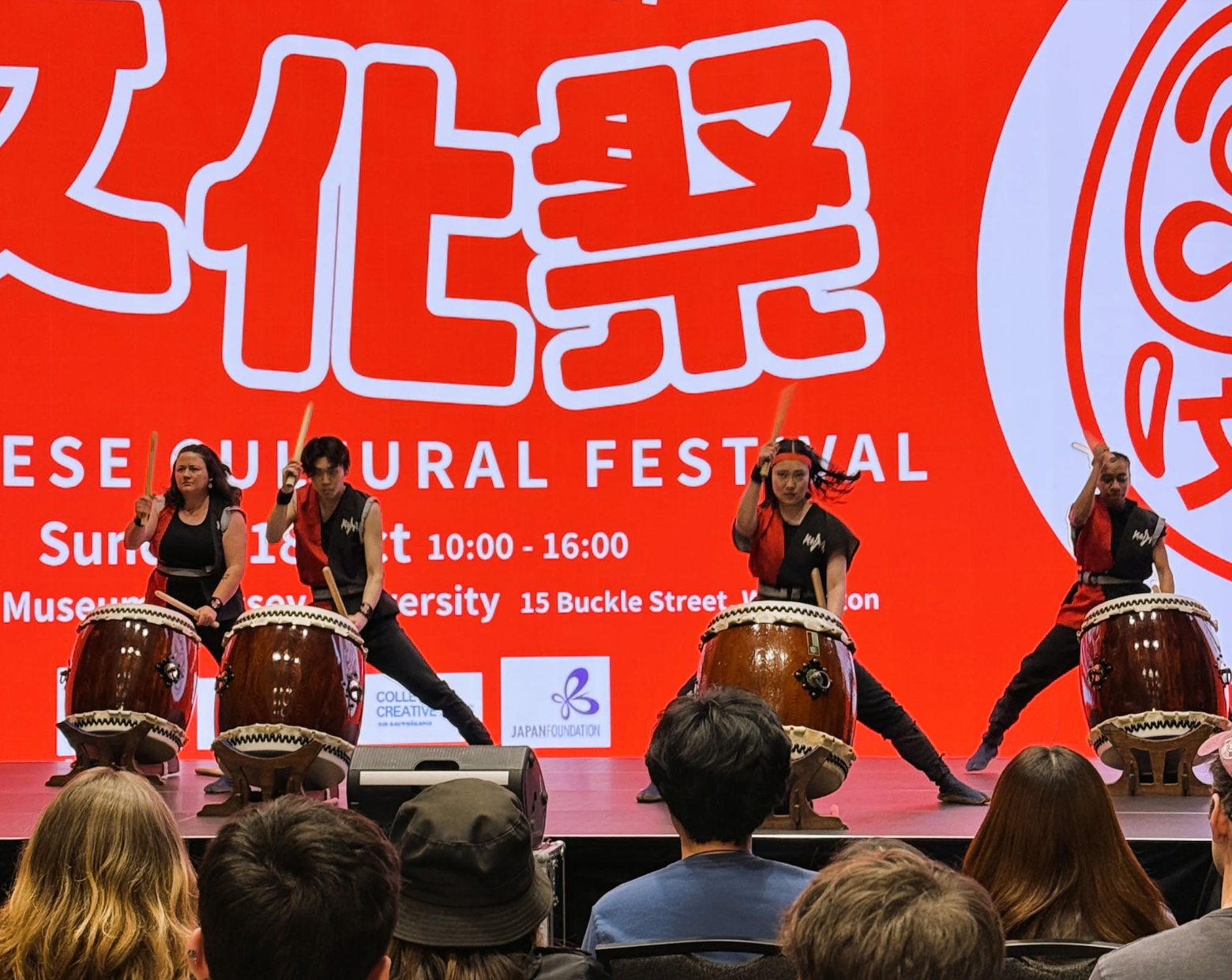
    Attendees enjoyed Japanese culture through hands-on experiences such as calligraphy and origami, as well as koto and taiko performances and kendo and karate demonstrations.
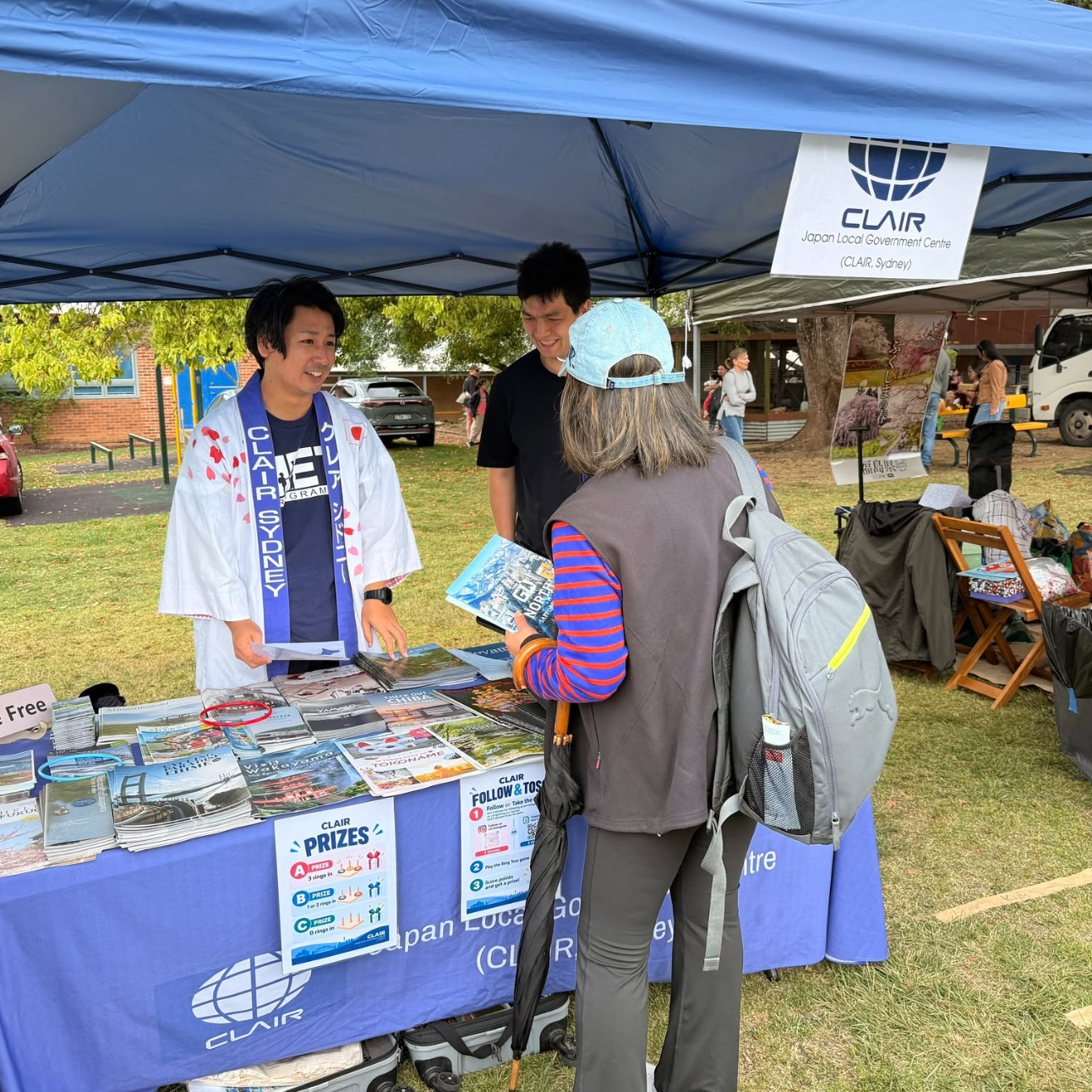
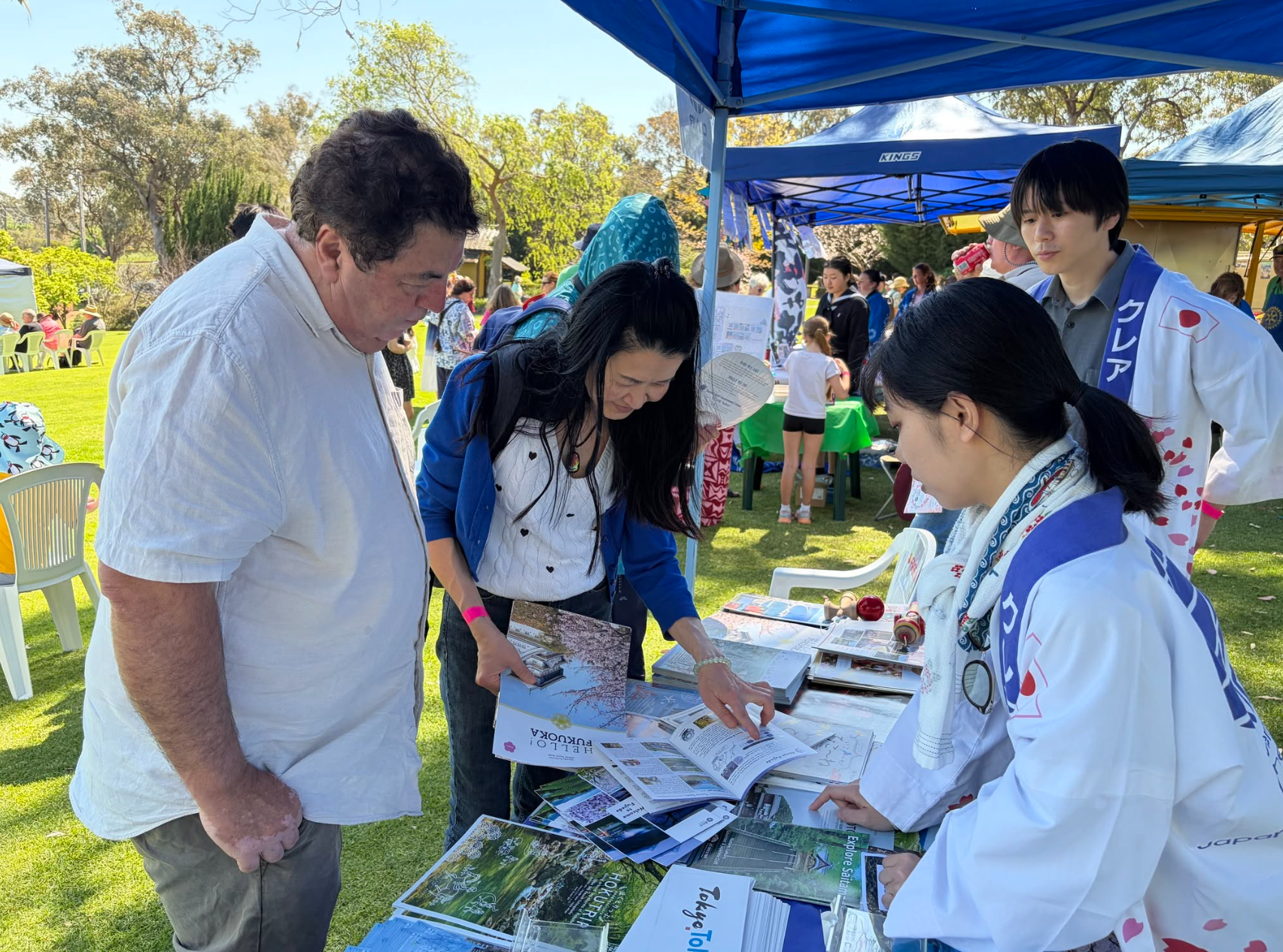
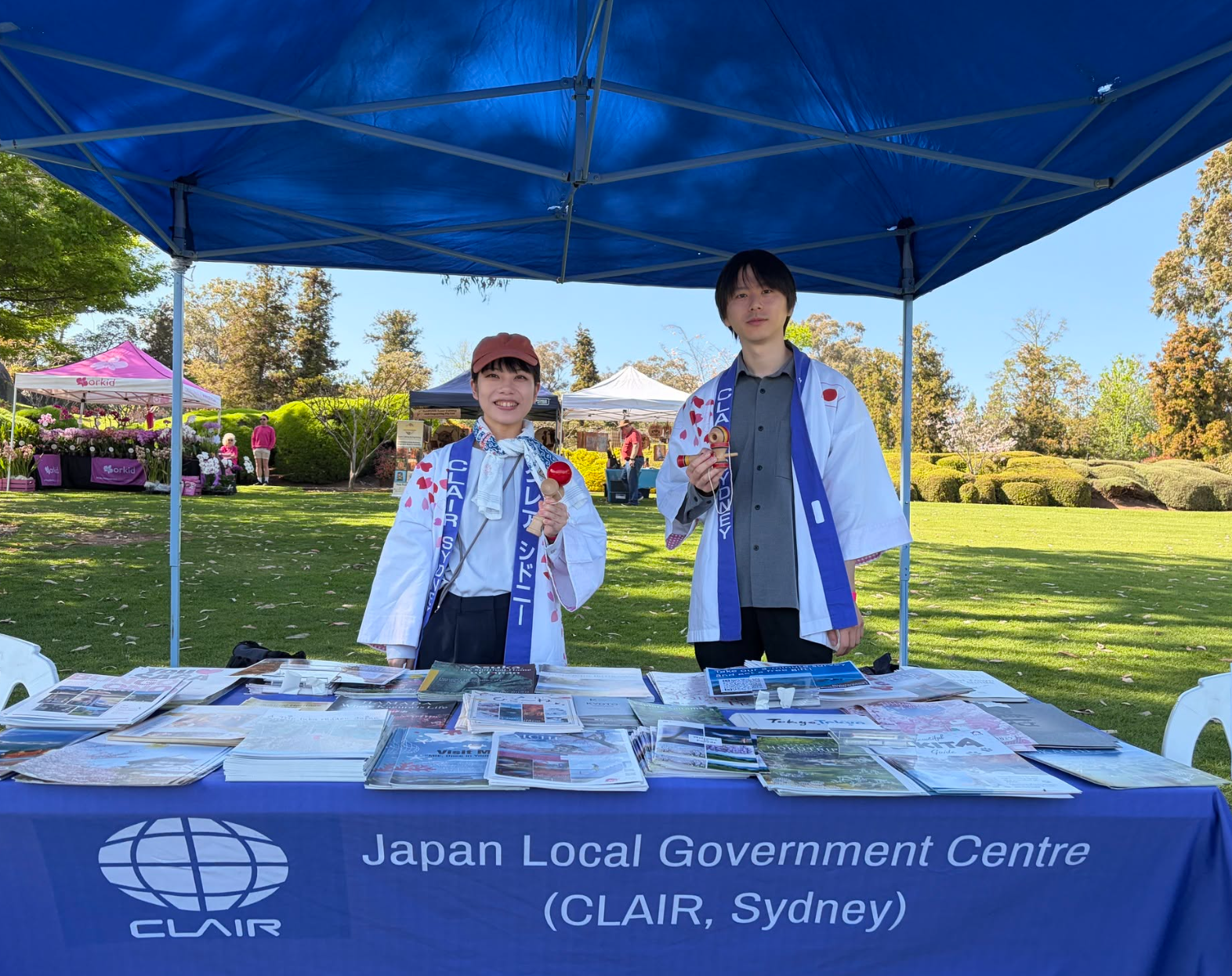
    CLAIR Sydney hosted a booth showcasing tourist destinations across Japan, including Himeji, Adelaide’s sister city. Many visitors, from families with young children to older adults, asked about places to enjoy walking and trekking, highlighting a strong interest in Japan’s natural beauty and outdoor activities.


    We hope this event helped visitors learn more about Japanese culture and the country’s diverse regions, inspiring them to to visit Japan in the future.Thank you to everyone who visited our booth! See you again!
  •   My name is Dashiel Baker. I’m a second-year Arts student at UNSW studying Politics & International Relations and Japanese. I’ve been self-studying Japanese for about six years now, on and off, and that study led me to CLAIR. I recently completed an internship at CLAIR Sydney through my university’s Work Integrated Learning (WIL) program, and so I thought it would be useful to briefly document my experience.

    Over the last two months, two days a week, I primarily did bilingual policy research in English and Japanese on topics ranging from busking laws to the minimum wage to homelessness. But my main project was comparing the NSW Government’s Transport Oriented Development (TOD) Program with Japan’s compact-city planning framework (ricchi tekiseika keikaku). Far more interesting than it sounds; Japan is planning its cities inward because there will soon be too few people to keep the outskirts running, whereas NSW is rezoning around its stations because there are too many people and nowhere to put them. Opposite problems, and yet, both arrived at more or less the same answer.

    Aside from that, a particular highlight was getting the opportunity to deliver an orientation briefing in Japanese to a group of visiting Japanese middle school students. Two months earlier, I’m almost certain, I would have been far too nervous to even attempt something of the sort. What I’ll carry with me most, though, is the office environment itself. I won’t name anyone in particular because that would mean having to name everyone. But our weekly one-on-one discussions meant I got the chance to know everyone properly, and not just those I worked with directly.

       
    On my last day I was thrown a farewell party, and at the end of it everyone stood up and made a tunnel with their arms for me to walk out through. I thought about it the entire way home.


    So thank you all for your patience with my Japanese, your feedback on my mountain of drafts, and your kindness throughout.