JETAA South Island activities

~ From JETAA South Island, NZ ~

JETAA SI Logo 02W

J-Kaiwa

In 2013, JETAA SI decided that a ‘J Kaiwa’ – a casual language exchange – would be a great way to promote JET in the Christchurch community. Our main aims were as follows:

a)      To allow people to meet new people in a fun, casual environment

b)      To practise both Japanese and English

c)       To create an environment to promote JET to future members

d)      To create an environment for ex-JETs to catch up and talk about Japan and their experiences.

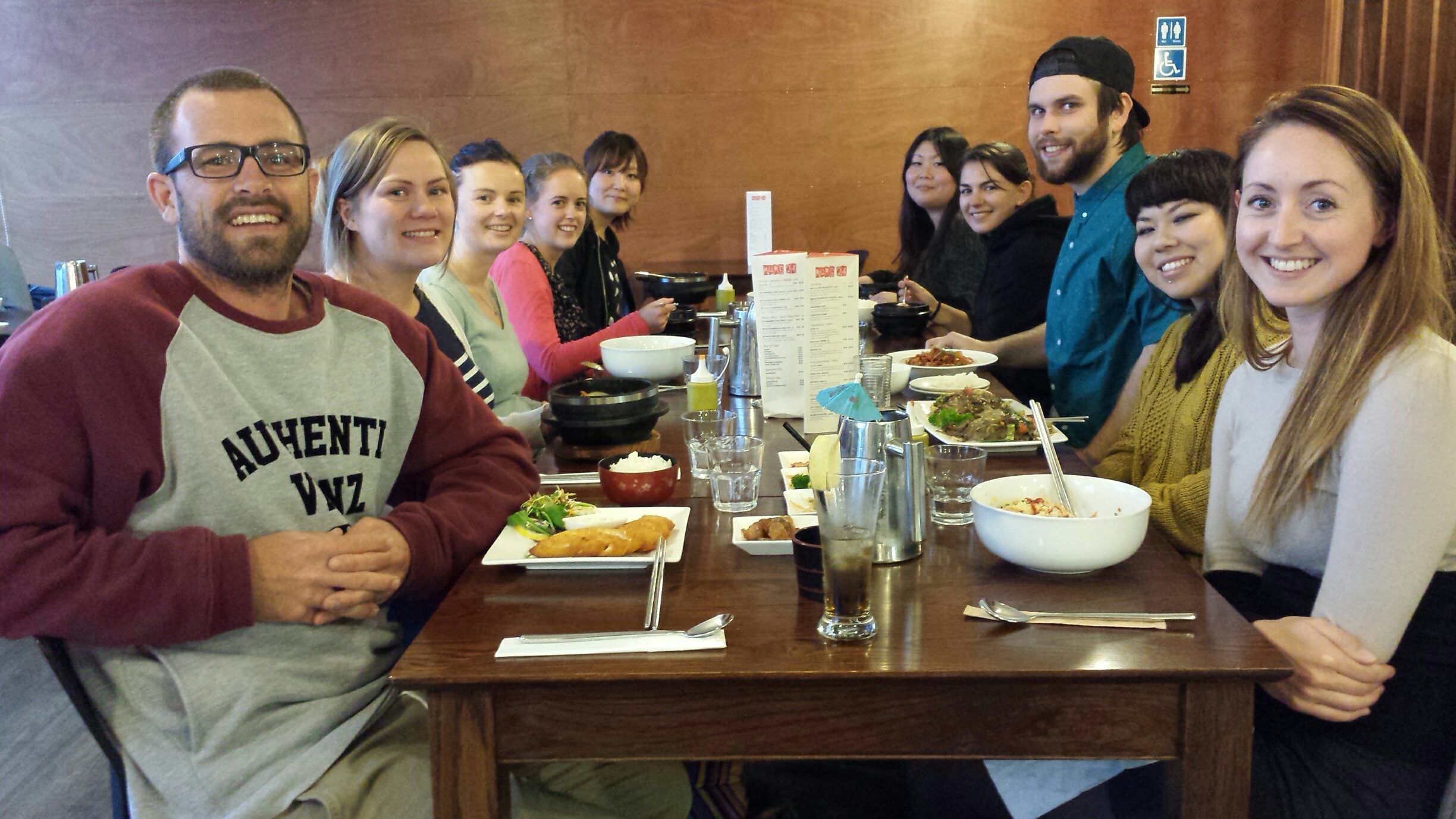
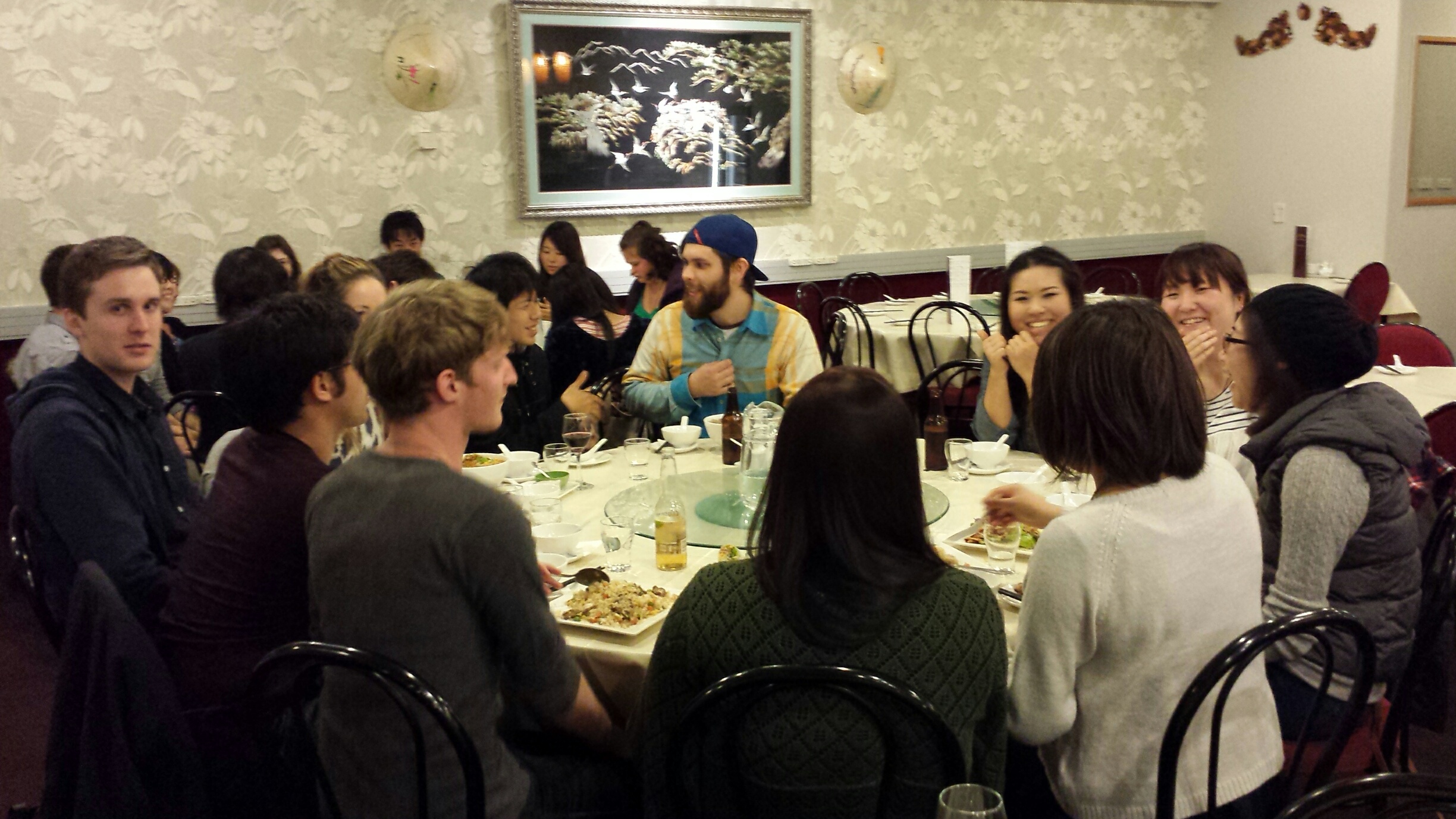
We thought that monthly events would be the best and to hold it on the first Tuesday of every month, at a different restaurant around Christchurch. So far we have been to Chinese, Korean, Japanese and Vietnamese restaurants! Anywhere between 15 and 30 people usually turn up, which is fantastic result.
Kaiwa 20140304_194803_resized

Kaiwa 20140506_192340_resized

Recently our Social Events Co-ordinator has stepped up and improved the event by advertising on NZ Daisuki website (a website for Japanese living in New Zealand) which has opened up the invitation to Japanese people living in Christchurch. He has also contacted a staff member at polytech who extends the invitation to his students.
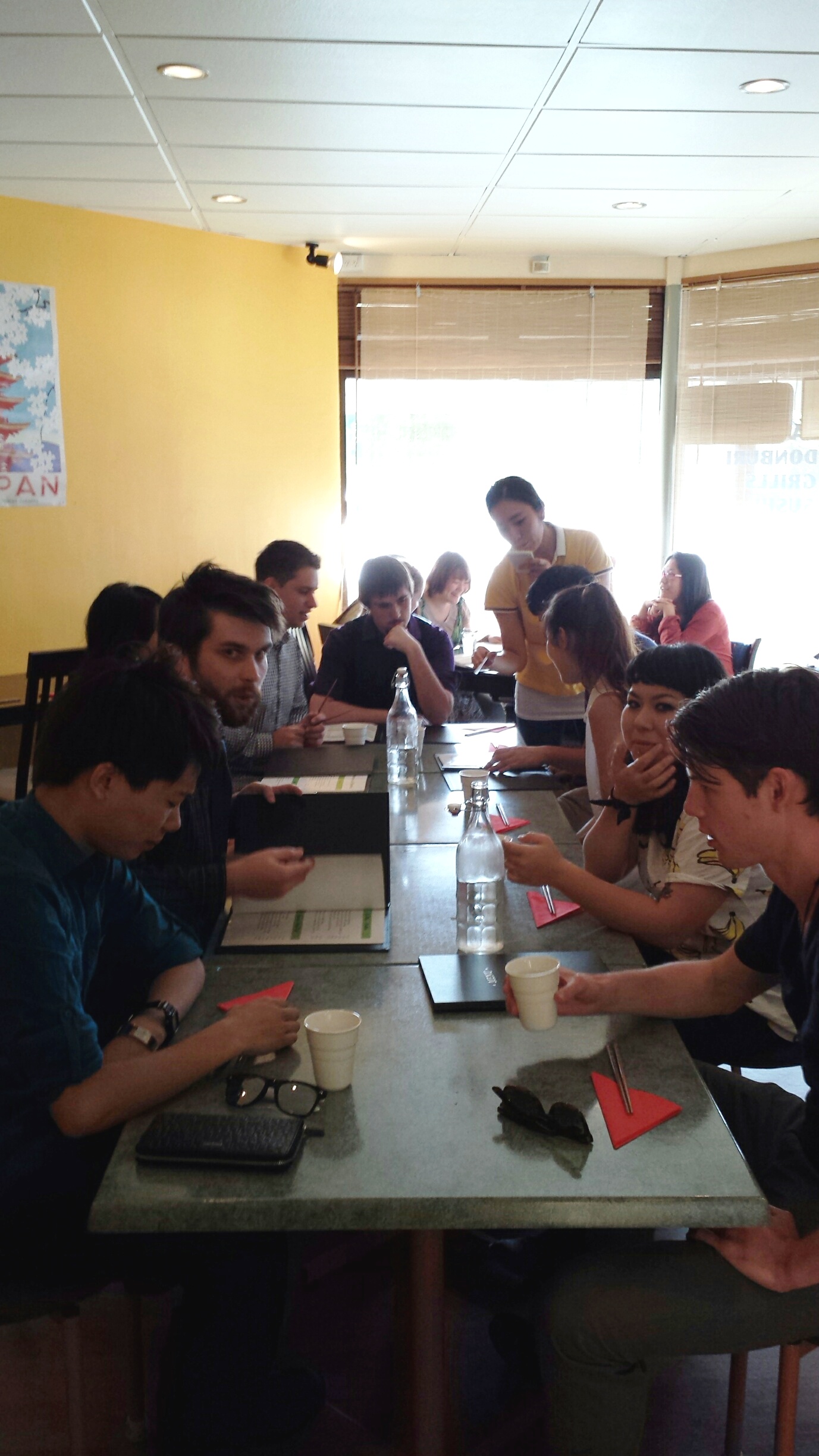
Kaiwa 20140204_190852_resizedThe atmosphere is really fun and there are a lot of different people attending. We have students (studying English and Japanese) from the local polytechnic, teachers, professionals, ex-JETs, people on working holiday, and people of various nationalities with an interest in Japan.

The format includes a brief opening from the JETAA committee, then we introduce ourselves so everyone feels at ease. After that we eat, chat and end up moving around the table at some point in order to chat to new people. There is no ‘entry fee’ and we order our own food.

We feel that our J Kaiwa is a great way to promote JET in the community to potential applicants as it is a fun environment for them to ask questions about the programme, but also succeeds in connecting former JETs, and other community members.

Canterbury Japan Day

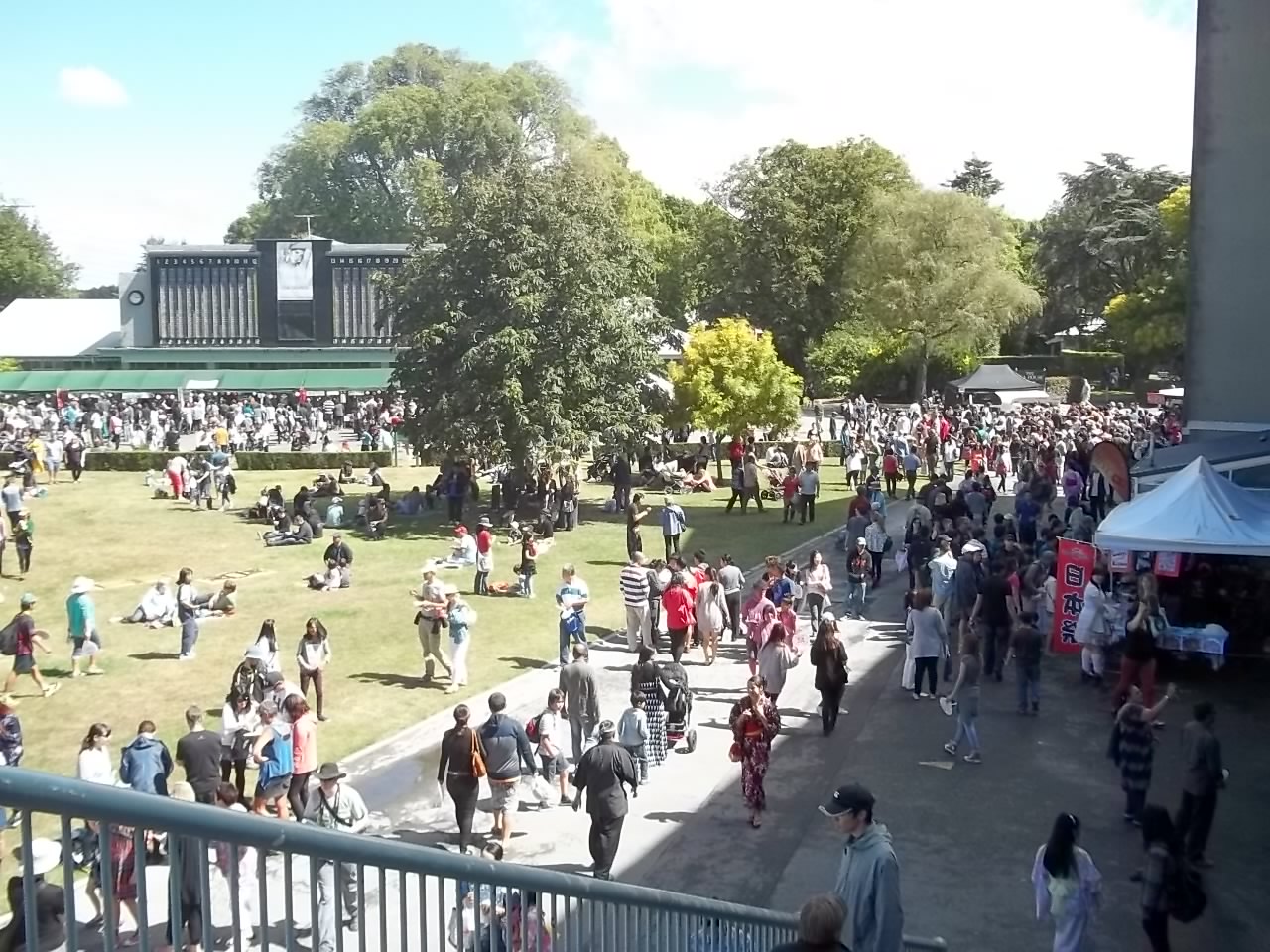
Canterbury Japan Day has become a very exciting part of the Christchurch events calendar. 2014 was the second annual event presented by the Canterbury Japan Society with support from the Christchurch City Council and the Consular Office of Japan. This year the theme was ‘Japanese Summer’.
JapanDay2014 (9)   JapanDay100_1856

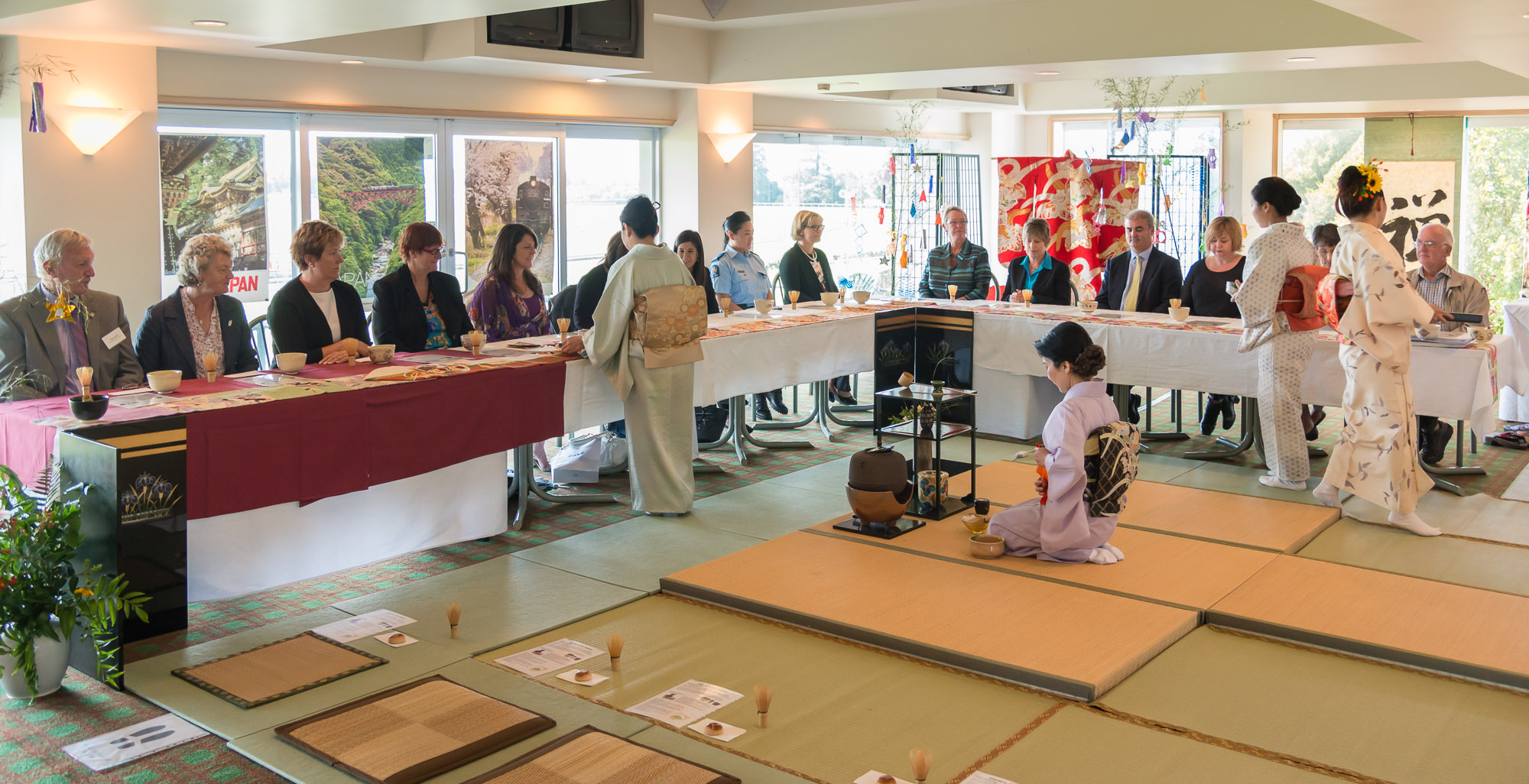
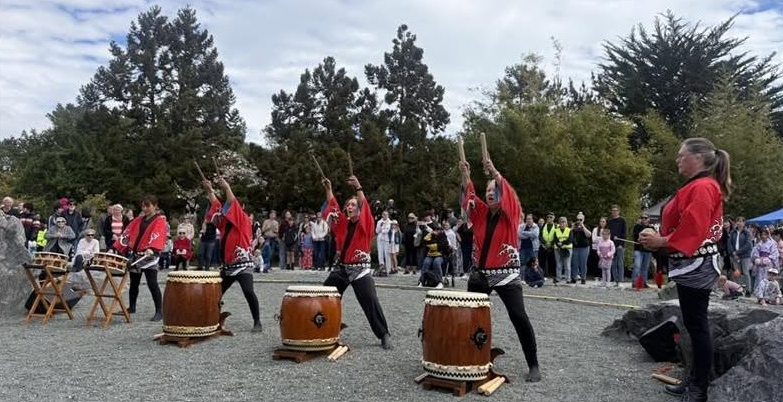
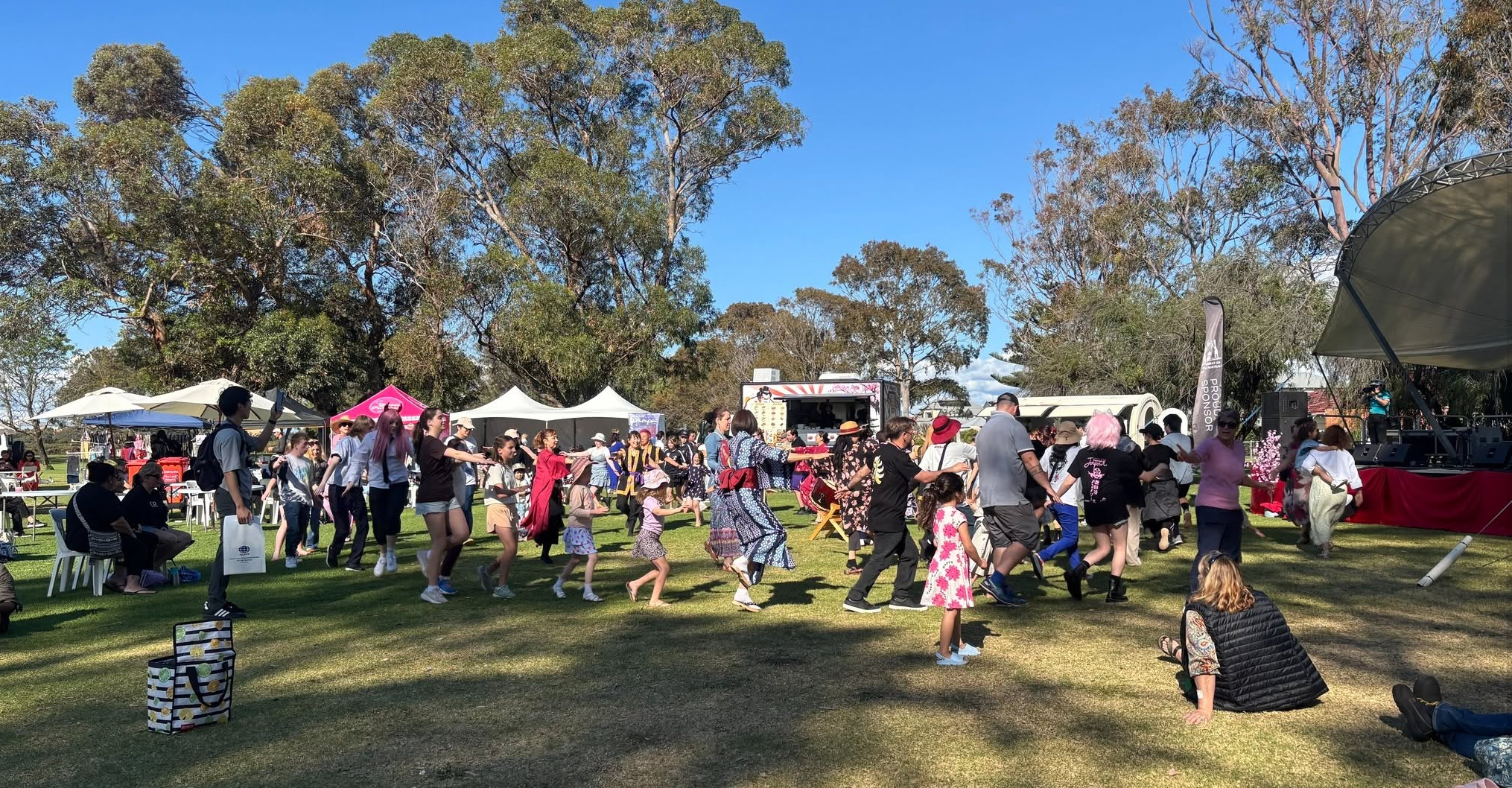
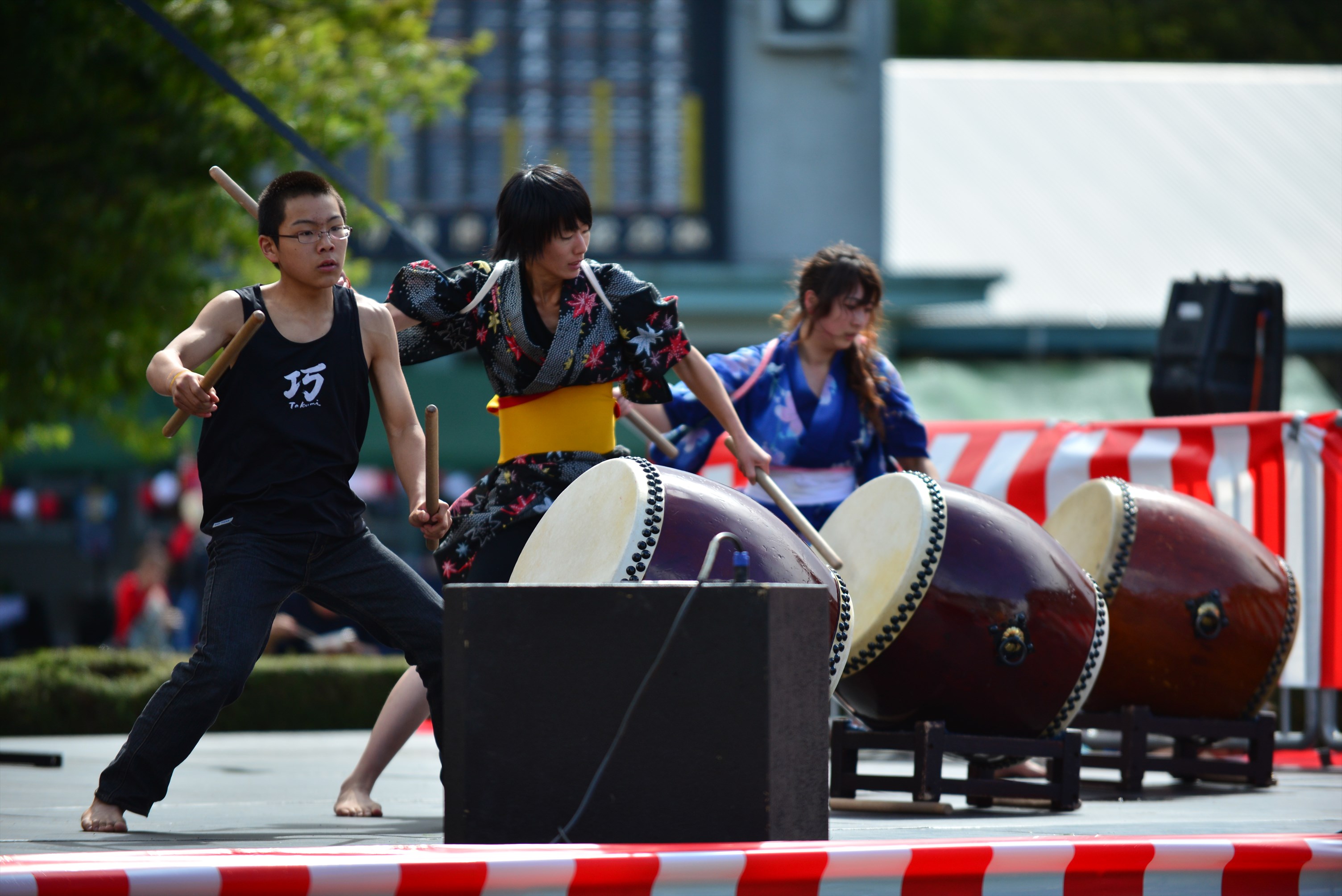
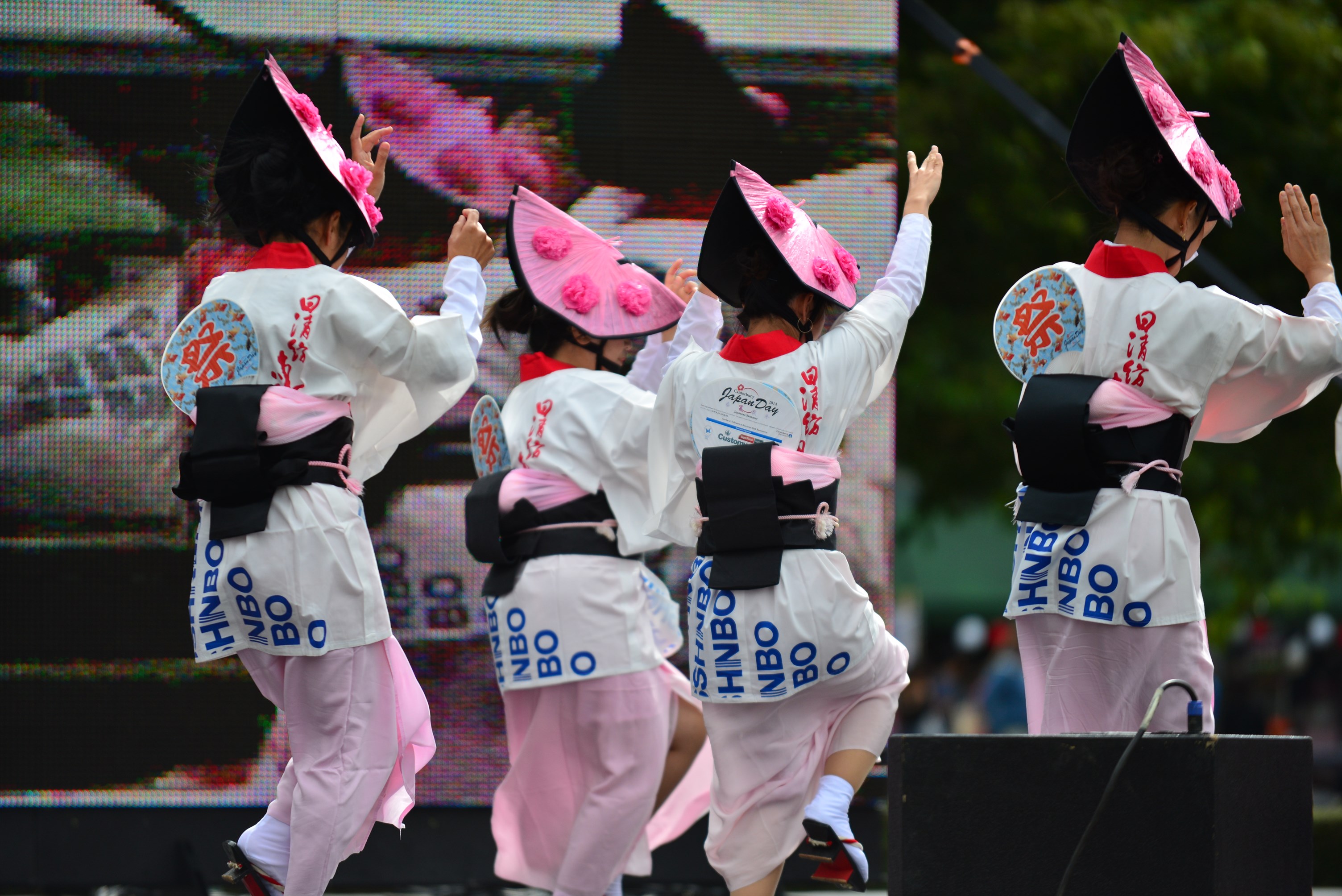
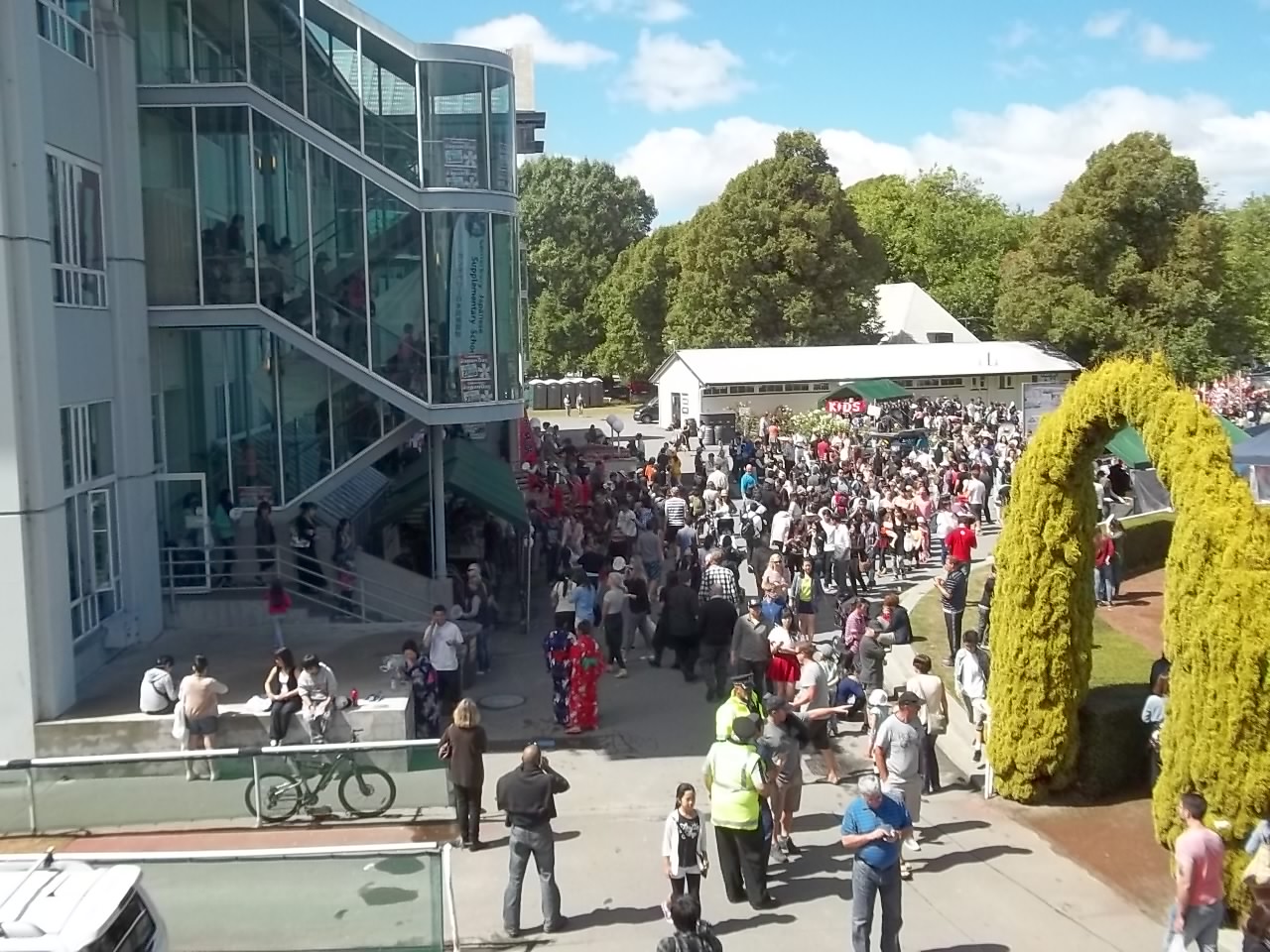
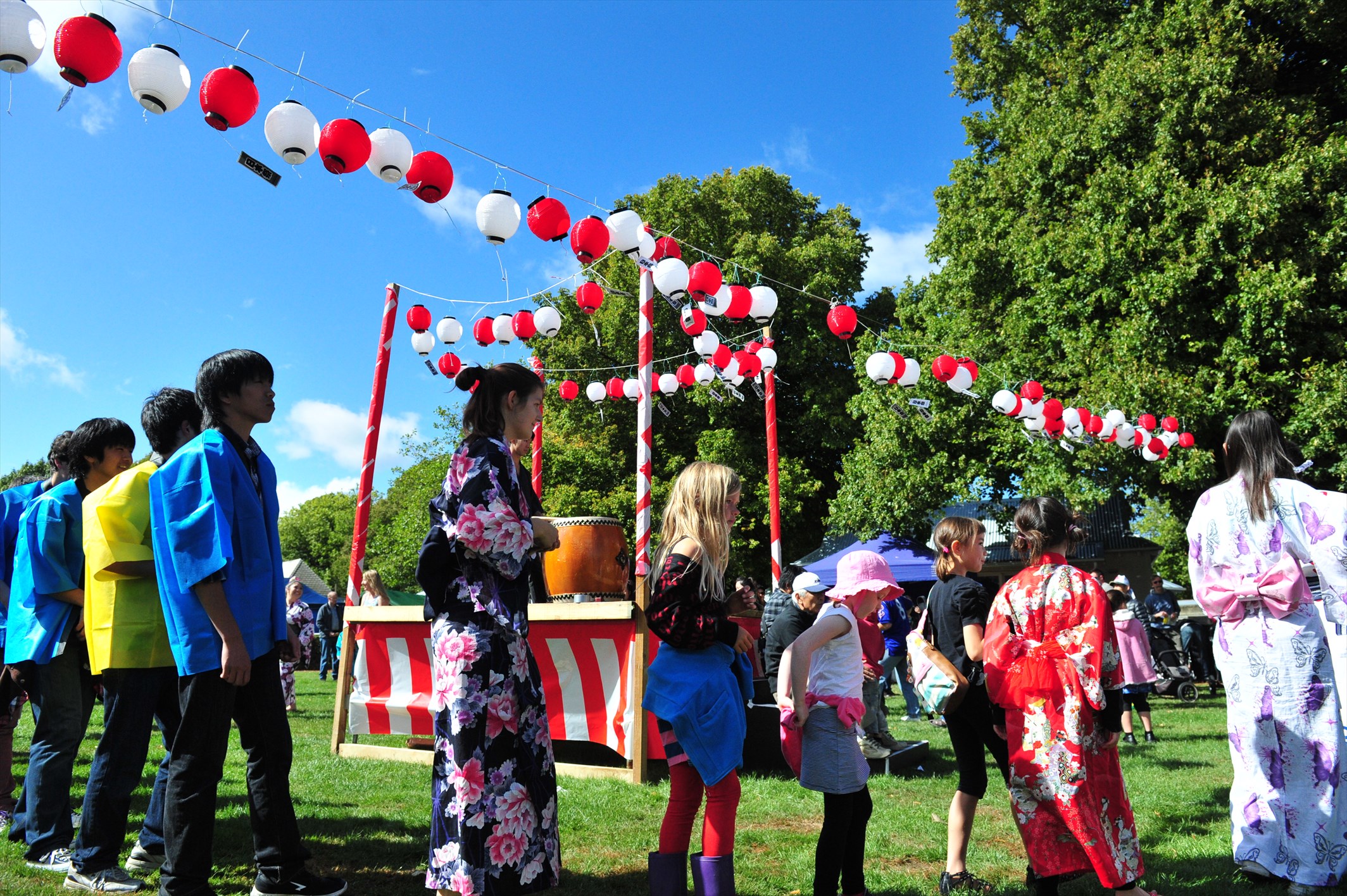
JapanDay2014 (4)On 23 February 2014 the 20,000 strong crowd enjoyed the 54 stalls – including many types of delicious Japanese food delicacies, Japan National Tourism Organisation, Japanese people involved offering business services, cultural groups such as the Kurashiki/Christchurch Sister City Committee, University of Canterbury “J-Soc” Club. Patrons enjoyed watching the Bon-Odori dance, Taiko drum performances and participating in the popular mochi tsuki. There were many indoor attractions too, such as a traditional Haunted House and Star festival, a Kimono catwalk, tea ceremony and calligraphy demonstrations, and Japanese traditional music.
JapanDay2014 (10)

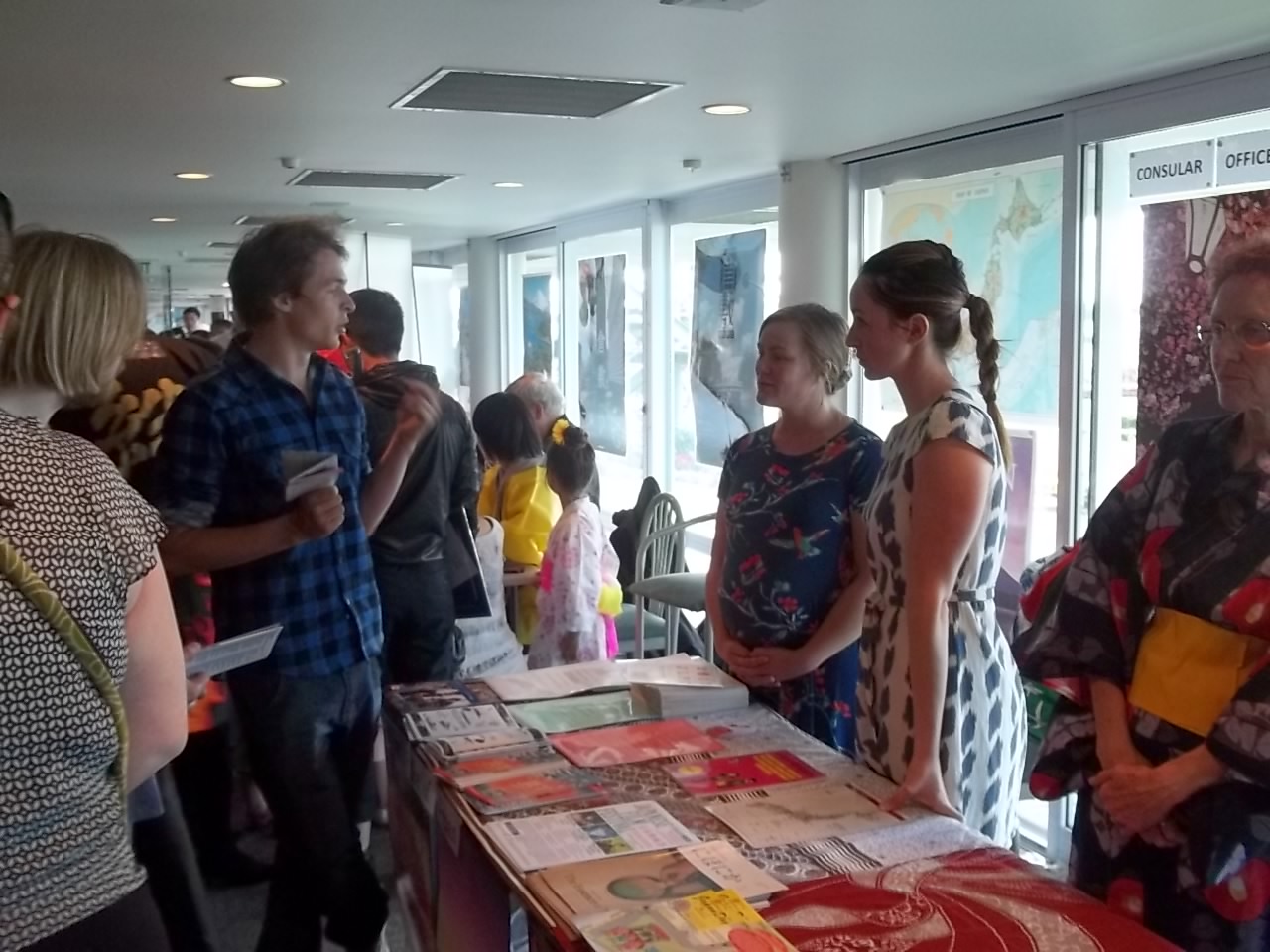
JETAA South Island had a stand combined with Consular Office of Japan (Christchurch) to promote the JET programme, JLPT tests and MEXT Scholarships. It was a very busy day with plenty of interest in the JET programme, which was very pleasing. Six JETAA SI committee members volunteered their time in sections and assisted with setting up/packing down, and speaking to lots of interested people about the JET programme and living in Japan.
JapanDay100_1857

Canterbury Japan Day was a great opportunity for the residents of Christchurch to experience authentic Japanese Culture presented by Japanese Kiwis in Canterbury and JETAA SI was proud to be a part of this day.
JapanDay2014 (8)

JapanDay100_1860

For further details of the event, please see  http://japanday.jsc.org.nz/
Posted in Uncategorised

Uncategorised

  • Japan Day 2026 took place in Auckland on 22 February 2026, marking the event’s 22nd anniversary.
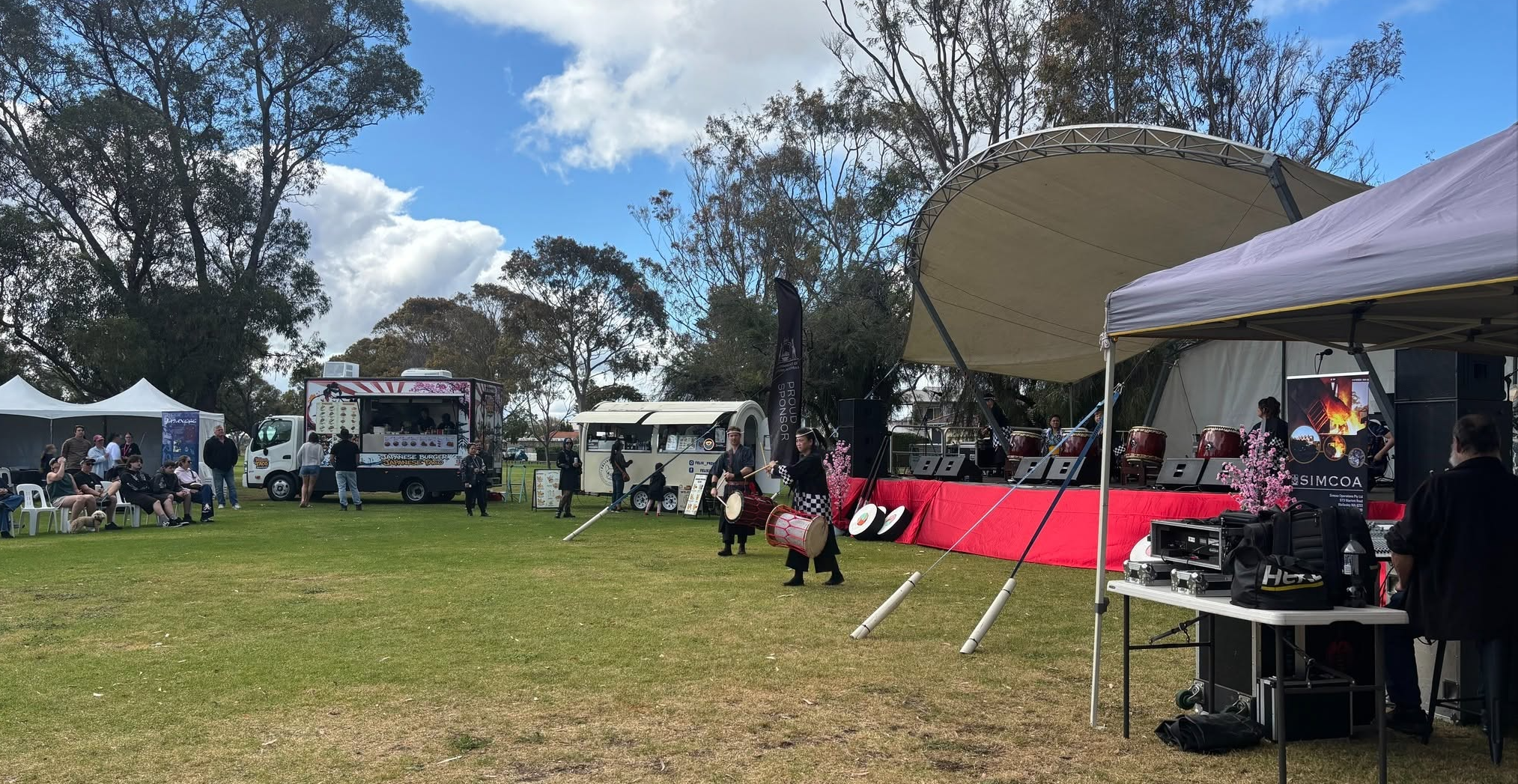
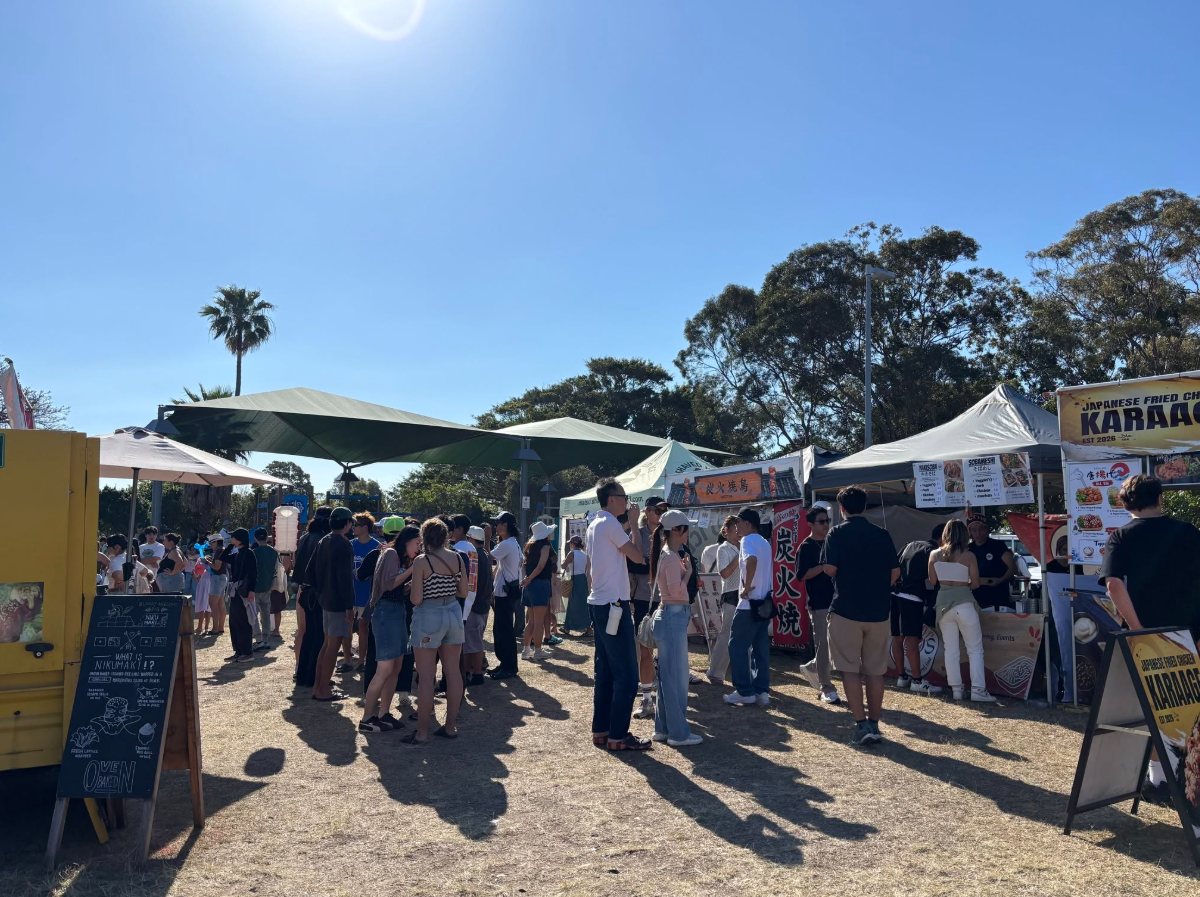
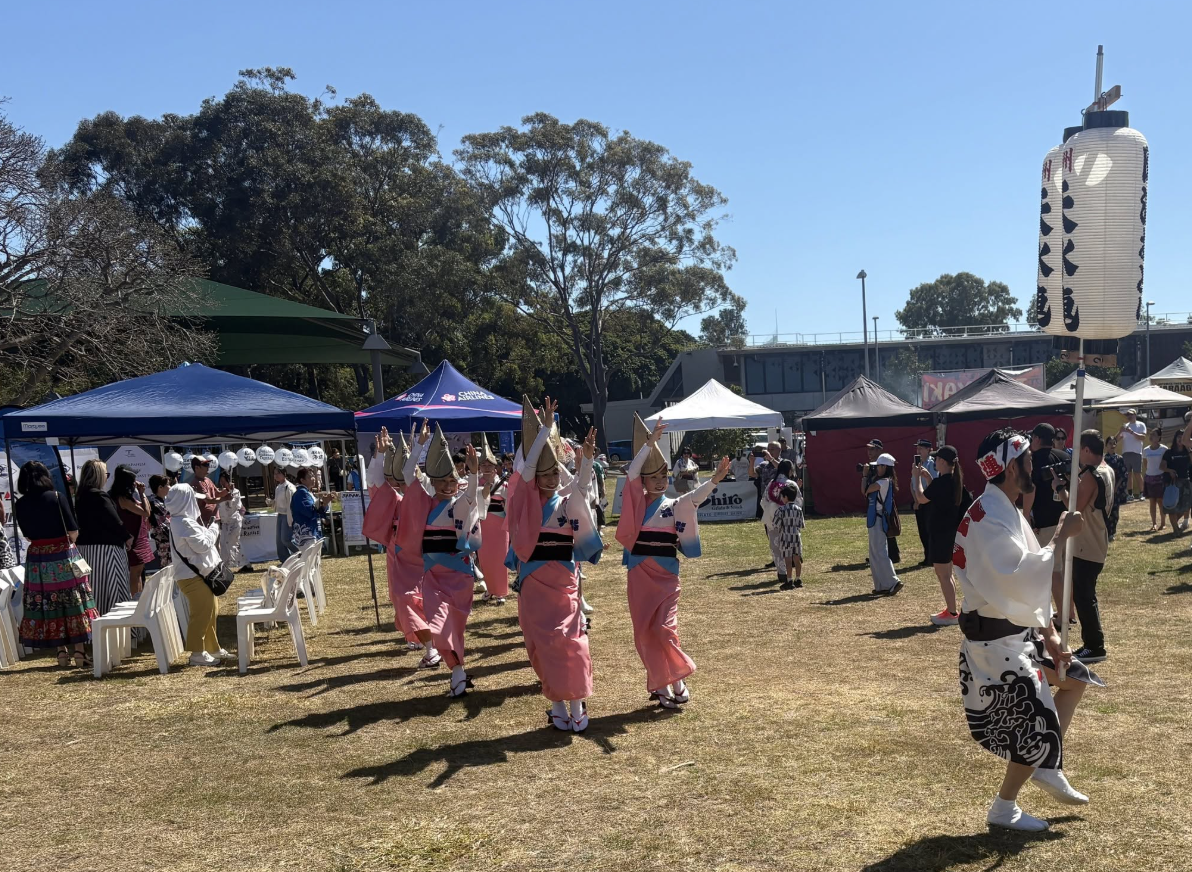
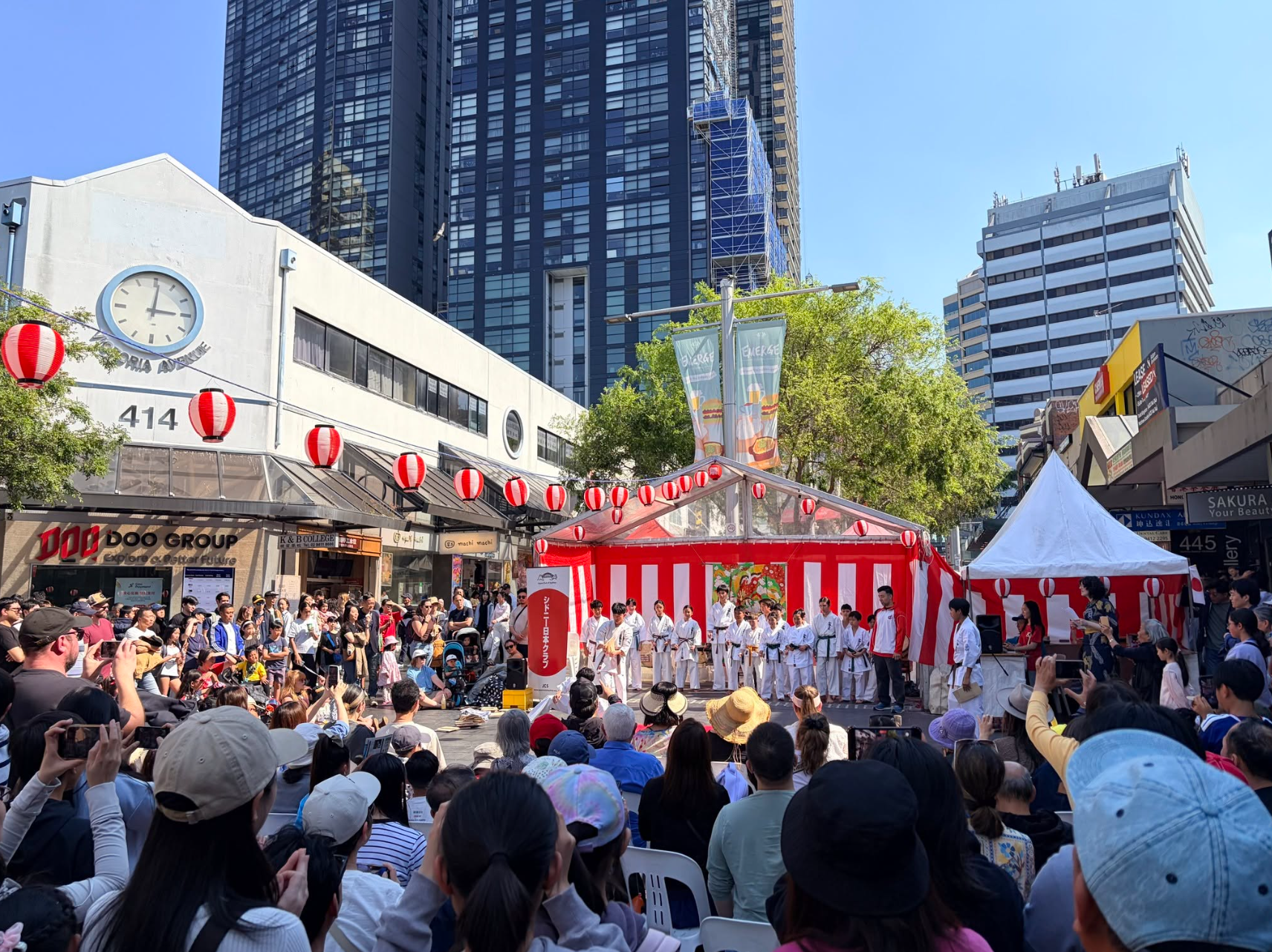
    The venue was buzzing with excitement, featuring a wide variety of attractions from Japanese food stalls, and a Hina doll and Mikoshi (portable Shinto shrine) display, to hands-on cultural experiences such as tea ceremonies and calligraphy. The stage performances added to the energy, with dynamic shows including Yosakoi dance (a lively modern Japanese folk dance), Aikido (Japanese martial arts), and Iaido (Japanese swordsmanship).
       
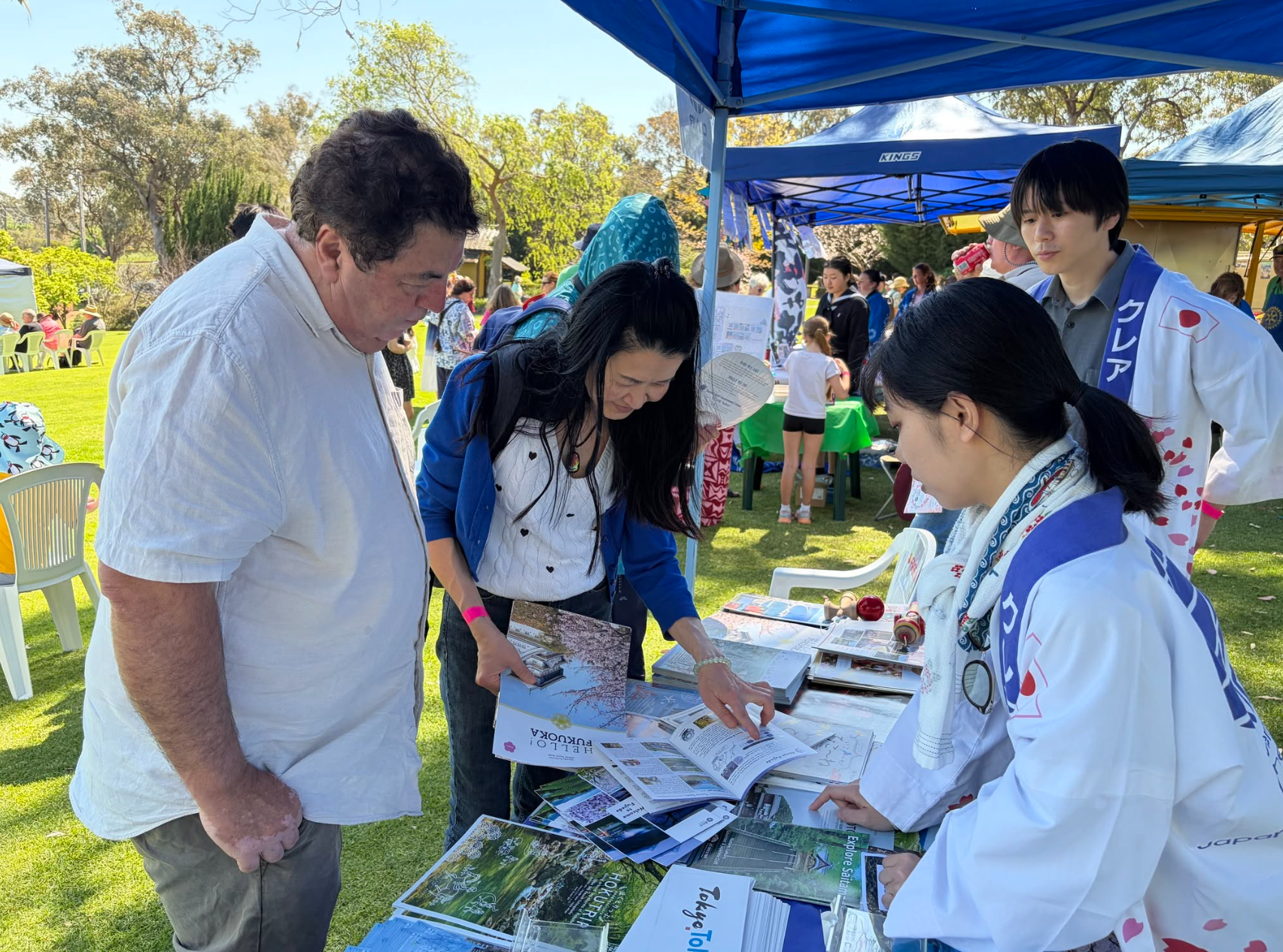
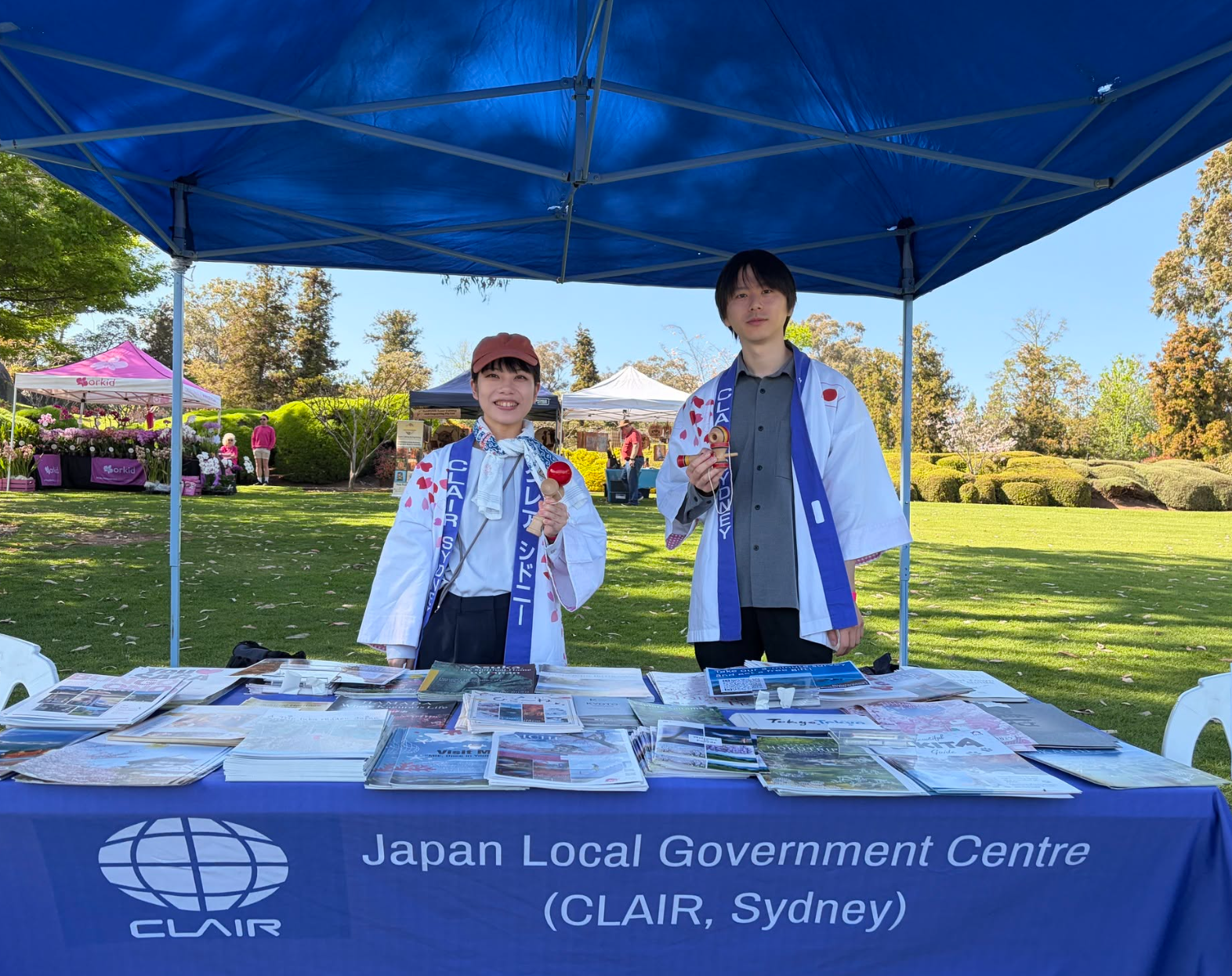
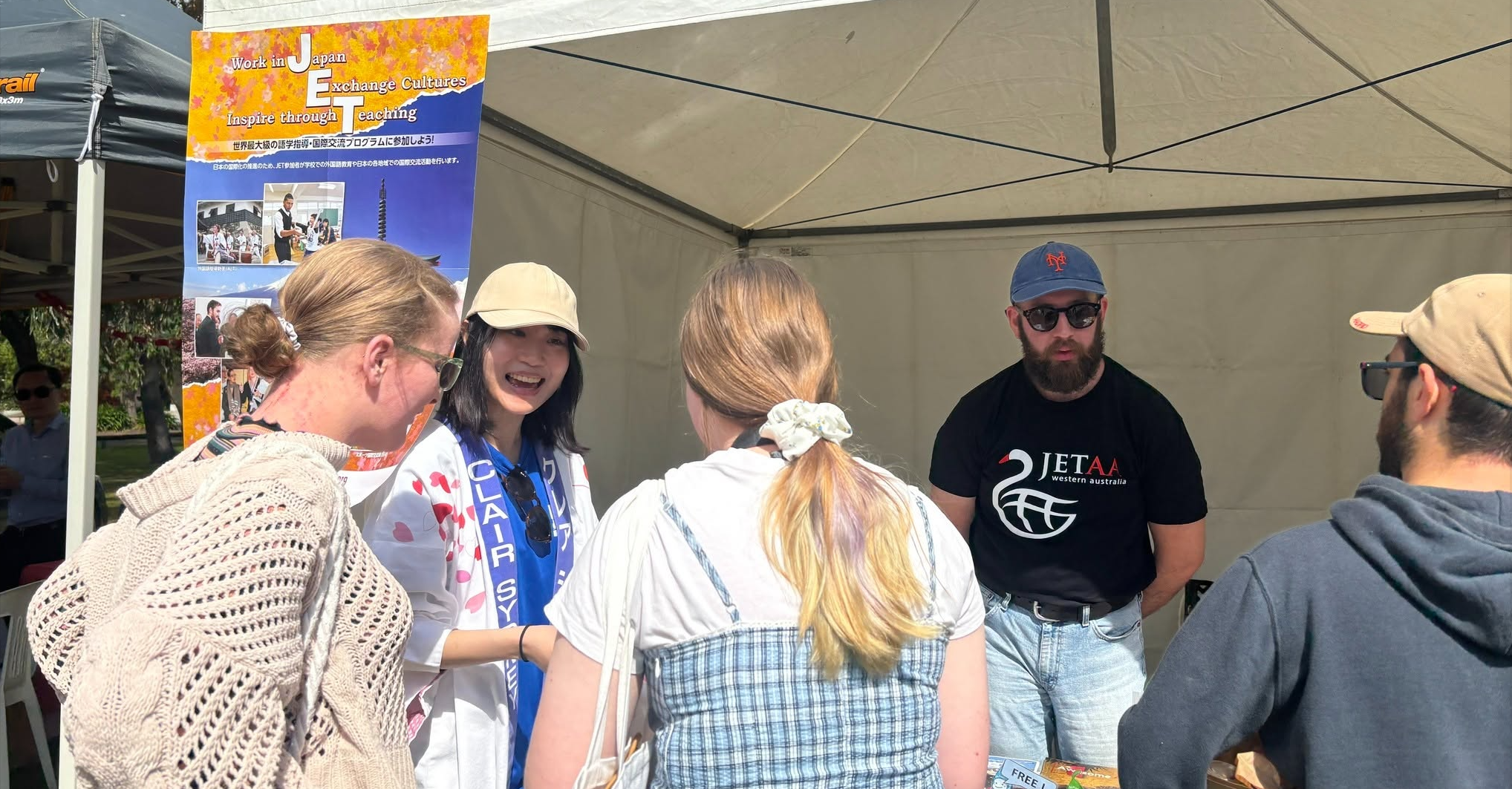
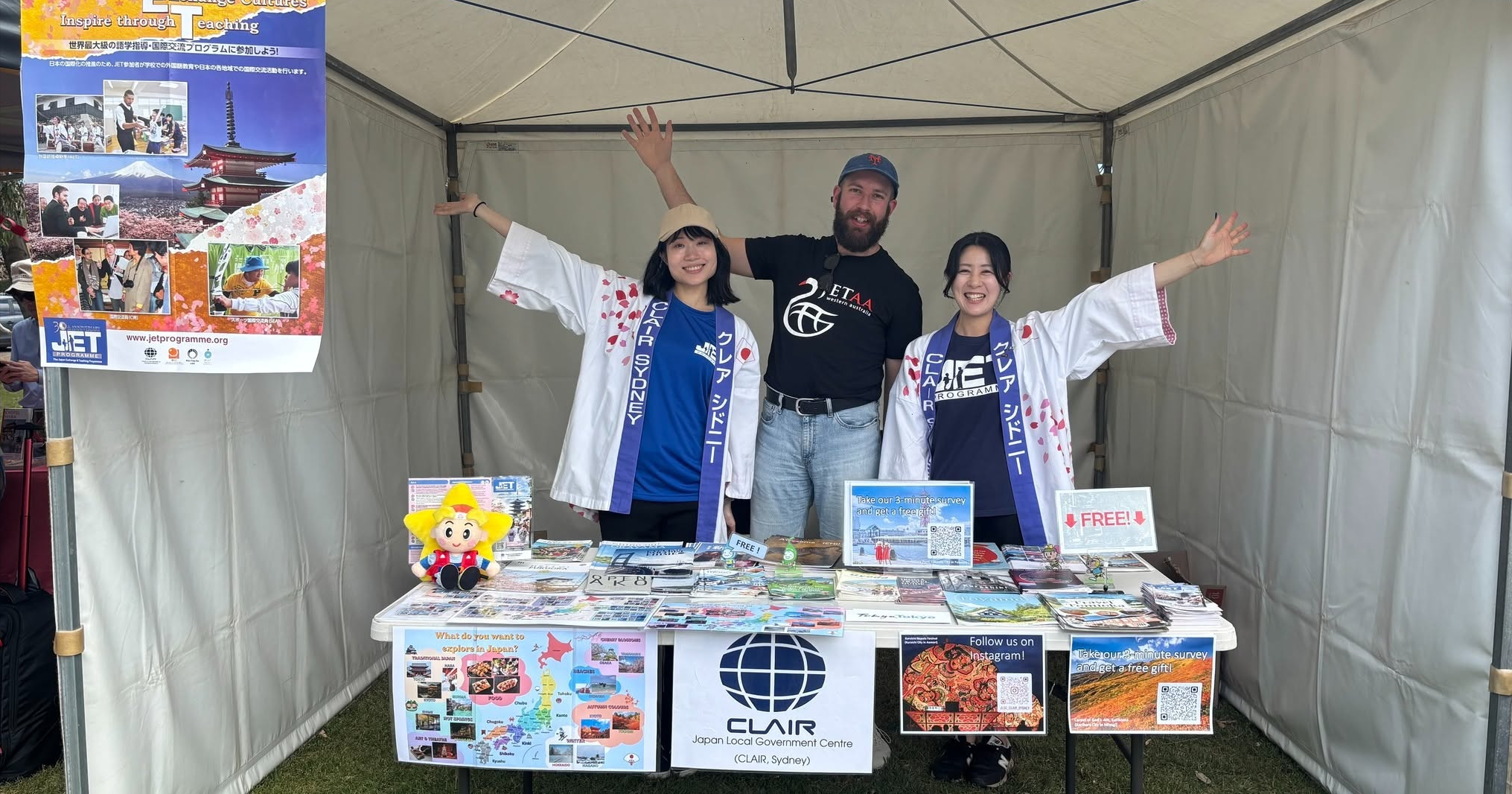
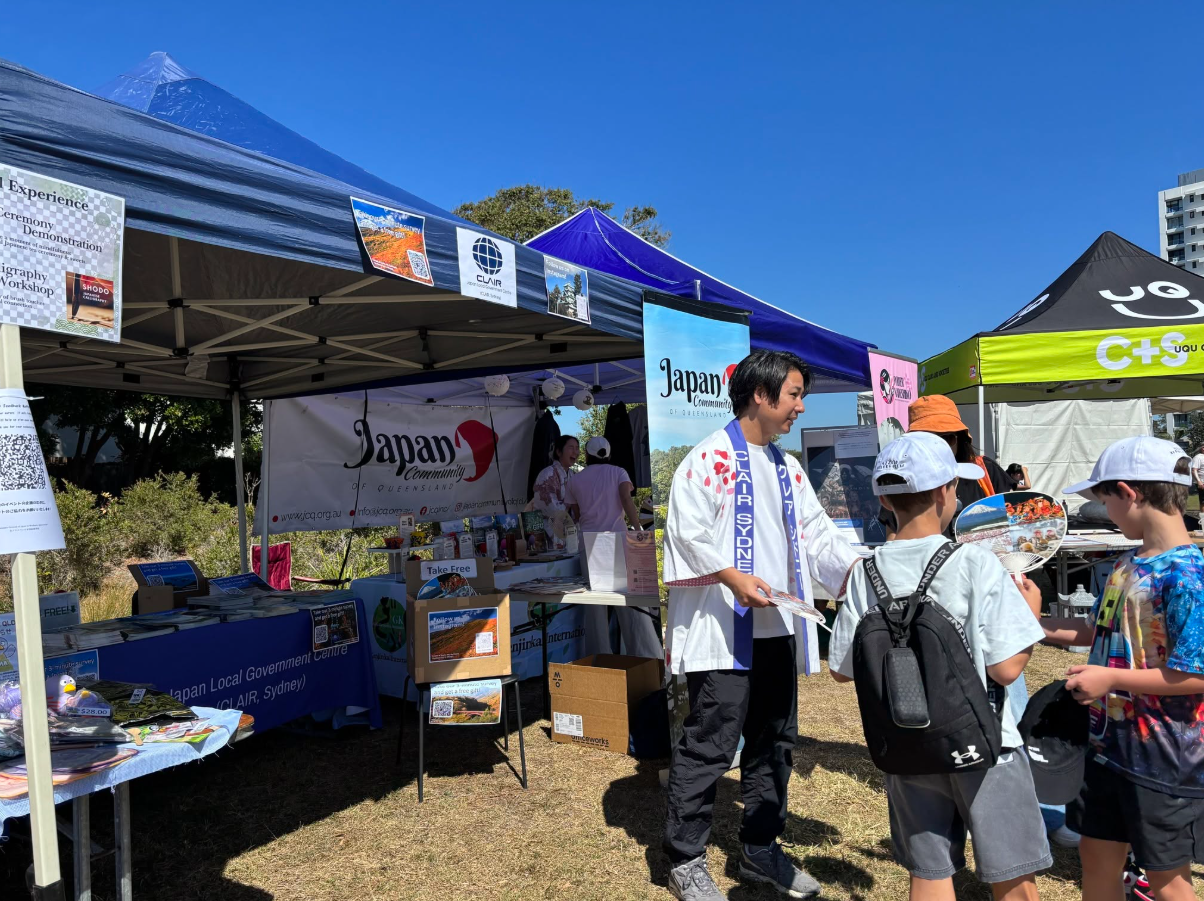
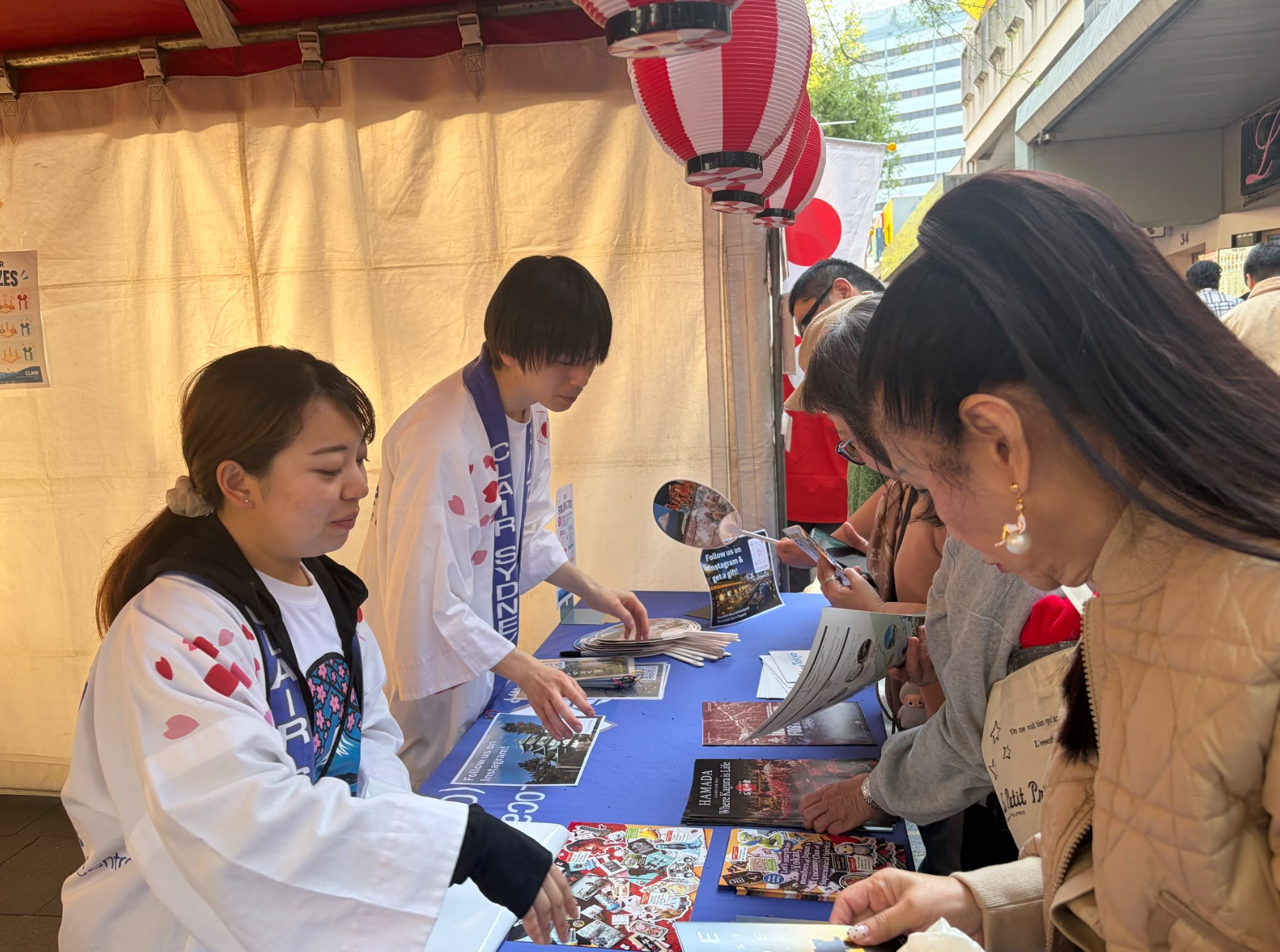
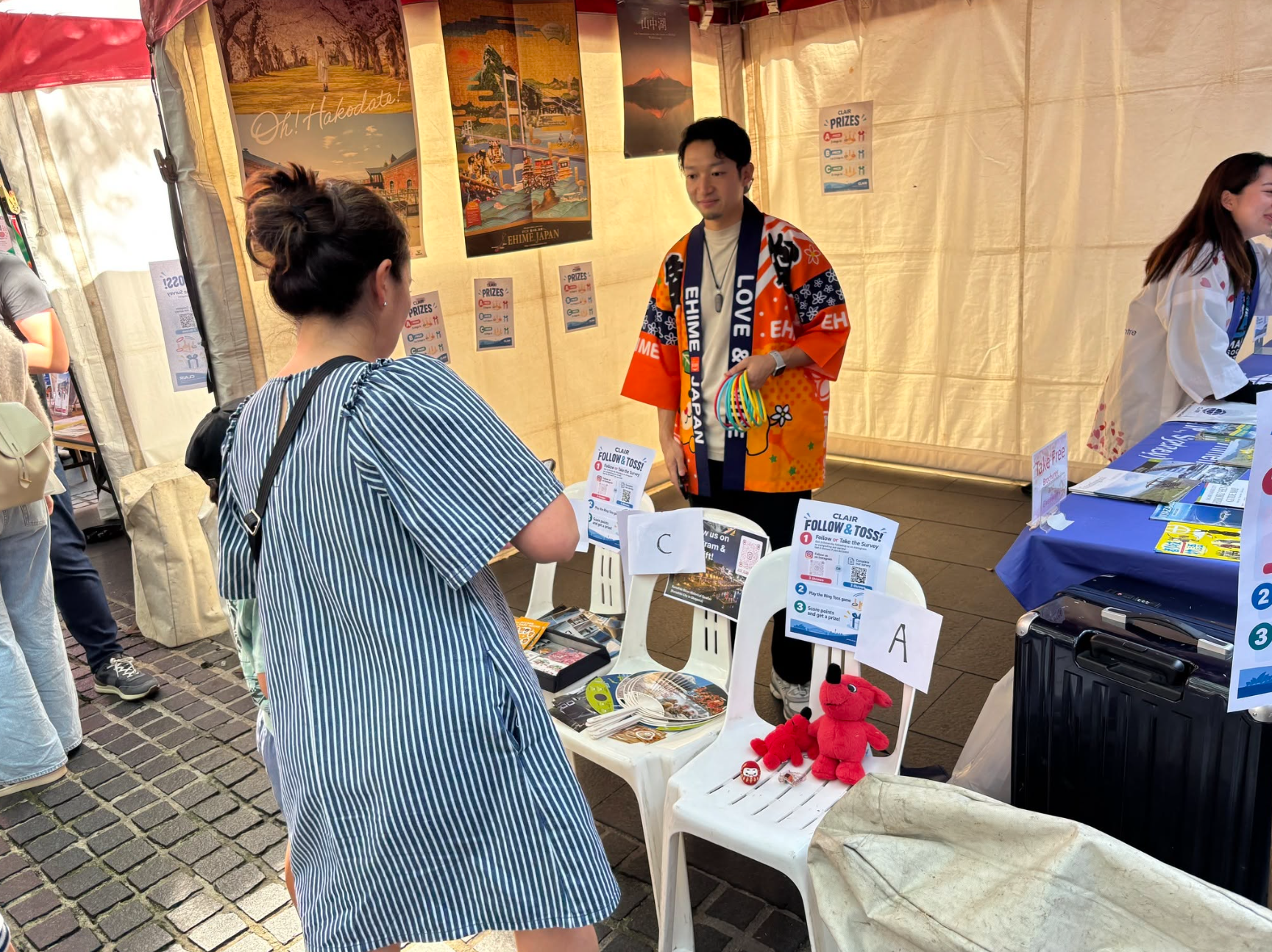
    CLAIR Sydney hosted a booth showcasing the unique attractions and cultural highlights of regions across Japan. Using brochures and maps provided by local governments, we introduced visitors to a wide range of destinations beyond Tokyo and Kyoto.
    Many visitors expressed strong interest in regional Japan and traditional culture, asking questions such as “Which regions do you recommend besides Tokyo and Kyoto?”, “Where can we see historic buildings and experience traditional culture?”, and “When and where is the best time to see cherry blossoms?”
    Our team engaged with each visitor individually, listening to their interests and providing tailored information on Japan’s scenic landscapes, cultural heritage, and hands-on experiences.
    CLAIR Sydney will continue to promote regional Japan to audiences in Australia and New Zealand through events like this, strengthening awareness of the country’s diverse local cultures.
    Thank you very much to everyone who visited our booth!
  • On 20 February, 16 students from the Department of Child Study, Faculty of Economics, and Department of Intercultural Studies at Kanazawa Seiryo University in Ishikawa Prefecture visited the CLAIR Sydney Office as part of their overseas study program.
    Our office provided a briefing on Australia that covered key facts such as its land area, population, and economy; the historical development of Australia as a multicultural nation; recent trends in outbound travel from Australia to Japan; and an overview of the country’s education and childcare systems.
    The students asked a wide range of questions, including differences in working styles between Australia and Japan and the foreign languages (other than English) that Australian children learn in primary school. Their enthusiasm for learning left a strong impression on us.
    Following their visit, the students travelled to Melbourne to observe a local primary school. We sincerely hope that their time in Australia, including their visit to our office and the school, was both rewarding and meaningful.
  • The latest issue of our correspondence is released.

    View this correspondence in PDF.

  • Newsletter Special Issue February 2026


  •  On Thursday, 5 February, two staff members from the Asia Business Promotion Center of Toyama New Industry Organization visited the CLAIR Sydney office.
     
    The visit coincided with a Toyama Prefecture products fair being held at Supermarkets that sell Japanese food across Australia and formed part of a study tour aimed at conducting promotional activities and site visits to food retailers and related businesses.
    At the CLAIR Sydney office, we provided an overview of Australia’s administrative systems at the national, state and local government levels, together with a general briefing on the tourism sector, with a particular focus on inbound tourism.
    We also exchanged views on the expansion of distribution channels in Australia, as well as areas of interest among Australians in relation to Japanese tourism, food products and related fields.
    CLAIR Sydney supports a wide range of activities undertaken by Japanese local governments in Australia and New Zealand, including policy research, promotional activities and study tours. If you require support for such activities, please feel free to contact us.
  • Commemorative Events for the 45th Anniversary of the Sister City Relationship between Tomakomai City and Napier City

    On 20 November 2025, a cultural welcome ceremony and gala dinner party were held to mark the 45th anniversary of the sister-city relationship between Tomakomai City, Hokkaido, Japan, and Napier City, New Zealand.

    The official visit program is conducted every five years; however, the 40th-anniversary program was cancelled due to the COVID-19 pandemic. As a result, this visit marked the first occasion in ten years that a delegation from Tomakomai travelled to Napier.

    The primary objectives of this visit were to promote cultural exchange between the Māori people of New Zealand and the Ainu people of Hokkaido, as well as encourage economic exchange amongst business stakeholders, with the aim of rebuilding connections that have weakened over time.

    Cultural Welcome Ceremony

    At 9:00 a.m. on 20 November, the Tomakomai delegation participated in a pōwhiri, a traditional Māori welcoming ceremony, at Waiohiki Marae.

    Upon arrival at the venue, the delegation was welcomed by the Mayor of Napier, Richard McGrath, who exchanged greetings and handshakes with Mayor Kanazawa of Tomakomai and other members of the delegation. During the ceremony, Māori representatives from the marae and local children, performed a haka, followed by formal speeches known as whaikōrero, delivered in te reo Māori.

    At the conclusion of the ceremony, participants exchanged hongi, a traditional greeting involving the gentle touching of noses, along with hugs, creating a warm and friendly atmosphere that reflected mutual respect and openness.

    Following the ceremony, an introduction to Māori culture and history was provided by representatives of Napier, offering the Tomakomai delegation a valuable opportunity to deepen their understanding of local cultural traditions.

    Gala Dinner Party


    The commemorative ceremony was attended by the Tomakomai delegation, consisting mainly of local government representatives, Ainu-related organisations, and business leaders, alongside members of the Napier City Council. Representatives from Pan Pac Forest Products Ltd (a joint venture between Oji Paper and a local timber company in Napier, which marked the beginning of this exchange), Oji Holdings Corporation, the Embassy of Japan in New Zealand and the CLAIR Sydney office were also in attendance.

    The program included speeches by representatives from both cities, an exchange of commemorative gifts, and cultural performances by members of the Ainu community, making the event both meaningful and diverse in content.

    During the gift exchange, Napier City presented Tomakomai City with a wall hanging made from native New Zealand plants, while Tomakomai City presented Napier City with a tapestry featuring traditional Ainu motifs.

    In his address, the Mayor of Tomakomai expressed a strong desire to further develop exchanges between the two cities in preparation for the 50th anniversary in five years’ time. He also conveyed expectations were expressed for expanded cooperation across a range of fields, including cultural, economic, and educational exchanges.

    At the conclusion of the ceremony, all participants from Japan performed the song Ue o Muite Arukō (internationally known as Sukiyaki). The performance fostered a strong sense of unity and mutual respect, leaving the venue filled with an atmosphere of cultural appreciation and shared goodwill.

    Tomakomai City and Napier City plan to continue regular communication in order to further strengthen their relationship. In addition to online interactions, the resumption of youth-focused exchanges, such as student exchange programs, is currently under consideration. The continued development of exchange between the two cities is highly anticipated.

  • The latest issue of our correspondence is released.

    View this correspondence in PDF.

  • Newsletter No.198

  • Many people may be familiar with the Japanese word and tradition of Shogatsu, meaning New Year. However, fewer are likely to have heard of Koshogatsu, which is celebrated at the end of the new year. In Akita Prefecture, various traditional Koshogatsu events are held every February. In this article, I would like to introduce some of Akita’s unique winter traditions. 

    Note: February is summer in Australia and New Zealand, but it is winter in Japan as it is in the Northern Hemisphere. 

    What is Shogatsu? 
    In Japan, the period beginning on 1 January is called Shogatsu, a time when families and relatives gather in their hometowns to celebrate the New Year and reconnect with one another. In particular, the first three days of January are designated holidays for government offices and most companies. 

    What are Koshogatsu and Koshogatsu events? 
    Today, Japan uses the Gregorian calendar like most countries, but until about 150 years ago (in 1872), the lunar calendar was in use. In that calendar, the first full moon of the year, which occurred after Shogatsu (late January to mid‑February in today’s calendar), was called Koshogatsu. Various Koshogatsu events were held to mark the conclusion of the New Year celebrations. 

    These Koshogatsu events carry multiple meanings, including bidding farewell to the deities welcomed during Shogatsu, praying for a good harvest before spring farming begins, wishing for health and safety, and strengthening community ties by participating together. 

    After Japan adopted the Gregorian calendar, many regions began holding Koshogatsu events around 15 January. However, in many parts of Akita, these events are still held in mid‑February according to the old lunar calendar, preserving the traditional timing. 

    Koshogatsu Events in Akita
    In snowy Akita in February, various Koshogatsu events take place. 

    ◆Kamihinokinai Paper Balloon Festival 
    In Kamihinokinai, Semboku City, giant paper balloons decorated with warrior paintings and portraits of beautiful women are lit and released into the winter night sky on 10 February each year. Each balloon carries wishes for health, family safety, and a bountiful harvest. The sight of more than 50 balloons gently rising into the dark winter sky is breathtaking and truly beyond words. 

    A giant paper balloon decorated

    A giant paper balloon decorated with a portrait of a beautiful woman

    A giant paper balloon gently rising into the night sky


    ◆Kariwano Giant Tug‑of‑War
     
    In Kariwano, Daisen City, one of the largest tug‑of‑war events in Japan is held every year on 10 February. A massive rope, about 80 cm in diameter, 200 meters long, and weighing roughly 20 tonnes, is pulled by thousands of participants divided into two teams: the Upper Town and Lower Town. With a history of over 500 years, the event is rooted in a tradition that predicts the year’s fortunes: if the Upper Town wins, rice prices will rise, and if the Lower Town wins, the harvest will be abundant. Visitors are welcome to join in and experience the excitement firsthand.

    ◆Kamakura (Yokote Snow Festival) 
    In Yokote City, the Snow Festival called kamakura is held every mid‑February (13-14 February in 2026). With a history of about 450 years, dome‑shaped snow huts called kamakura are built, and inside, water deities are enshrined to pray for family safety, business prosperity, and a bountiful harvest. Local children welcome visitors inside the huts with a sweet rice drink (amazake) and rice cakes (mochi). The softly illuminated kamakura scattered across the snowy landscape at night create a truly enchanting scene. 

    Inside a kamakura

    A kamakura in front of Yokote Castle


    ◆Namahage Sedo Festival
     
    In Oga City, the Namahage Sedo Festival is held on the second Friday, Saturday, and Sunday of February. Originating from a Shinto ritual said to date back over 900 years, the sight of Namahage demons charging down the snowy mountain with torches is both thrilling and powerful. The Oga’s Namahage tradition involves young men dressing as deity‑like ogres on New Year’s Eve, visiting homes to ward off misfortune and admonish laziness. This folkloric event was designated as a UNESCO Intangible Cultural Heritage in 2018. 

    Namahage demons

    Namahage demons running down a snowy mountain


    ◆Yuzawa Inukko Dog Festival 
    In Yuzawa City, the Inukko Dog Festival is held on the second Saturday and Sunday of February and has a history of about 400 years. The festival began with the custom of placing small dog figurines made of rice flour at home entrances and windows as charms to ward off theft. Today, the venue is lined with adorable dog-shaped snow sculptures, and as dusk falls, the snow shrines glow softly with candle lights. In recent years, a blessing ceremony for pet dogs has also been added, making the festival especially popular among dog lovers. 


    Conclusion 
    Akita’s Koshogatsu traditions have long been cherished as important events through which people living in snowy regions pray for a bountiful harvest and good health while strengthening community bonds. The flickering flames and glowing lights against the snowy landscape, along with beautiful snow structures such as kamakura, provide visitors with unforgettable experiences and the full charm of winter travel. Why not immerse yourself in the unique blend of culture and nature that Akita has to offer?      

  •  From 29 January to 1 February, fifteen players from the Fukuoka Prefectural Selected High School Girls’ Hardball Baseball Team visited New South Wales. During their visit, they took part in matches and exchange activities with the NSW State Selected Girls’ Hardball Baseball Team and interacting with players of a similar age. This exchange was made possible under a Memorandum of Understanding (MOU) signed in 2023 by Fukuoka Prefecture, the Fukuoka High School Baseball Federation, and Baseball NSW.
     
     
    CLAIR Sydney provided support by accompanying the teams during the exchange matches and the players’ city-based training and educational activities.
     

     We will continue to support Japanese local governments in promoting exchanges with local councils and organisations across Australia and New Zealand. If you would like assistance in facilitating such exchanges, please do not hesitate to contact us.